What If the People Inside the Myth Start Painting?

Telegraph Gallery Presents Transylvanian Painting Today in Olomouc
Transylvania exists twice. Once in the imagination of everyone who has never been there, all Gothic ruins, dense forest, and a count who refuses to die. And then again in the actual canvases of fifteen painters who grew up there, trained there, and appear to have no interest in painting any of that.
Fifteen painters from the most mythologized region in Europe. None of them painting the myth. That may be the most quietly subversive thing happening in figurative art right now.
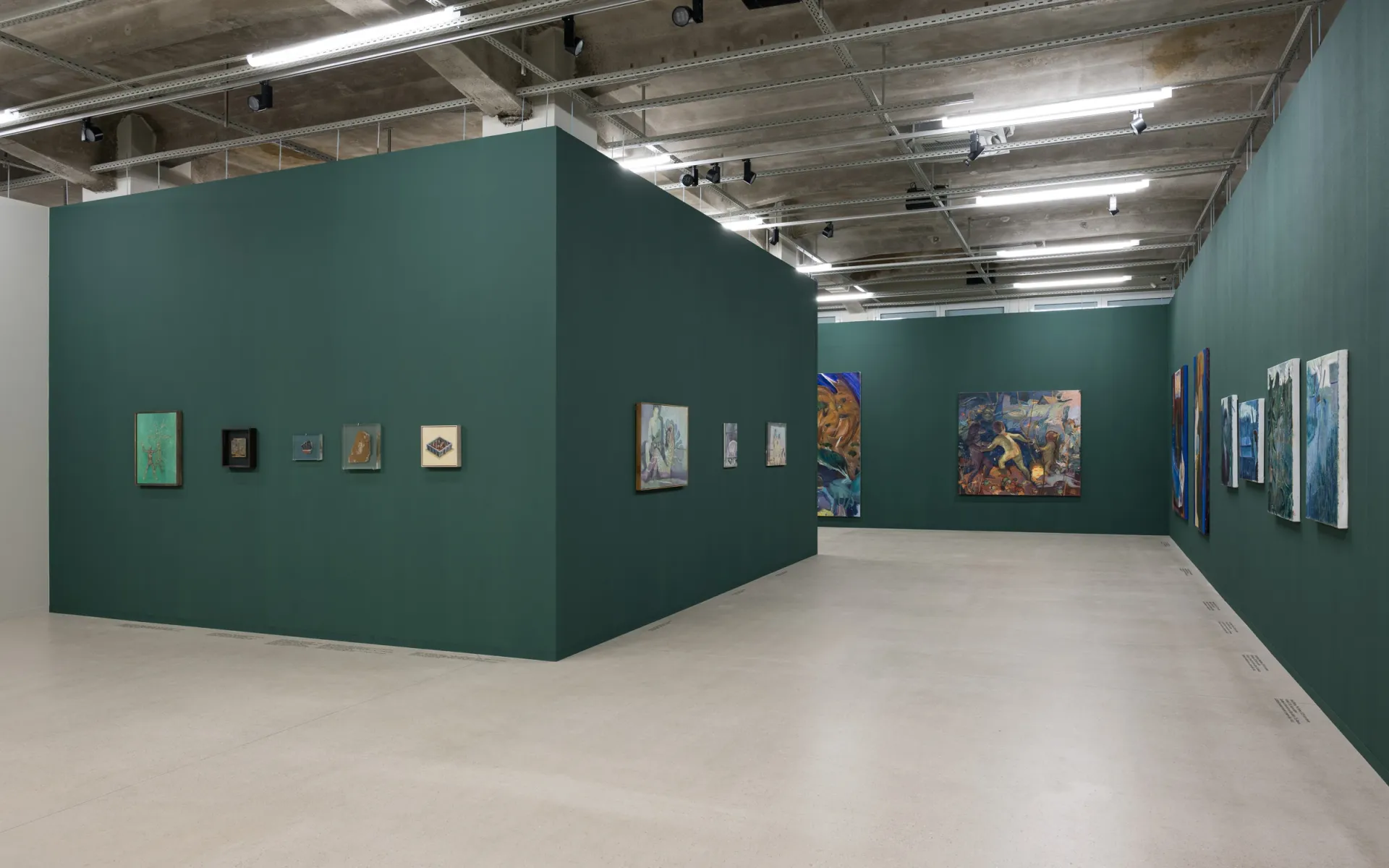
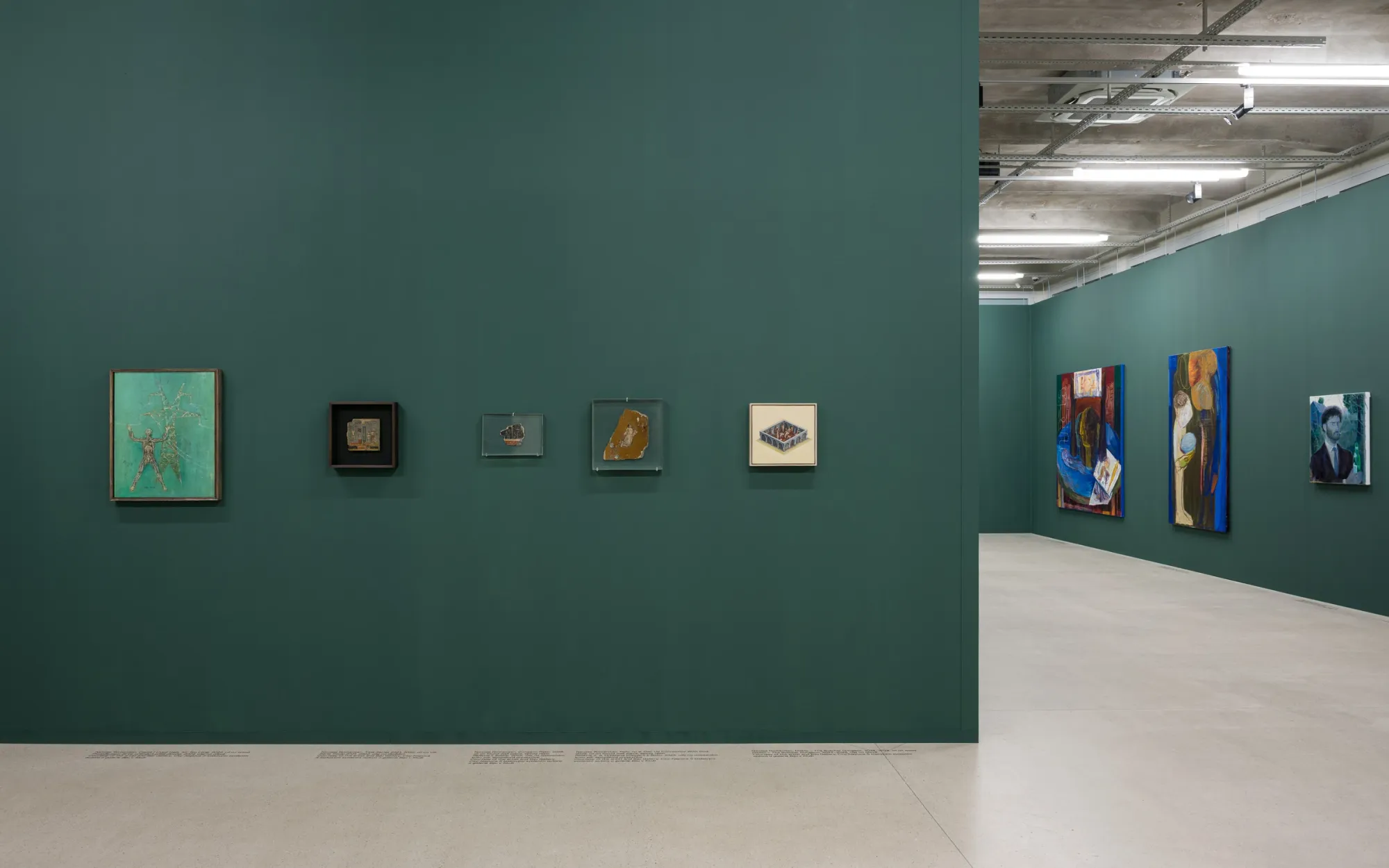
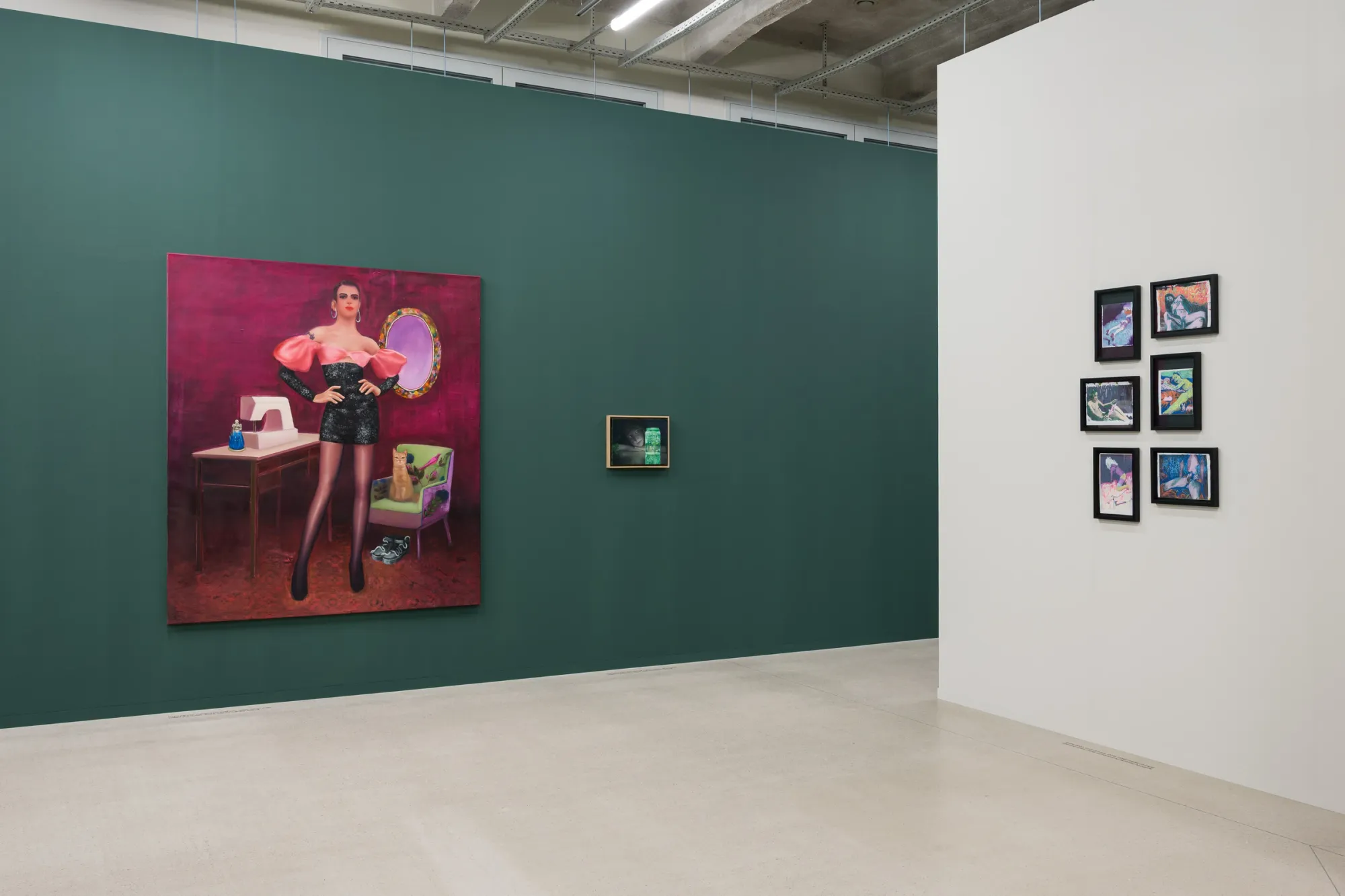
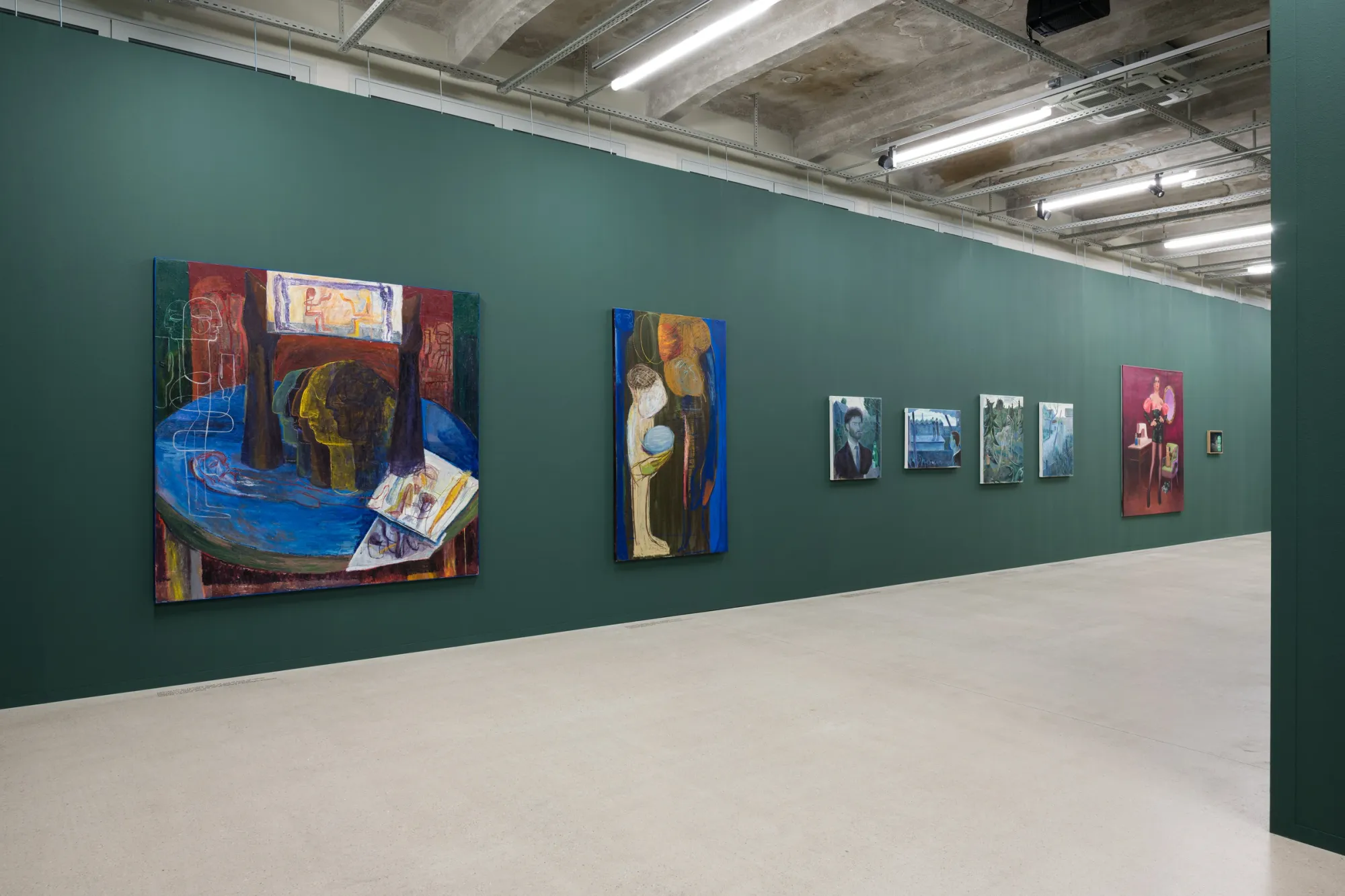
Telegraph Gallery in Olomouc has installed the exhibition across 350 square meters of deep forest-green walled space, and the color choice carries weight. Green this dark is not decorative; it absorbs the room's atmosphere rather than reflecting it.
Adrian Ghenie, Marius Bercea, Șerban Savu, Radu Baies, Robert Fekete, Mirela Moscu, Oana Fărcaș, Ioana Iacob, David Fărcaș, Nicolae Romanițan, Mircea Suciu, Tincuța Marin, Hortensia Mi Kafchin, Paul Robas
Transylvanian Painting Today
Telegraph Gallery
Olomouc, Czech Republic
Tue–Thu 9 am–7 pm, Fri 9 am–9 pm, Sat–Sun 10 am–6 pm
Jungmannova 3, Olomouc
Jane Neal
Matěj Doležel
marketa.kalouskova@telegraph.cz
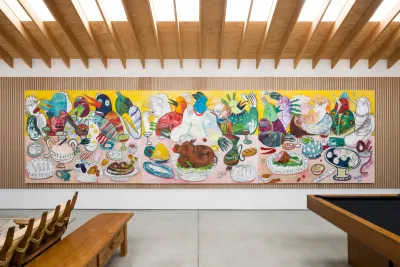
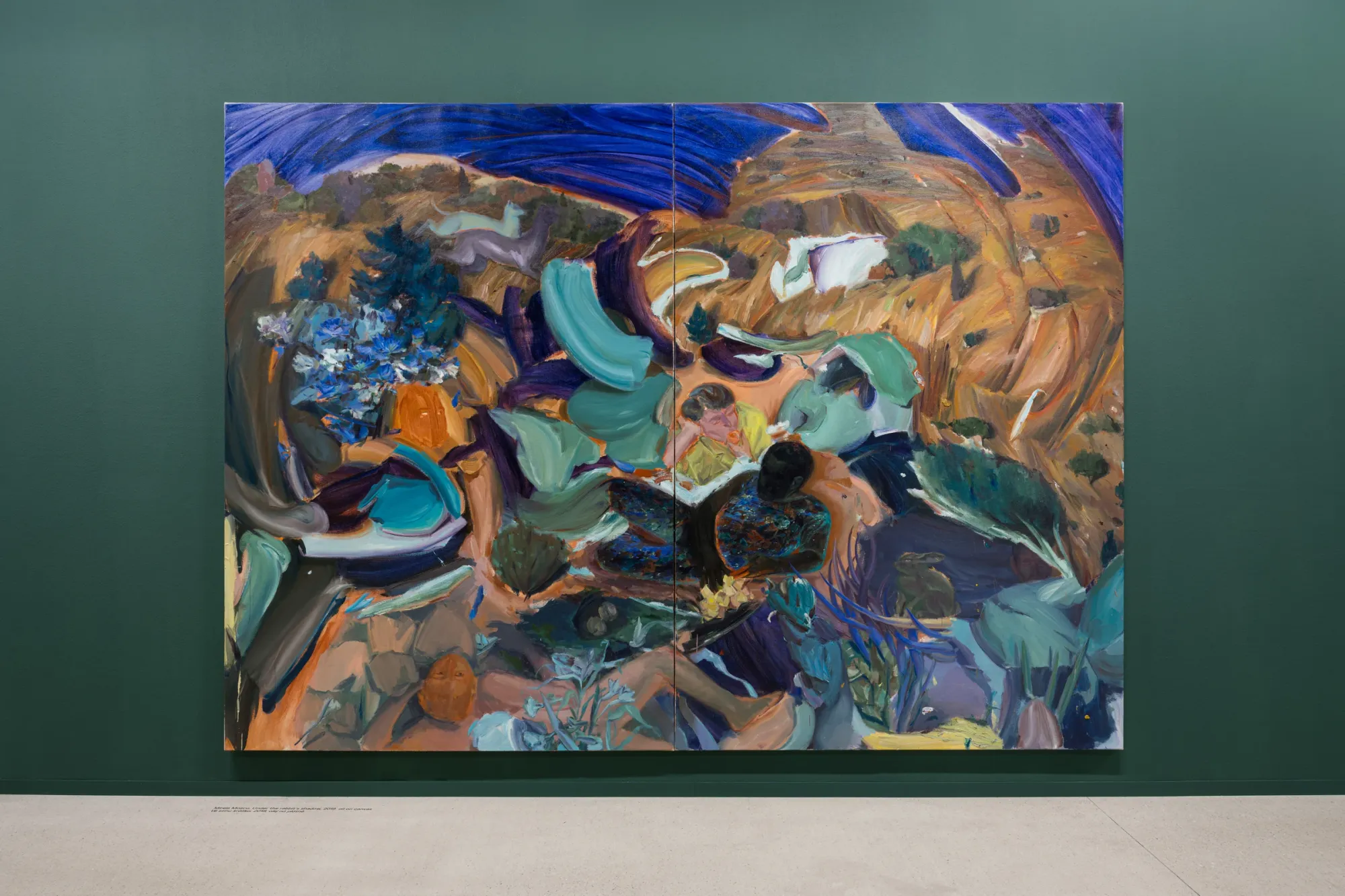
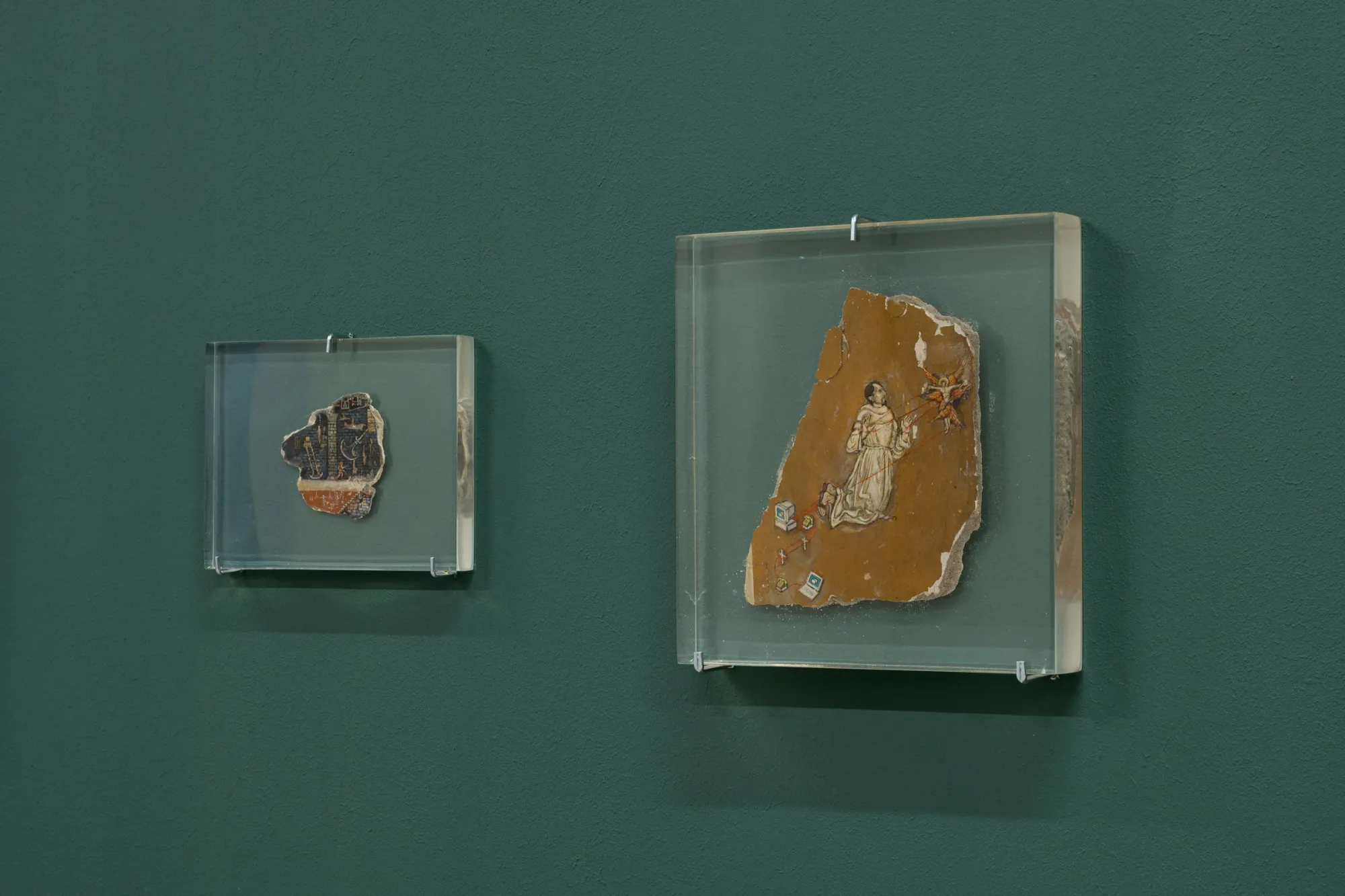
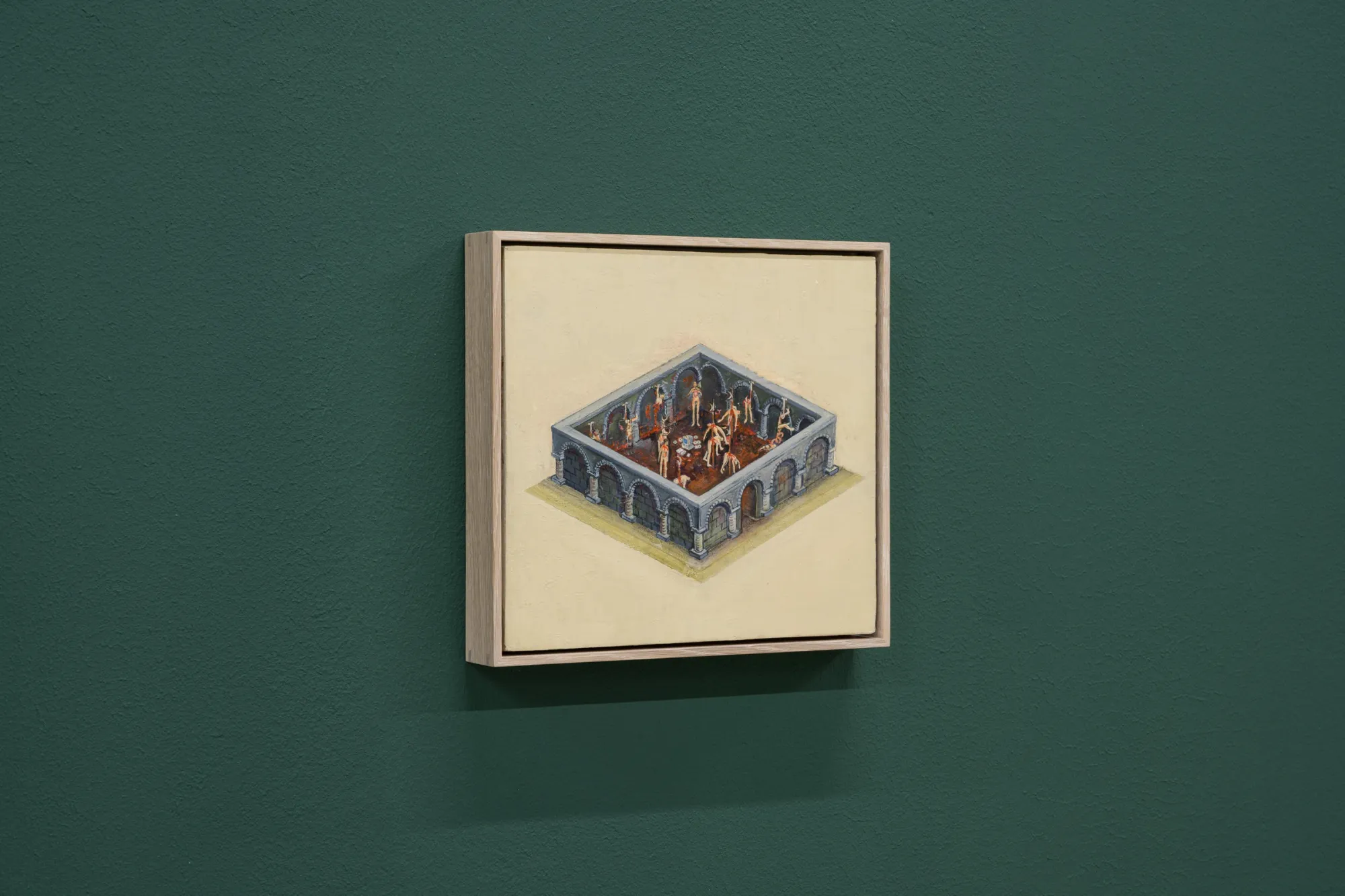
A central box partition divides the space without closing it you move around it, catching paintings at different depths and scales, small intimate canvases and large ambitious ones occupying the same sightlines. The setting suits an exhibition that is not trying to tell one story but to hold fifteen different ones in the same room without forcing them to agree.
The press release frames the exhibition through three artists, Adrian Ghenie, Marius Bercea and Șerban Savu. Together, they map its tonal range.
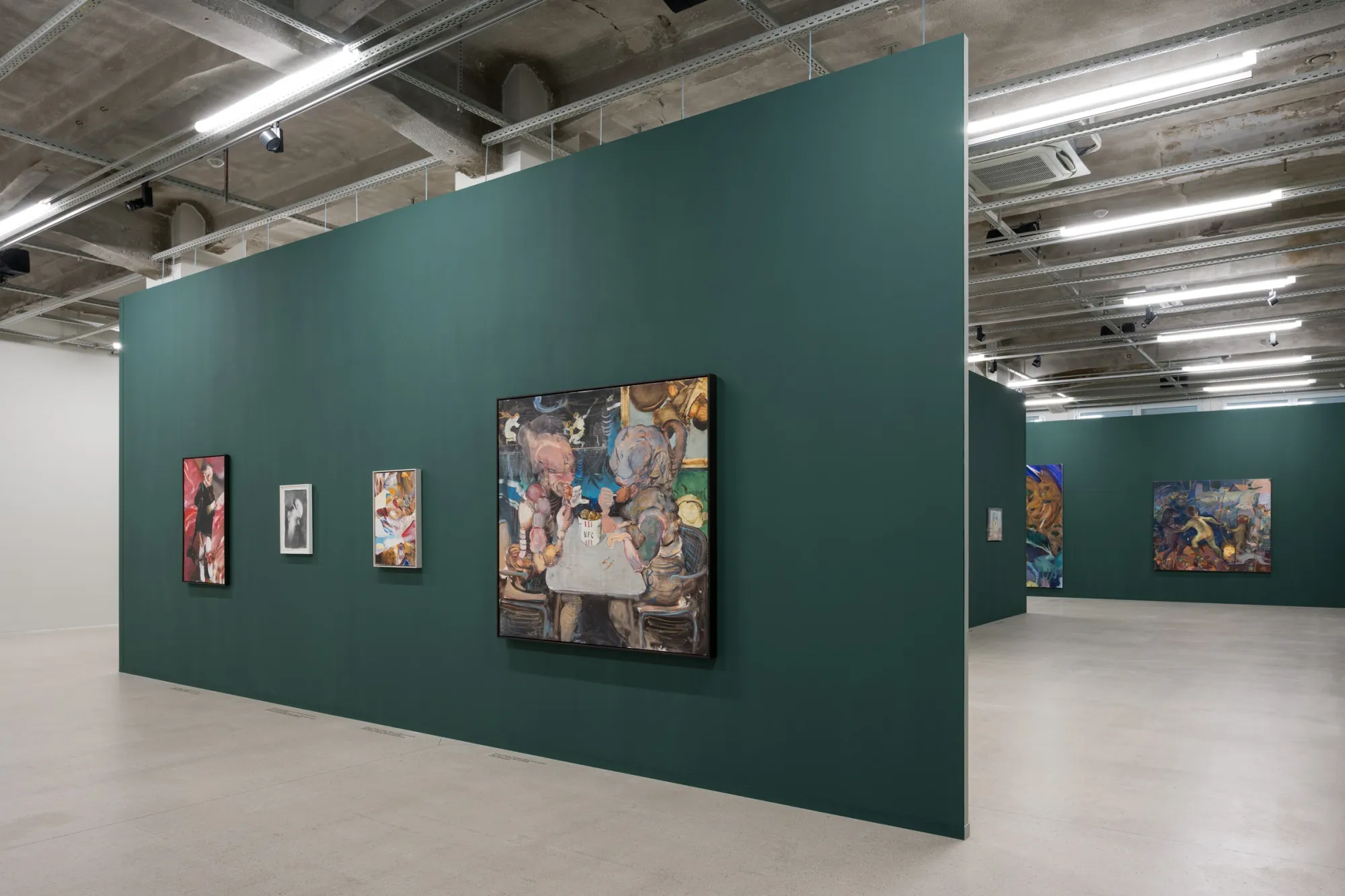
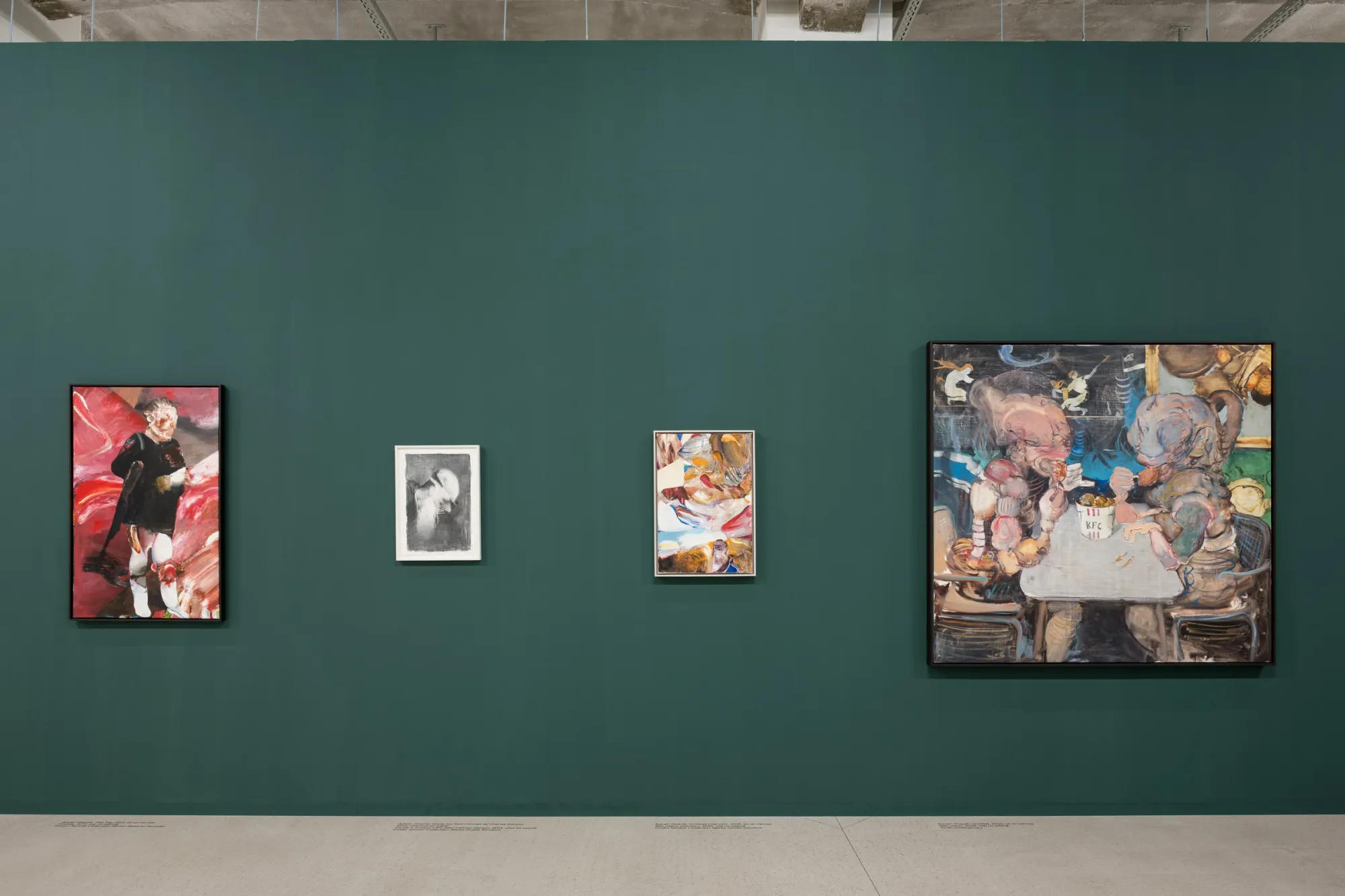
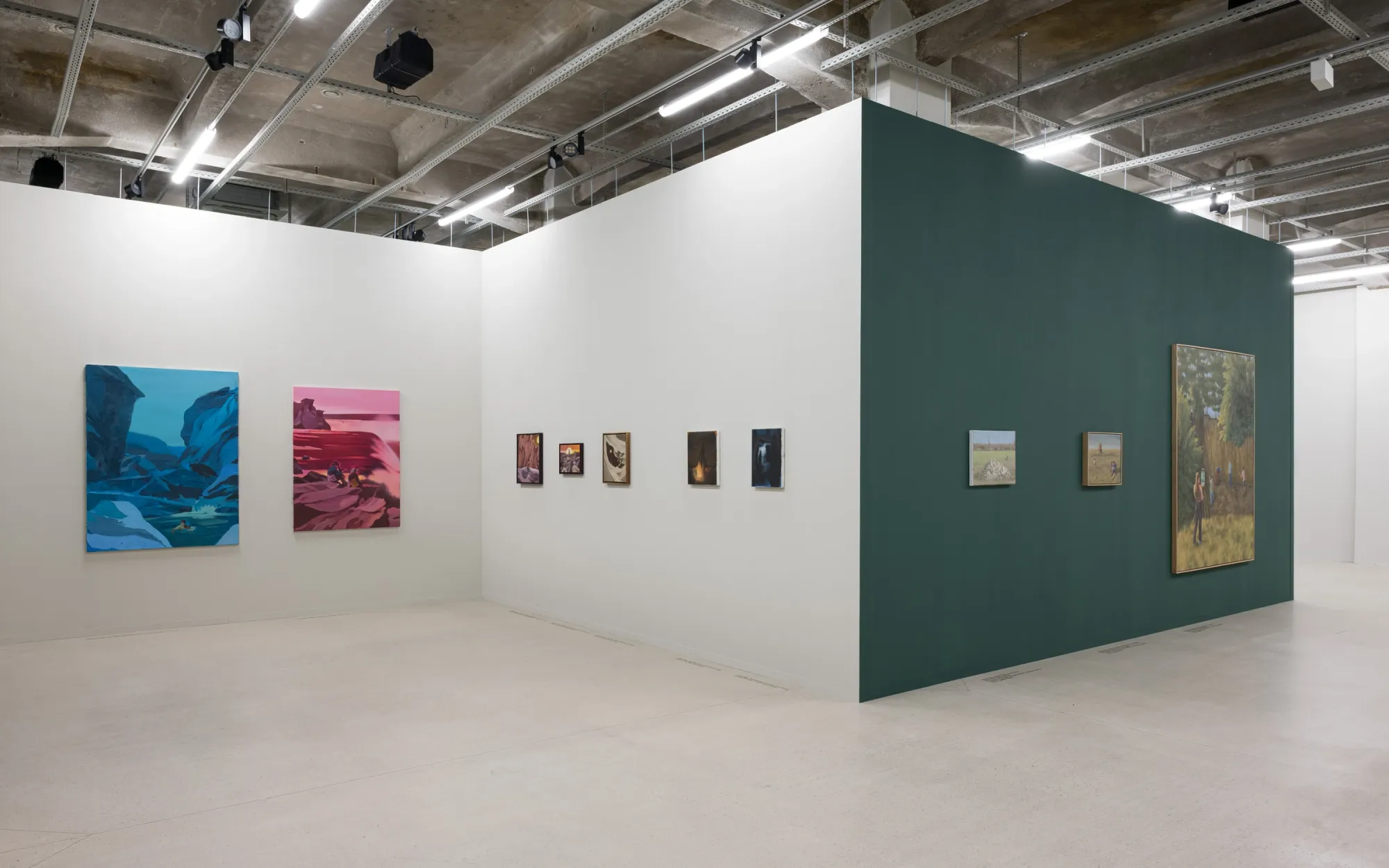
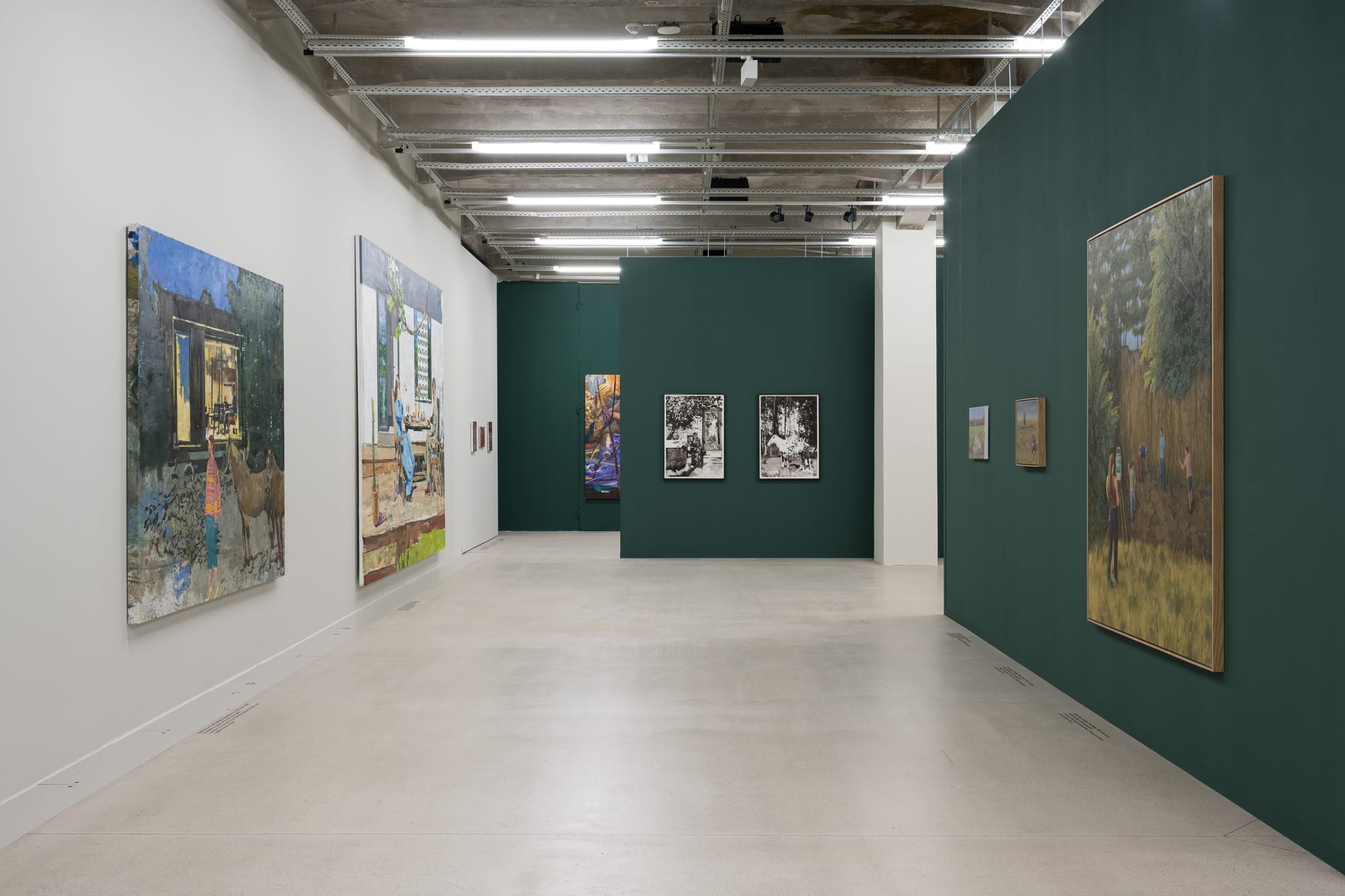
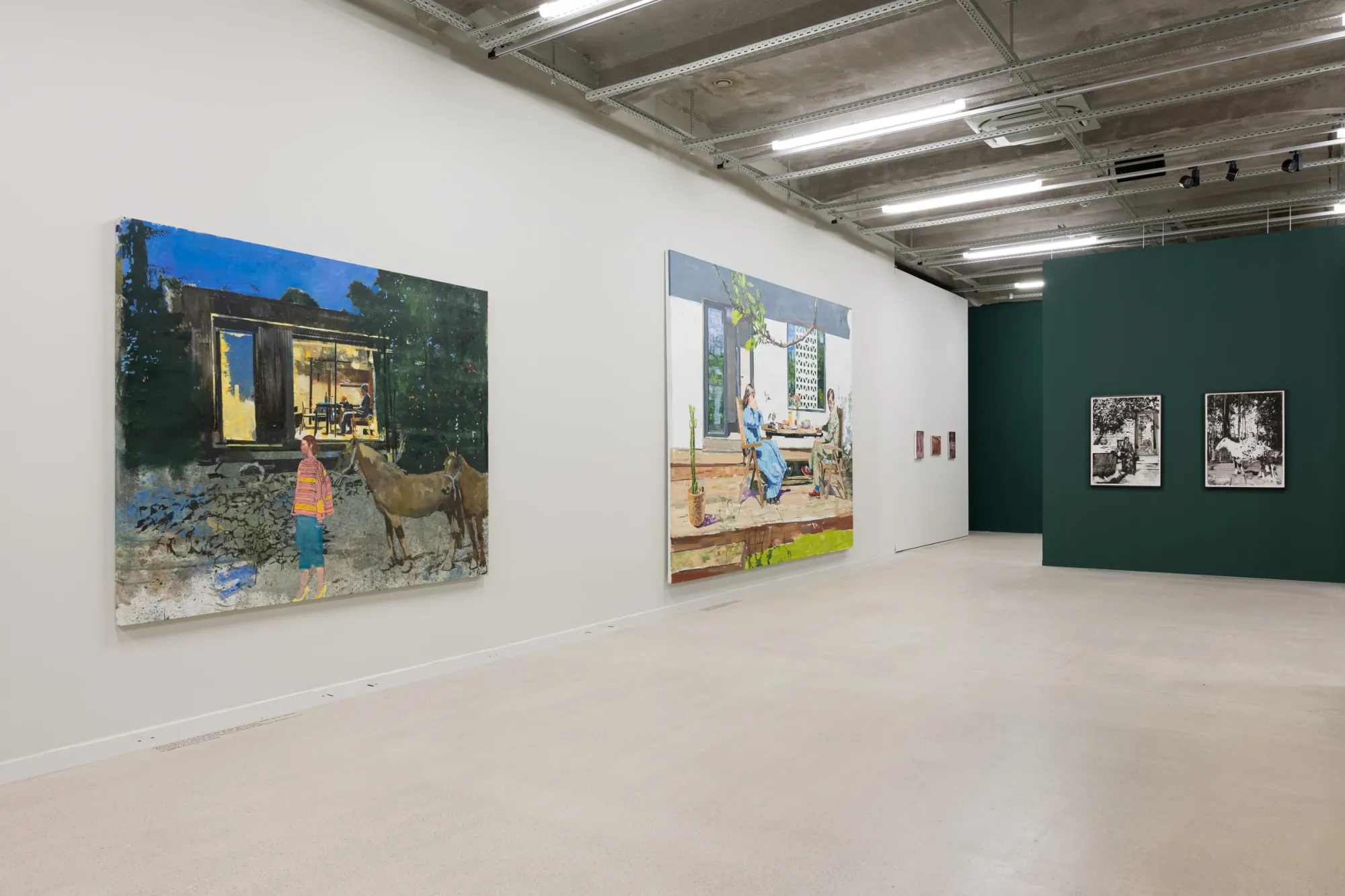
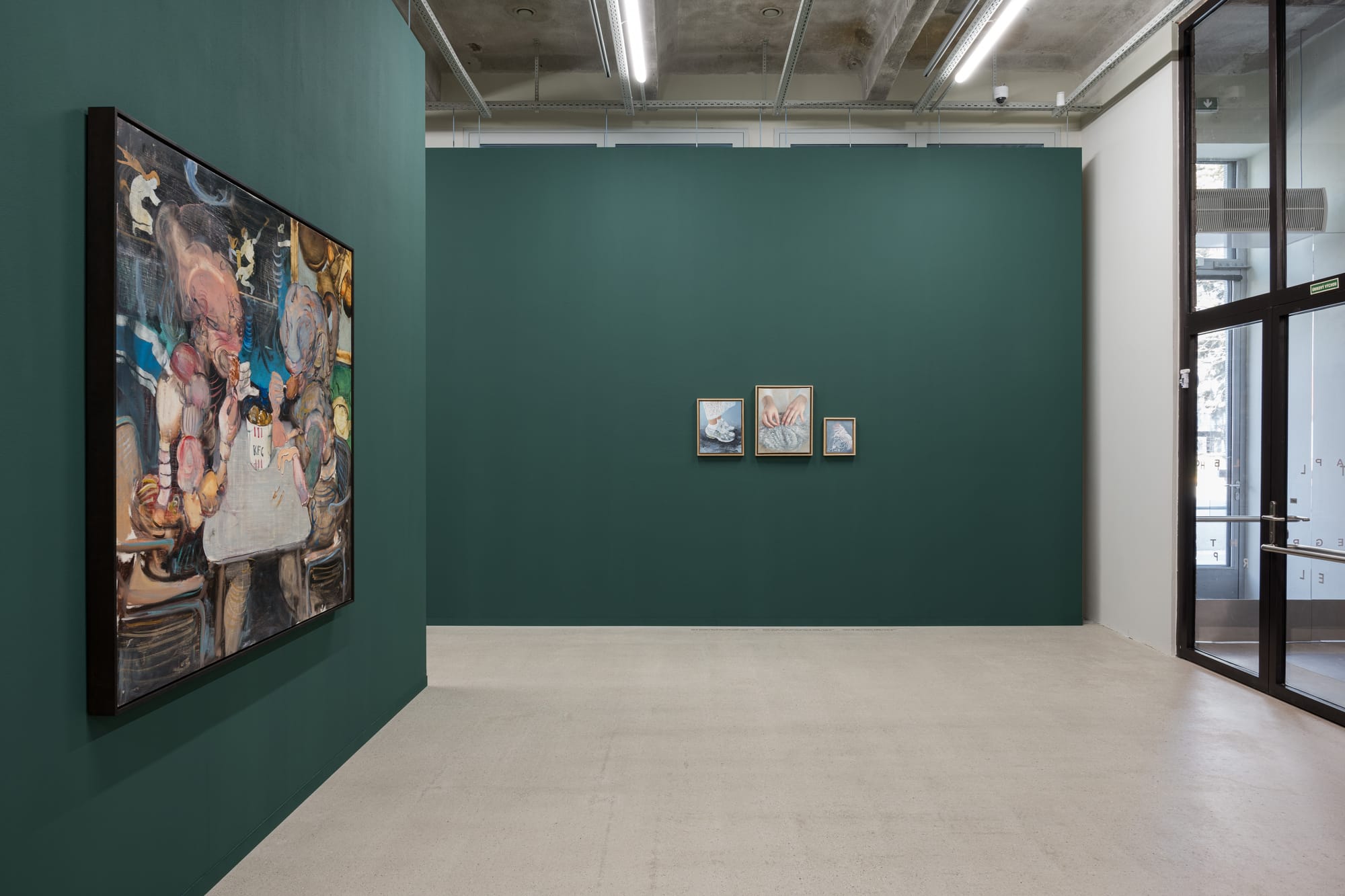
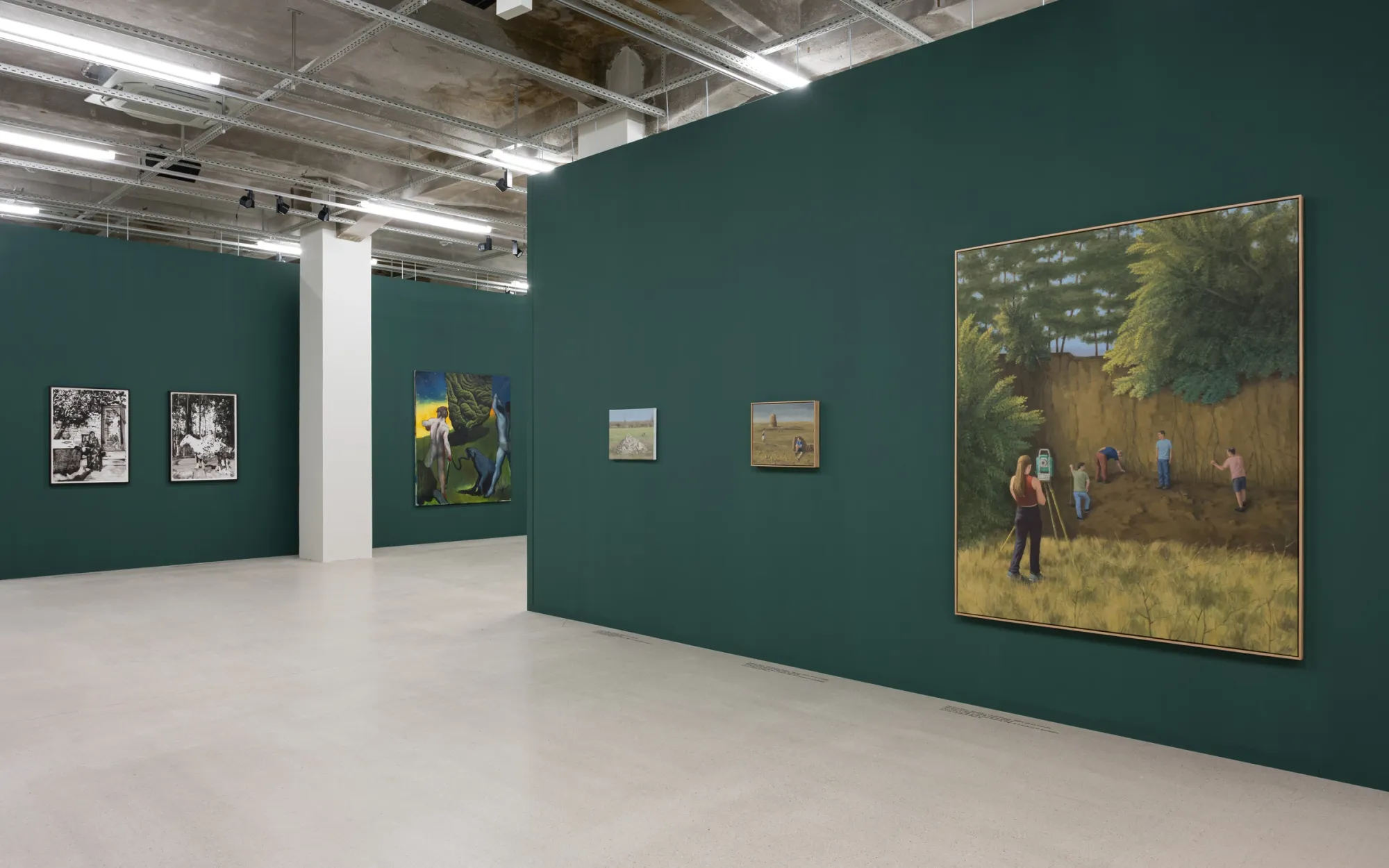
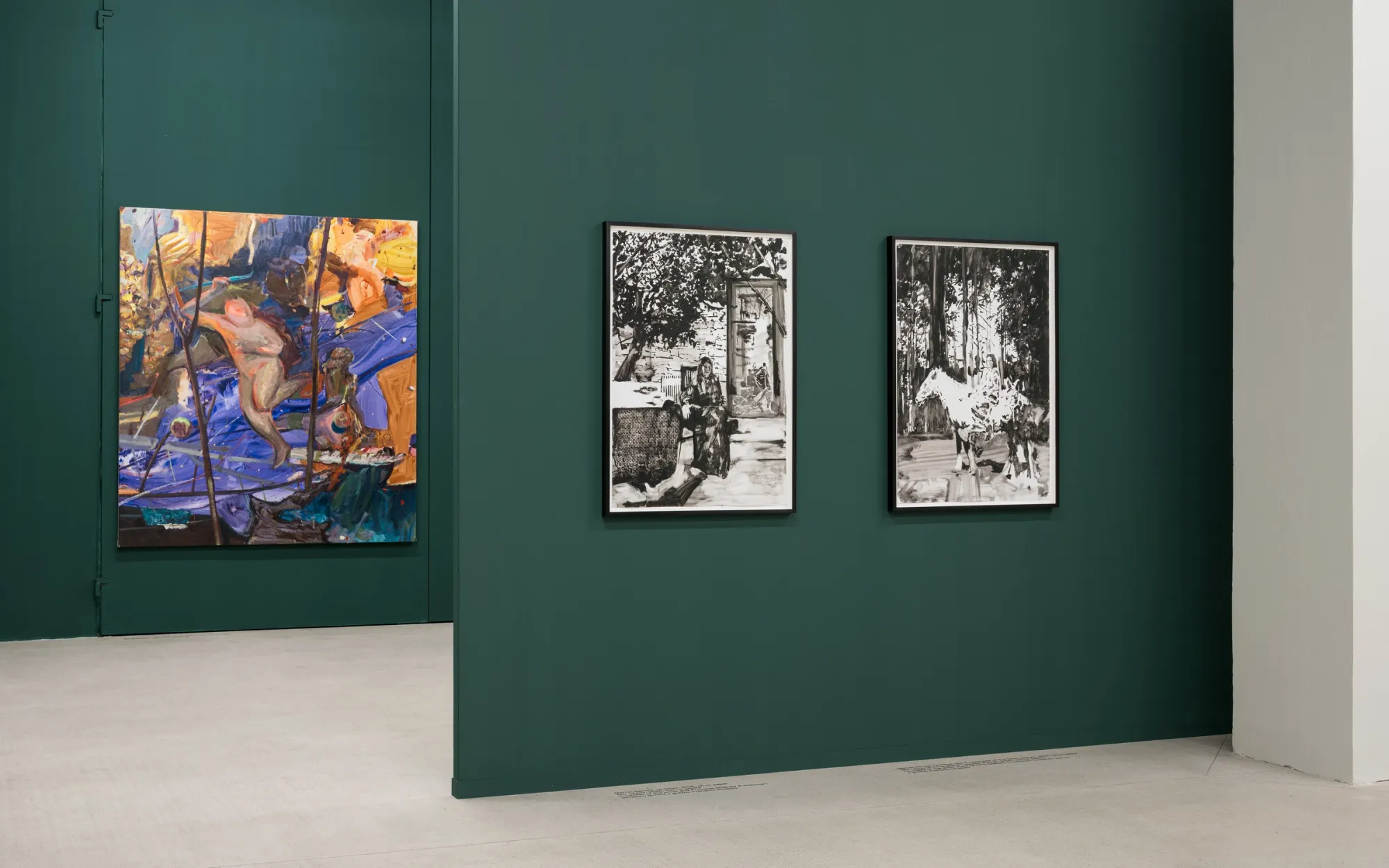
Ghenie’s canvases carry a compressed pressure: figures at the edge of dissolution, paint applied with controlled intensity that holds the image at the brink of coherence. The surface holds and nearly doesn't, which is exactly how historical trauma tends to function. His work at the Telegraph extends the logic that has made his auctions record-breaking and his institutional presence near-total: the capacity to hold something unresolved without resolving it.
Bercea accumulates rather than dissolves. His paintings layer memory, imagined space and post-communist interior life into compositions dense enough to require time. The vivid color and elaborate spatial construction feel less like expressionism than like an act of recovery, everything the system attempted to make invisible, pulled carefully back into view.
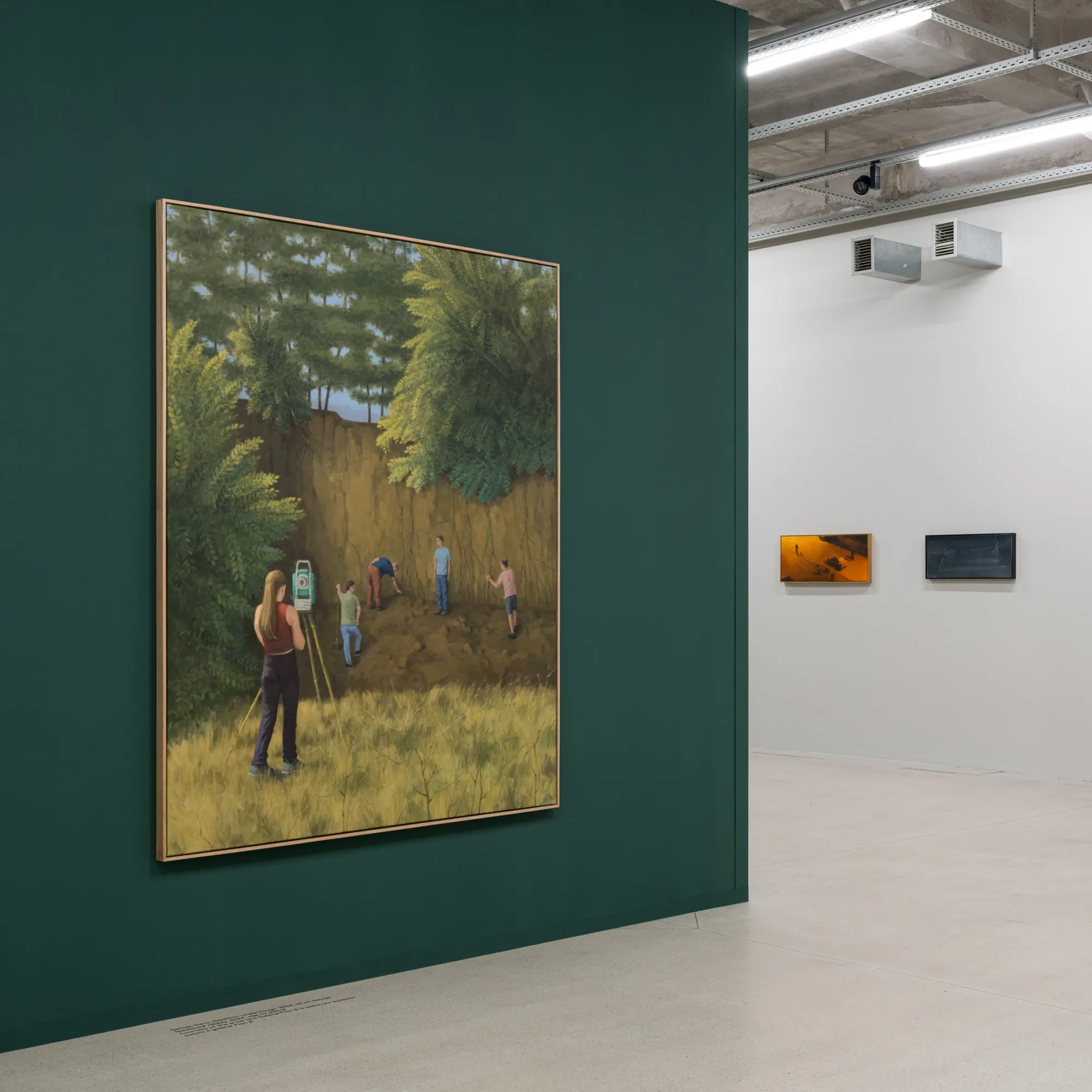
Șerban Savu seems to work in a different register entirely. Muted palette, patient attention, figures going about labor in ordinary Romanian landscapes, small bodies against large sections of earth or sky. He paints what persists regardless of what the century makes of it. The quiet in these canvases is not peace, it is a kind of suspension, the world holding its breath between one disruption and the next.
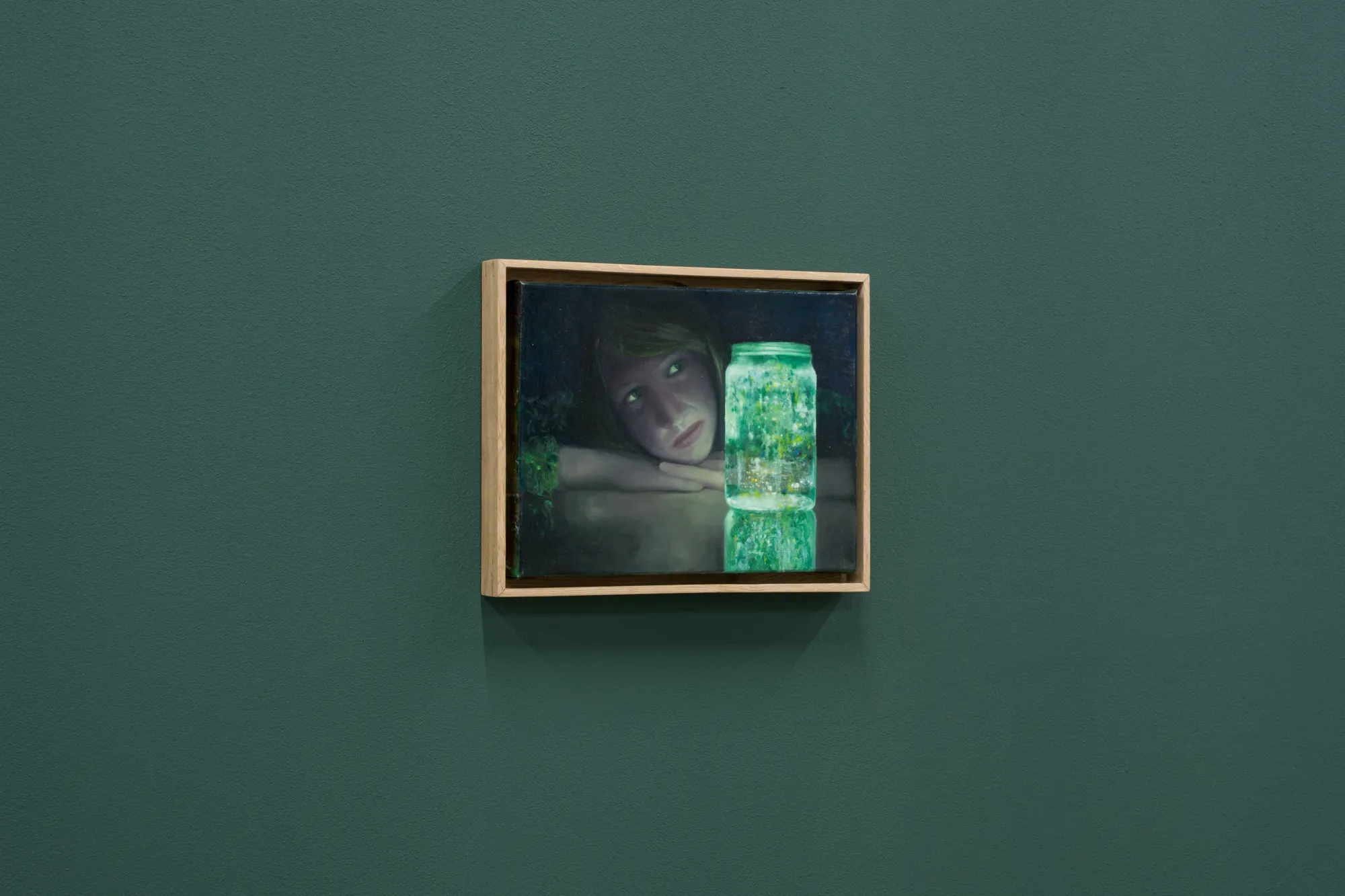
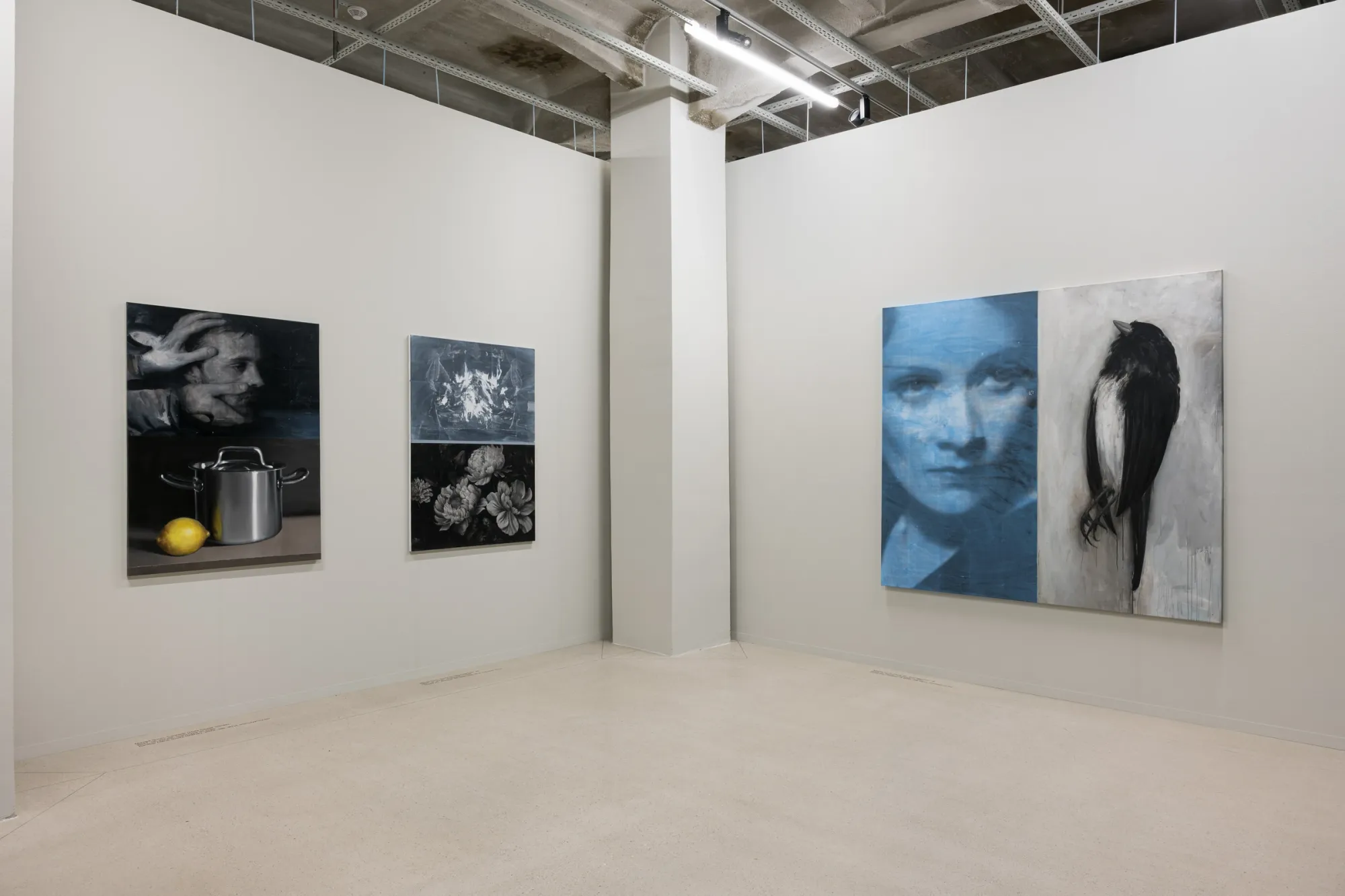
Alongside them, the exhibition presents Radu Baies, Robert Fekete, Mirela Moscu, Oana Fărcaș, Ioana Iacob, David Fărcaș, Nicolae Romanițan, Mircea Suciu, Tincuța Marin, Hortensia Mi Kafchin and Paul Robas. The range is deliberately wide. Some work with darker expressionistic registers, others approach a cooler structural clarity, a few seem to occupy positions that don't resolve neatly into either. The coherence across the show is not stylistic. It is atmospheric. It comes from shared formation, shared history, and perhaps from the particular pressure of a place that has been too many things to too many people for too long.
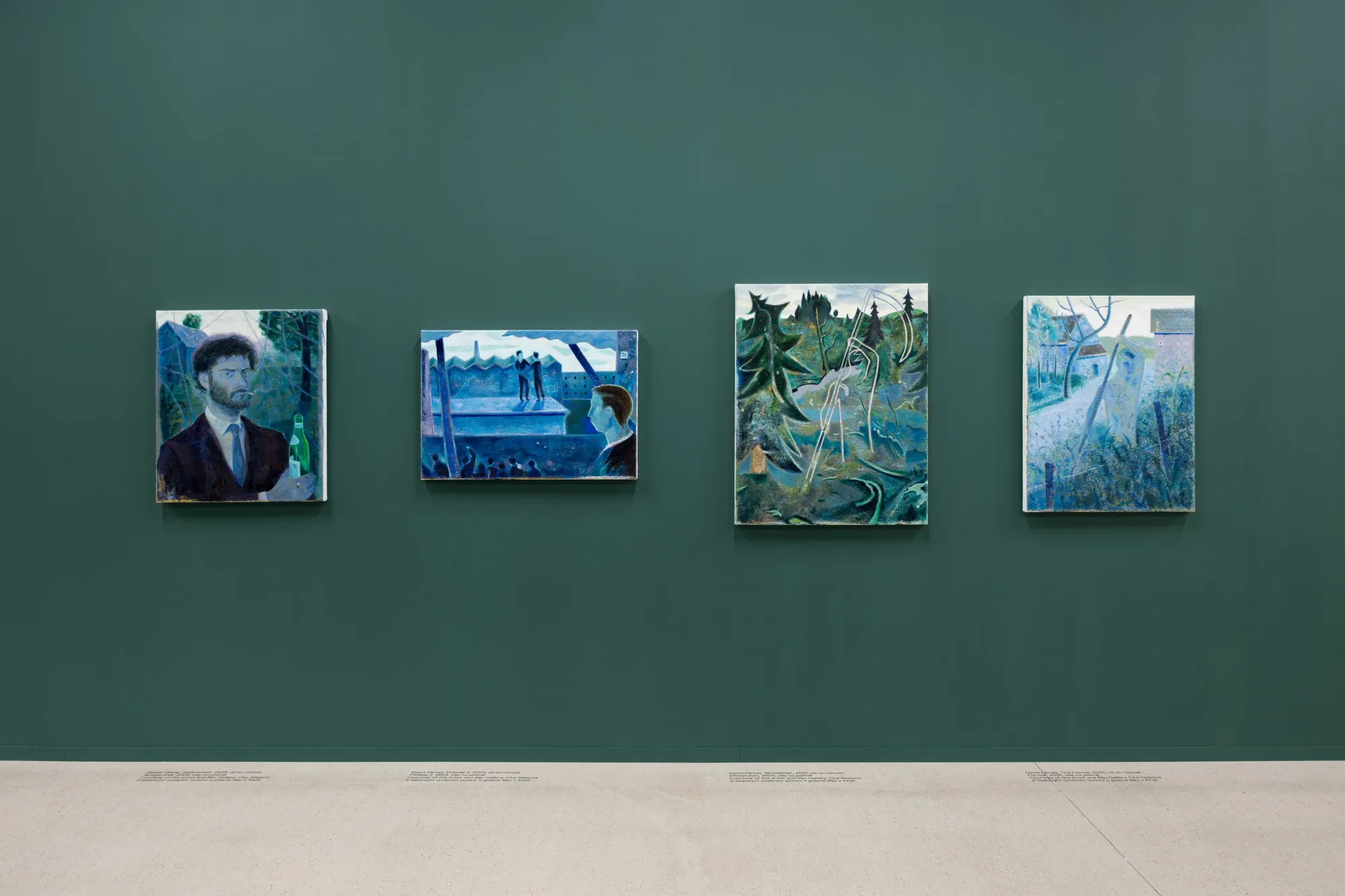
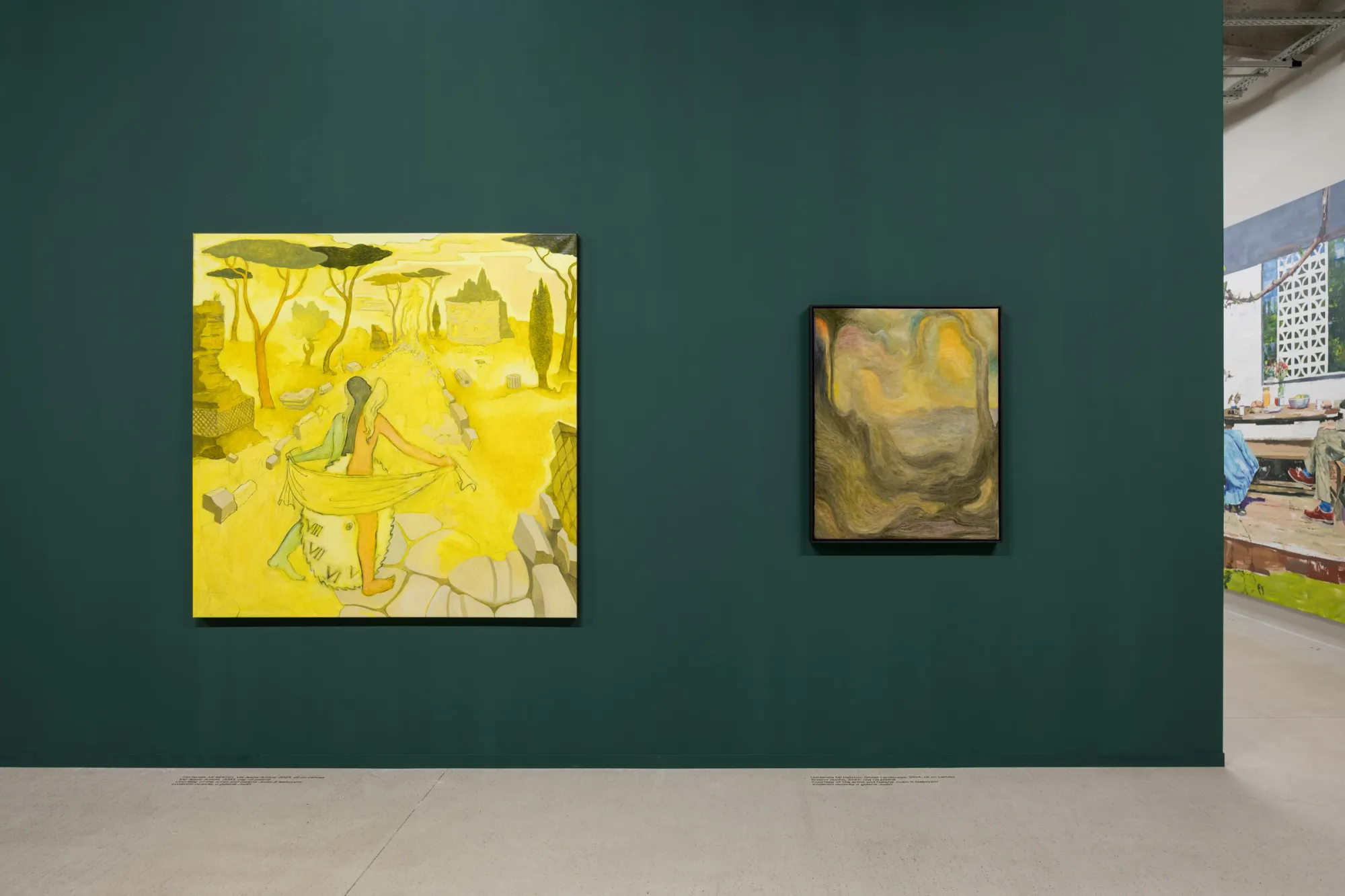
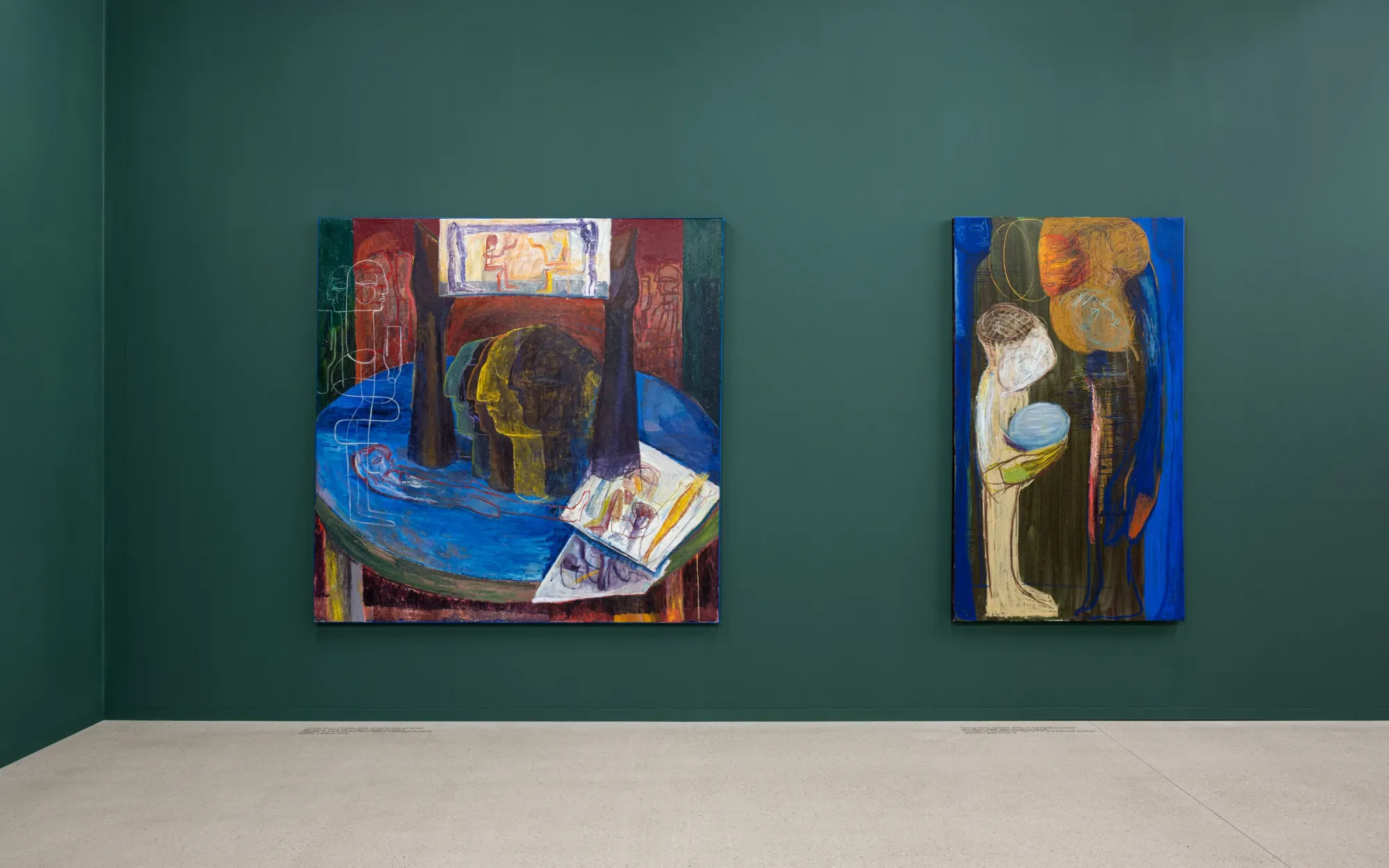
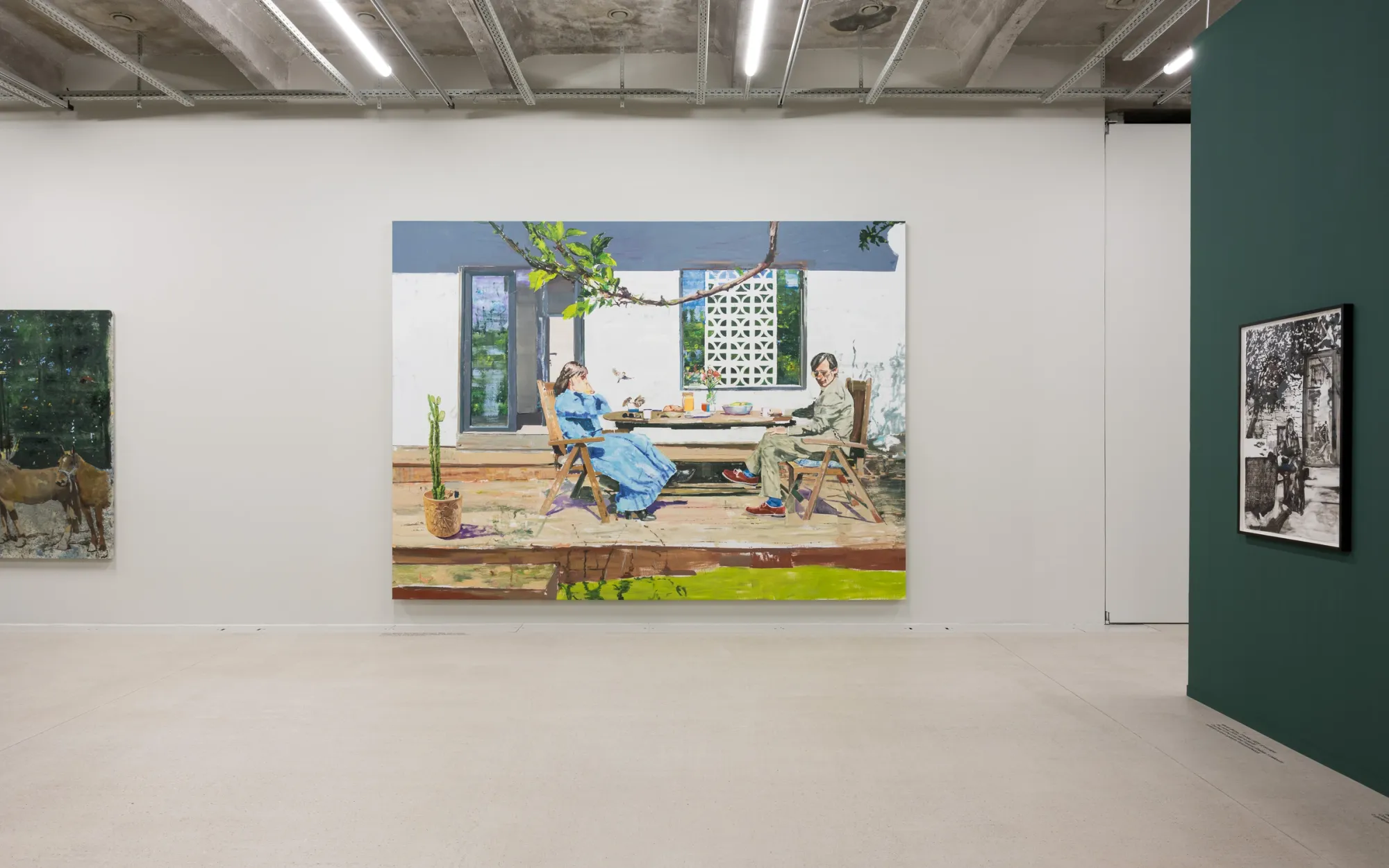
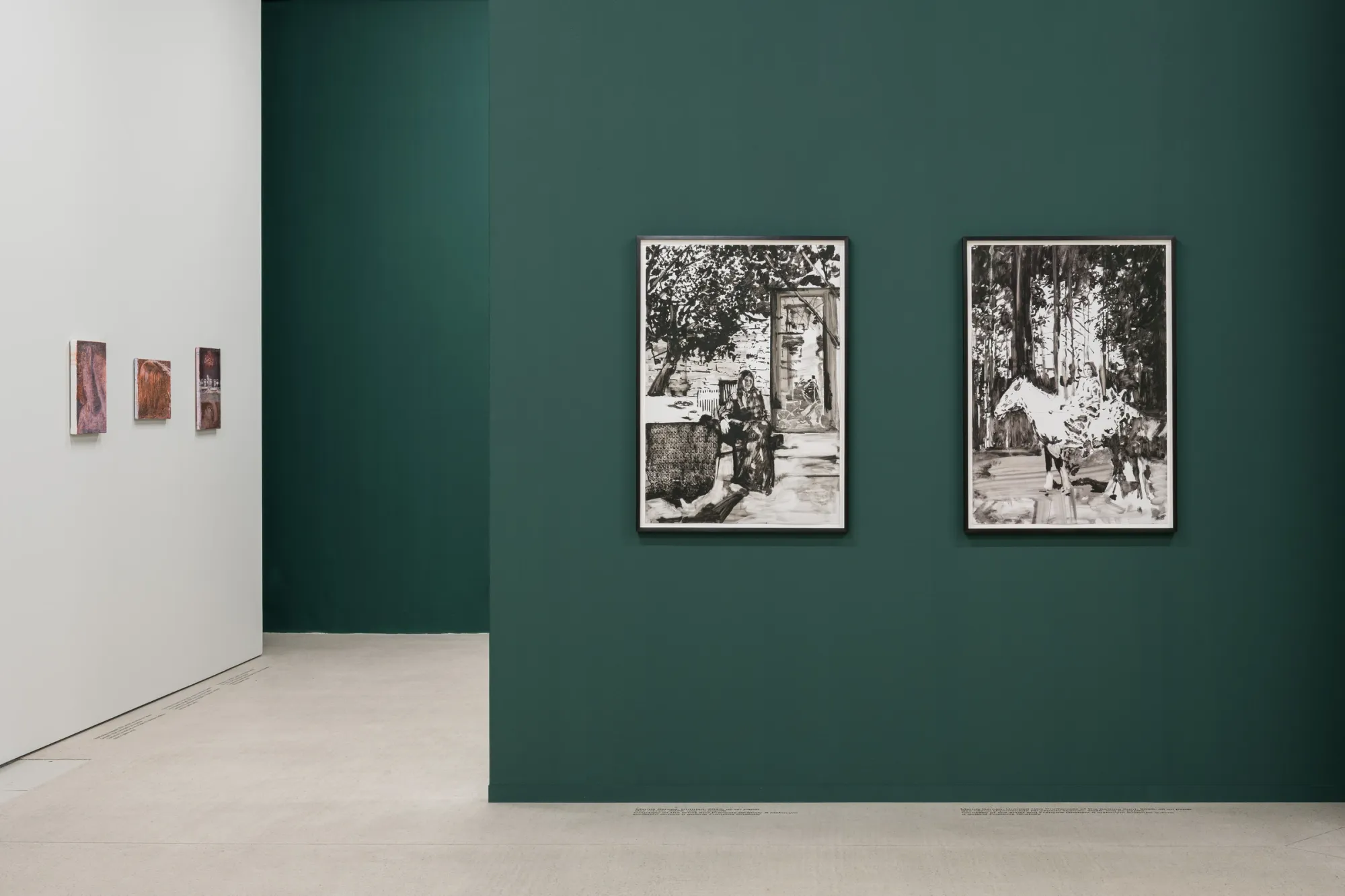
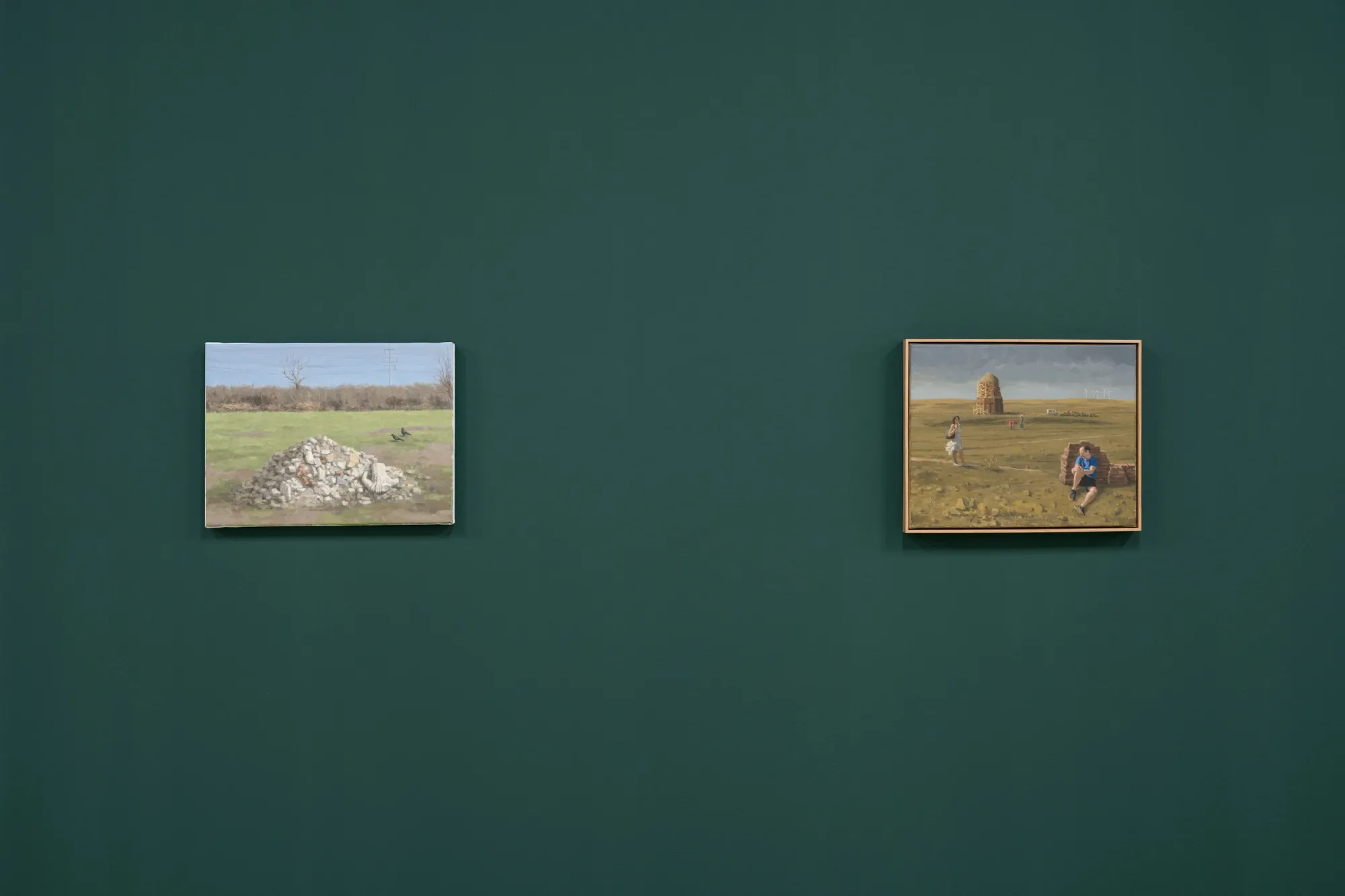
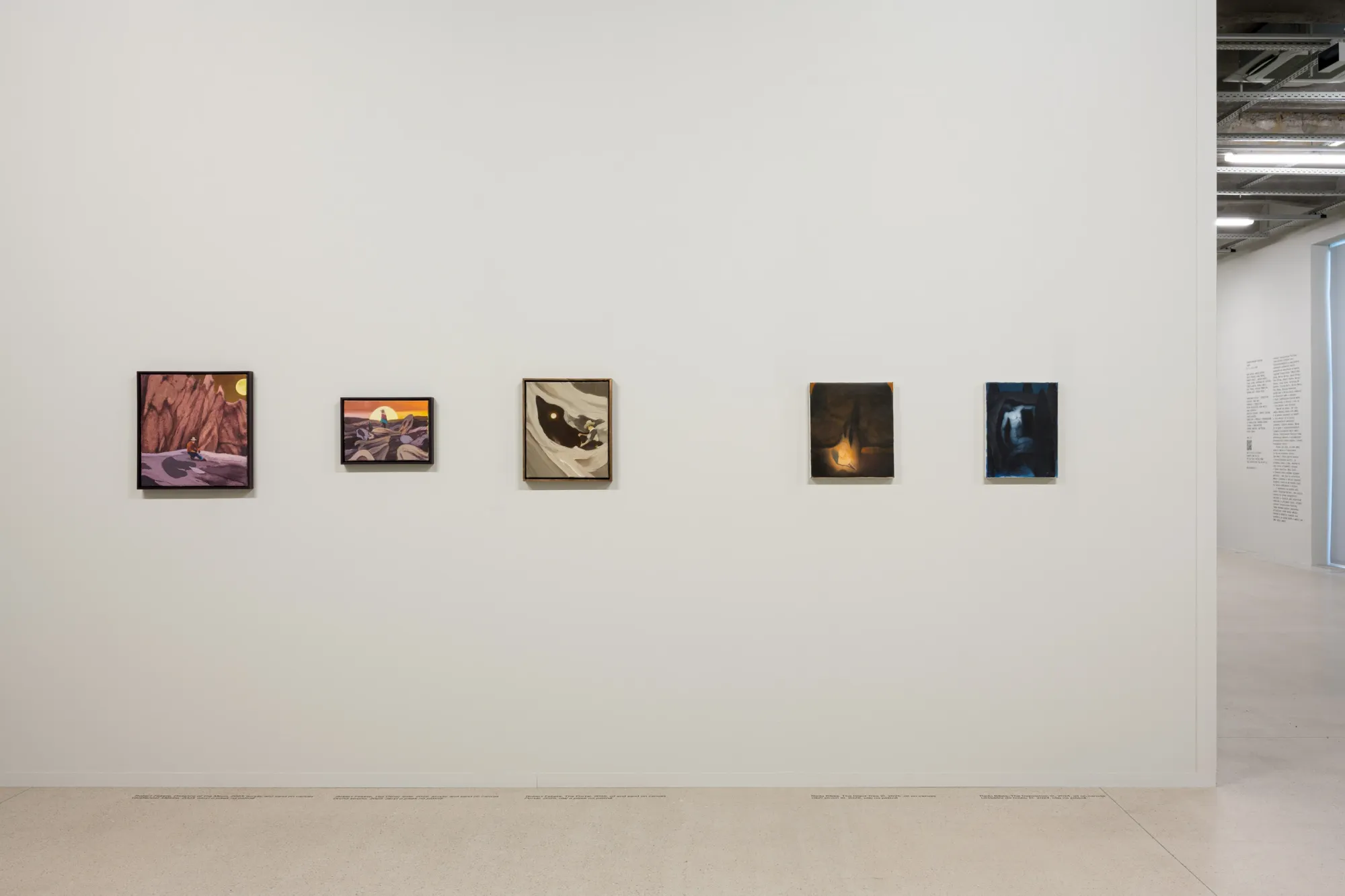
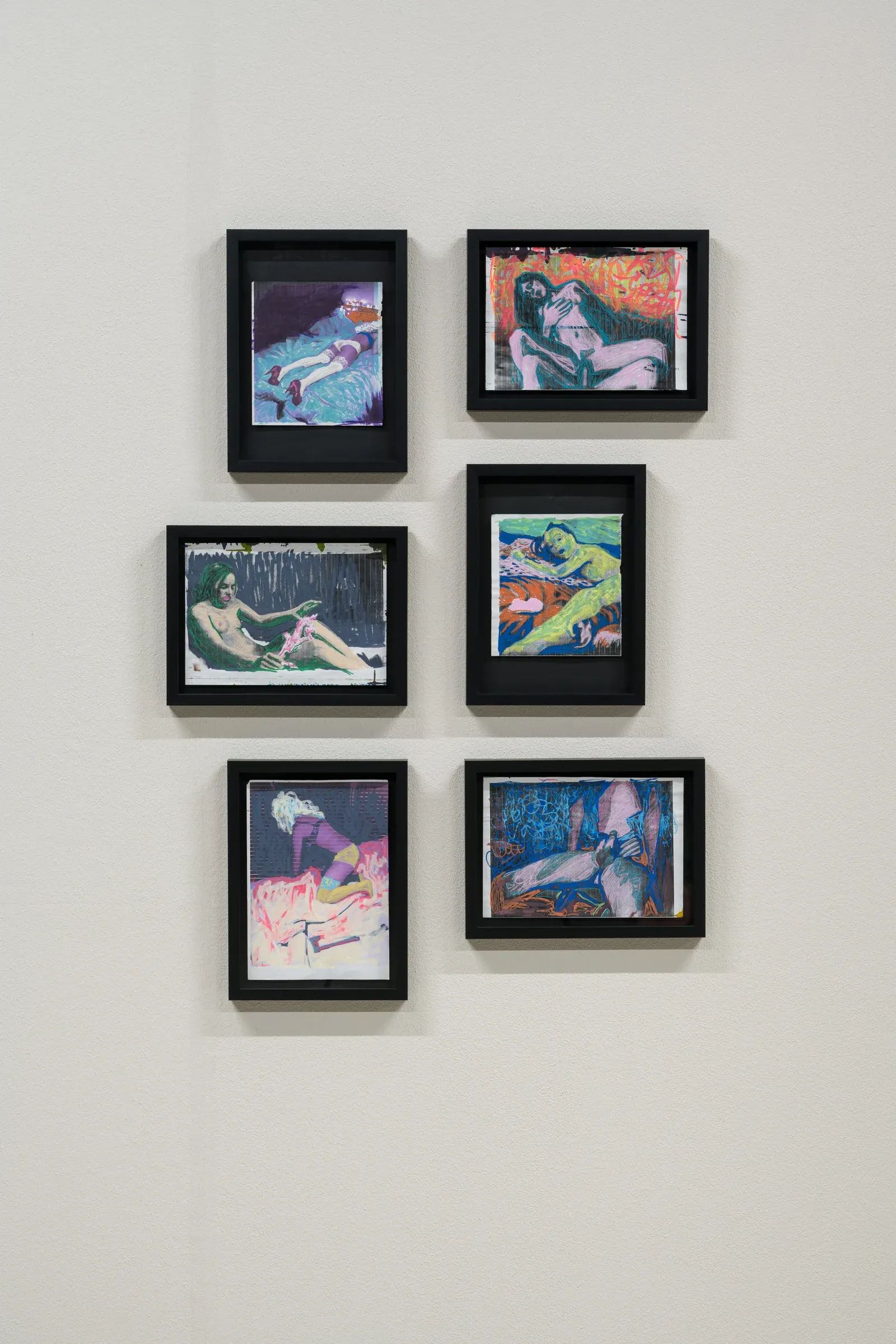
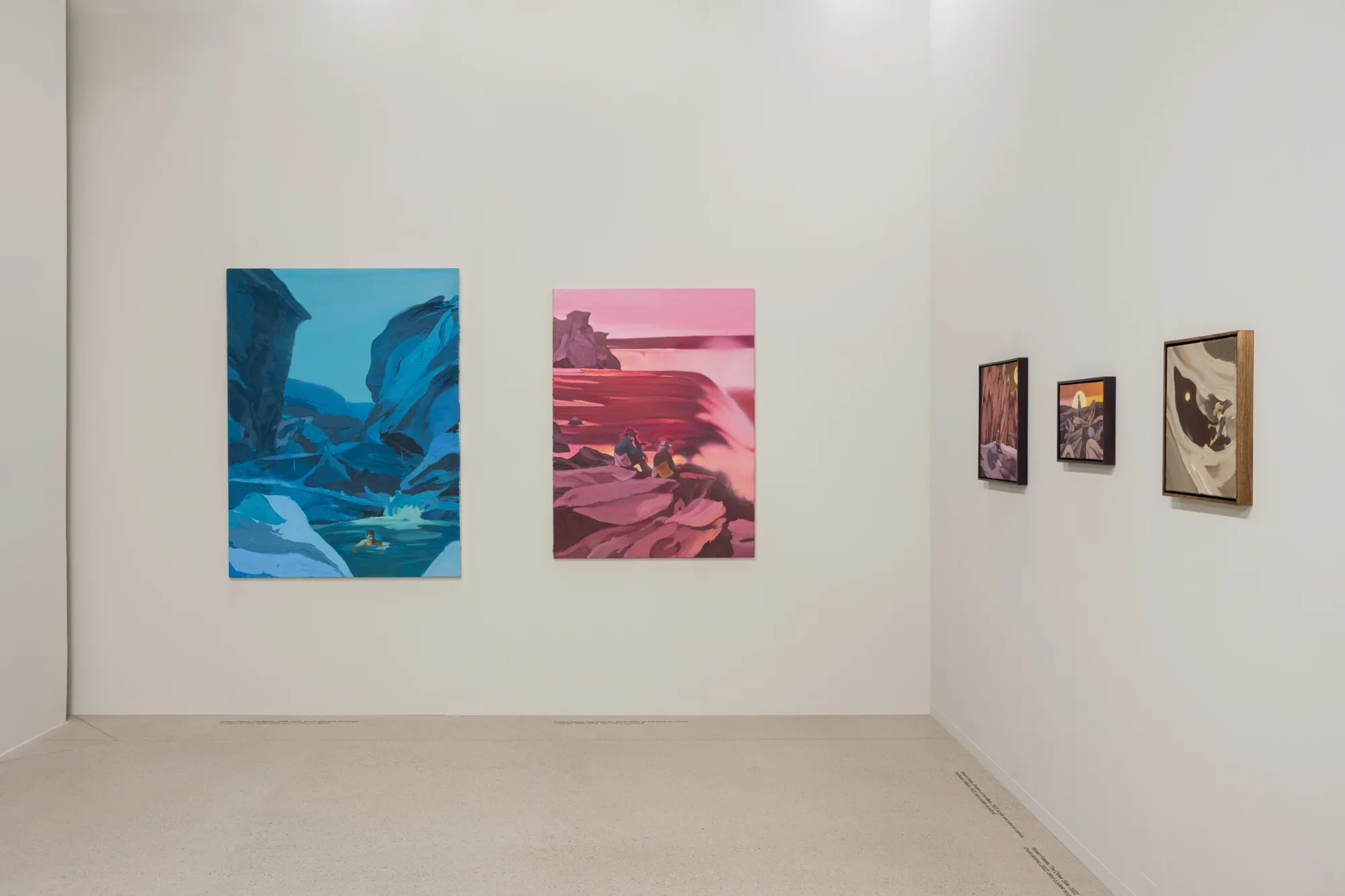
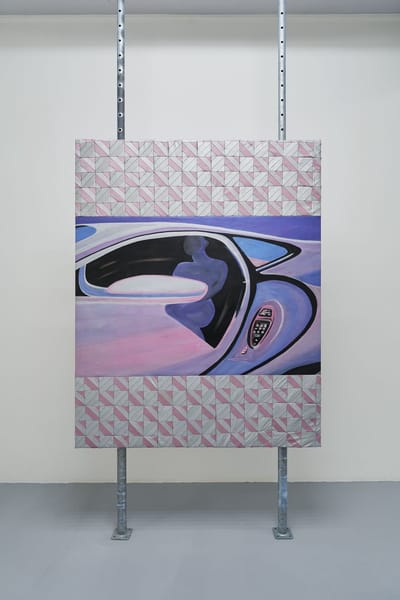
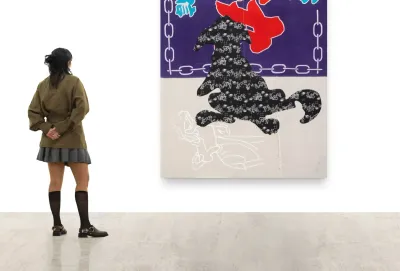
Telegraph Gallery, Olomouc - Transylvanian Painting Today - Exhibition View - Artist Ioana Iacob, Robert Fekete from left to right - Image courtesy of the gallery - Photography Matěj Doležel
Curator Jane Neal, who has worked in Central and Eastern European art for decades and is credited with introducing the Cluj School to international visibility, closes a trilogy here, German painting, British painting, now Transylvanian painting.
The sequence suggests something about where the energy in European figurative art has been traveling: steadily away from the historically dominant centers, toward the edges of the continent where the twentieth century left a different kind of residue. That the Cluj School requires no manifesto, no institutional anchor, and no official name may not be a weakness. It may be the condition that kept it honest.
The myth was always the easier story.
Instagram of Telegraph Gallery
Jane Neal Curator on Instagram
Notable Works and Exhibition Views
About Catapult
This is an exhibition review published by Catapult — an independent editorial platform for contemporary art, based in Vienna. We publish exhibition reviews, artist features, interviews, and critical context, with a focus on emerging and mid-career practices from Europe and beyond.
catapult.art
Want to be featured? Submit your work →
Related Readings
No spam, no sharing to third party. Only you and me.