The Postcard Arrived. The Silence Came with It - Ramesch Daha at TAXISPALAIS Kunsthalle Tirol


Ramesch Daha
Mein Österreich
Innsbruck, Austria
-
March 13, 2026, 7pm - free admission
Maria-Theresien-Straße 45, 6020 Innsbruck
Nina Tabassomi
Vincent Entekhabi, Günter Kresser
Courtesy the artist / TAXISPALAIS Kunsthalle Tirol
presse@taxispalais.at
TAXISPALAIS Kunsthalle Tirol Presents Mein Österreich in Innsbruck
Recognition is not the same as understanding. An image can be entirely familiar and still withhold something, not because it is coded, but because familiarity is itself a condition that discourages looking carefully.
When images are manufactured to be recognized and circulated as greetings, the act of looking back at them begins to require a different set of questions.
National imagery operates on the assumption that the viewer already agrees. Mountains, hikers, snow-covered valleys: these postcards propose an Austria that is scenic, serene, and untroubled, a proposition sent across the Habsburg Empire before anyone asked what it was designed to conceal. The postcard's cheerfulness is not accidental. It is a selection.
Ramesch Daha copies without interpreting. In that restraint, something surfaces, not meaning, but proximity. The hand traces; the original is not overwritten but held.
TAXISPALAIS Kunsthalle Tirol occupies a former Habsburg post office in Innsbruck, the institution that once moved postcards through the empire now hosts an exhibition that returns to the postcard as material and problem.
Curated by Nina Tabassomi, Mein Österreich opens March 14, 2026, and runs through June 7. It is Ramesch Daha's first institutional solo exhibition in Austria, the country where she lives and works.
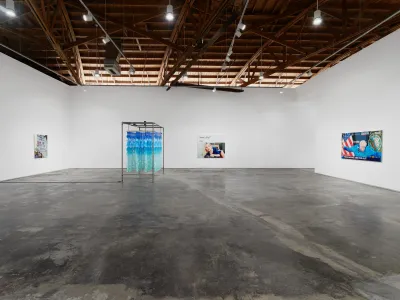
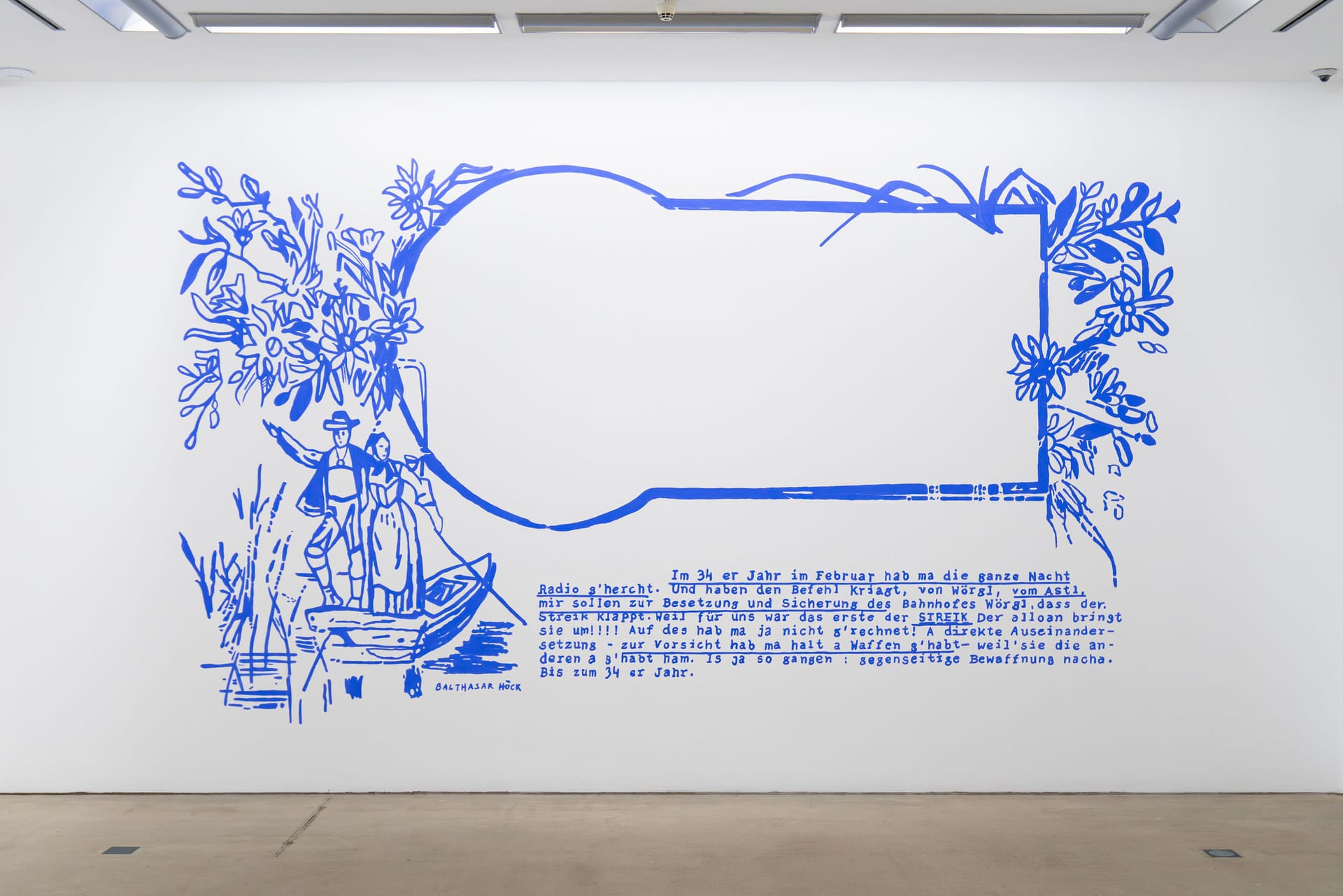
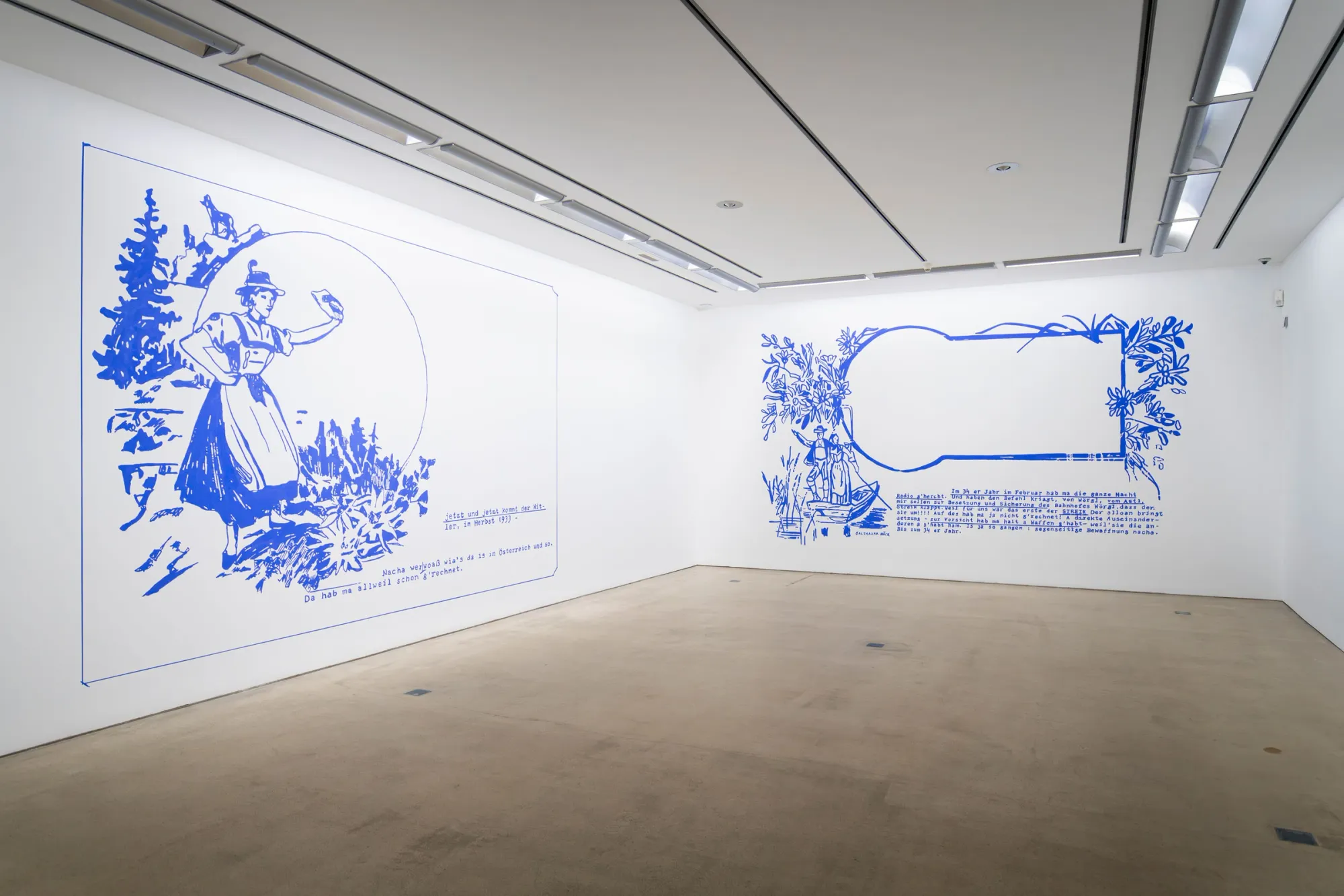
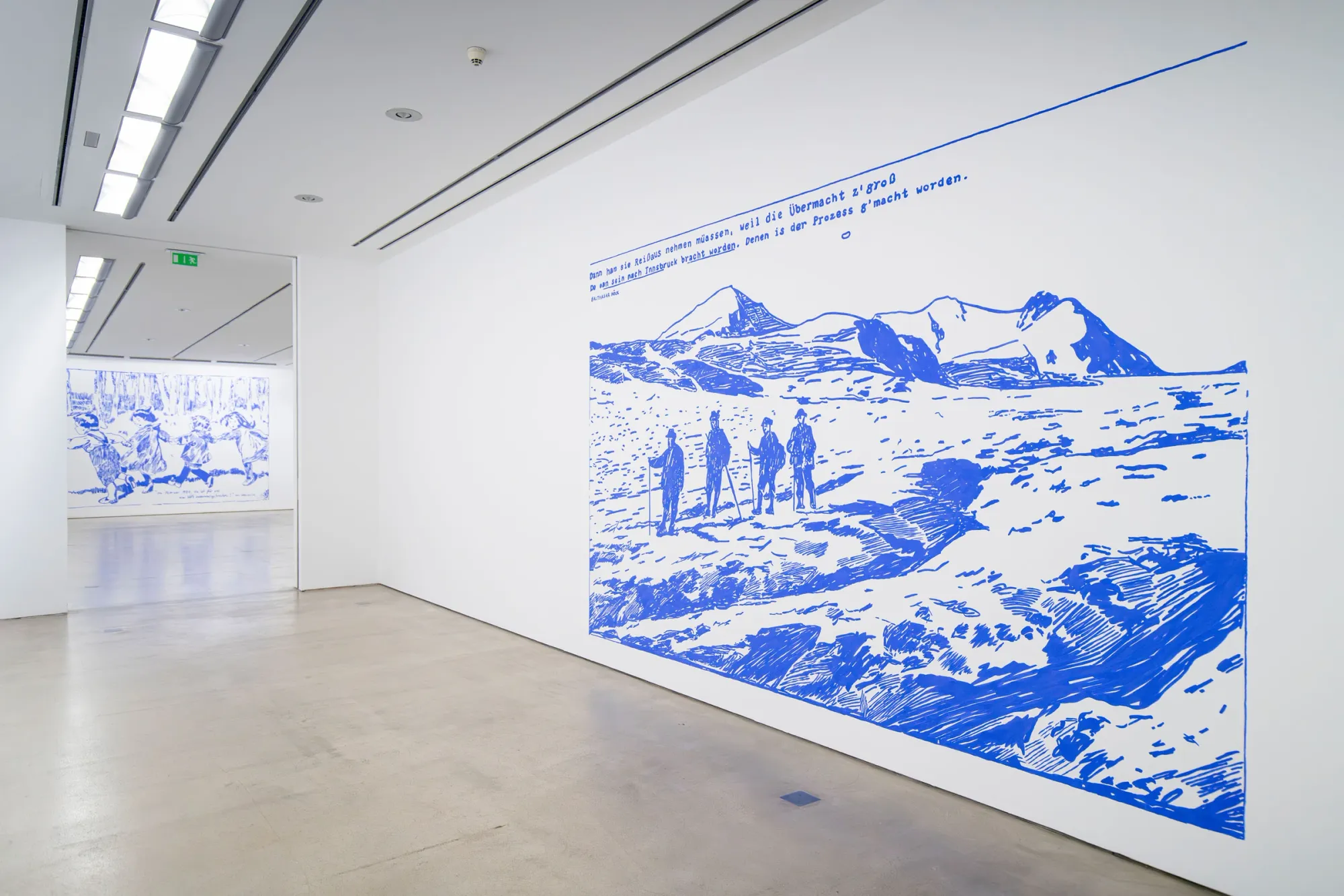
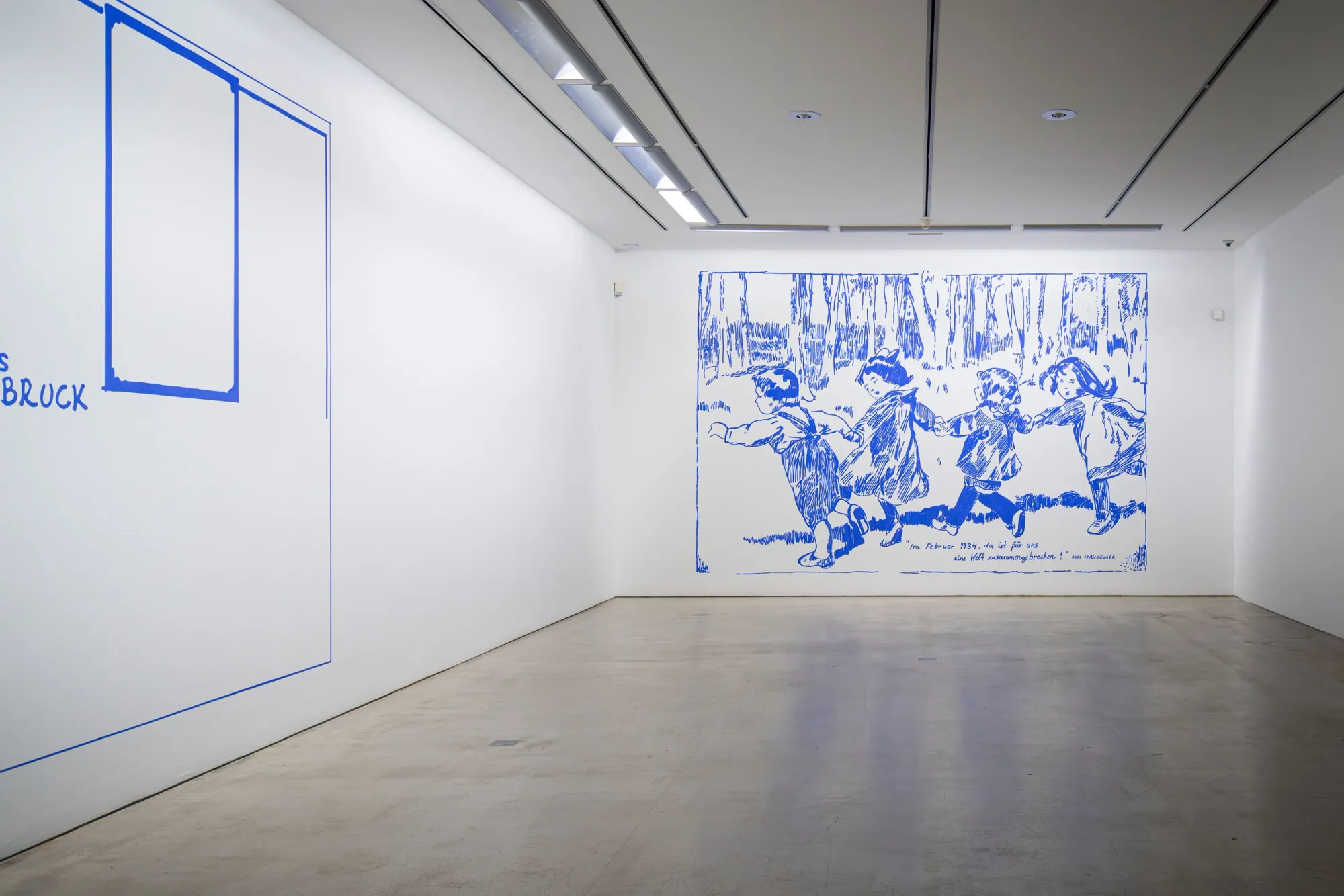
The monumental series Tirol 1934 takes over the light-flooded white galleries: large-scale murals applied directly to the walls in electric blue, derived from historical Tyrolean postcards.
Daha traces each image line for line, a hiking figure, mountain peaks, a greeting in script, using acrylic in what she describes as "blueprint"-painting. The precision of the copy is exact; what changes is the context it is now held in.
Texts added to the murals note the testimony of contemporary witnesses to Austrofascism in Tyrol, from the same decade as the postcards. The blue holds the cheerful source image and its undercurrent without collapsing either into the other.
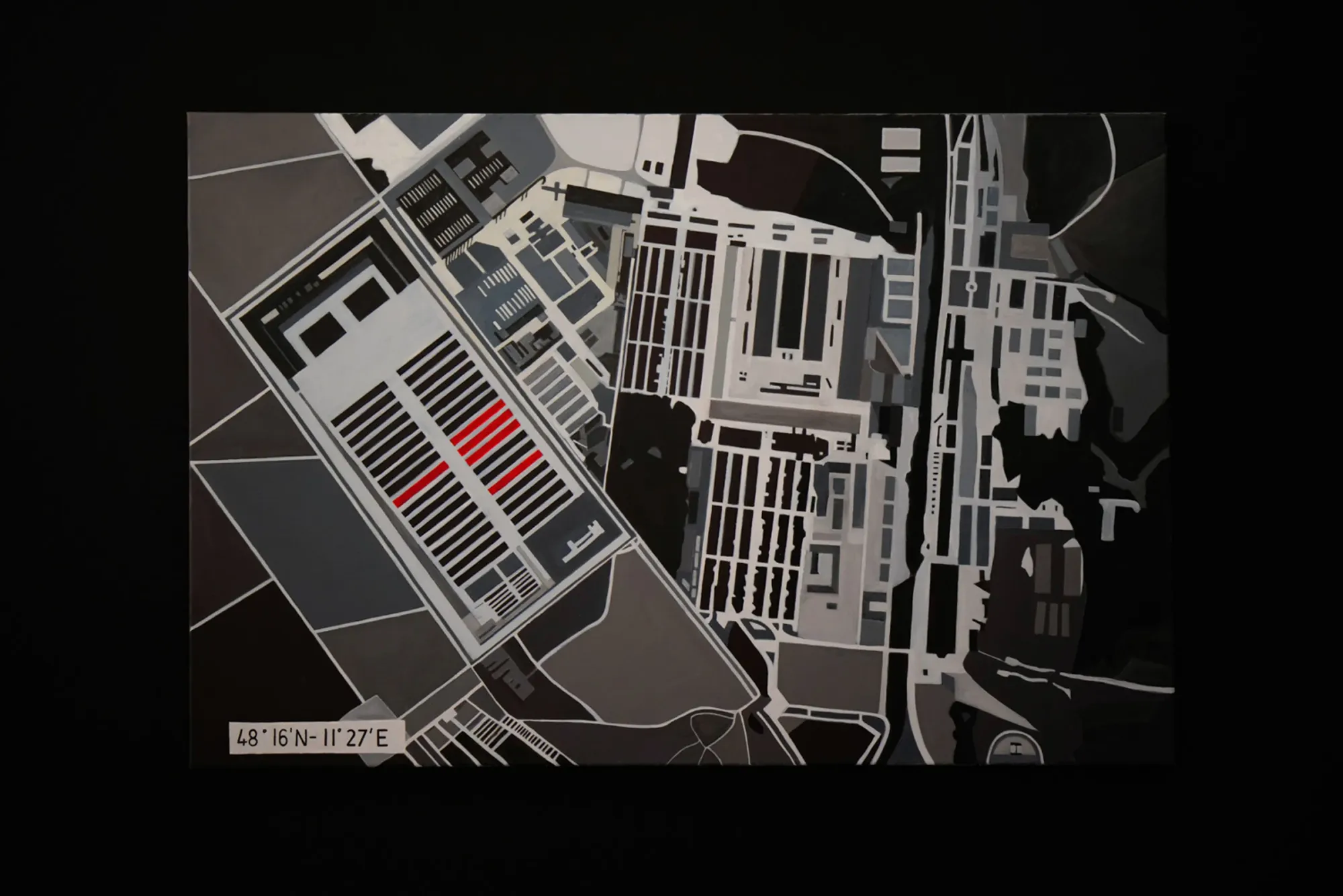
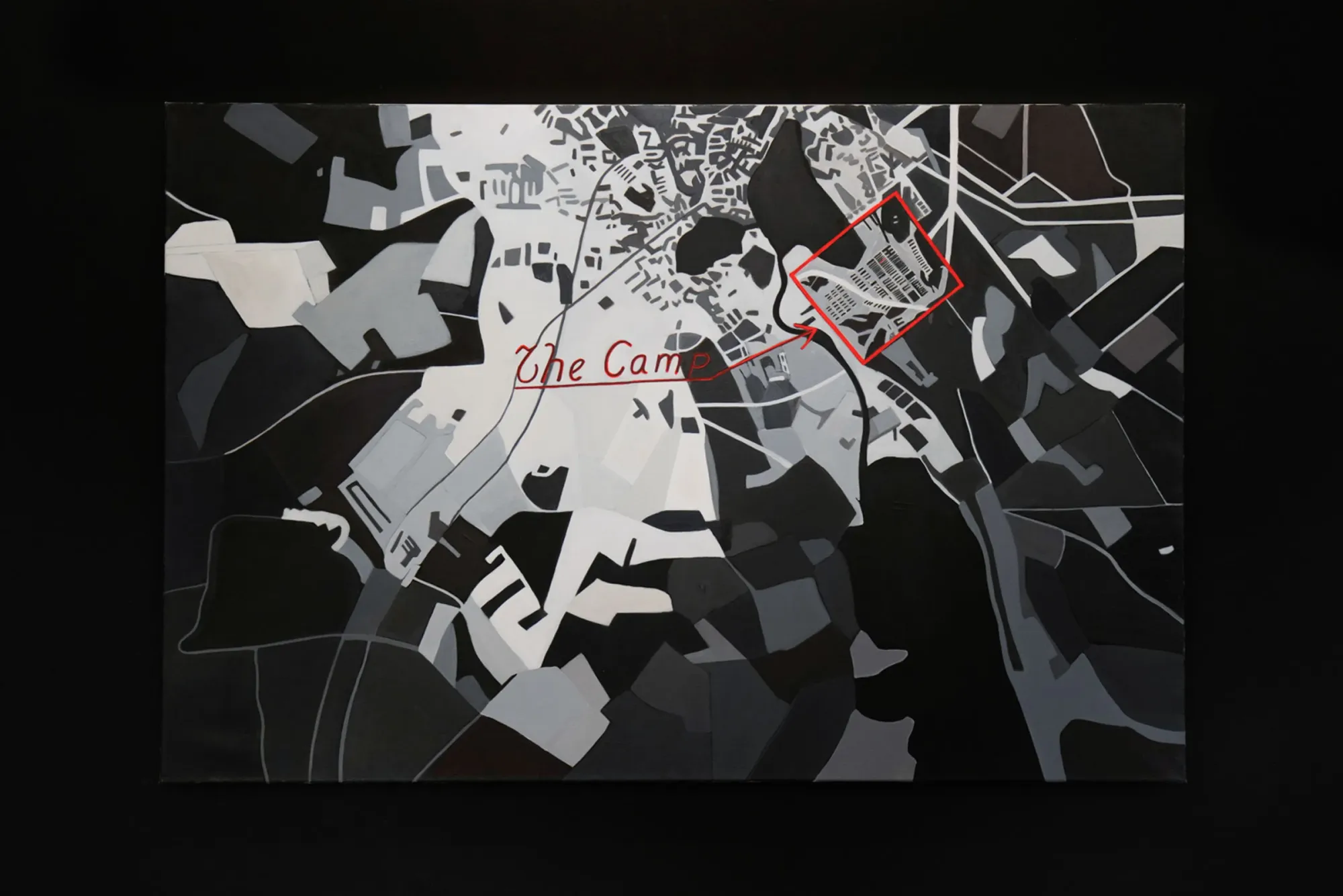
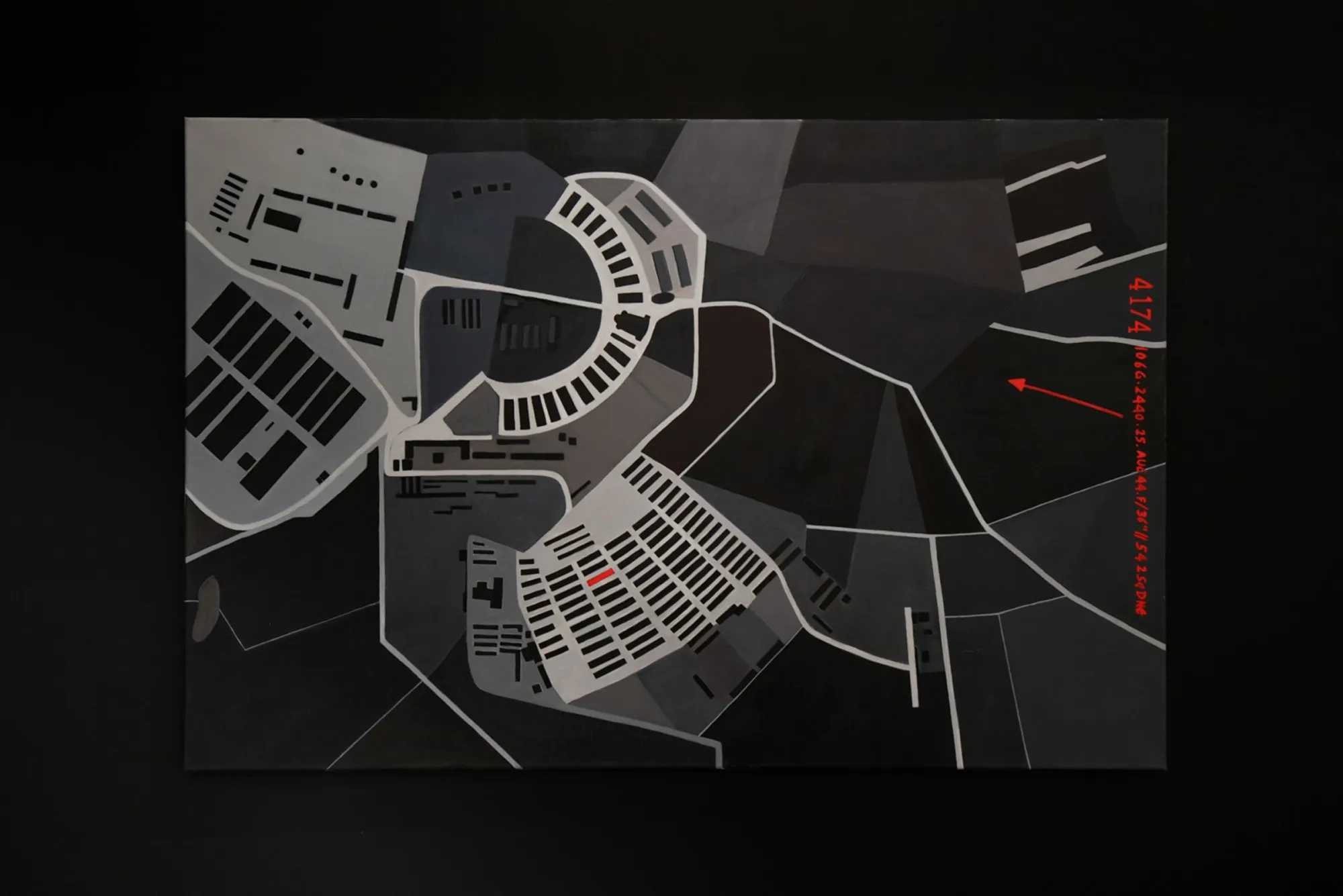
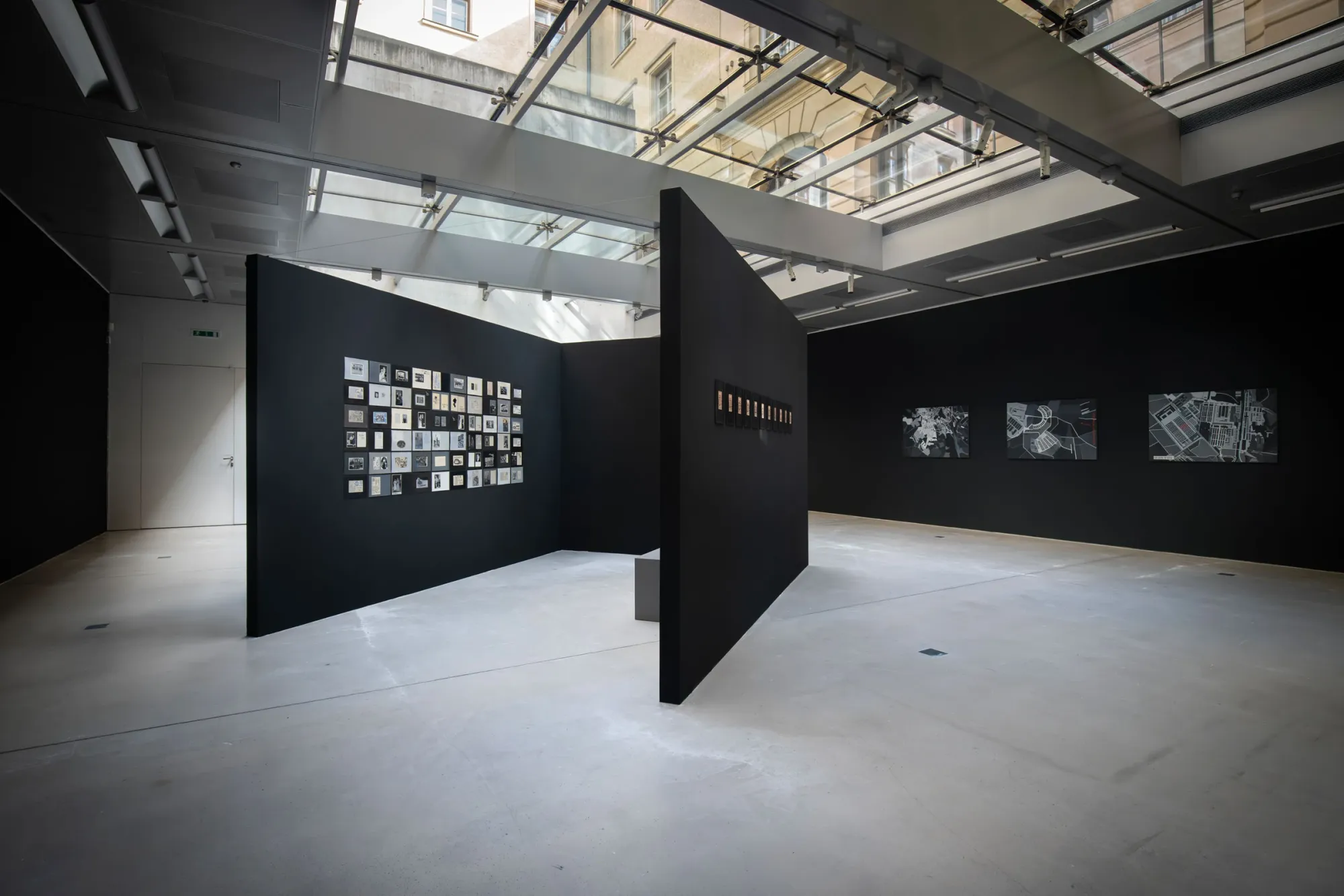
The inner galleries hold a different atmosphere. Paintings of the Concentration Camps (2017), three large canvases presenting aerial views of camp layouts in acrylic, reads as architectural cartography before it resolves into something more specific: geometries painted in muted greys, coordinates stamped in the lower corner. The same careful hand, the same refusal to dramatize.
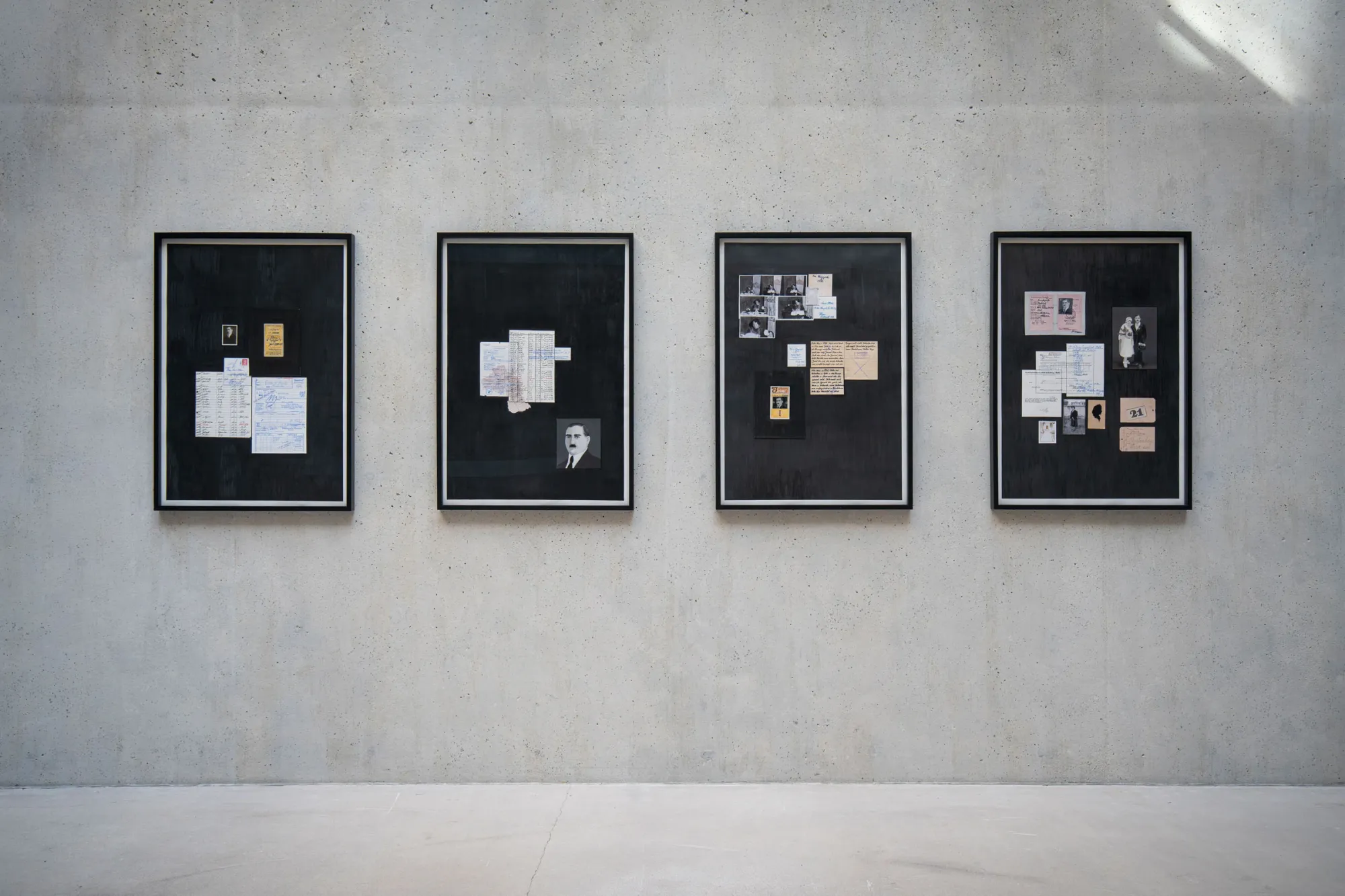
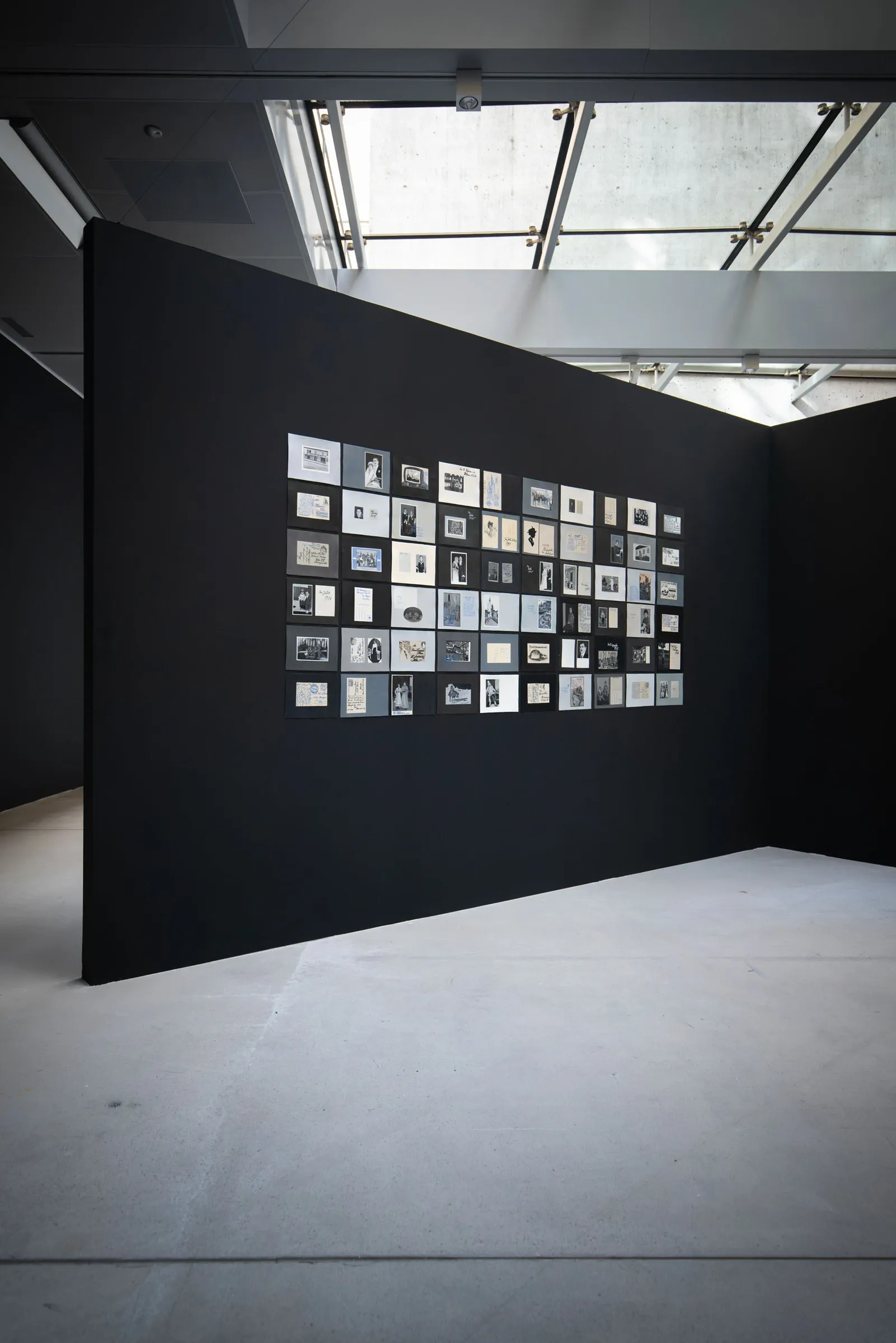
Nearby, the Sigmund Klein 1942 series gathers archival fragments across dark-painted grounds: photographs, identity documents, forms, a portrait. These concern Sigmund Klein, Daha's step-grandfather's father, murdered in a concentration camp in 1942.
The materials are reproduced rather than presented as originals; they are held in spatial relationship to each other on a black support, each one redrawn.
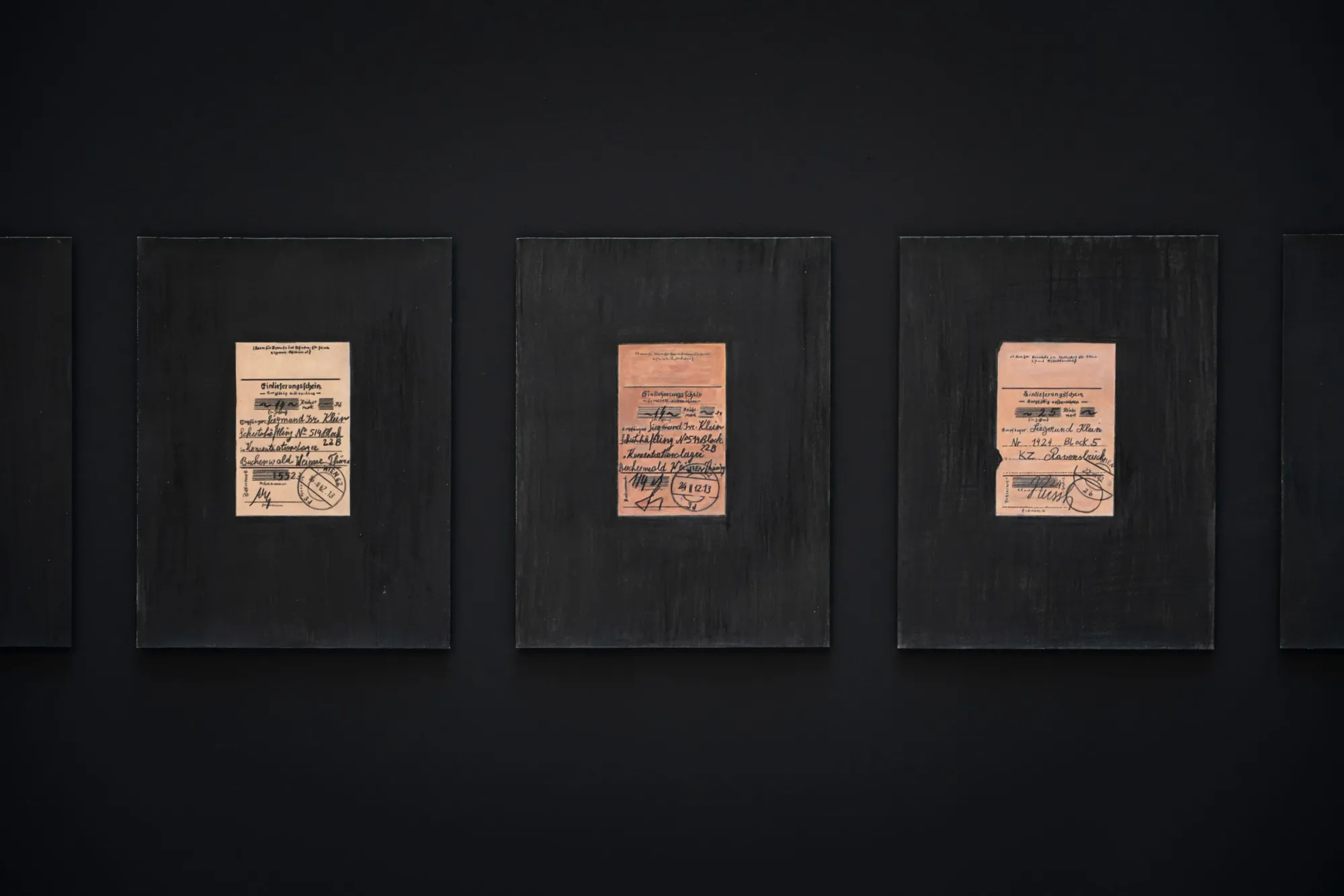
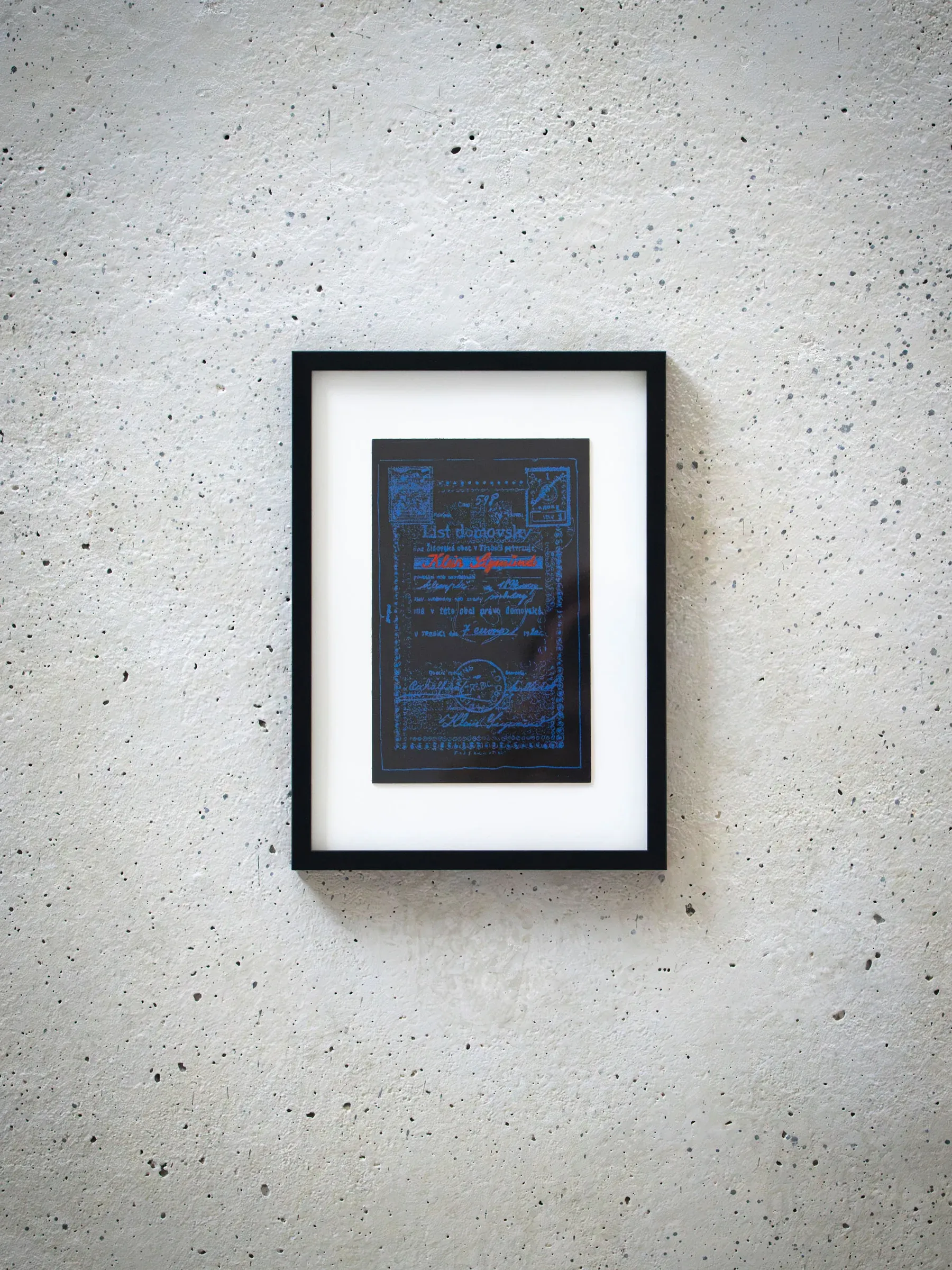
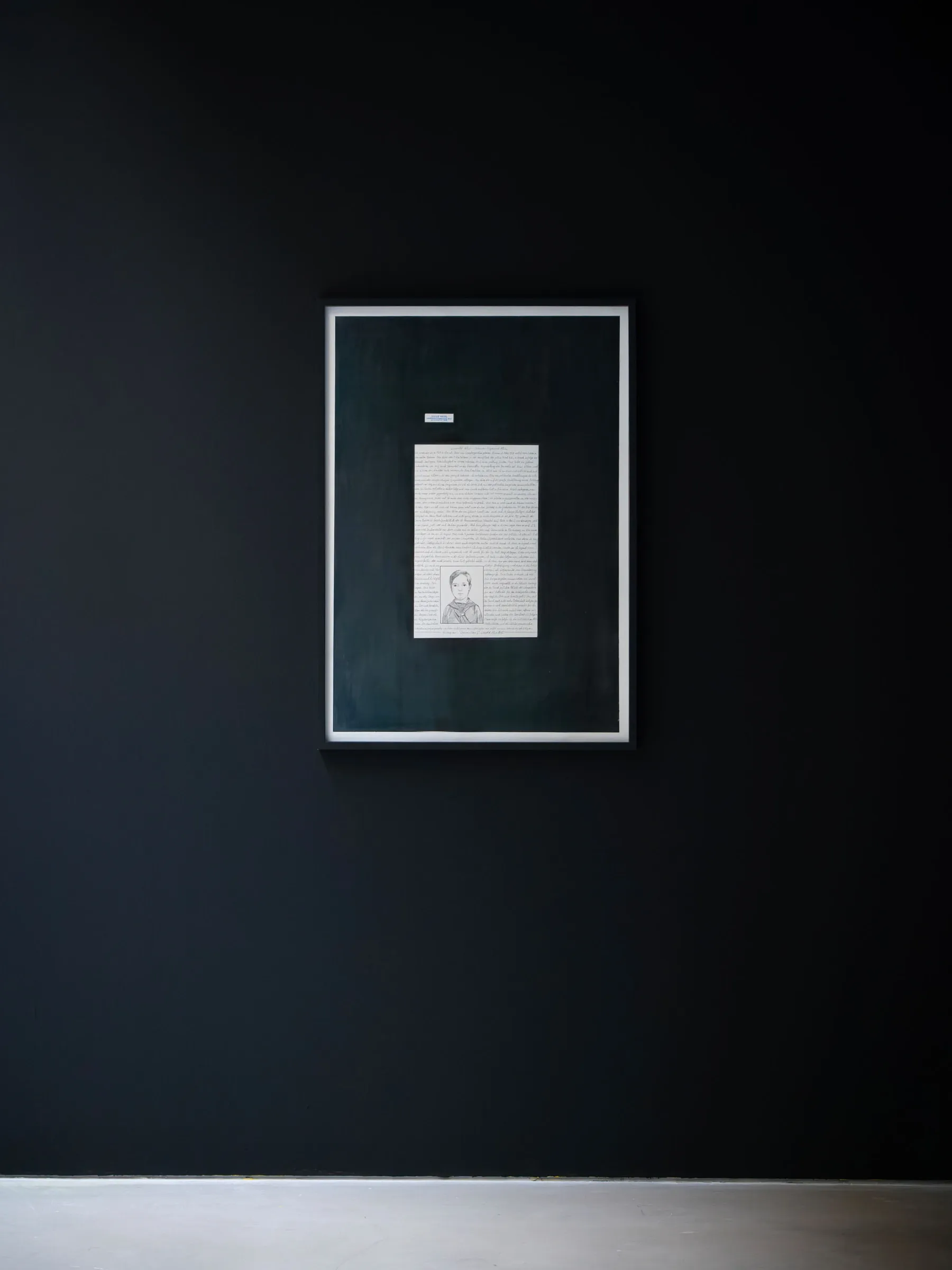
Ramesch Daha (left), Sigmund Klein: Birth Certificate, 2019 Blueprint and acrylic on paper Exhibition view, TAXISPALAIS Kunsthalle Tirol, Innsbruck Photo: Vincent Entekhabi - Ramesch Daha (right) Sigmund Klein 1942 #05, 2019 Mixed media on paper, 100 x 70 cm Courtesy the artist Exhibition view, TAXISPALAIS Kunsthalle Tirol, 2026 Photo: Vincent Entekhabi
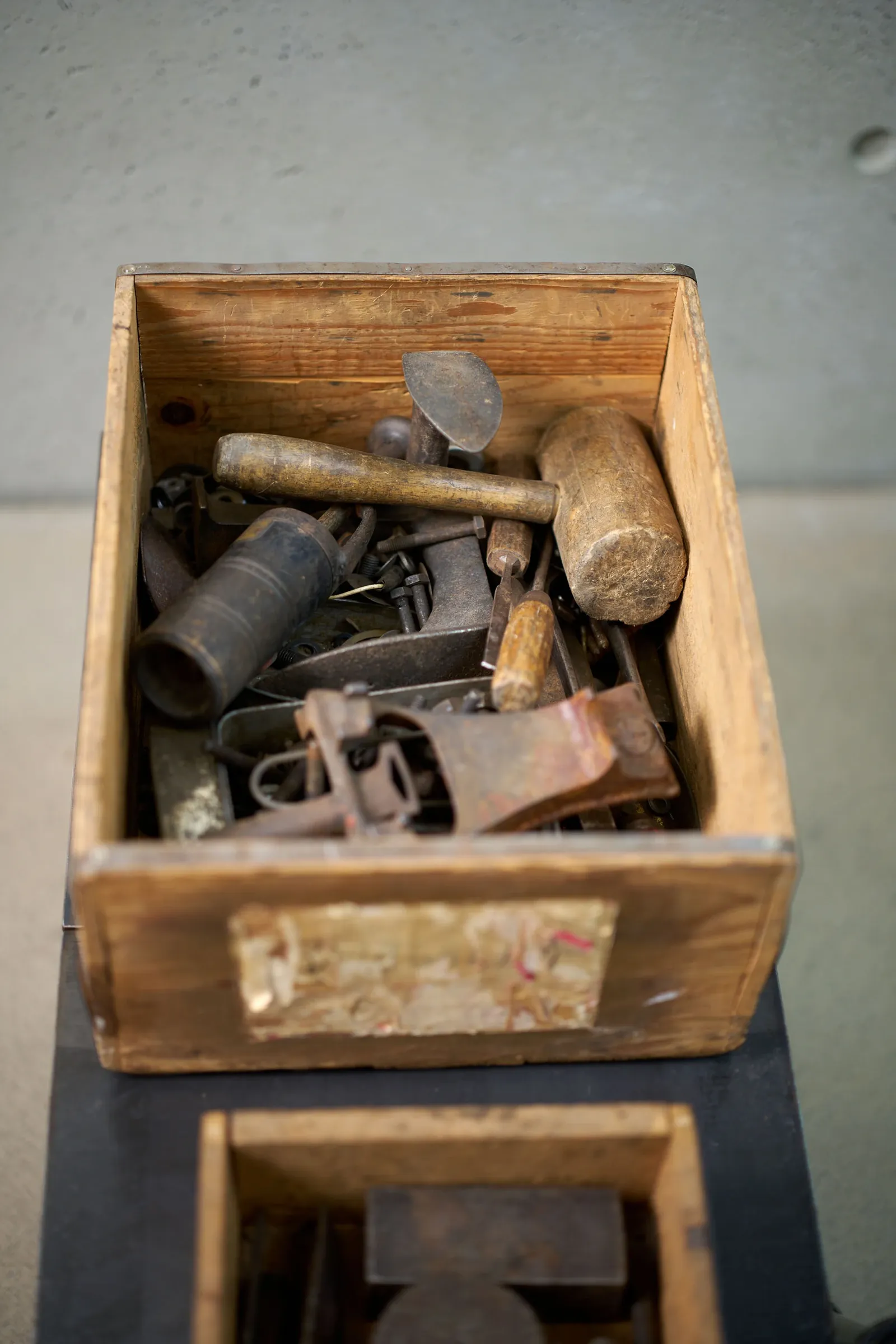
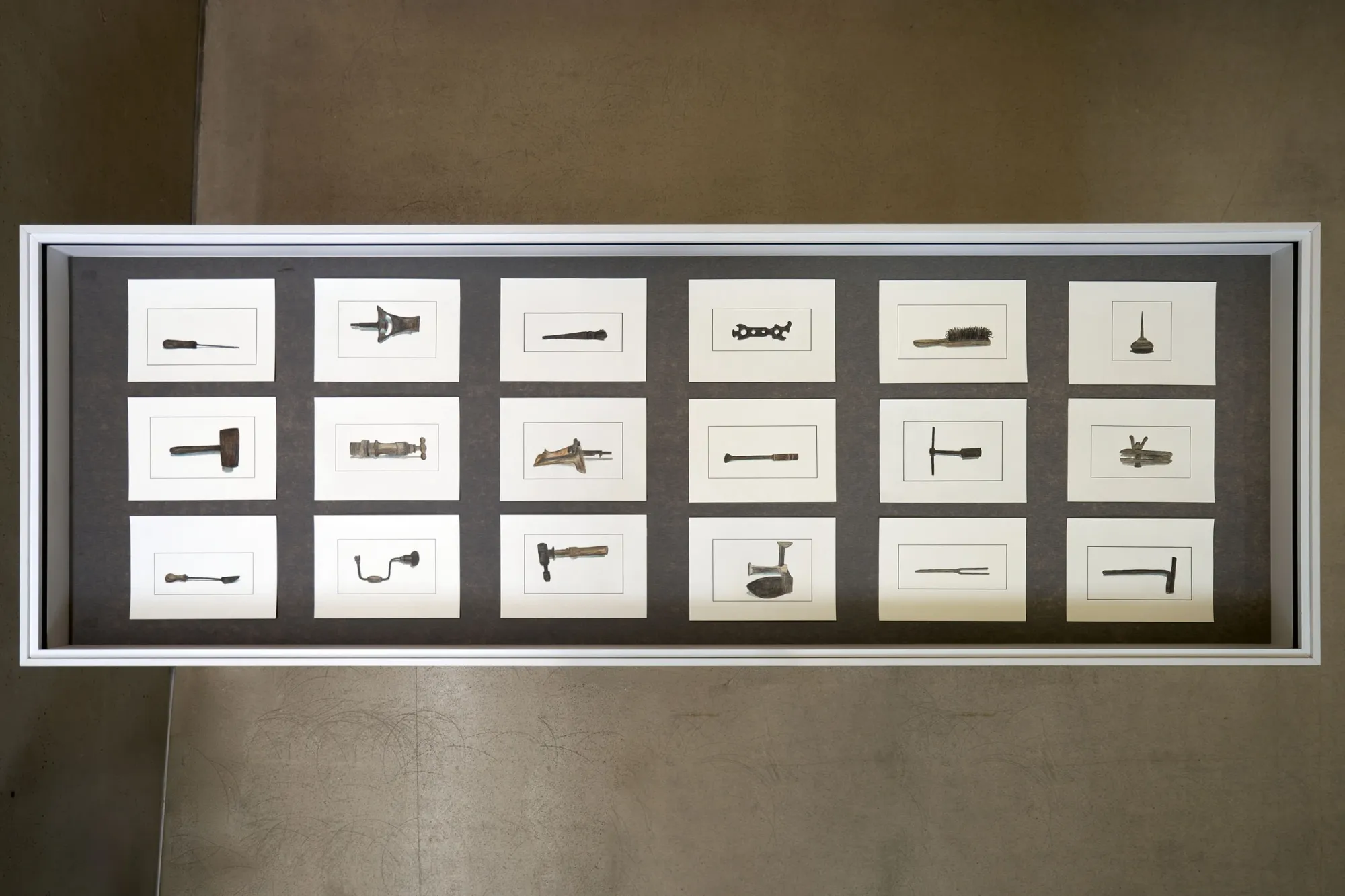
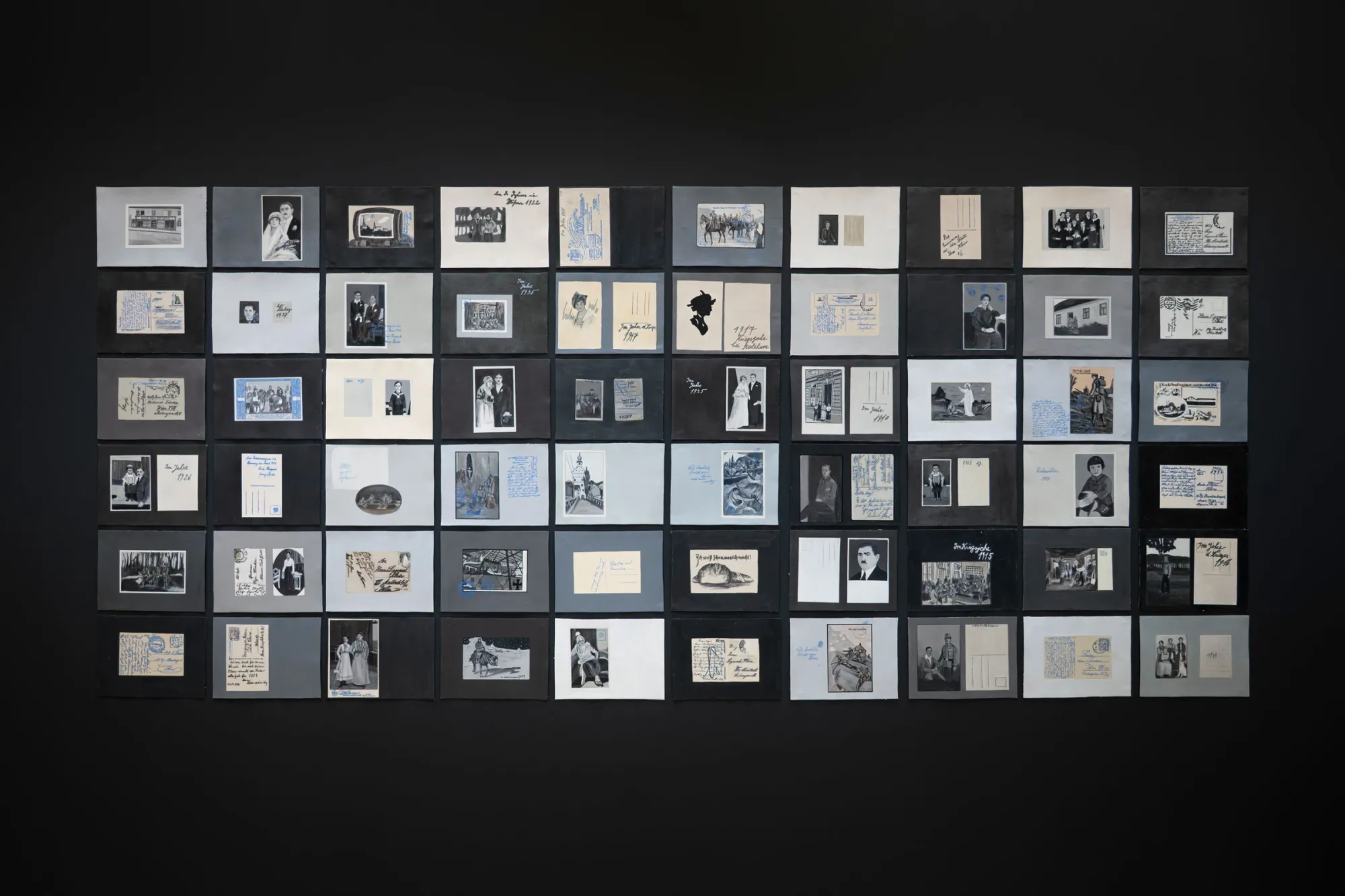
The sixty small acrylic paintings of Paintings from the Archive (2019), arranged in a dense grid on the black interior wall, carry the accumulative logic of this practice to its clearest expression: a field of individually painted archive items, each one re-made, that reads as neither memorial nor catalog.
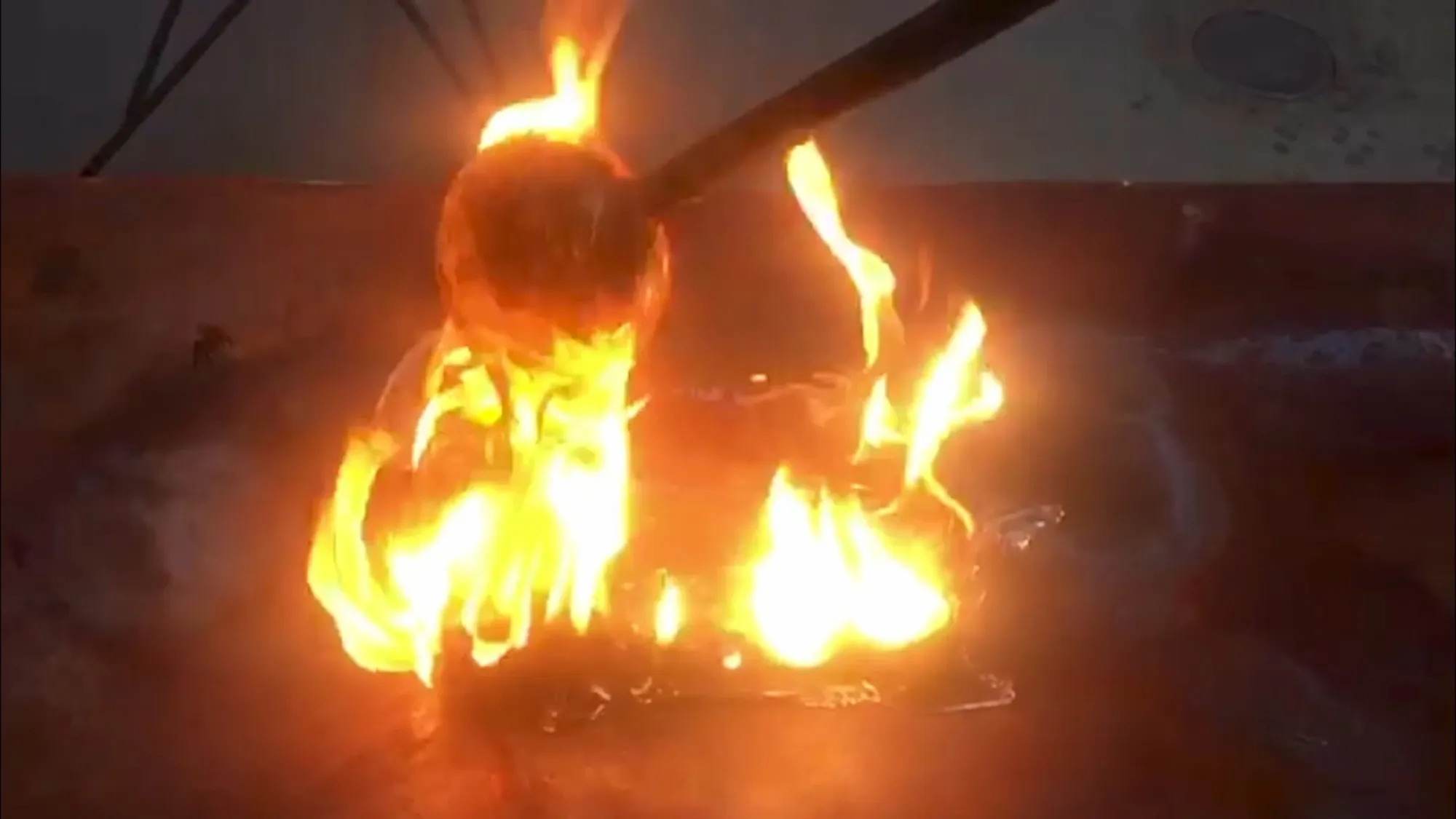
The Video 1933 man sagt nichts (HD, 2:56 min) completes the exhibition's timeline, holding the year before Austrofascism was formalized as a fact that could, at the time, still be not spoken of.
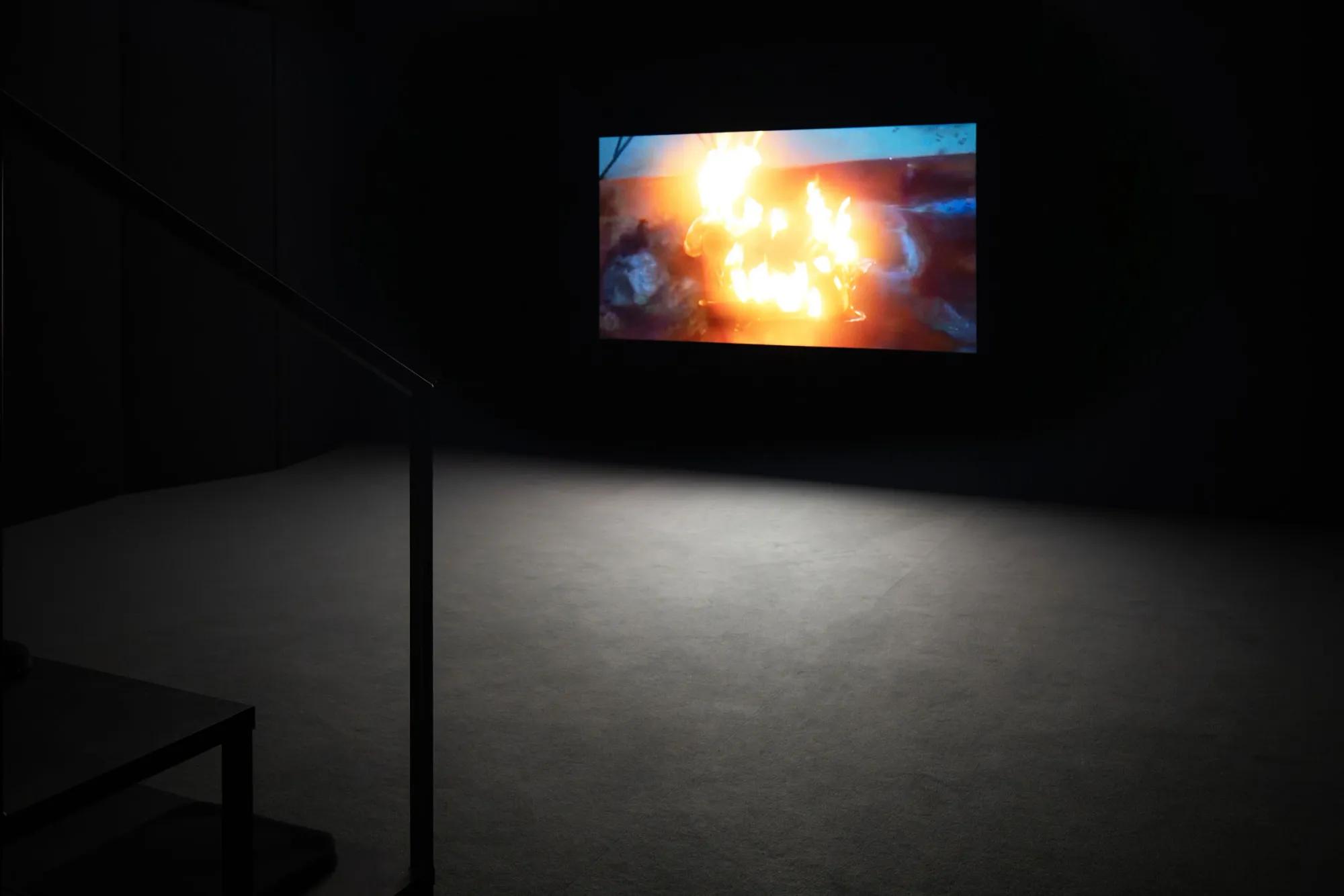
Austria, in 2026, presents Daha's work to an institution embedded in the history the exhibition addresses. The TAXISPALAIS was a post office; postcards shaped what Austria sent as its self-image; Austrofascism is documented history but not uniformly processed memory.
Daha's method, copying rather than interpreting, reproducing without claiming ownership of what she finds in public and private archives, holds these timelines in a single frame. She insists that remembering is a phenomenon that occurs in the now. The viewer is left to decide whether the now is ready for that.
What her hand produces is not resolution. It is evidence that the act of copying was necessary in the first place.
Instagram of Ramesh Daha
TAXISPALAIS Kunsthalle Tirol on Instagram
About Catapult
This is an artist interview published by Catapult — an independent editorial platform for contemporary art, based in Vienna. We publish exhibition reviews, artist features, interviews, and critical context, with a focus on emerging and mid-career practices from Europe and beyond.
catapult.art
Want to be featured? Submit your work →