Being visible feels like playing a game I never really wanted to join by Eri Maeda
Eri Maeda on clay, algorithms, and not simplifying her story for the scroll
Eri Maeda works in clay the way some people write diaries, slowly, privately, one shape at a time.
When care turns sharp, Maeda’s ceramic beauty tools stop obeying. They bite back with humor, vulnerability, and a quiet kind of resistance
Born in Aichi and now based in Paris, she builds surreal stoneware objects that borrow the language of beauty tools, then twist it until something honest appears.
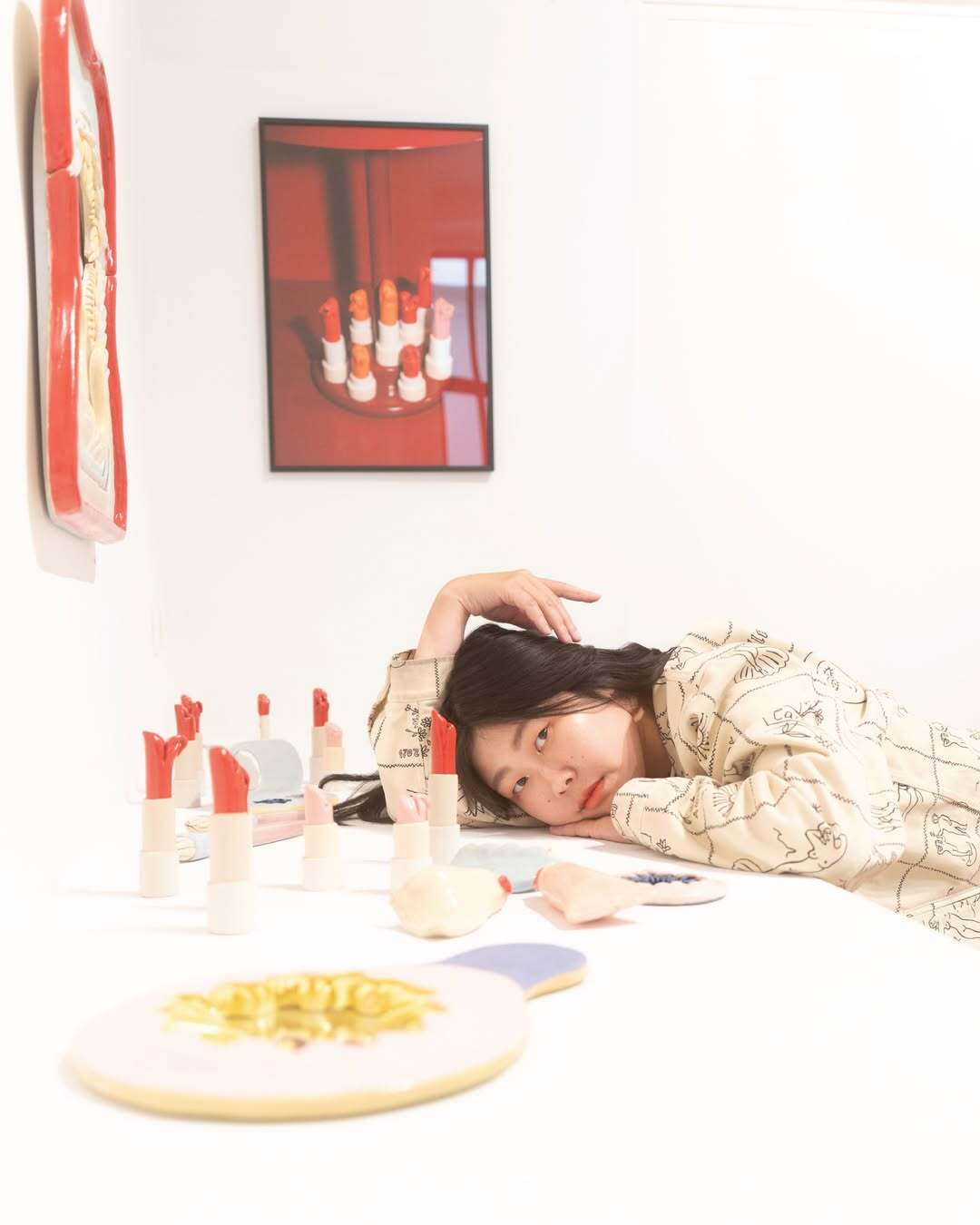
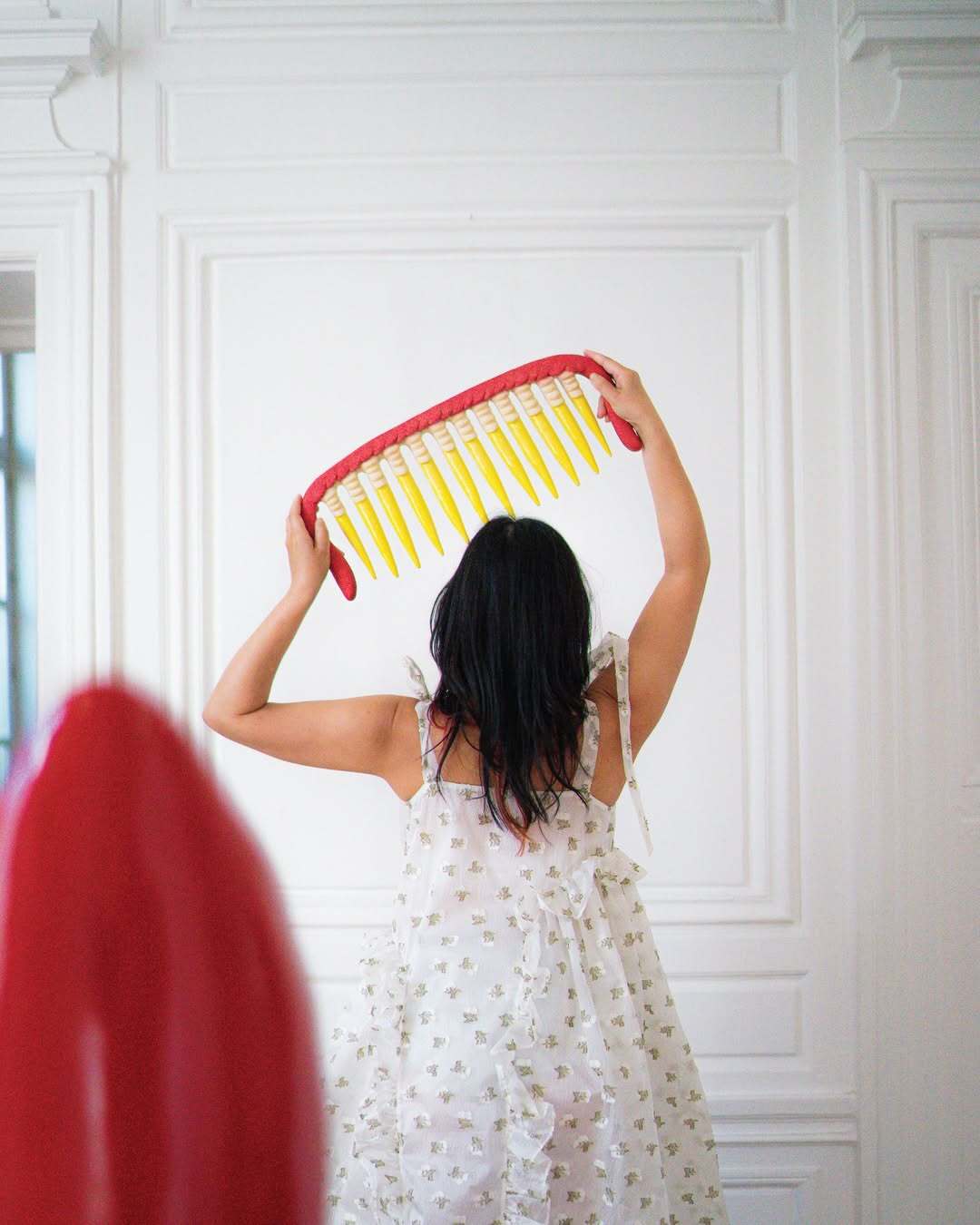
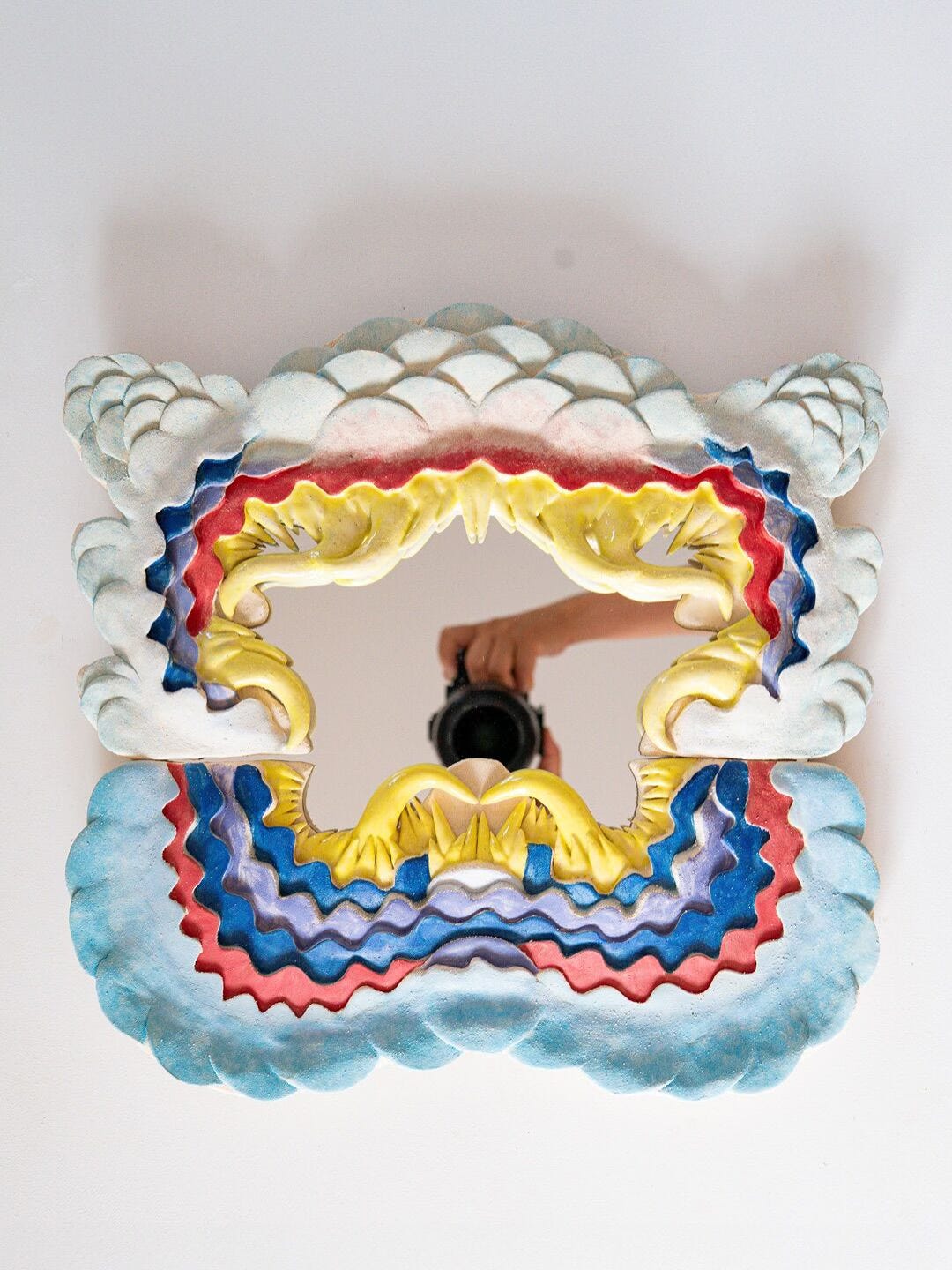
Lipsticks stretch into creatures, combs become tender threats, mirrors turn into portals that look back at you. Her sculptures sit between charm and discomfort, asking what we carry in our bodies and why we refuse to name it.
This edition of Catapult - Artist & Media looks at her newest series, where the familiar surfaces of daily grooming become small stages for vulnerability, shame, and quiet humor.
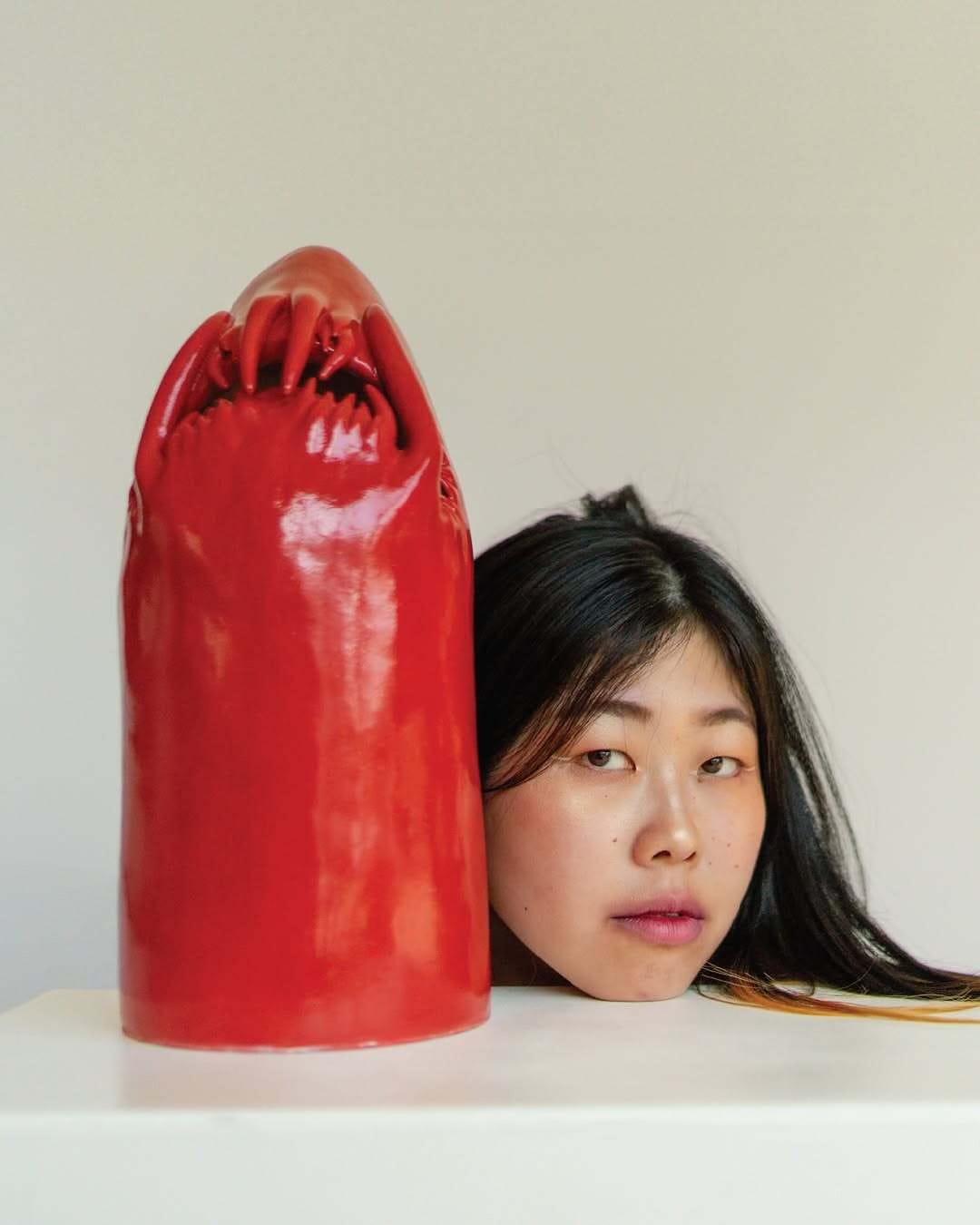
The pieces feel playful at first glance, then heavier the longer you stay with them. They echo the pressure of appearance, the intimacy of self maintenance, and the stories we hide behind soft colors and perfect glaze.
But how does she handle being seen online?
Where slow ceramic rituals meet the restless logic of online visibility:
1. What does “being visible” mean to you as an artist today?
Do you see social media as a tool, a burden, a stage – or something else entirely?
Being visible feels like playing a game I never really wanted to join.
Instagram has become my portfolio. I’m not good at one of the most important skills for an artist: NETWORKING.
It drains me so much that I often need to rest the next day.
At openings, I just show my Instagram. The first few posts already tell the story of what I make.
It is a casual way of saying, “Here I am, please give me an opportunity.”
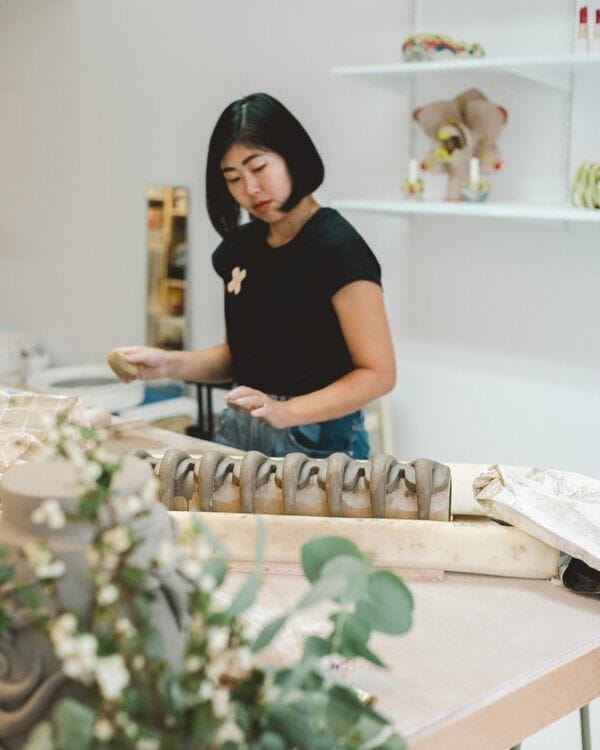
But being visible also means I am visible.
I often want to hide behind work.
My work and my story are inseparable, but attention to my sculptures always ends up being attention to me as well.
The clay becomes me; the ceramic creature is me.
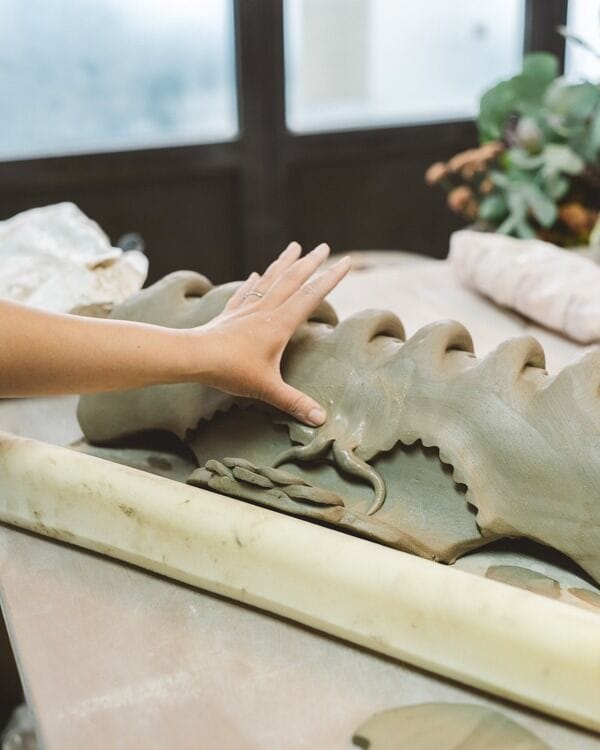
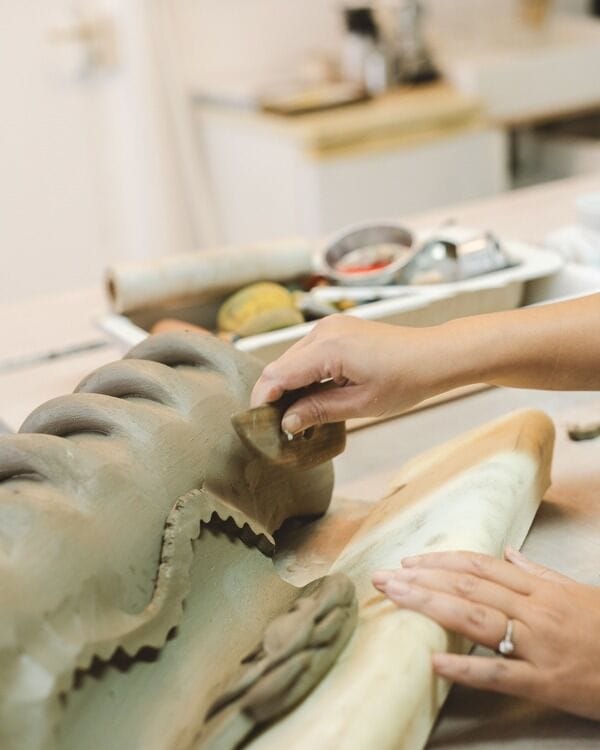
Eri Maeda shaping a new ceramic creature in her studio, working the clay by hand and carving its layered surface. Photo by @y_himama0918
I have so much to say about why I make what I make, from memories of childhood to cultural tensions and social issues, but social media pushes me to simplify, shorten, and perform.
People rarely read, reels are rewarded, and posts with my face, especially if I show more skin, do better than images of the work alone.
The rules keep changing, but I keep playing, and I am so tired.
To navigate this, I diversify how I communicate. Instagram acts as my portfolio, showing my work in a casual, approachable way.
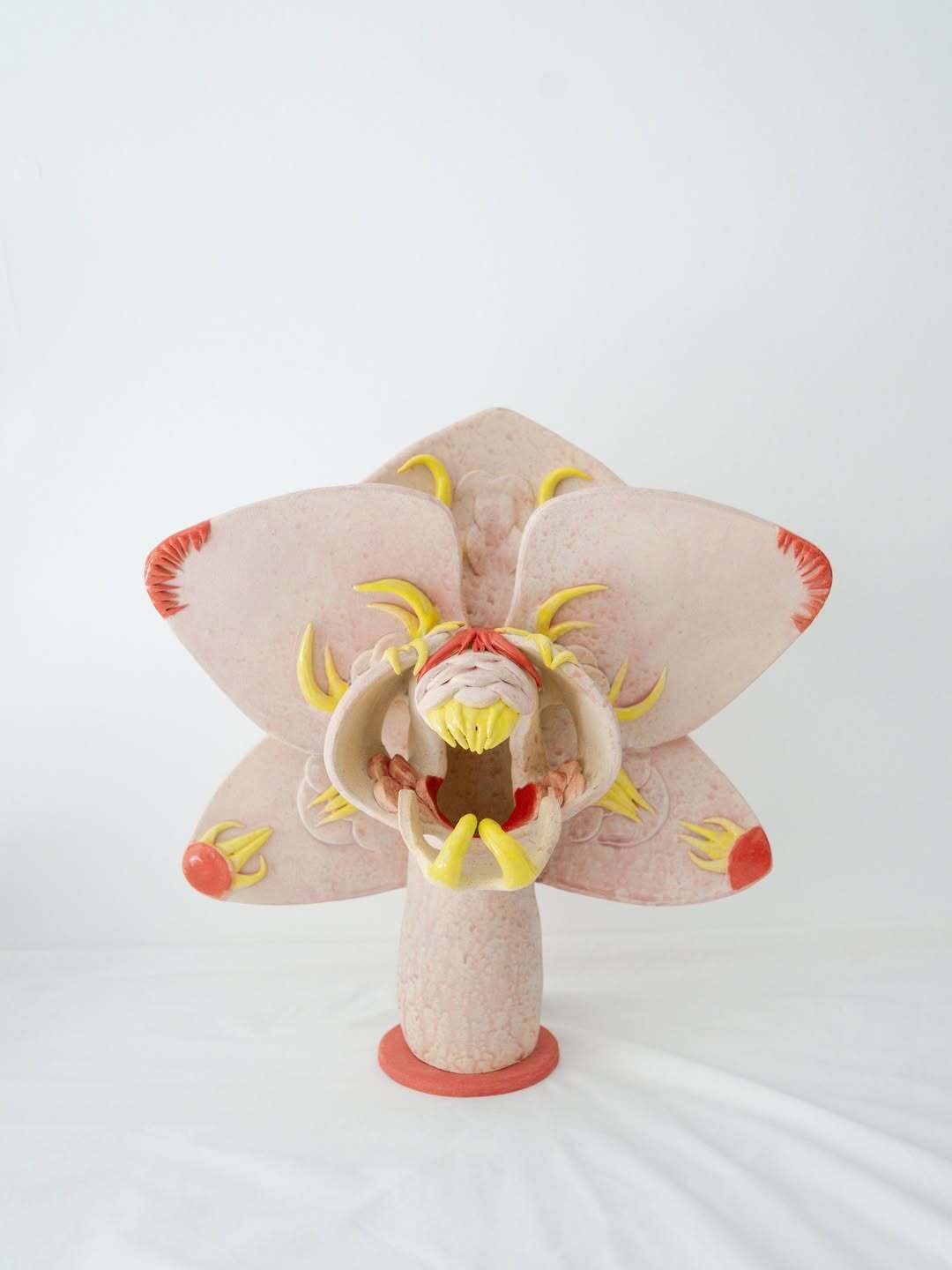
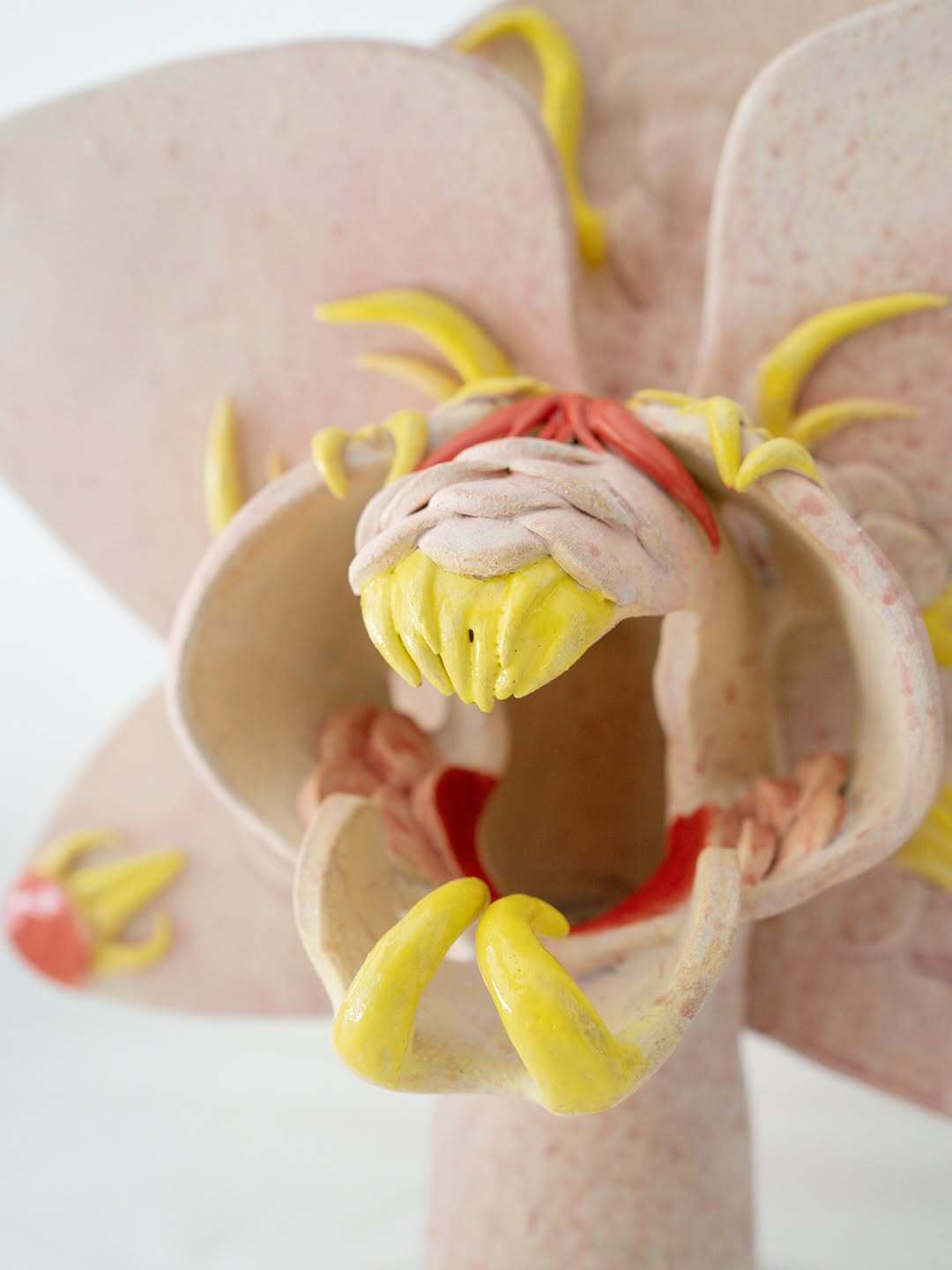
Eri Maeda, Orchid Monster, 2025. Ceramic. A hand built sculptural creature with petal like forms and sharp yellow details, part of the artist’s ongoing series exploring beauty, tension, and emotional disguise. Image courtesy of the artist.
On Threads, I share my life as a Japanese artist in Paris.
On Substack, I write deeper reflections, telling my story and explaining why I make what I make.
 Eri Maeda
Eri Maeda - Substack
Each platform lets me show different layers of my work and myself without forcing everything into one format.
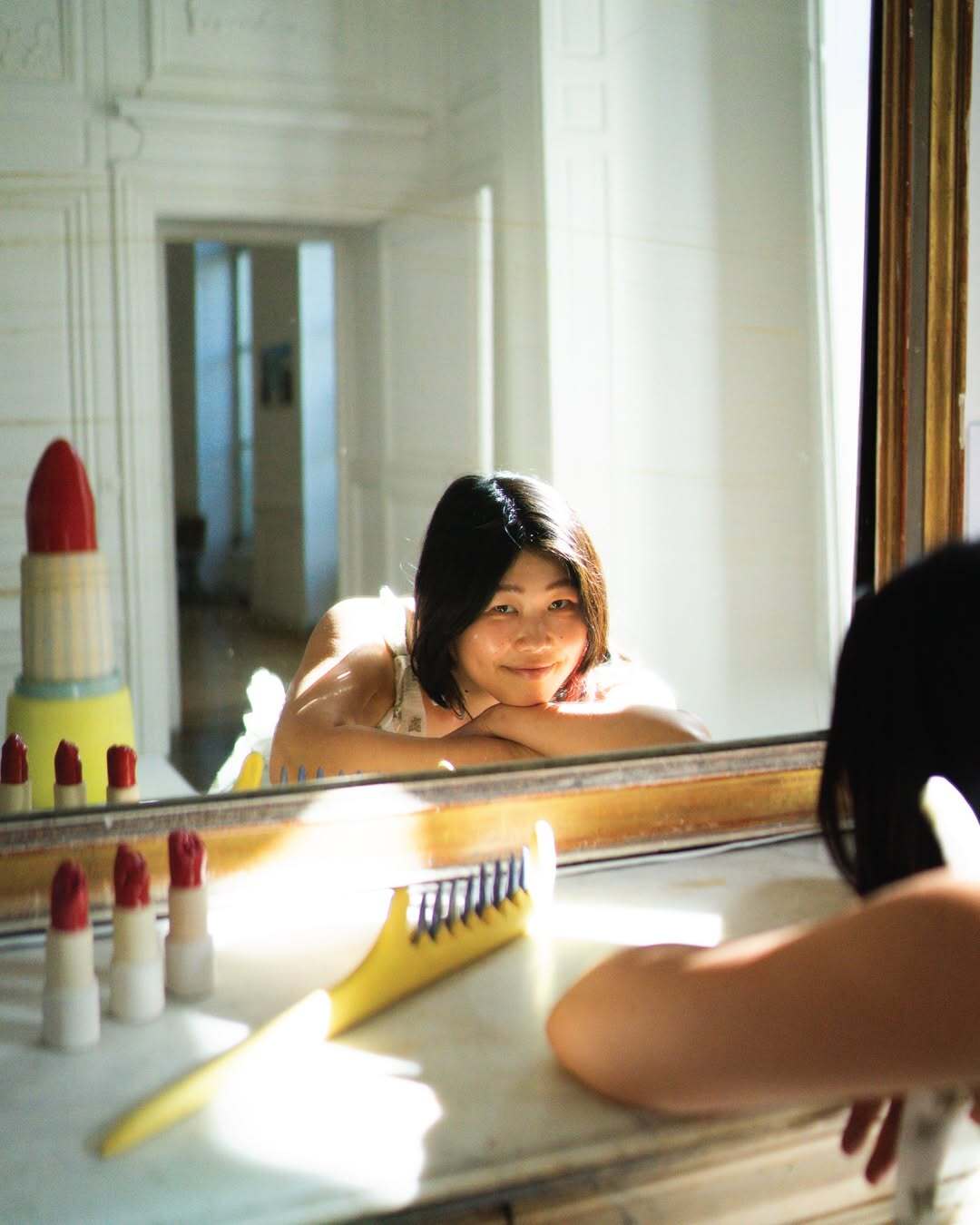
But still. Being visible still feels like playing a game I never really wanted to join.
2. How do you balance the slow rhythm of your ceramic practice with the “always on” logic of media?
When I am working with clay, my hands are covered in it, and I cannot really touch my phone. It is hard to film myself or do live sessions because I need to focus fully on the work.
This constant expectation to be online and visible makes me feel anxious and restless.
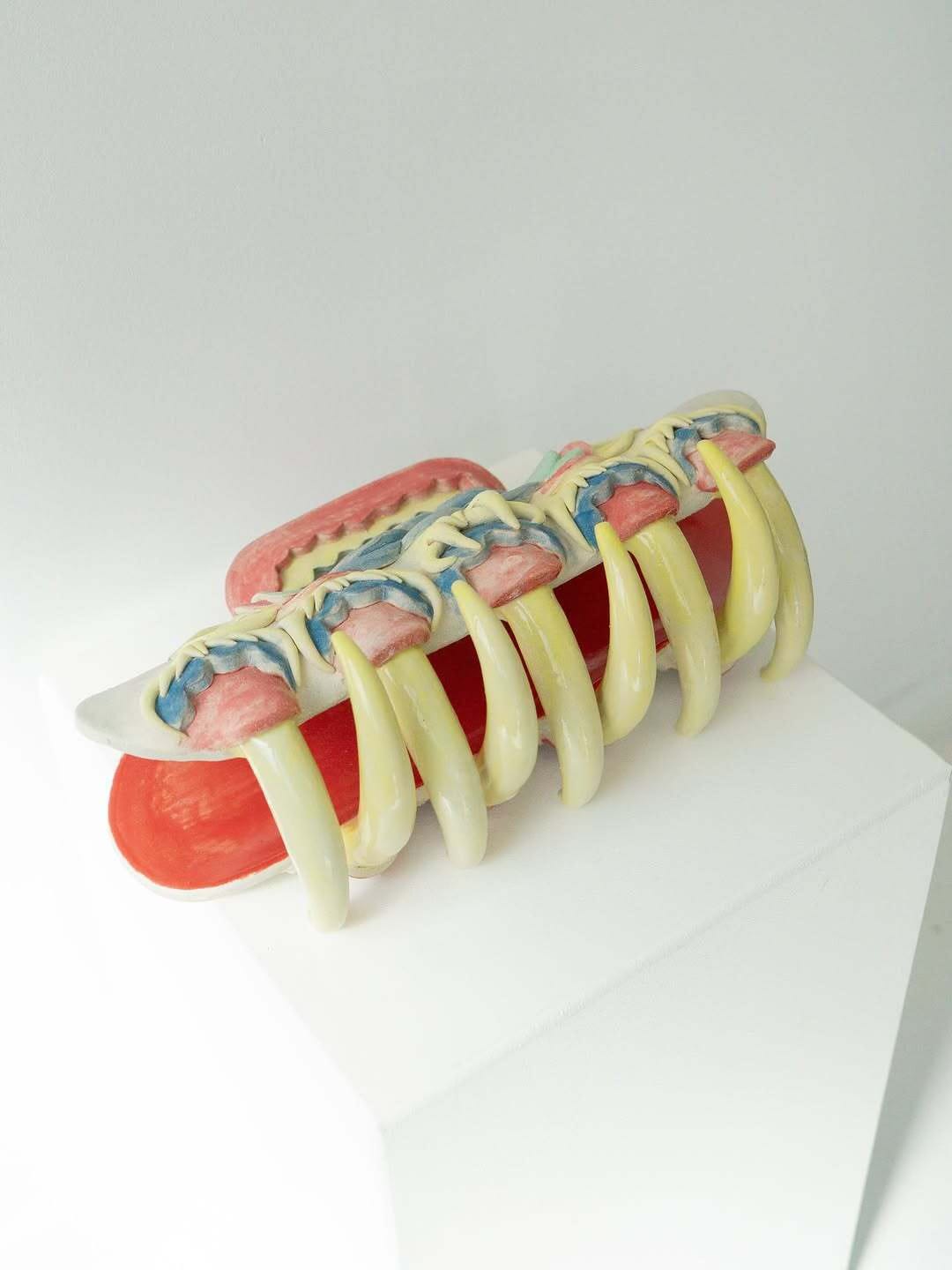
Ceramics is a slow medium. A piece can take two months to complete. Social media, however, expects instant results, which I cannot provide.
While I am making work, the fast pace of social media makes me feel like I am not doing anything at all, simply because I am not posting new pieces every day.
3. If your online presence disappeared tomorrow would your work survive the same way?
I love this question!
If my online presence disappeared tomorrow, my work would still exist, but I would need to plan my seasons carefully, dedicating time to creating, connecting, and showing. During the creation season, I use all my energy to make work. During the connecting season, I focus entirely on networking.
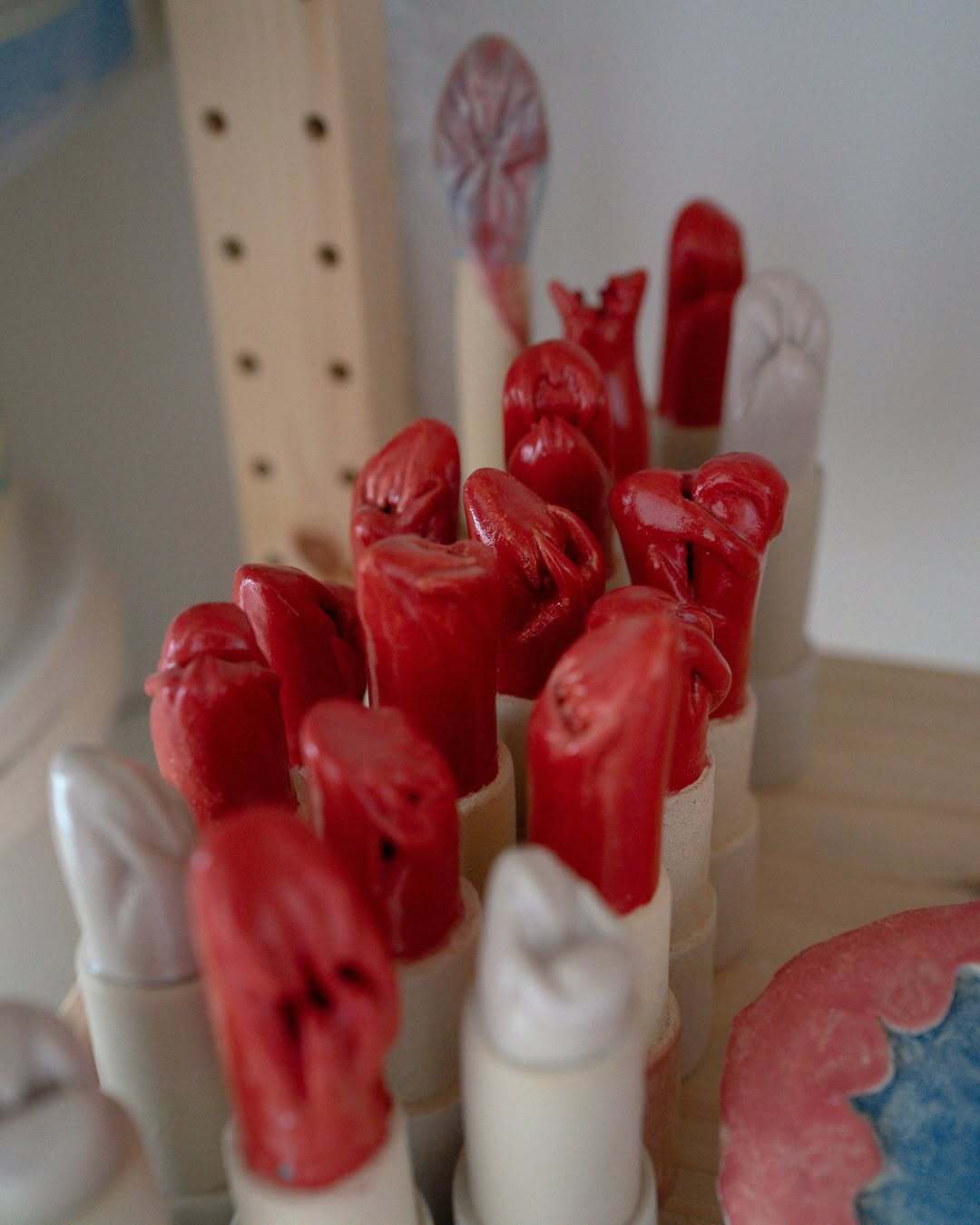
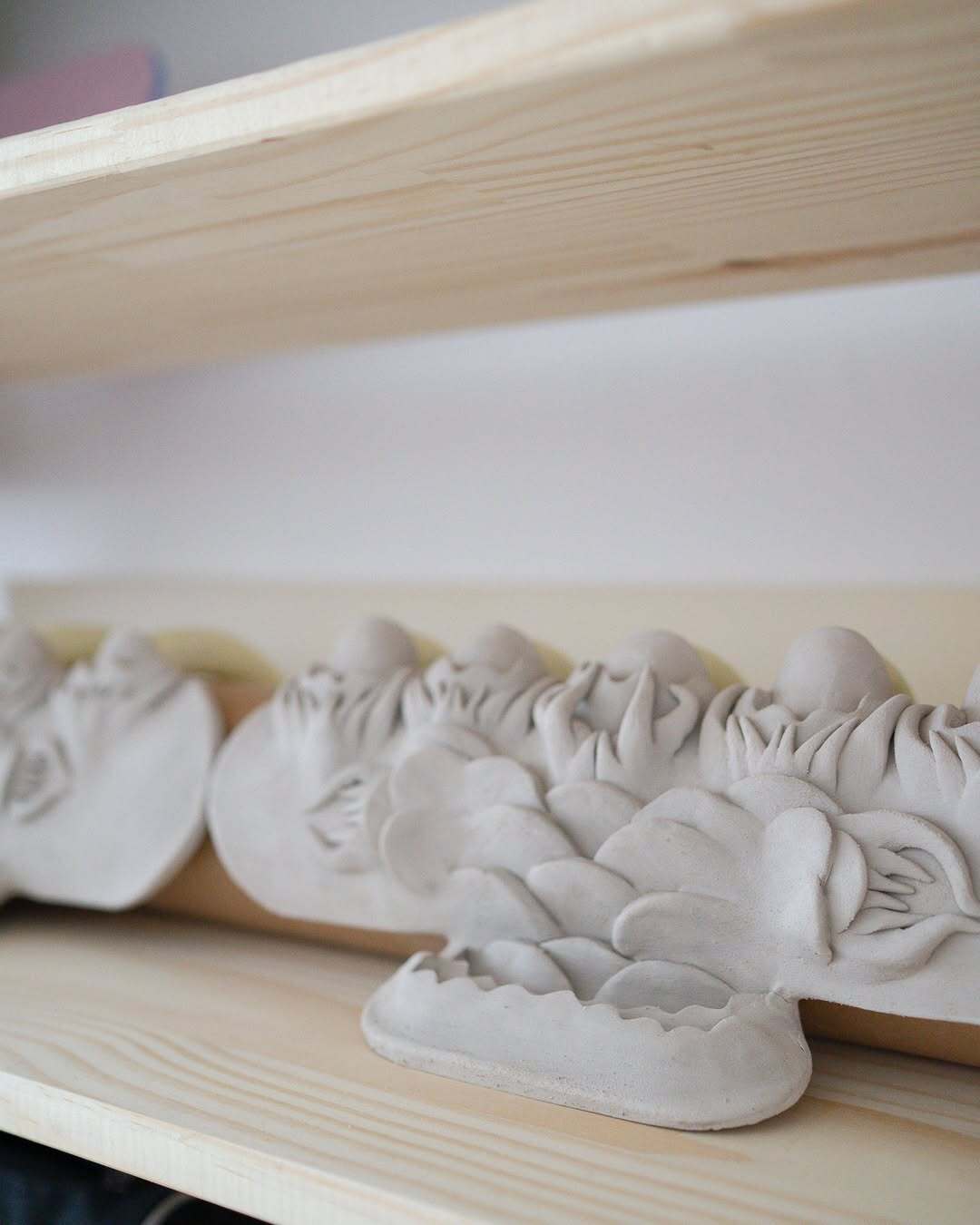
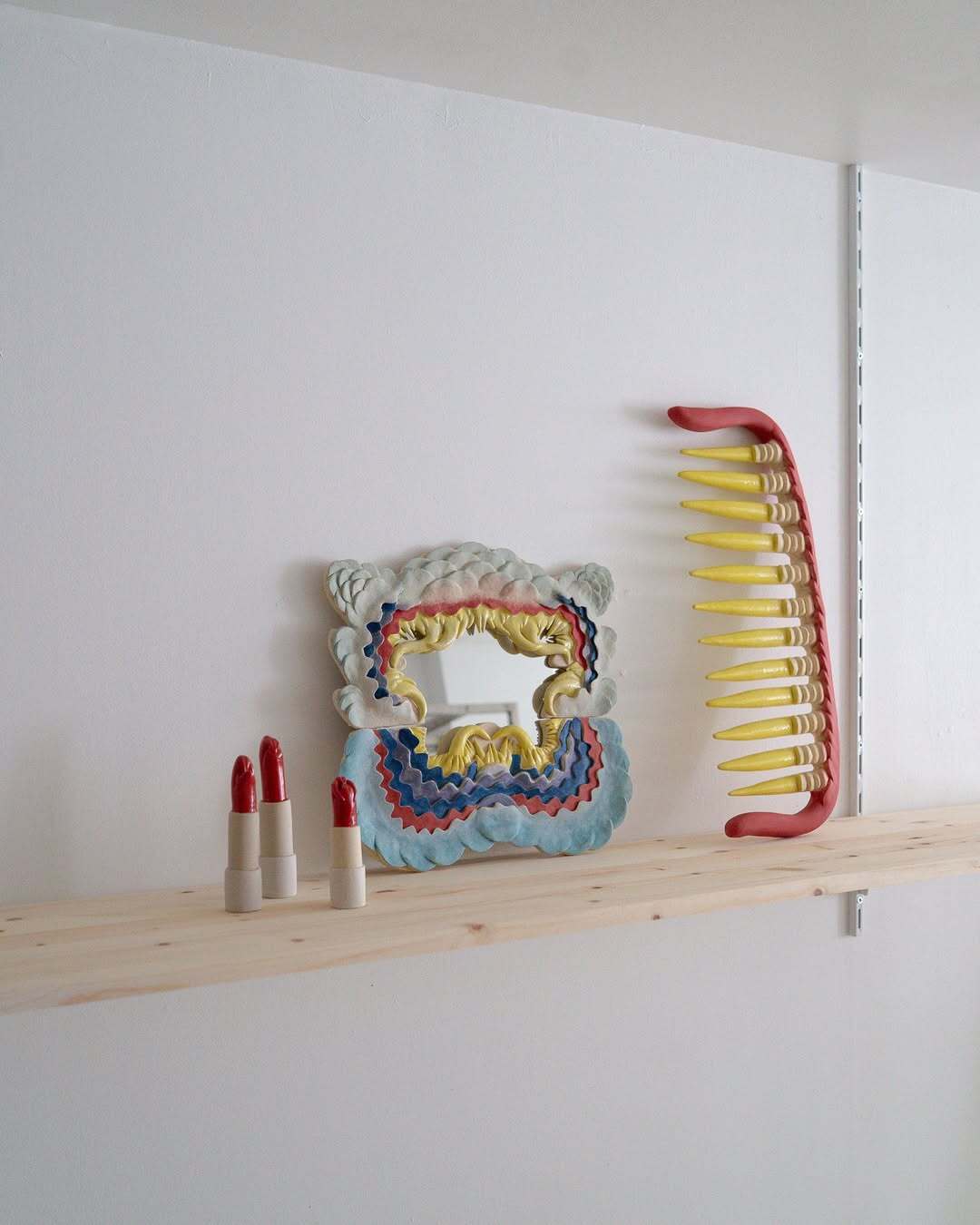
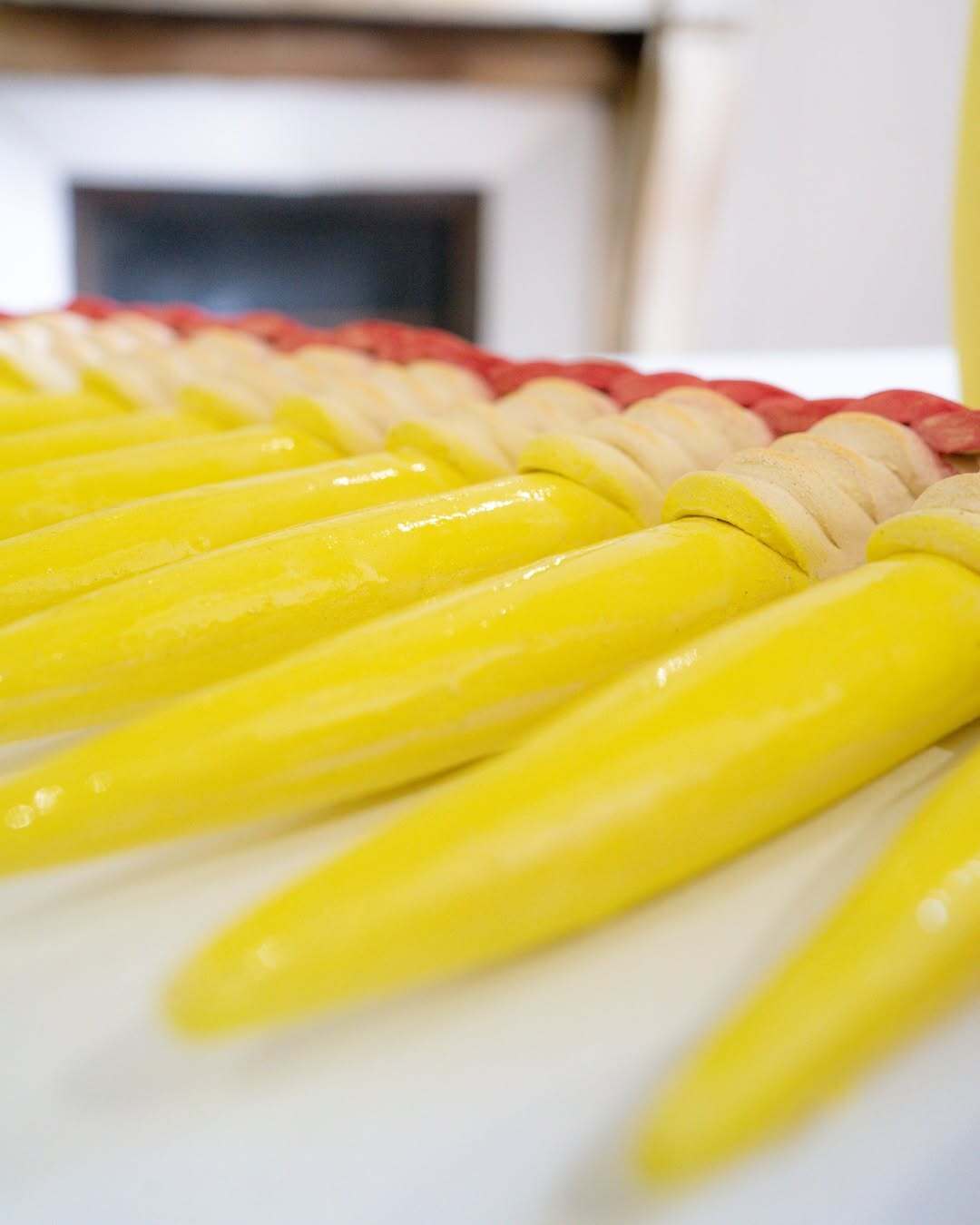
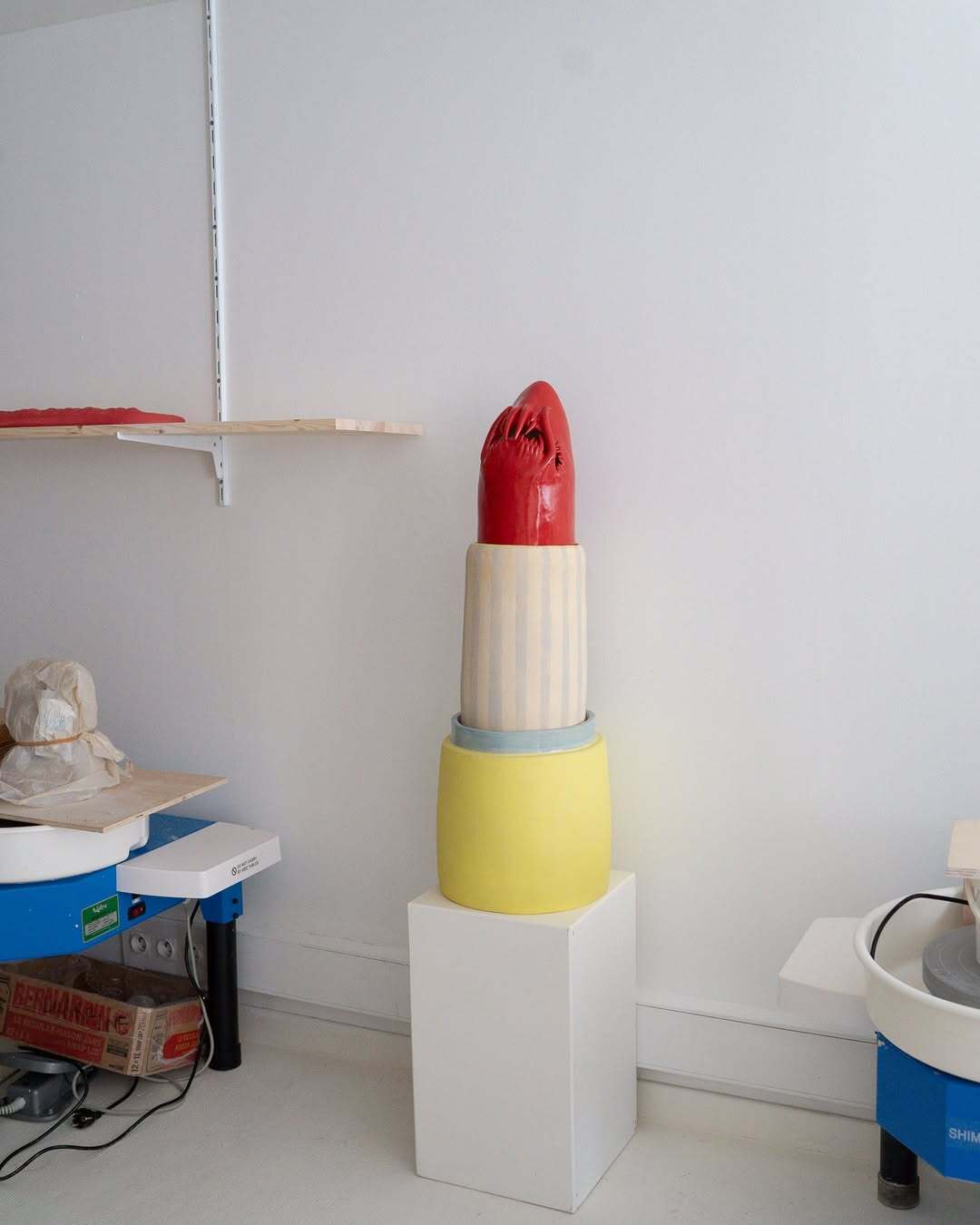
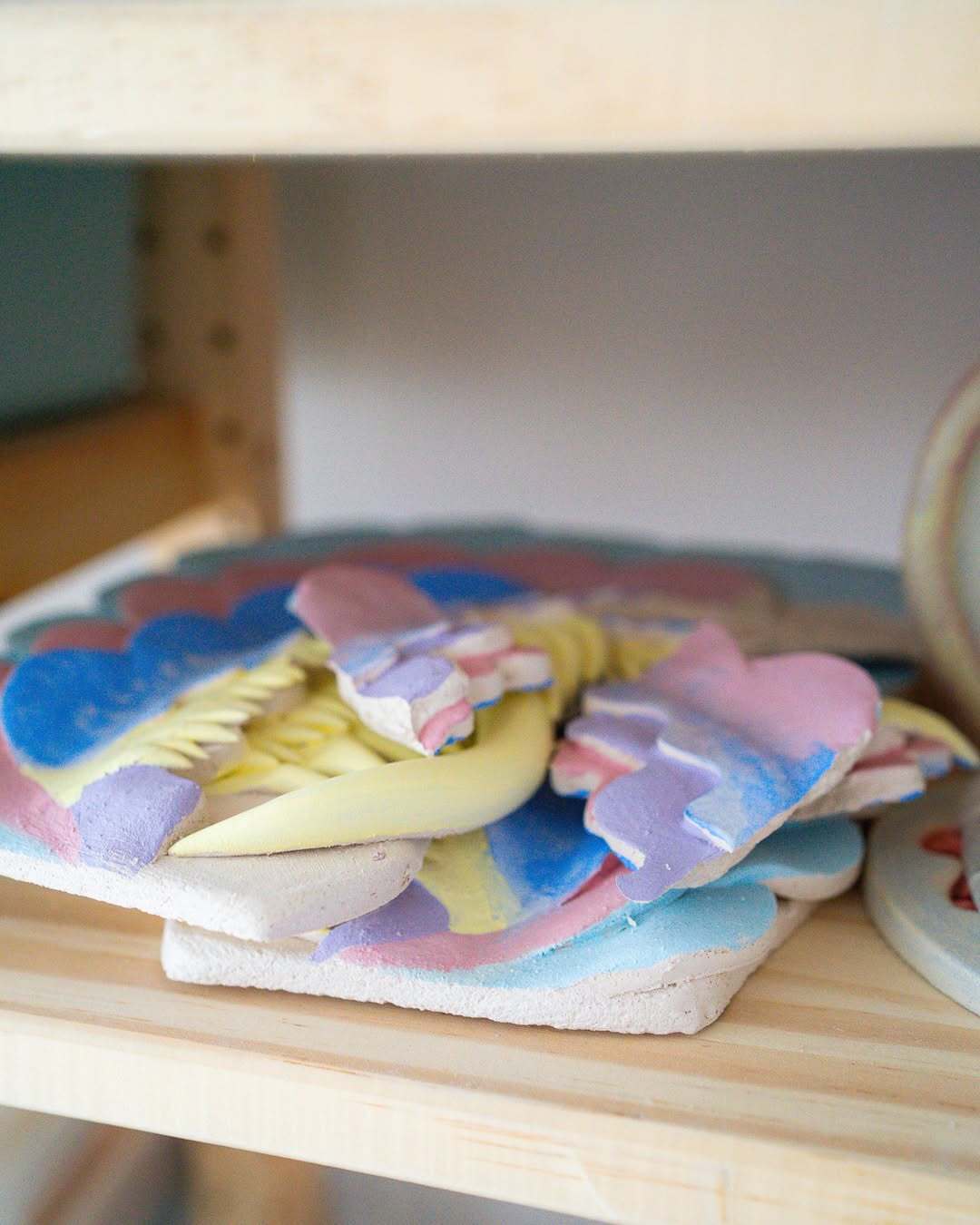
Studio shelf view with Eri Maeda’s ceramic pieces, including finished works, fragments, tests, and works in progress. Lipstick forms, Monster Comb elements, mirror components, and new sculptural parts share the same space in her Paris atelier. Image courtesy of the artist
Eventually, this leads to opportunities to showcase my work.Writing this makes me realize that maybe I could structure my practice this way even while social media exists.
This question makes me reflect ; maybe I have sometimes been relying on online visibility as a shortcut and whether I am just being a little lazy.
Team Munchies Art Club say Thank you to Eri Maeda for the insights and let us showcasing her work
About the Artist
Eri Maeda’s sculptures are made slowly, by hand, often over weeks.
They’re not declarations, they’re tensions held in form: fragile, precise, and personal.
Some look like tools. Some feel like memories. None of them ask for attention, but all of them hold it.
You can explore more of her work on Instagram, her website or read her longform reflections on Substack.
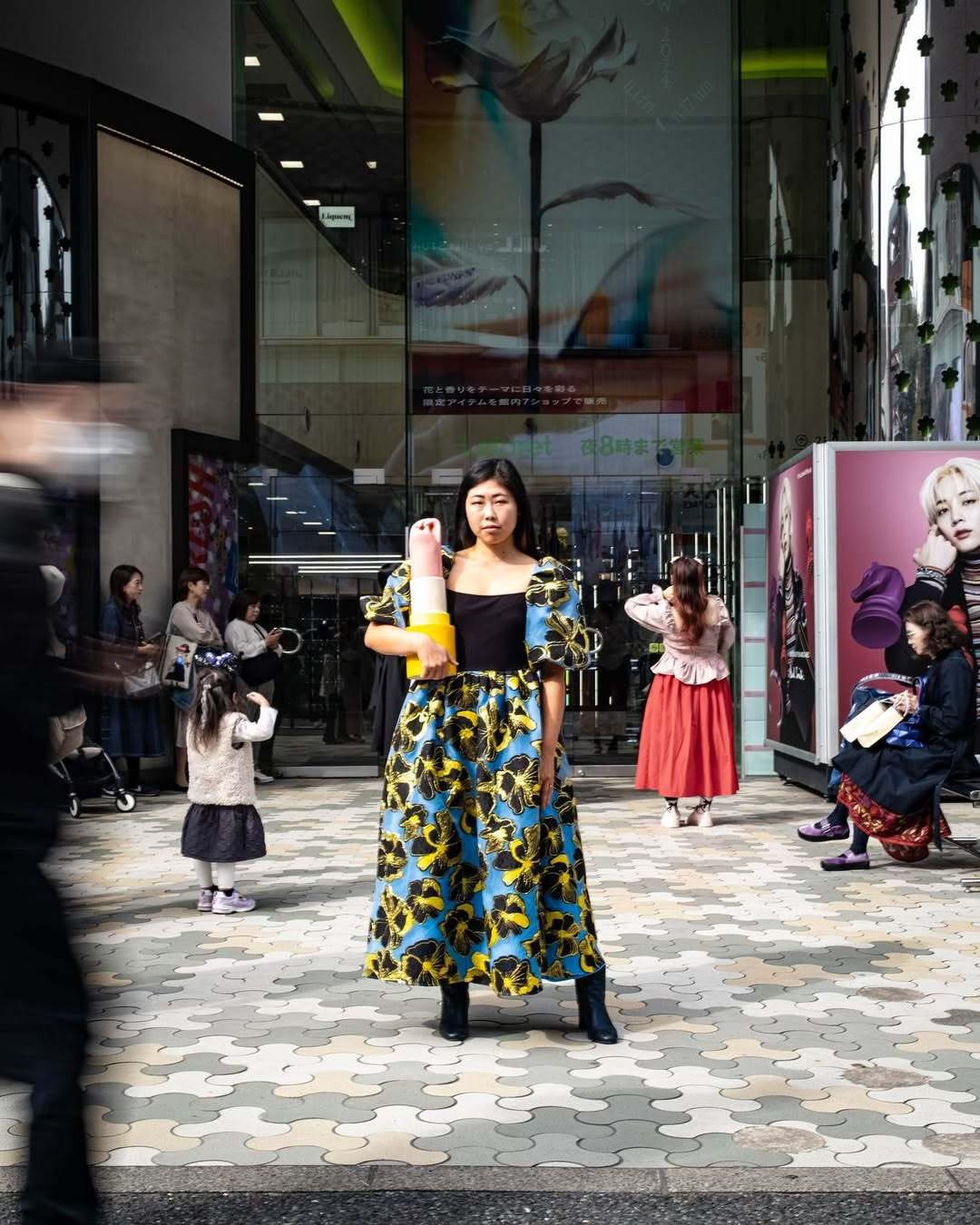
Want to be part of Artist & Media?
Eri Maeda was one of the first to share her experience with honesty, fatigue, and without playing the game.
If you’re an artist and want to explore your own relationship to visibility, drop your work or your thoughts in the comments so we can discover you there
We work with a limited number of artists and galleries each season. Selected collaborations are paid and curated.
More information here.
New On Catapult:
 Dominique Catherina Foertig
Monday Bitcfh
 Dominique Catherina Foertig
David Rosado - Artist Spotlight
 Ernst Koslitsch
About Meta Ads - Catapult Uncensored
No spam, no sharing to third party. Only you and me.