Nadine Karl creates installations where time, memory, and space fall out of sync. An artist spotlight on perception, slowness, and resistance.

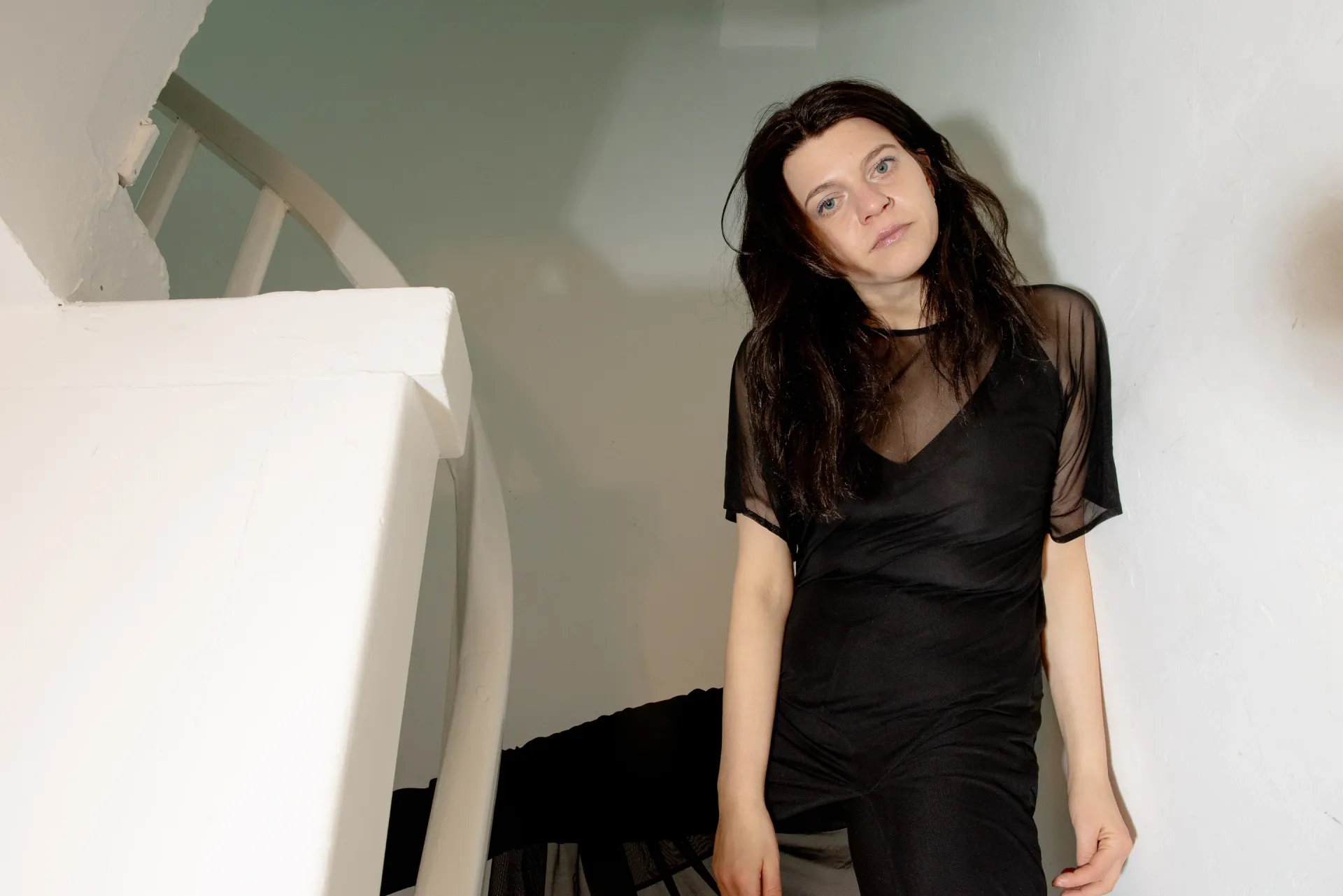
Nadine Karl builds spaces where time stops behaving normally.
Can Space Remember What Time Leaves Behind?
Nadine Karl’s installations begin where stability fades.
In recent works such as After Unrast at Kunsthalle Düsseldorf, Epiphenomenon at Galerie 3AP in Frankfurt, and as far as I feel – about thoughts and throughs at the Kunstakademie Düsseldorf, space is not treated as a container but as an active field.
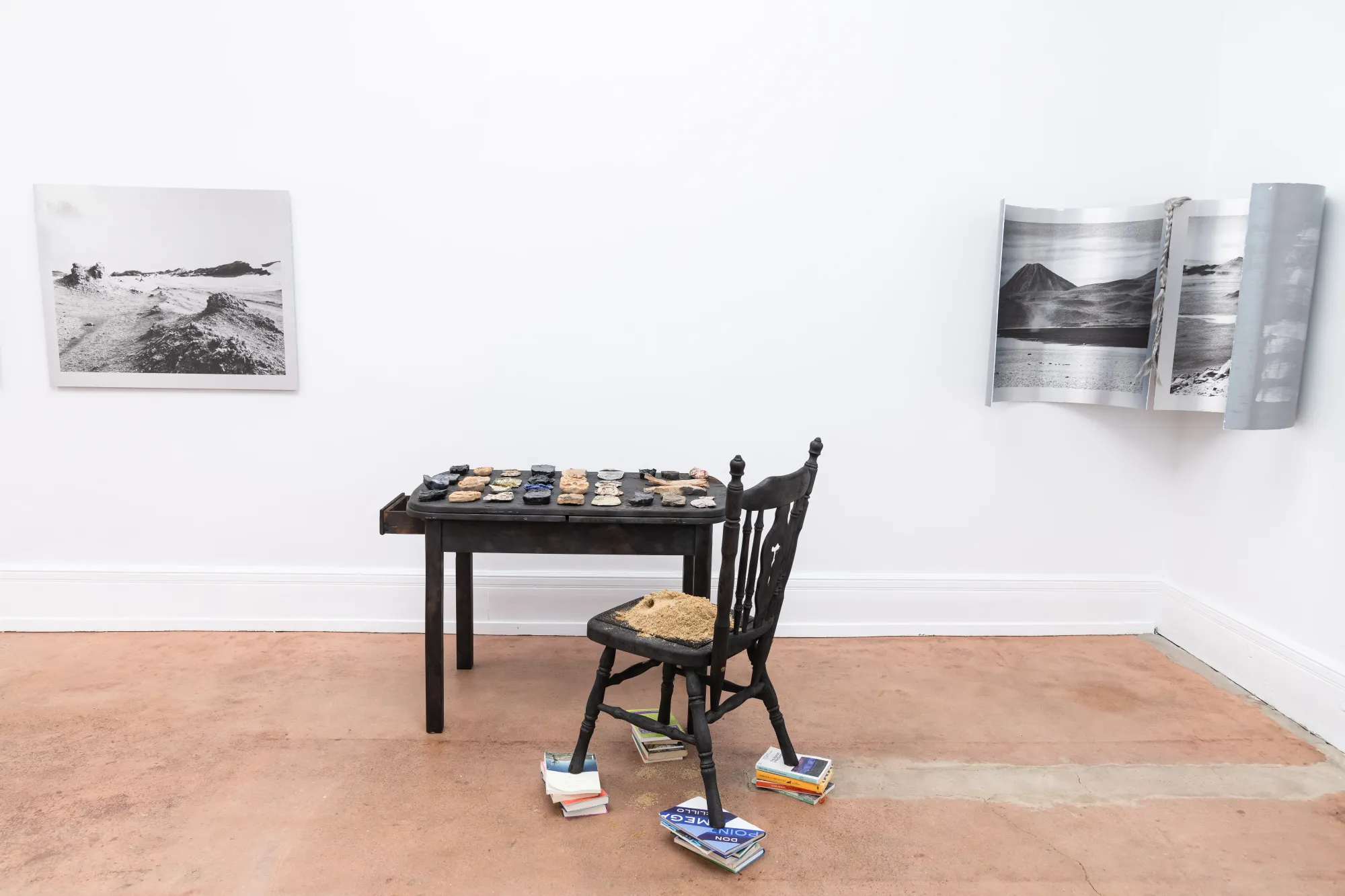
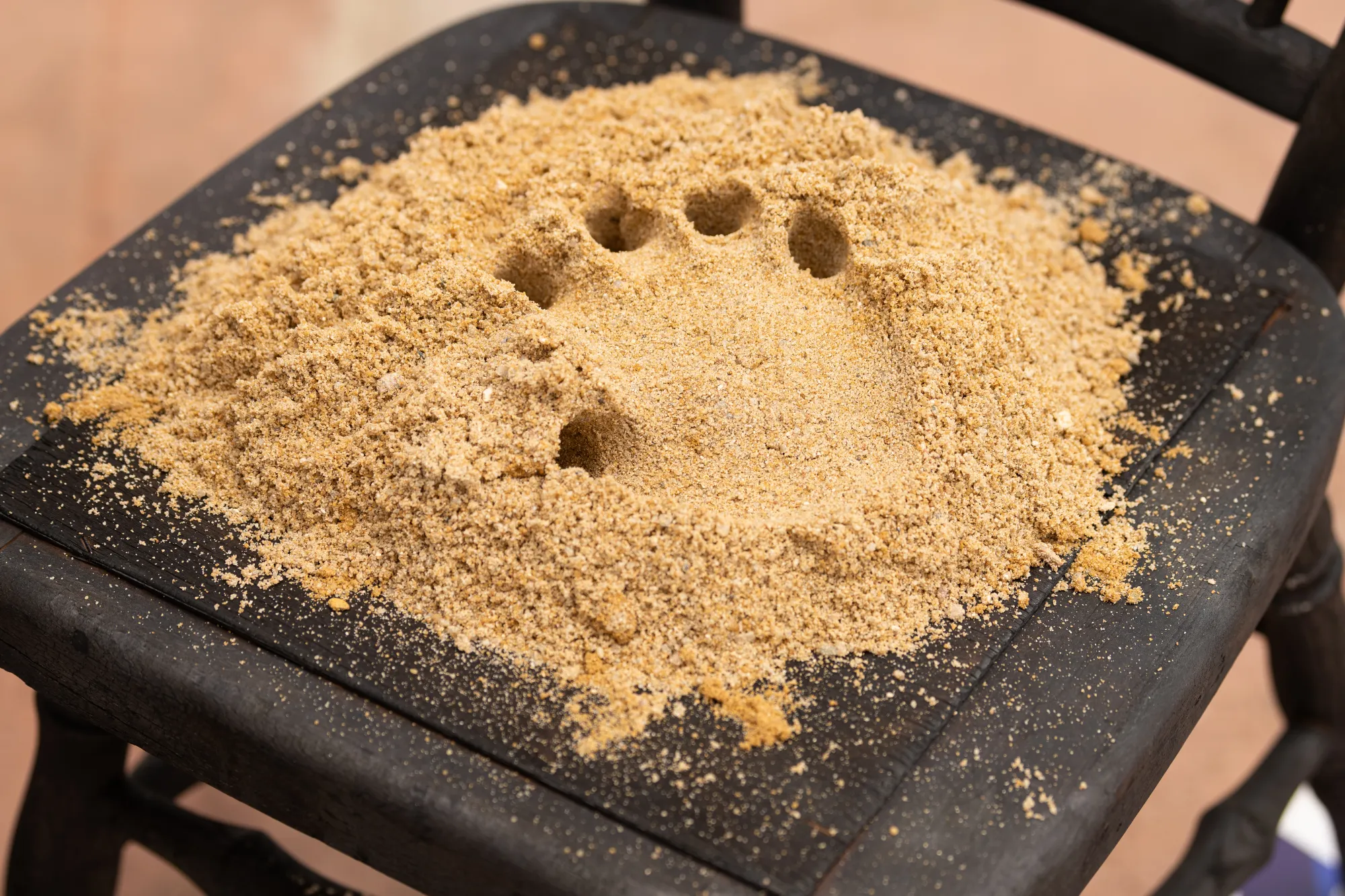
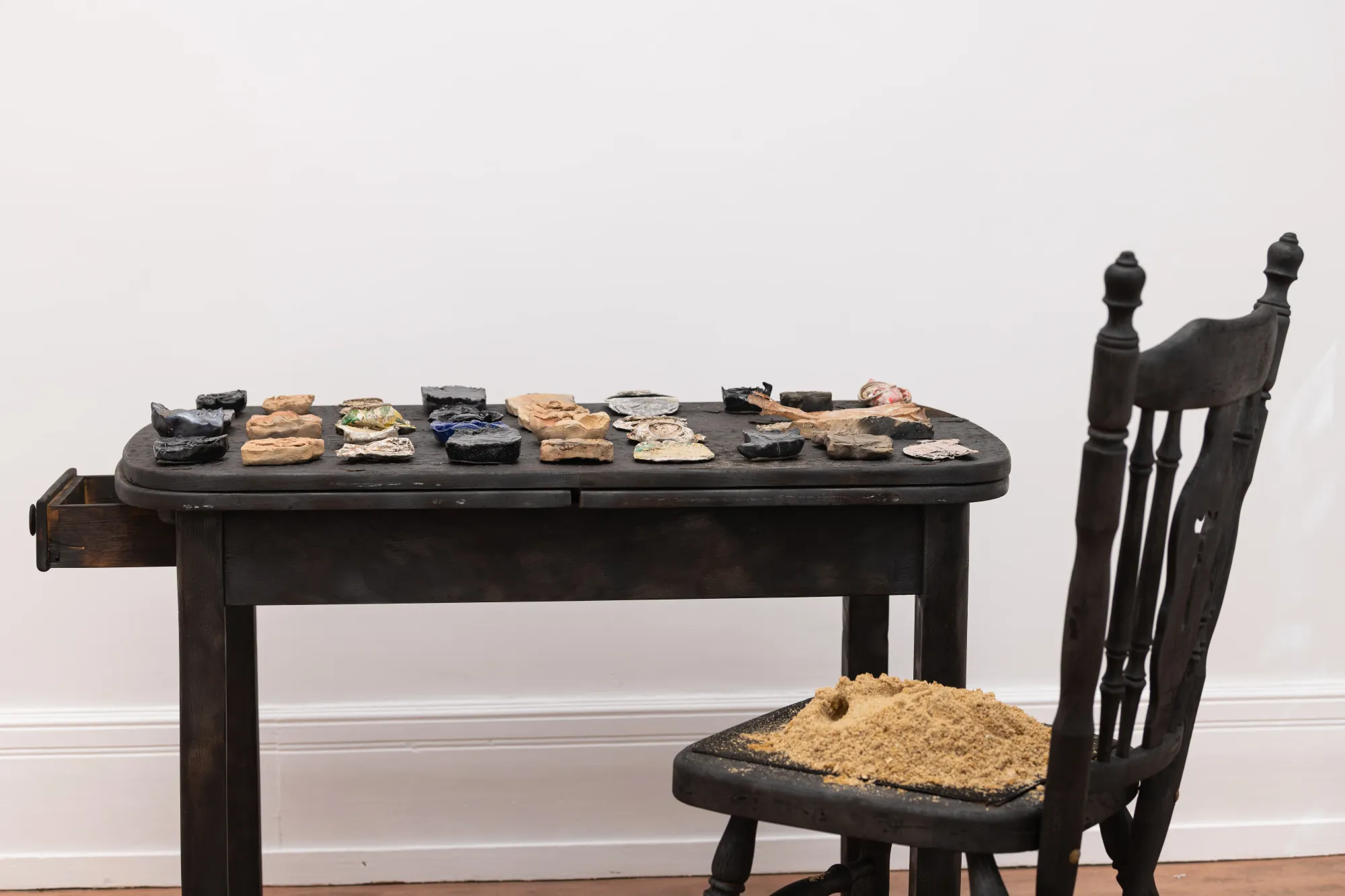
Sand spreads, images hover, light settles unevenly.
These environments feel less constructed than accumulated, as if they had been slowly deposited rather than built.
What the viewer enters is not a scene, but a condition.
When material holds time
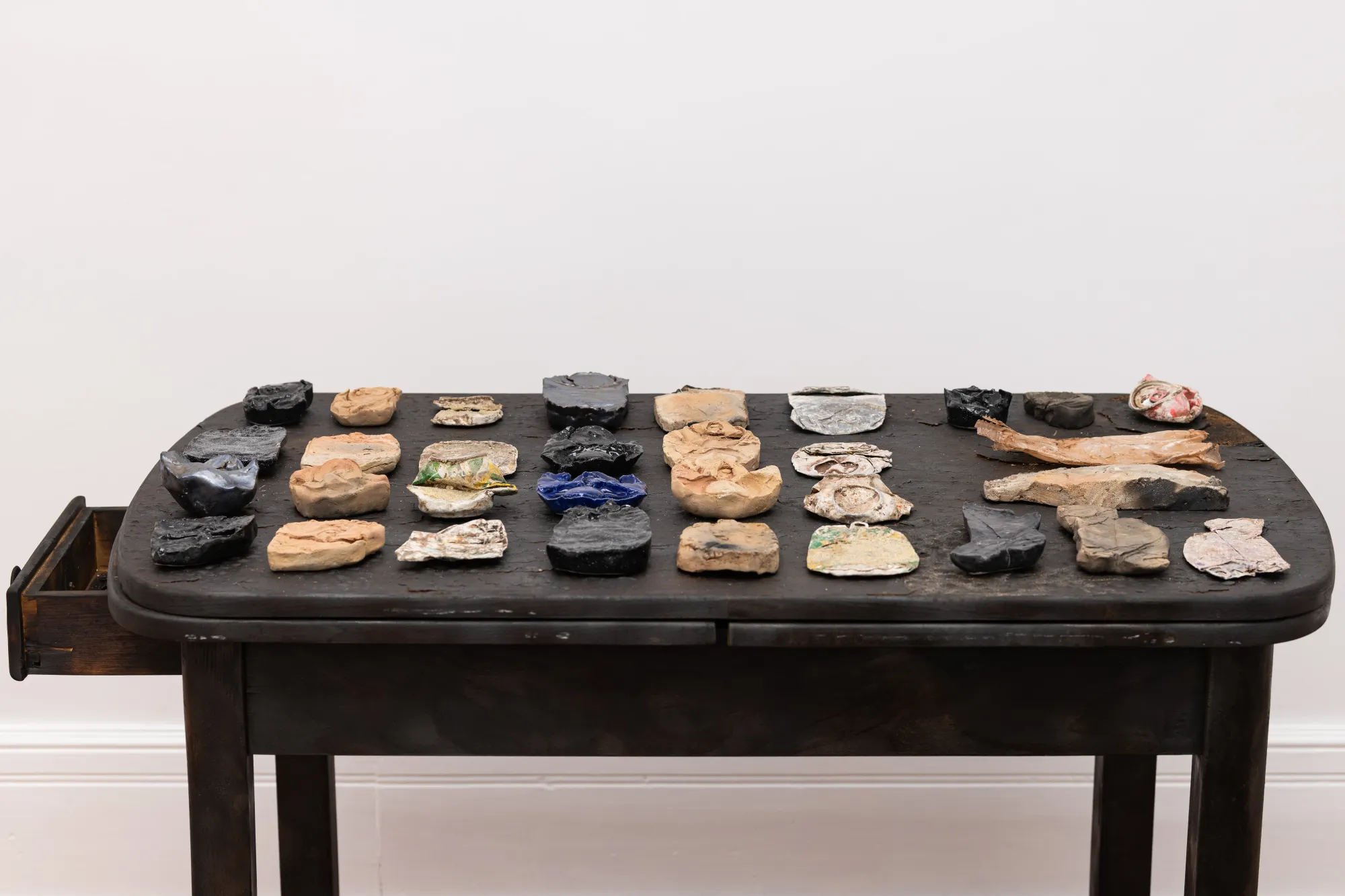
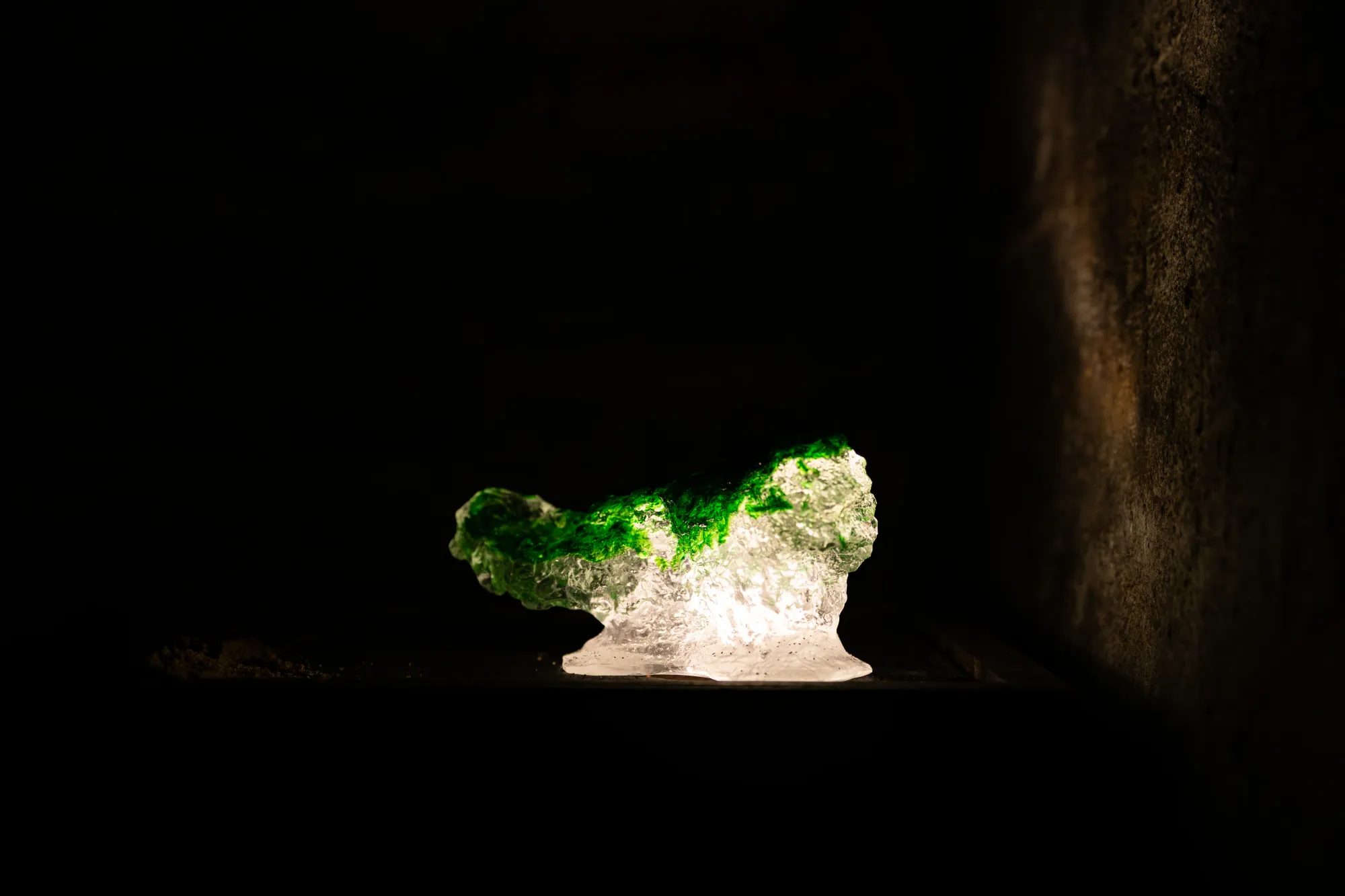
Material in Karl’s practice operates as a carrier of duration.
Sand, sediment, glass, photographic surfaces, and sculptural fragments register erosion, touch, and delay.
They do not illustrate time, they absorb it. Instead of linear progression, her works propose a sense of temporal thickening.
Moments overlap. Traces remain visible. What appears still is often the result of long and quiet movement.

Ecofeminism as spatial logic
Ecofeminist inquiry forms the theoretical ground of Karl’s work, but it never appears as slogan or illustration.
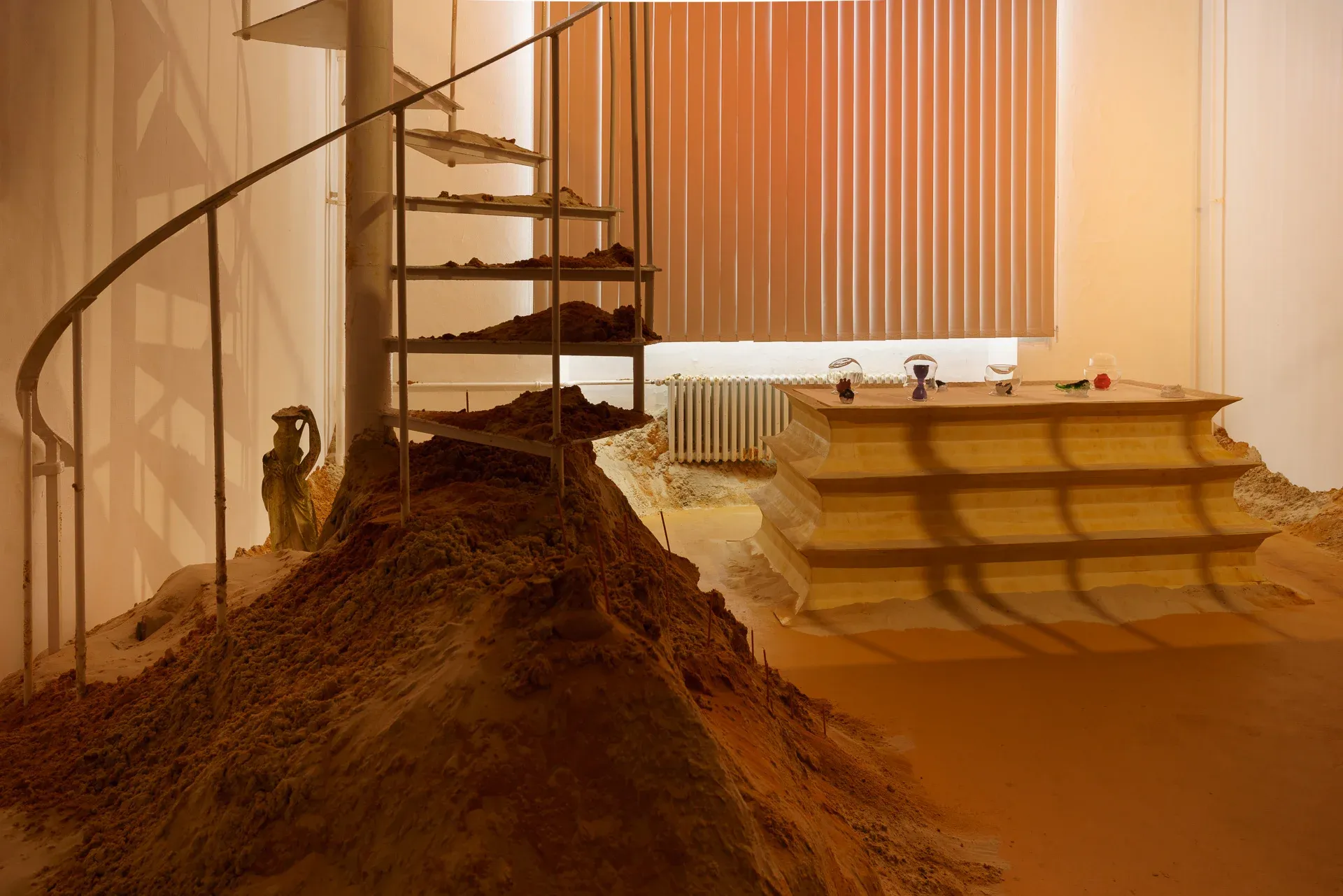
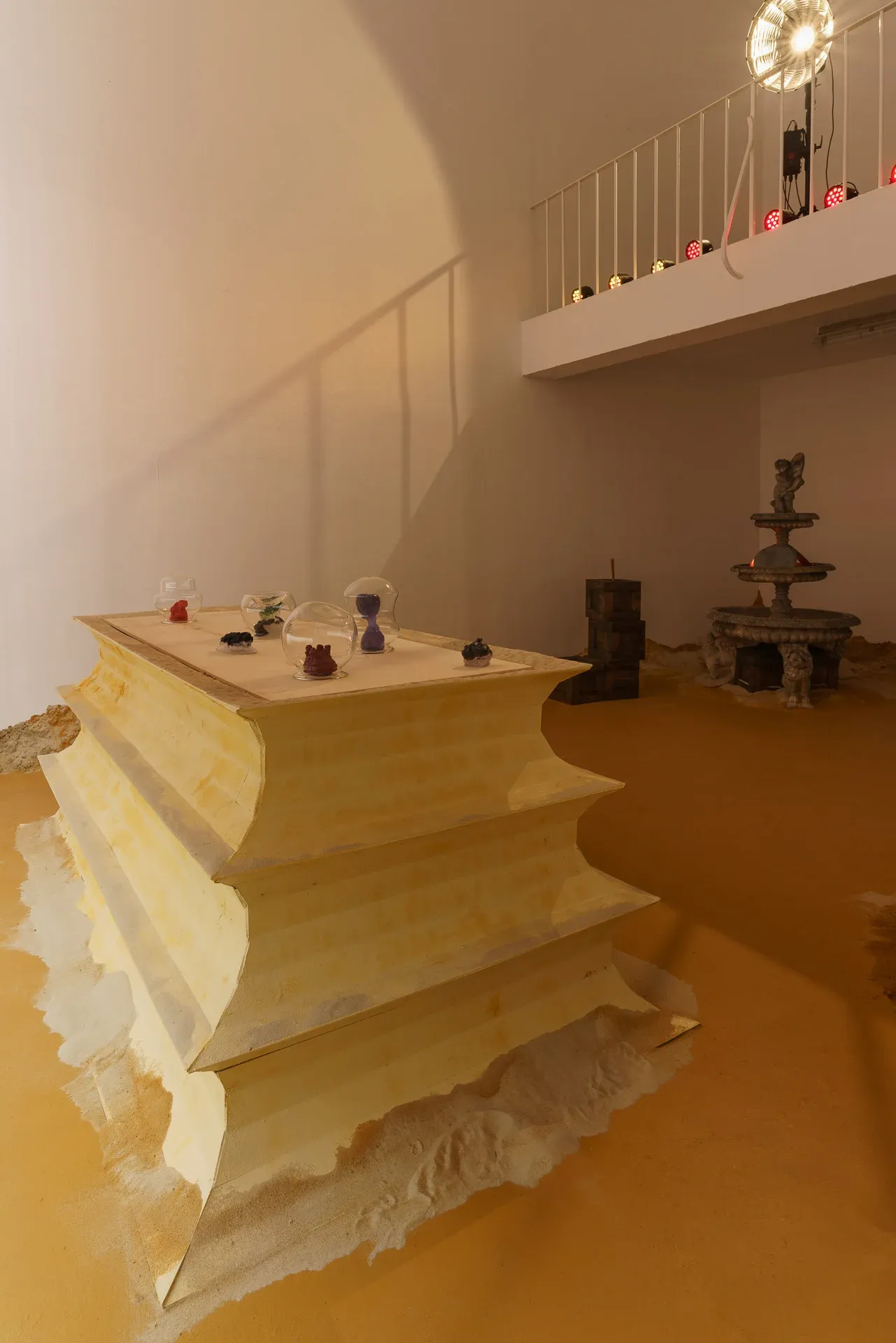
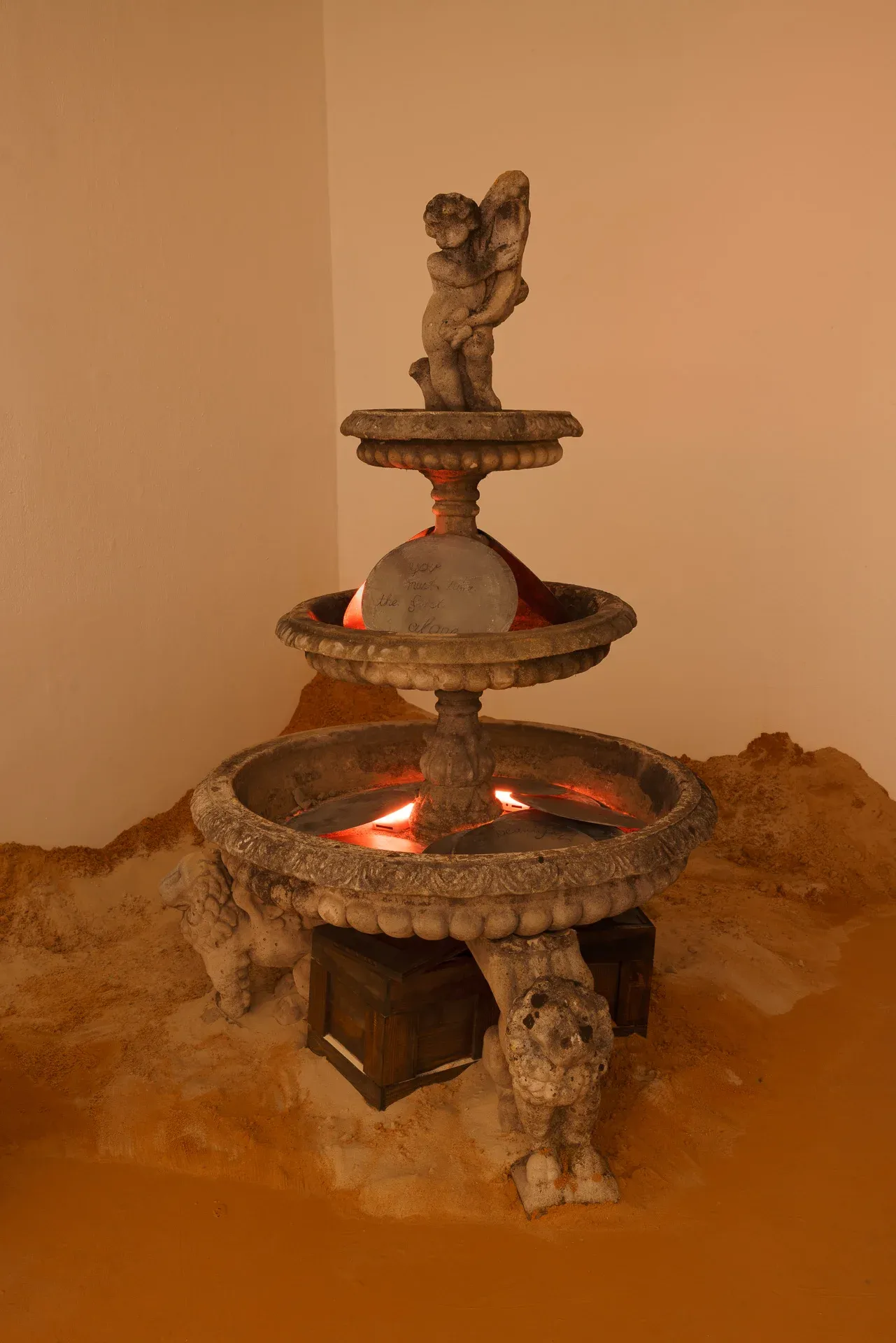
Nadine Karl: Installation view of her graduation - as far as I feel – about thoughts and throughs. July 2024. Photos by Jana Buch. Image courtesy of the artist
Her installations question hierarchies that separate body from environment and subject from ground.
Care, dependency, and interrelation emerge as structuring forces of space.
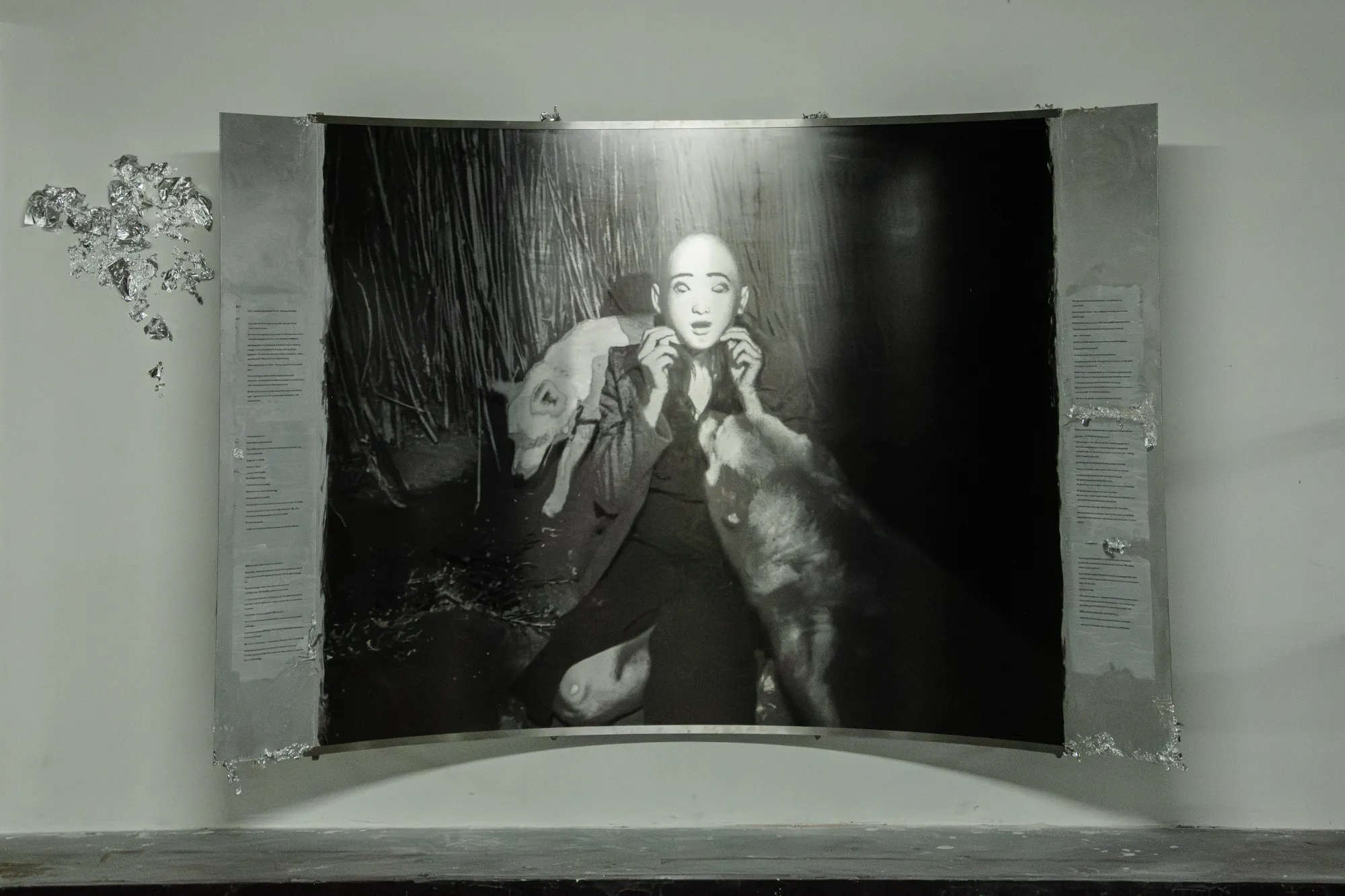
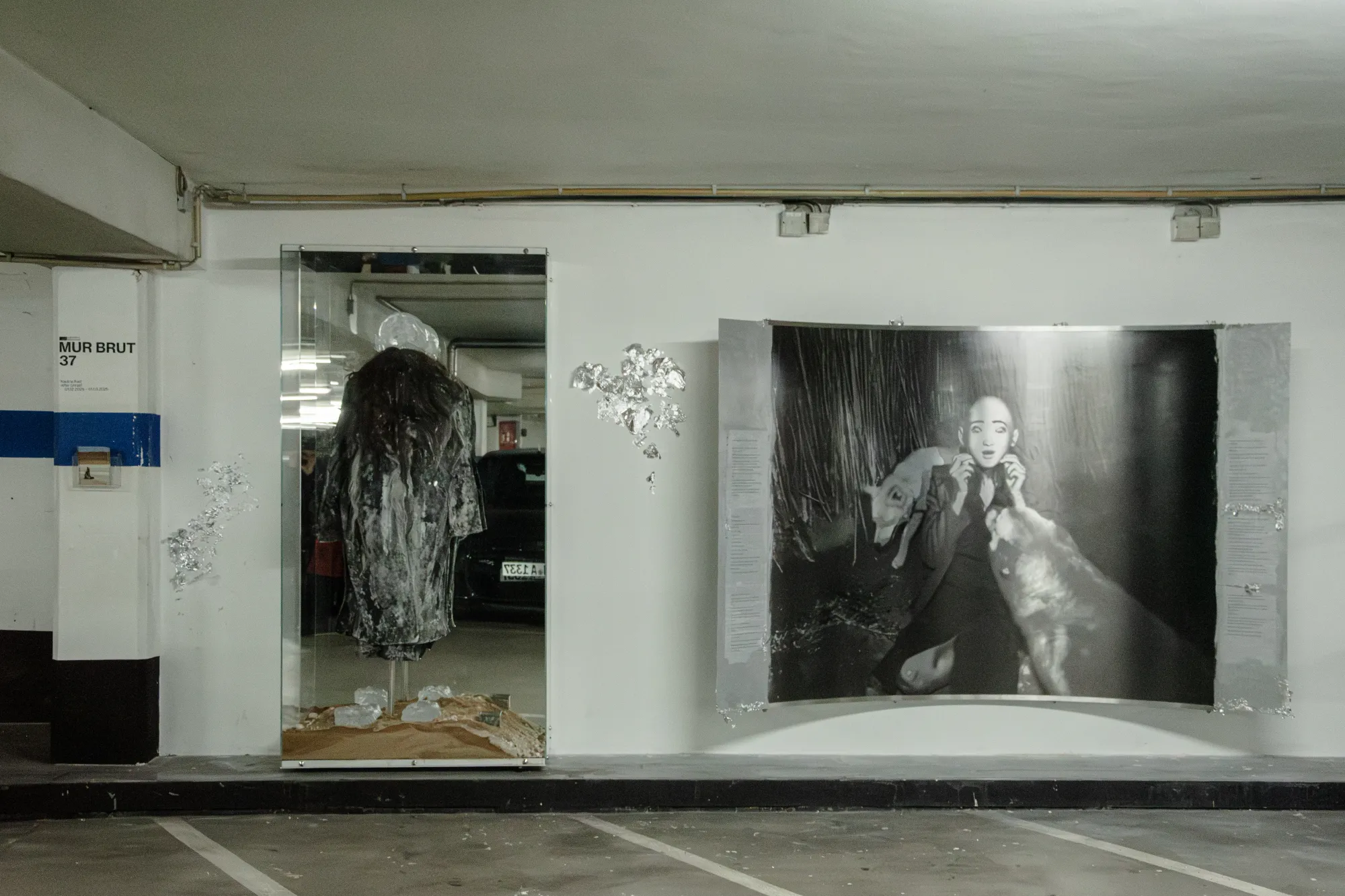
The more-than-human world is not background here.
It participates, shapes orientation, and alters how the body moves through the work.
Between fiction and perception
Literature and film inform how Karl understands space as something narratively unstable.
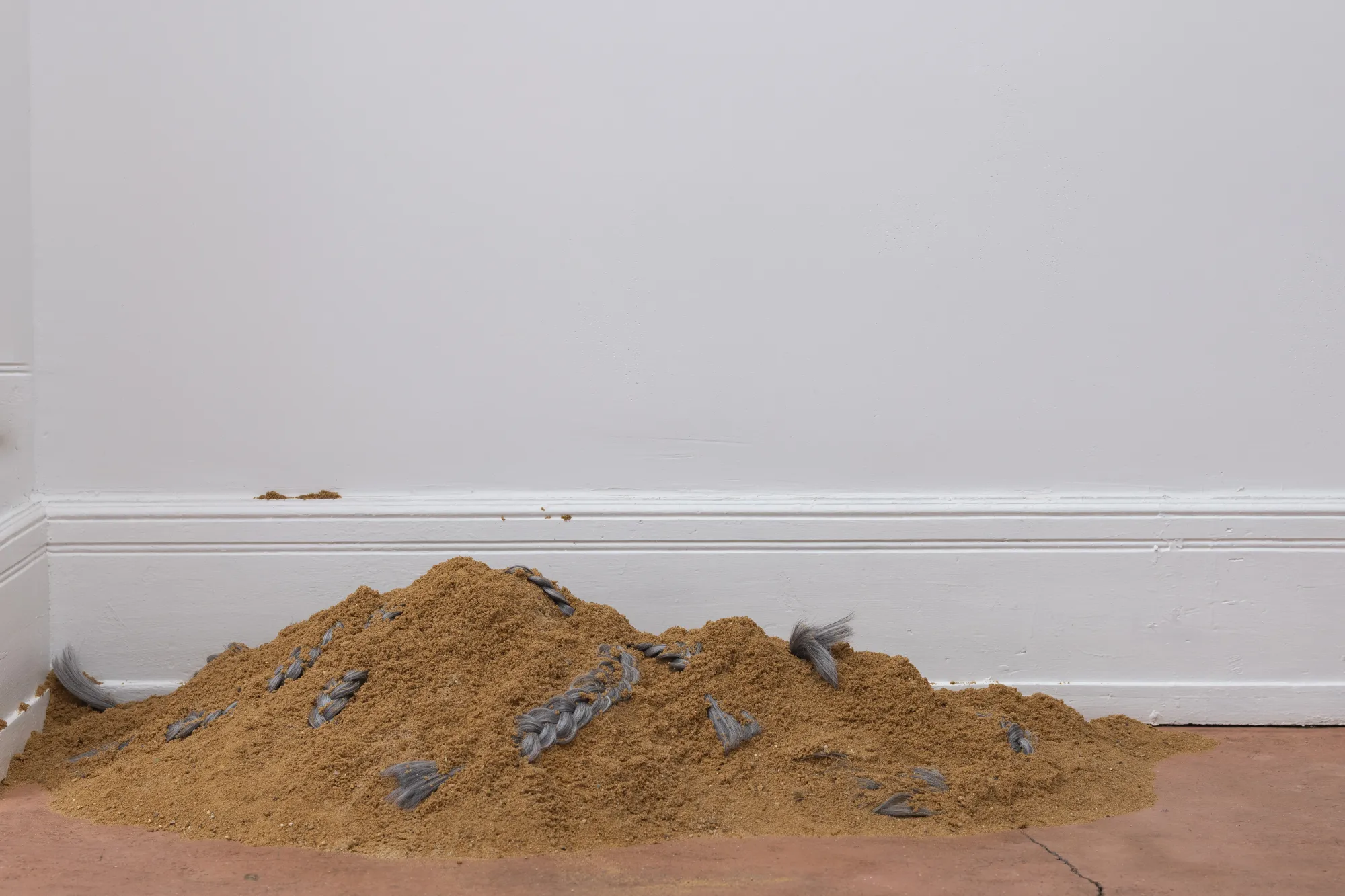
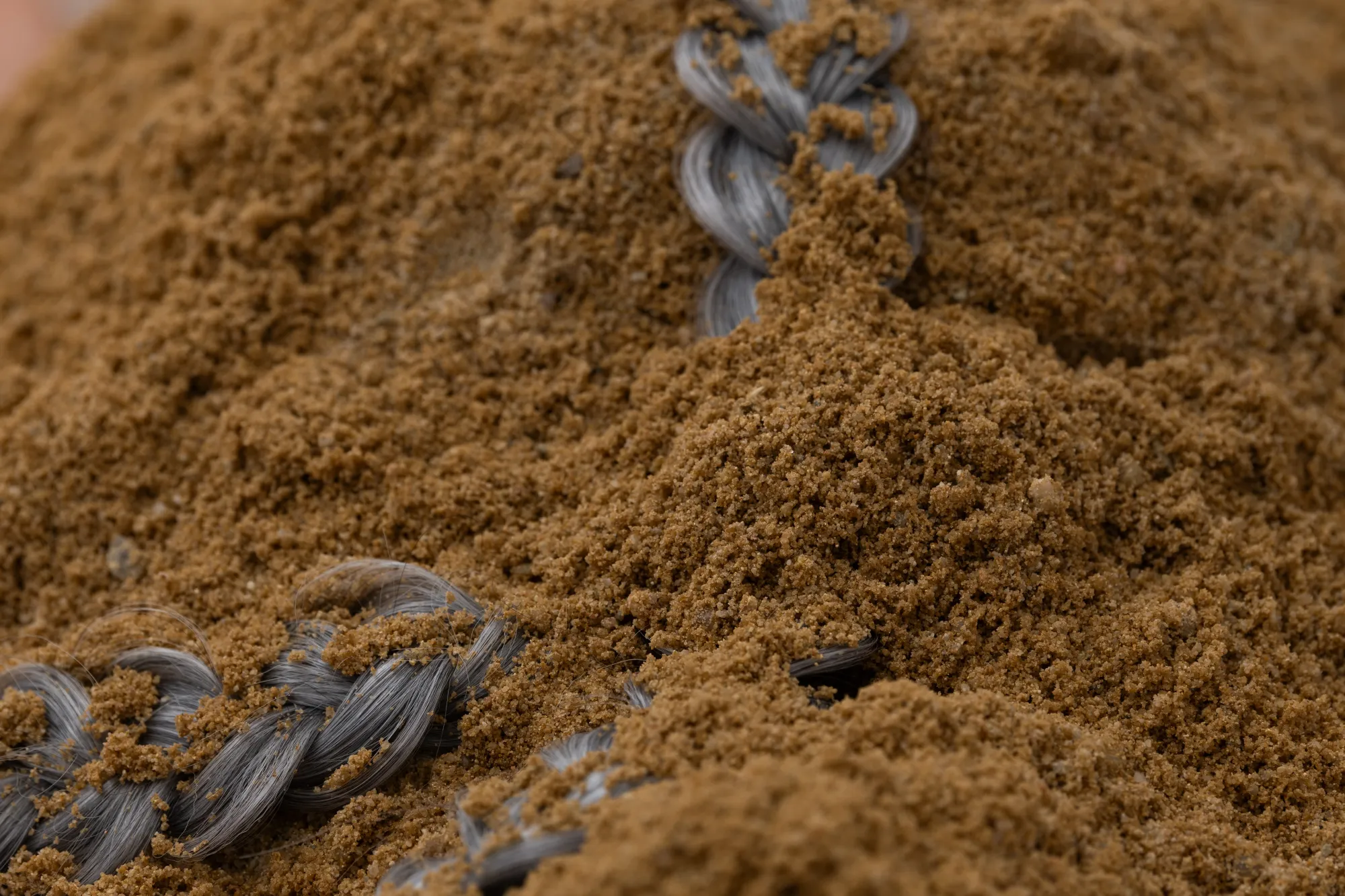
Her installations suggest stories without fixing them. There is no clear beginning, no resolution.
Sound, scent, and tactile elements remain restrained, sometimes barely noticeable.
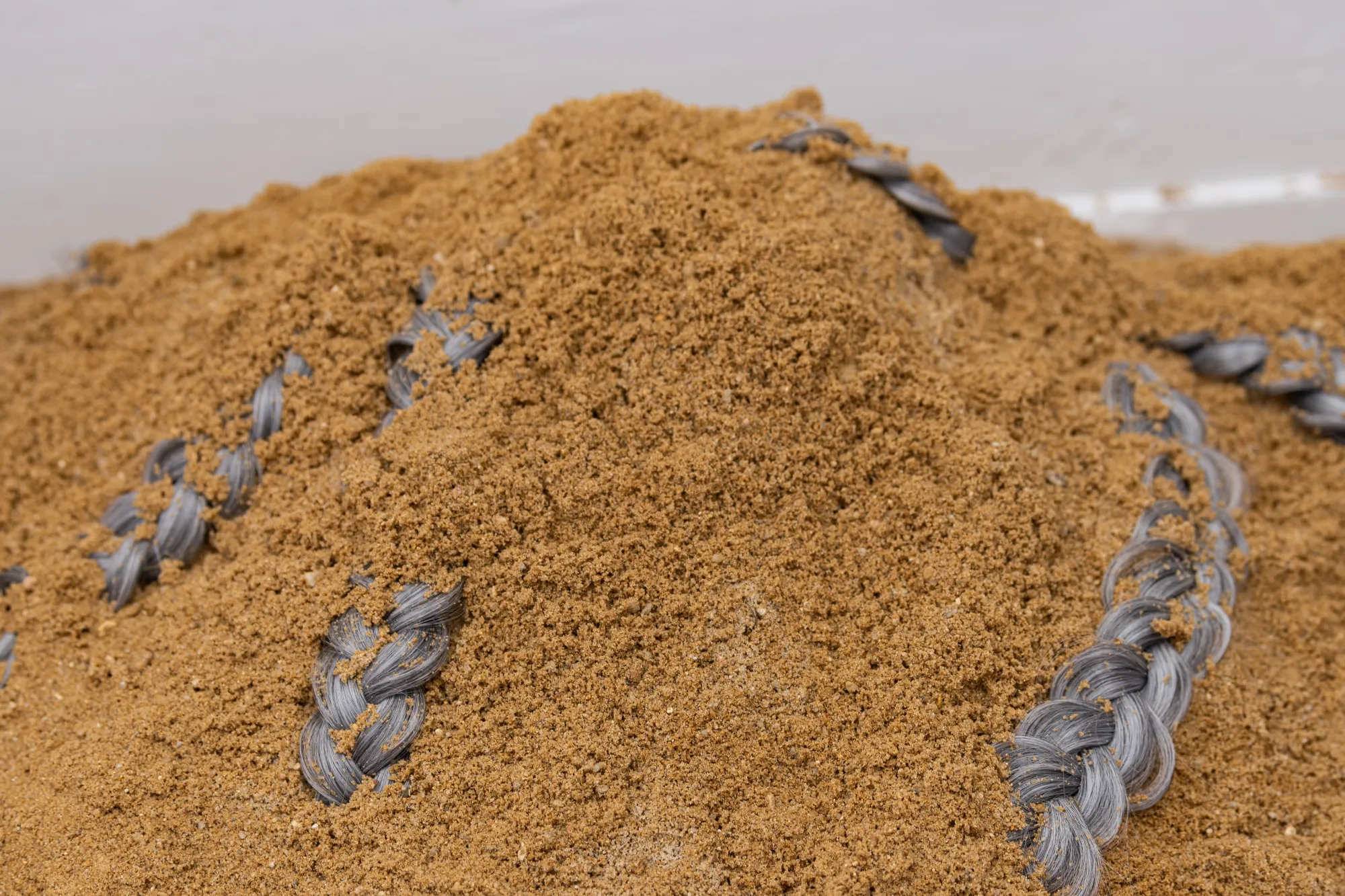
Fiction and reality intertwine not through illusion, but through attention.
The viewer is asked to stay with uncertainty, to sense transitions rather than follow a plot.
The desert as model
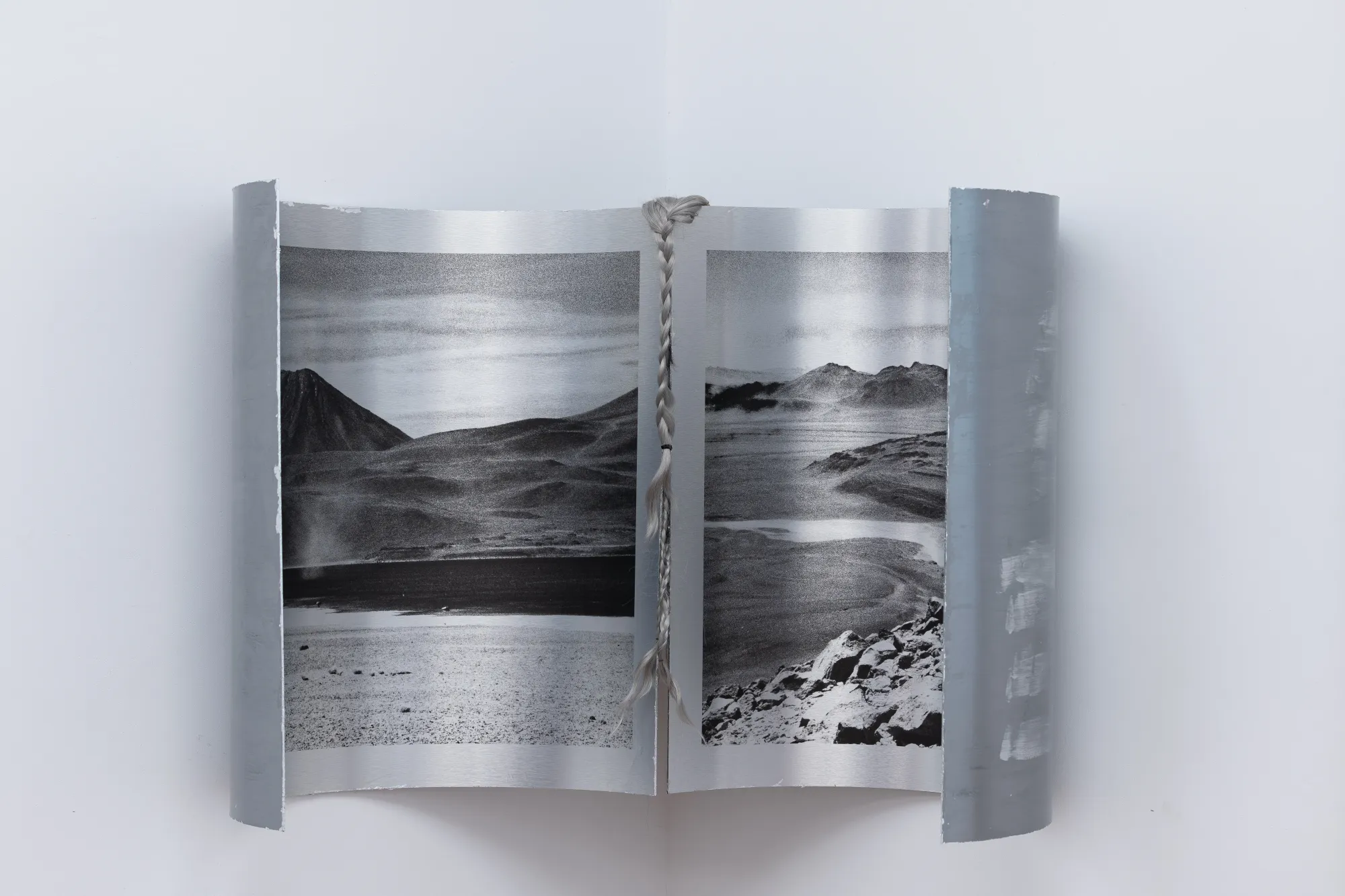
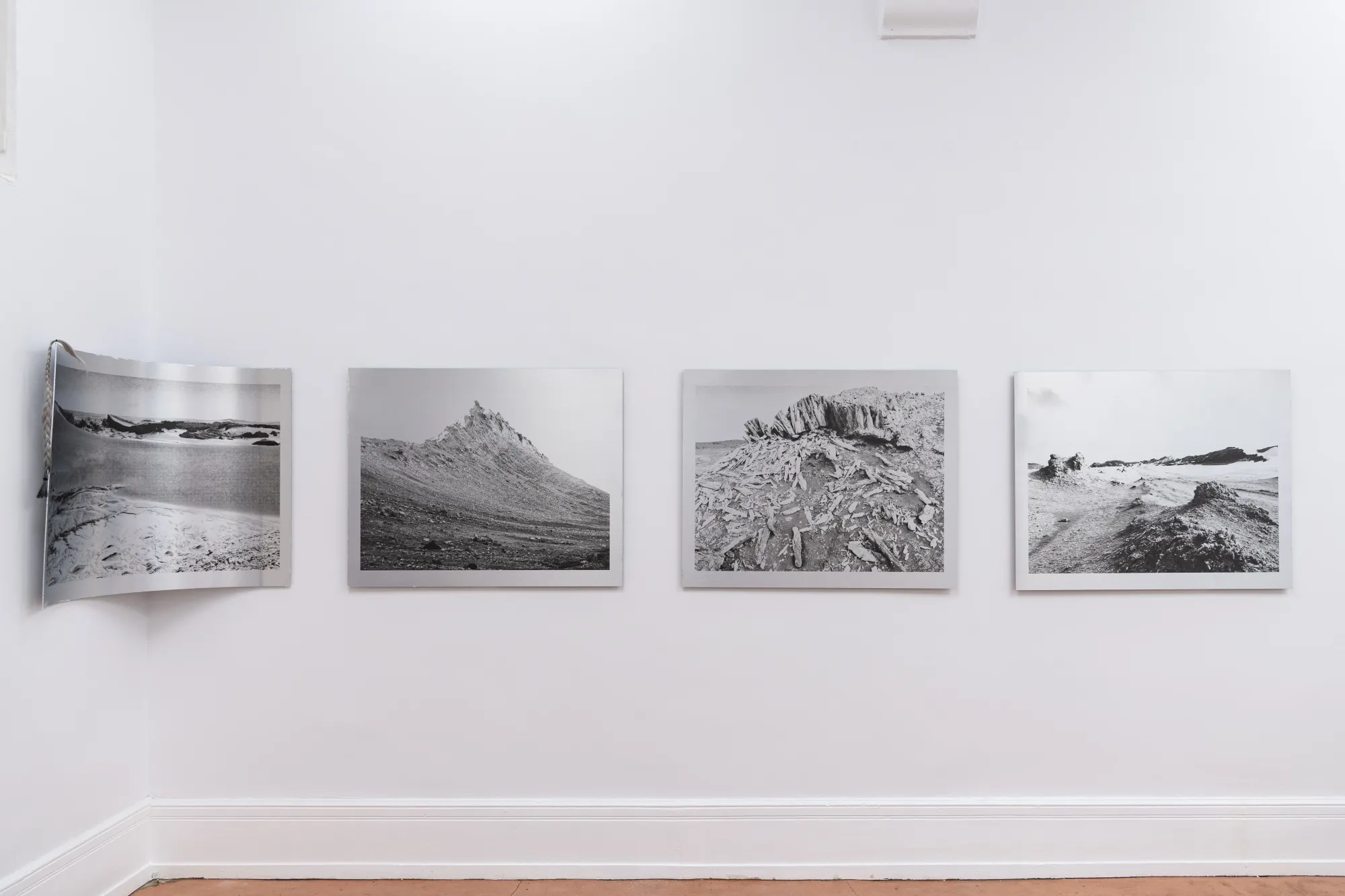
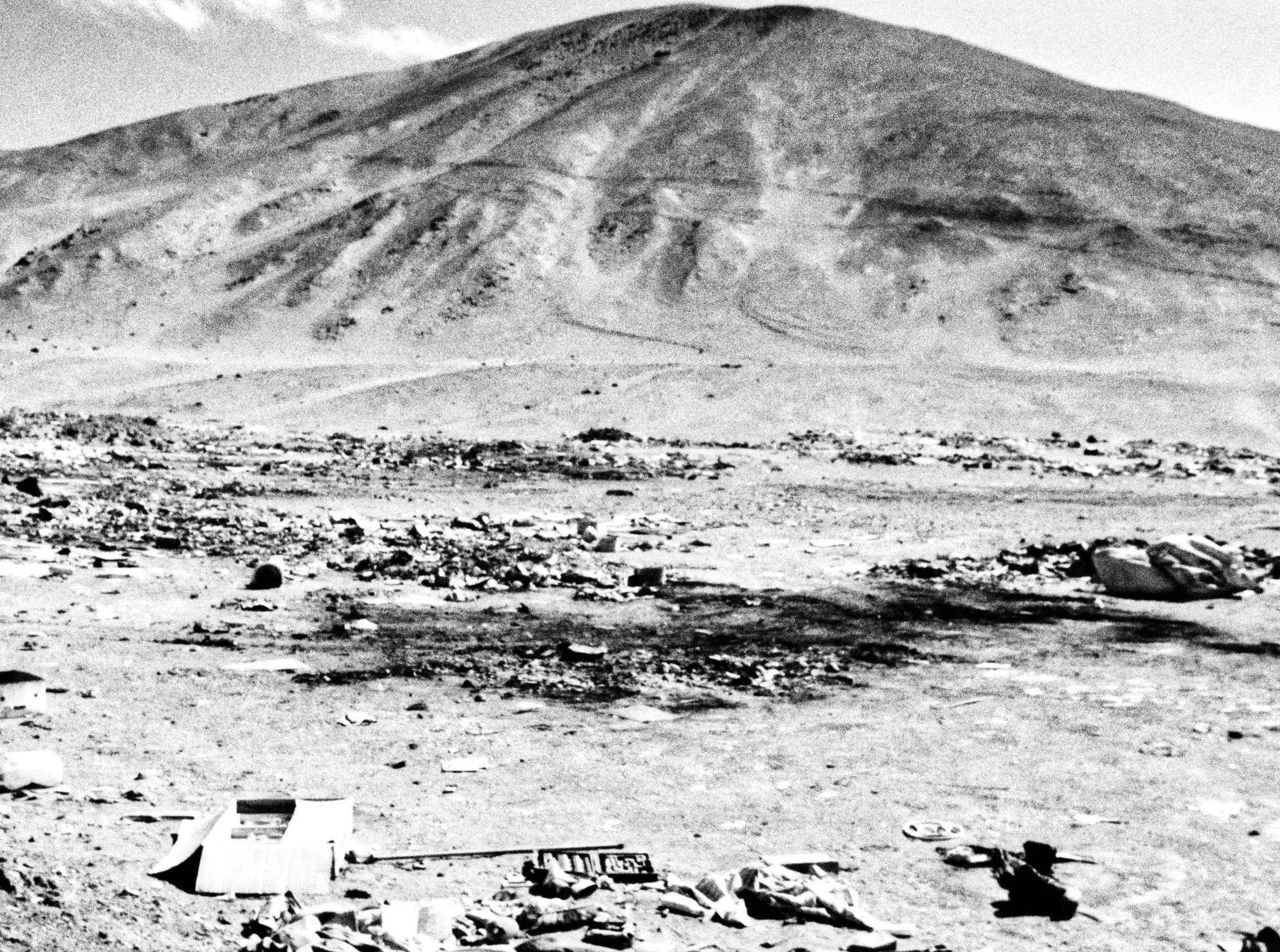
The desert recurs in Karl’s work as an epistemic terrain. It stands for erosion, silence, and nonlinear time.
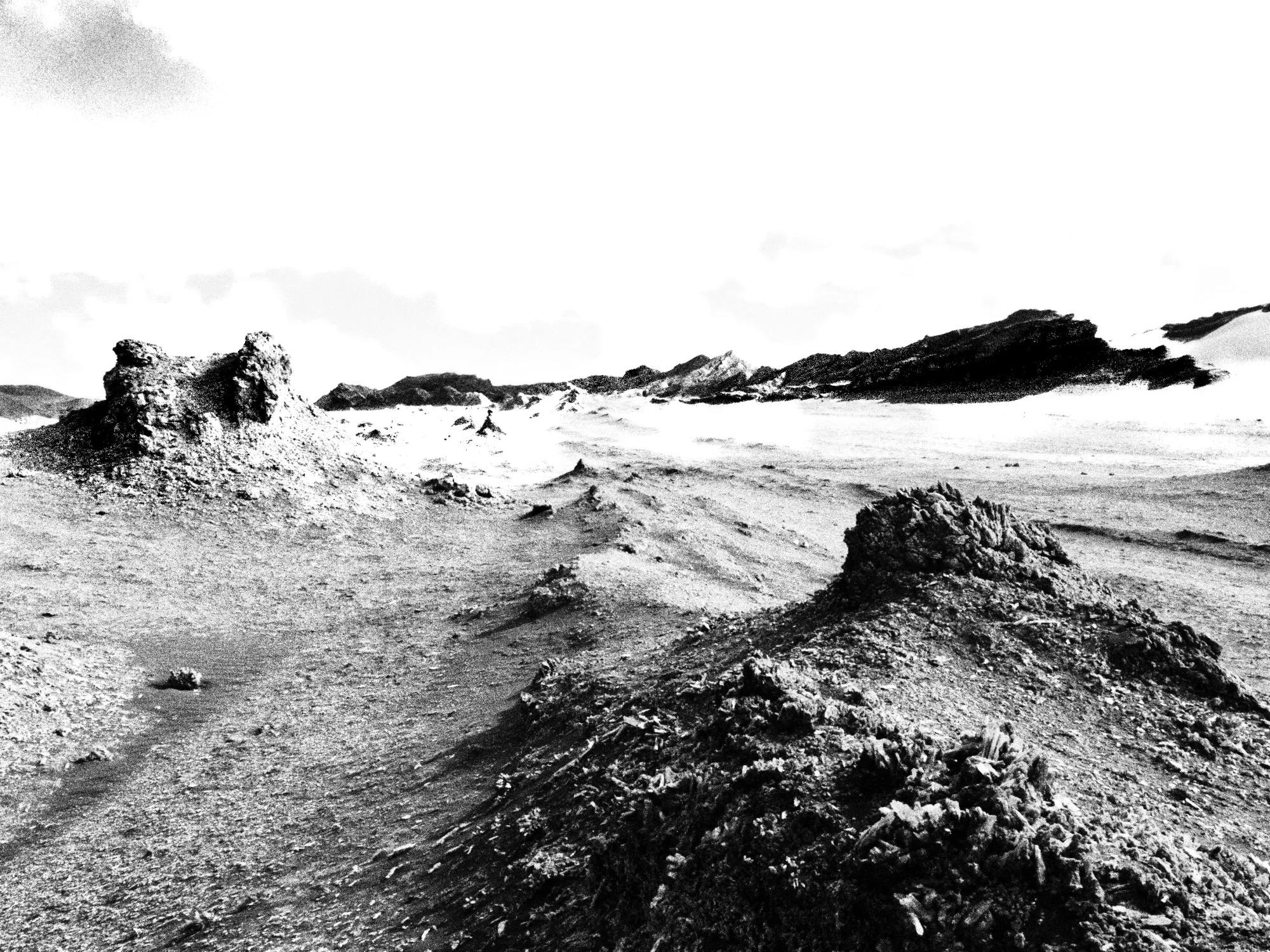
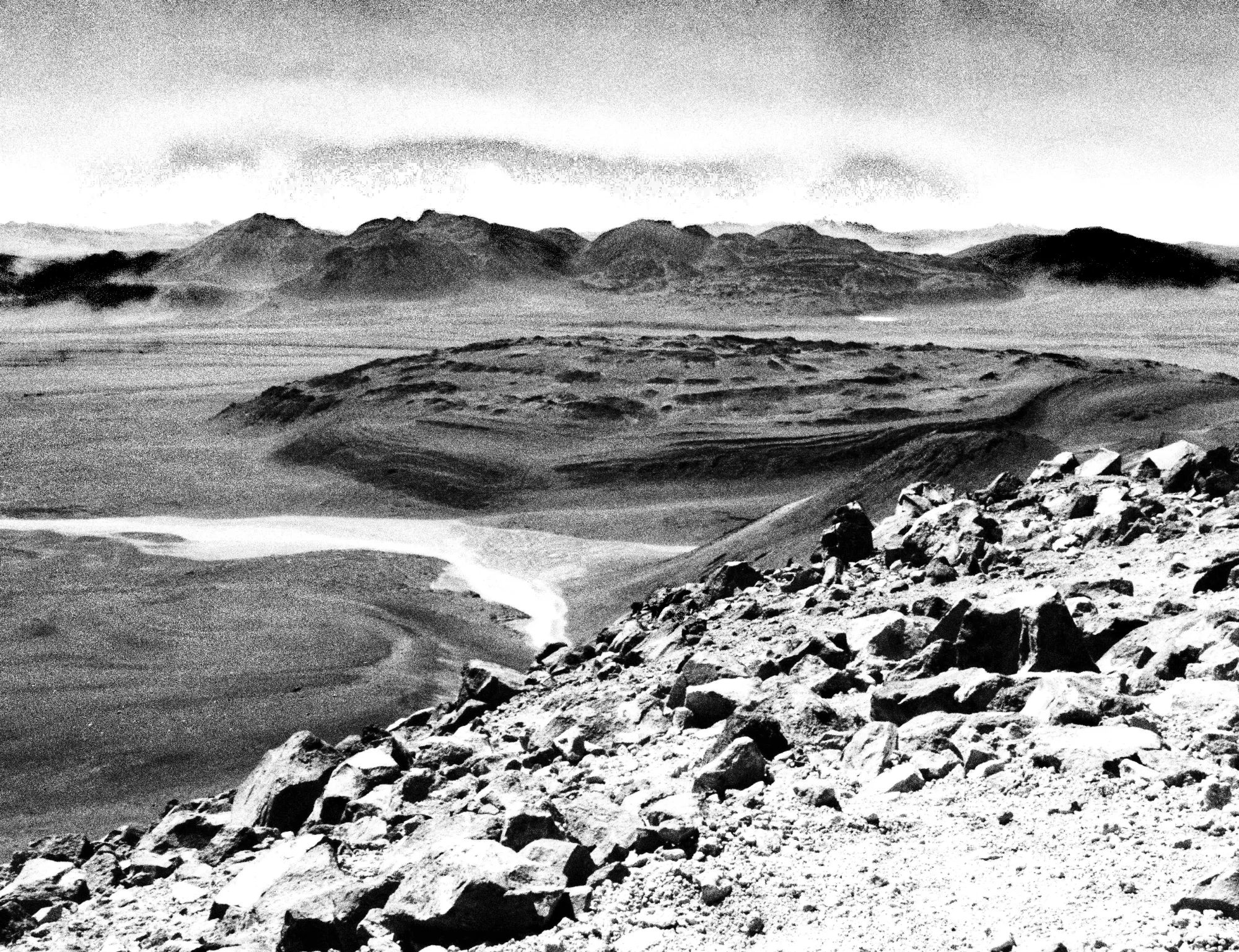
In her photographic works, desert landscapes appear sedimented and distant, yet intimate in their scale and framing.
They do not depict emptiness. They register pressure, memory, and exposure.
The desert becomes a way of thinking about how environments store traces without organizing them into narratives.
Immersion without spectacle
Although Karl works immersively, her installations resist spectacle.
There is no excess, no sensory overload.
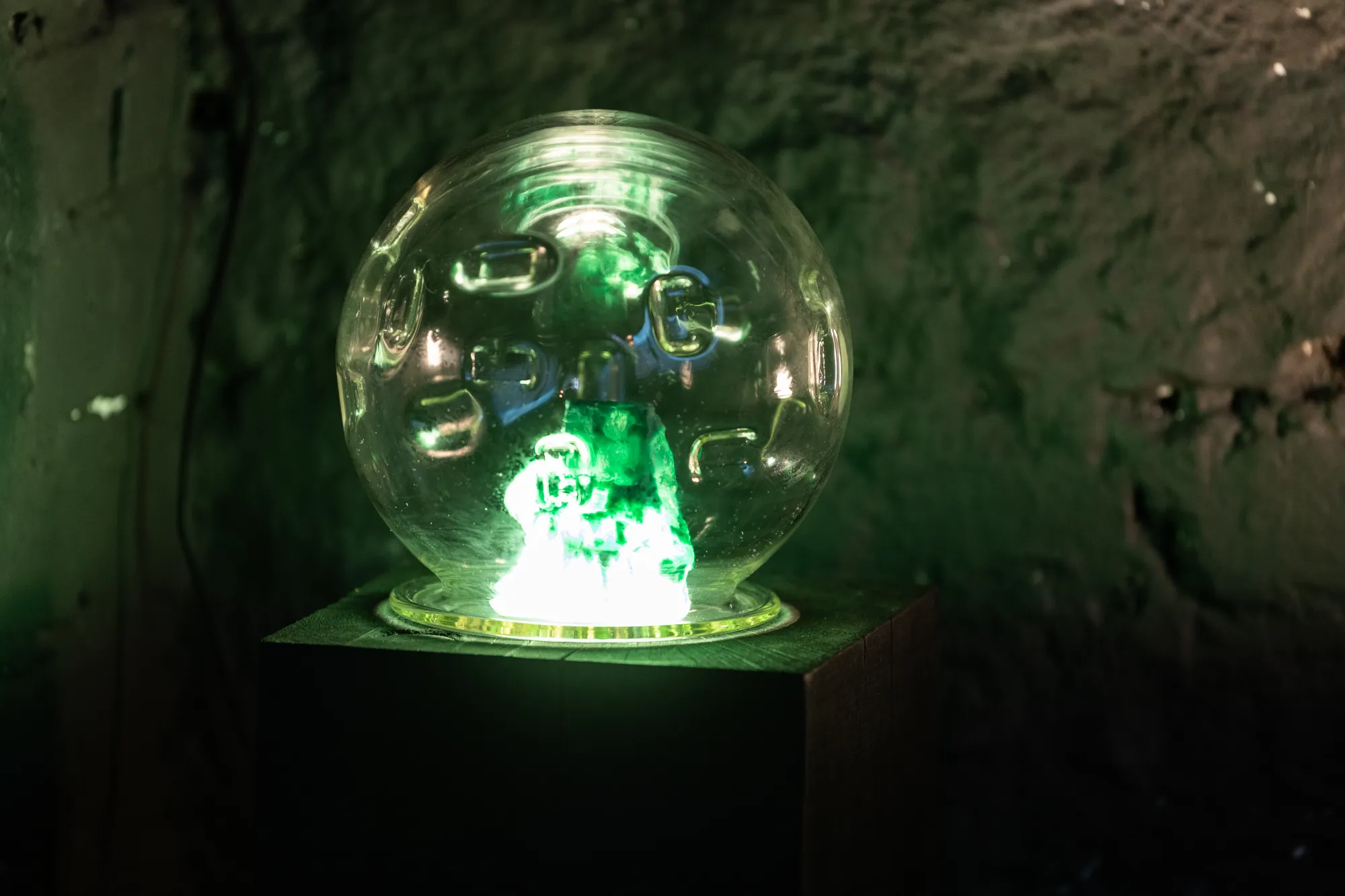
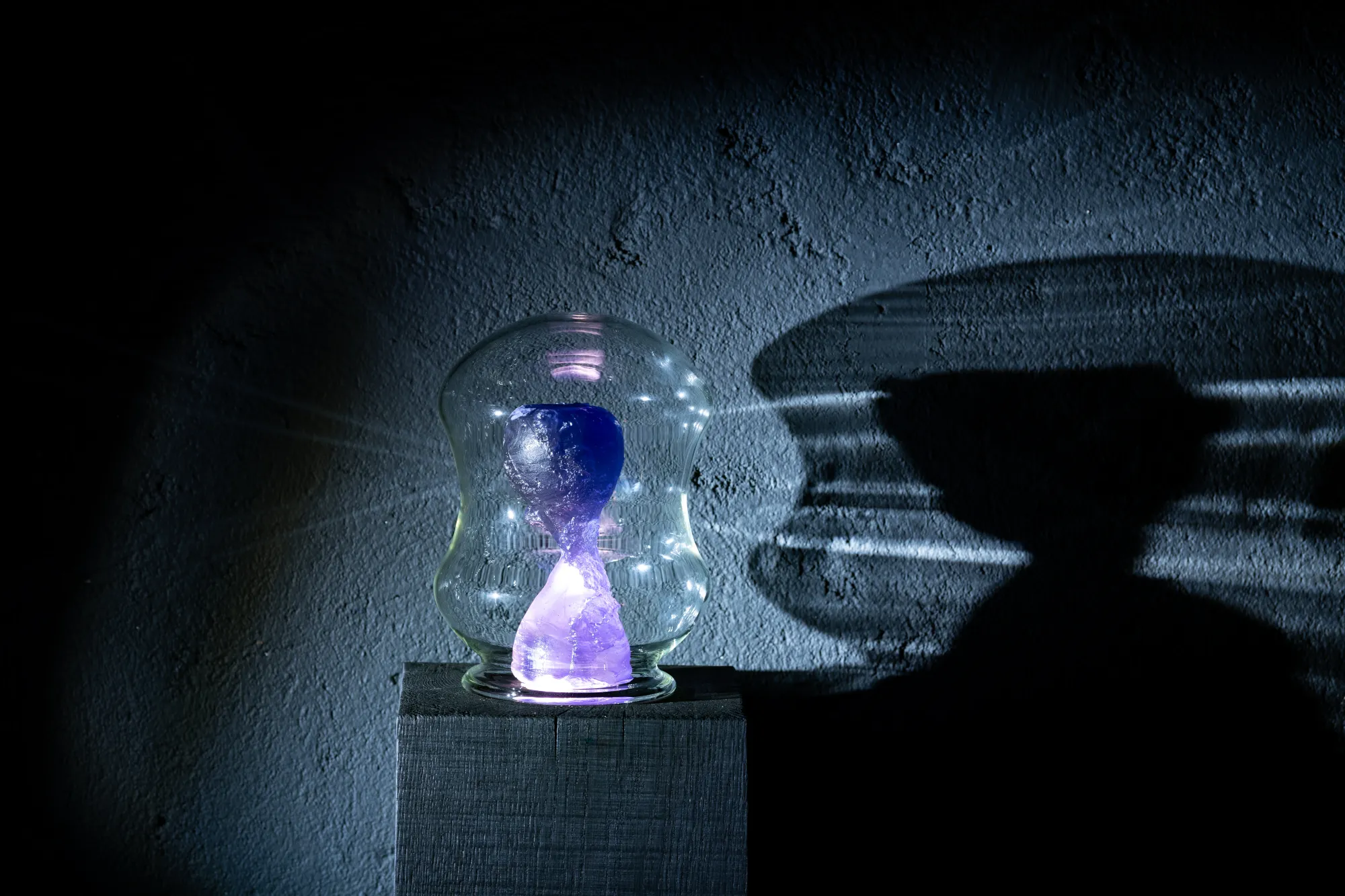
Small shifts do the work. Walking slows. Orientation becomes uncertain. The body becomes aware of itself through subtle displacements.
These environments recalibrate perception rather than overwhelm it. Their effect lingers, not as an image, but as a bodily afterthought.
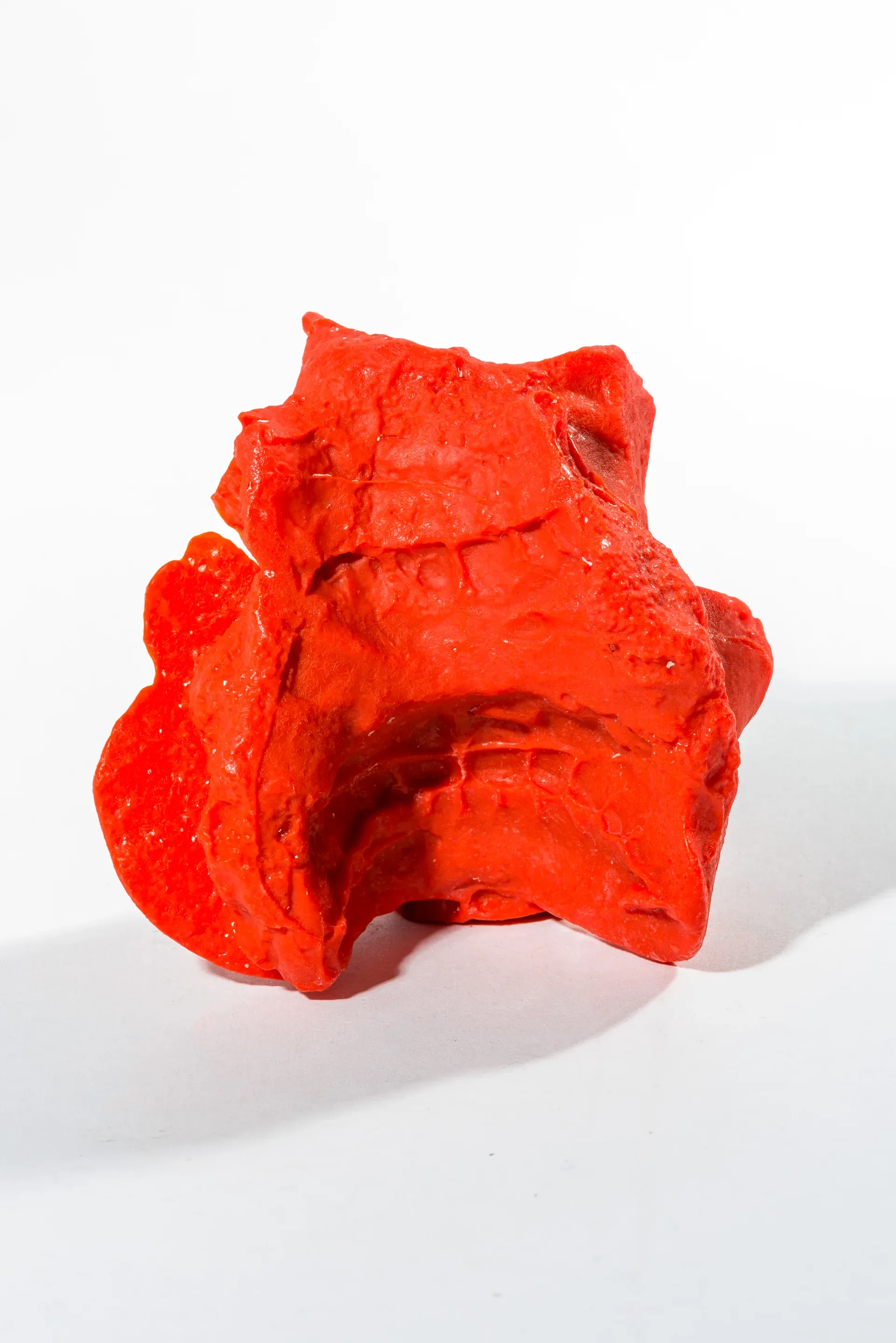
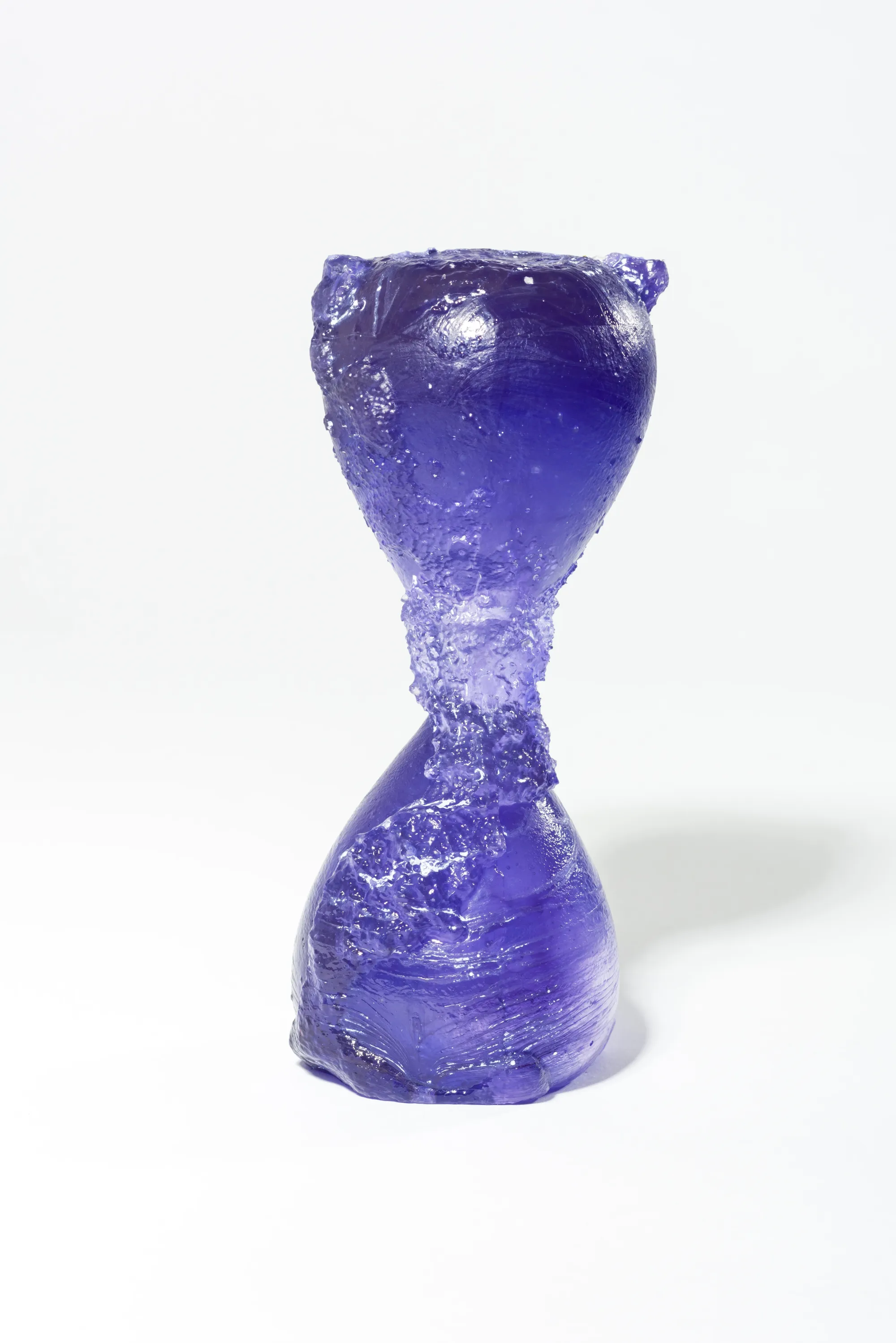
Nadine Karl: as far as I feel - about thoughts and throughs. Installation, 2024. Abschlussausstellung. Kunstakademie Düsseldorf. Photo: Raumansichten: Jana Buch, Glastalismane: Anna Jocham. Courtesy of the Artist
Why this work matters
Nadine Karl’s work matters because it proposes a different relationship to time and environment.
In a moment shaped by acceleration and extraction, her installations insist on slowness, care, and relational thinking.
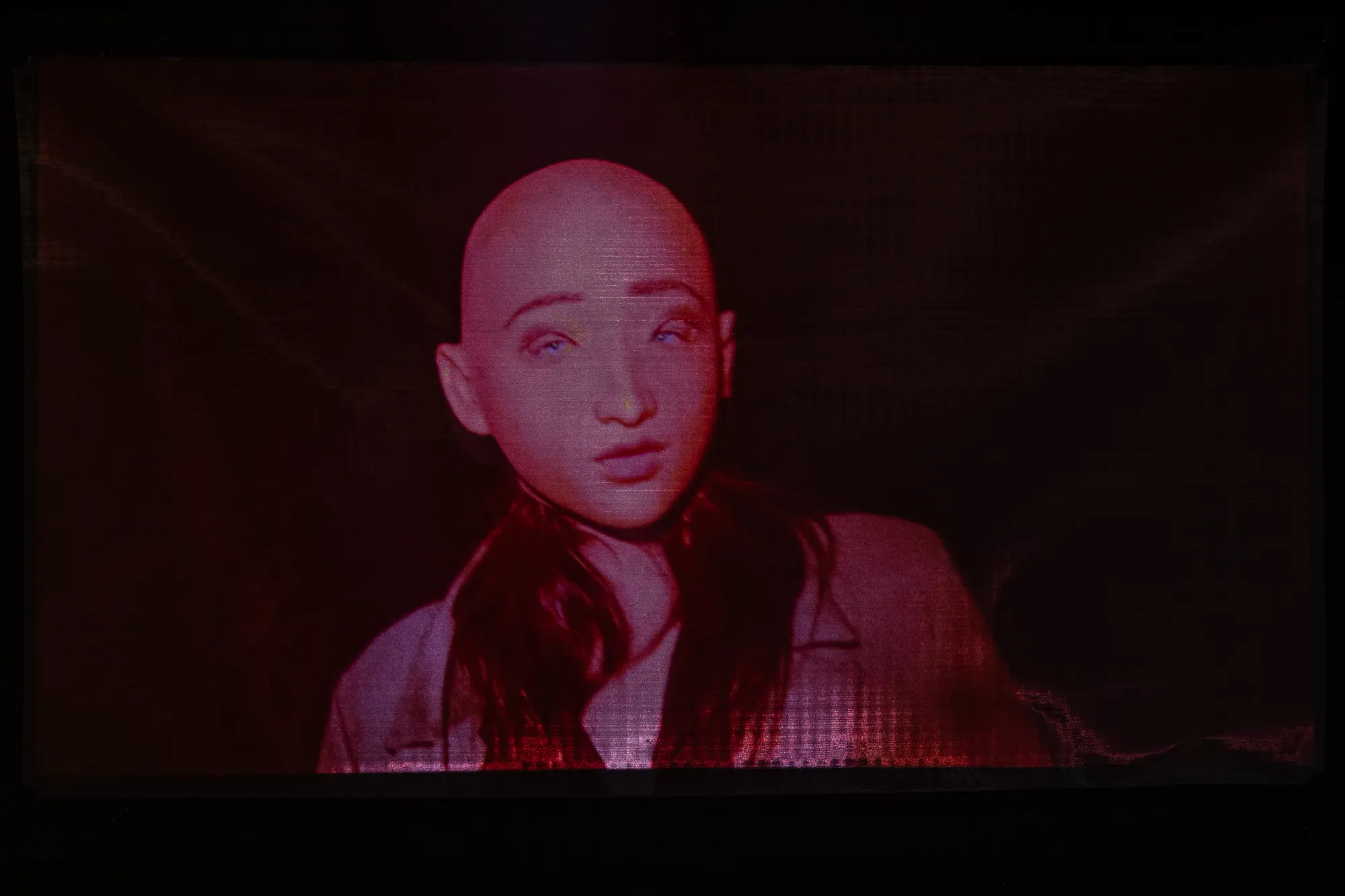
They show how memory can settle into matter, and how space can become an archive without authority.
Her practice offers a way of sensing the world that is attentive, vulnerable, and quietly resistant.
About Nadine Karl
Nadine Karl, born in 1990, is a German-based artist working across installation, sculpture, photography, and immersive spatial research.
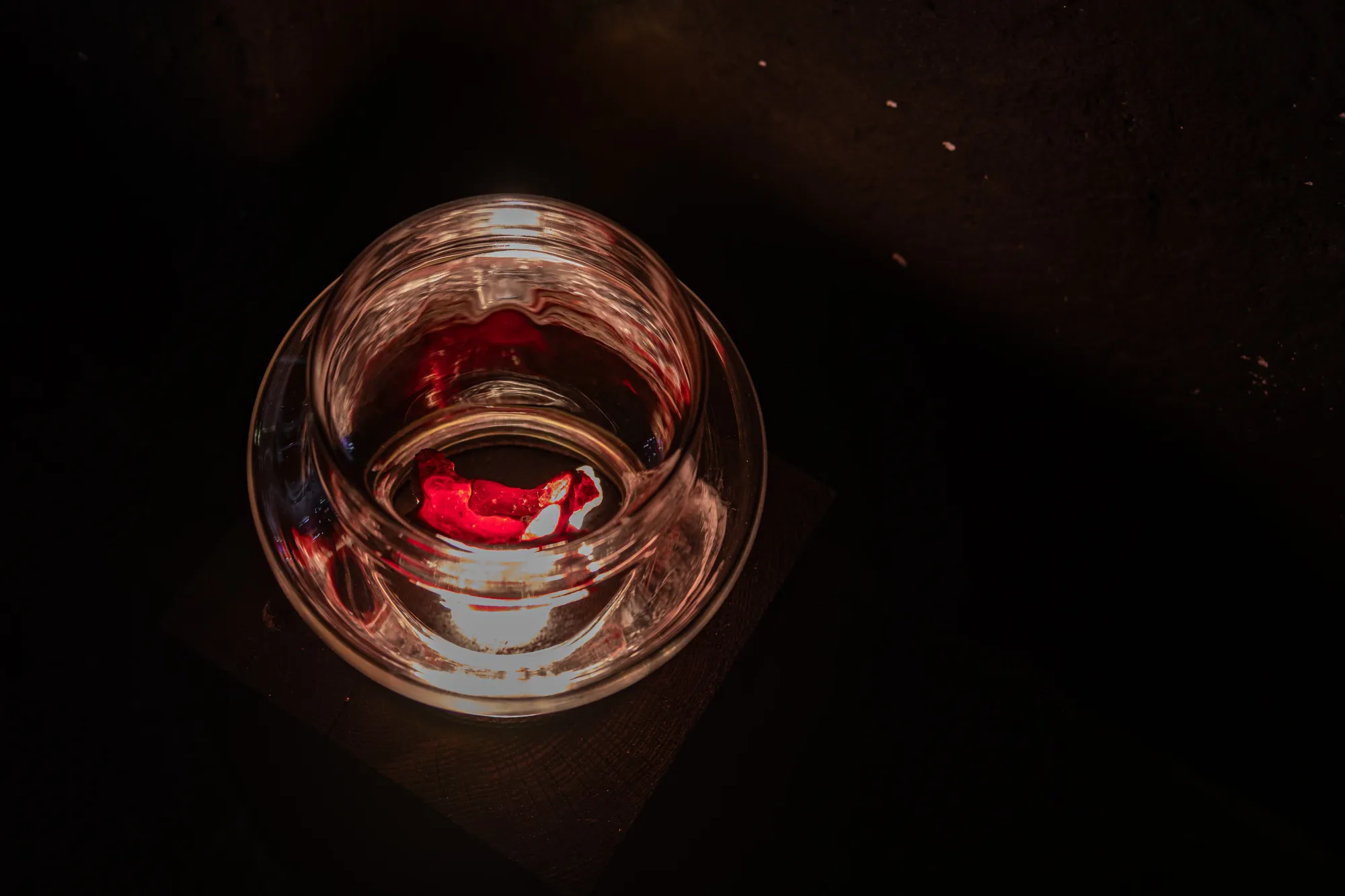
She studied at the Kunstakademie Düsseldorf with Dominique Gonzalez-Foerster and Gregor Schneider from 2019 to 2024 and was appointed Meisterschülerin (Master student) during her studies.
Before her academic training, she worked as a theatre sculptor at various German stages, developing a strong sensitivity for material and spatial dramaturgy.
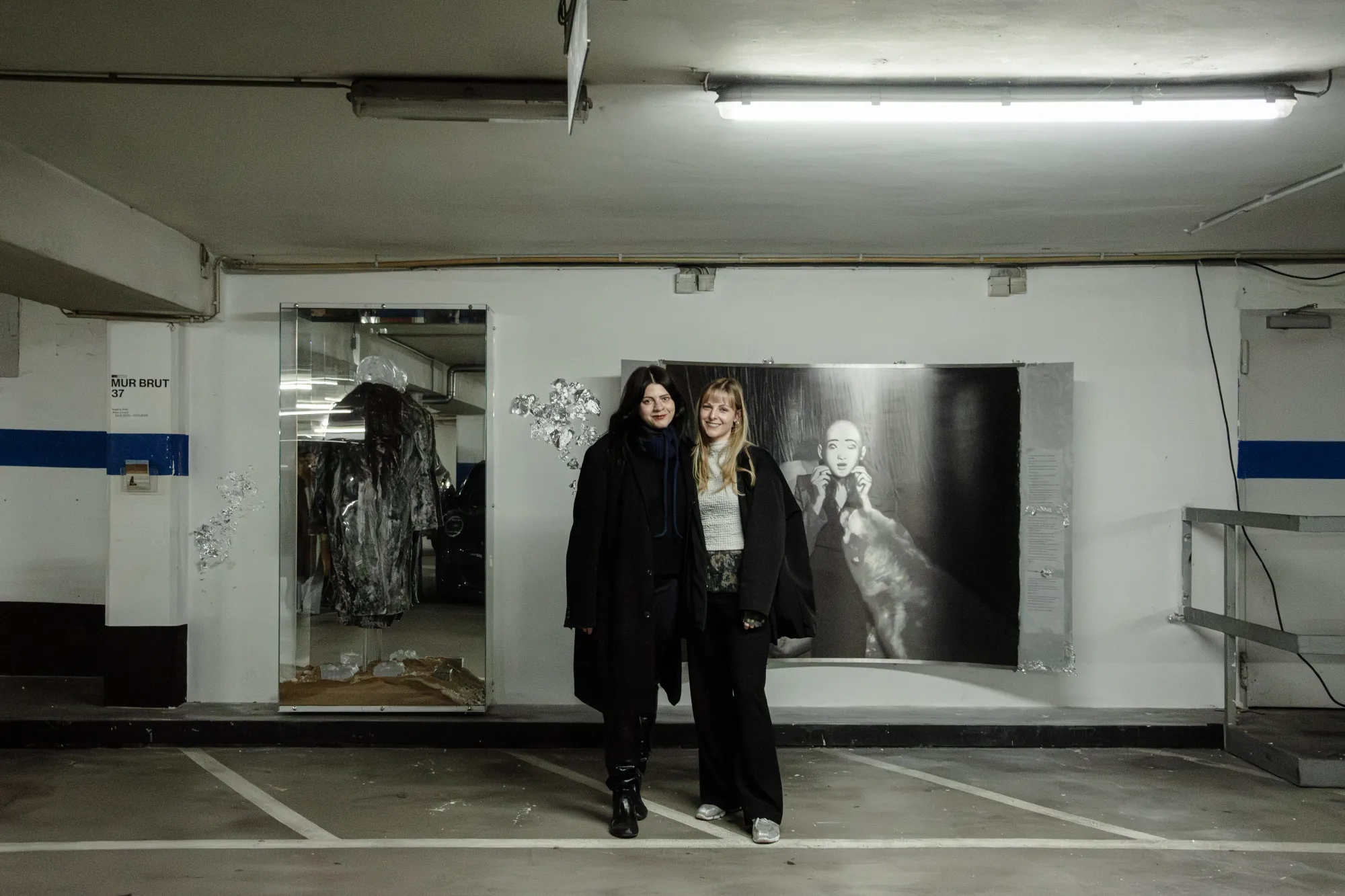
Her work has been presented at Kunsthalle Düsseldorf, the Julia Stoschek Foundation, the Langen Foundation, the Storage Museum, and the Parliament of North Rhine-Westphalia.
Follow Nadine Karl on Instagram, check out her website and share this with someone who trusts quiet intensity.
More to Read:
 Dominique Catherina Foertig
 Dominique Catherina Foertig
We work with a limited number of artists and galleries each season. Selected collaborations are paid and curated.
More information here.
 Dominique Catherina Foertig
Preview: Spark Art Fair