What Does the Image Owe to the Oil That Made It?

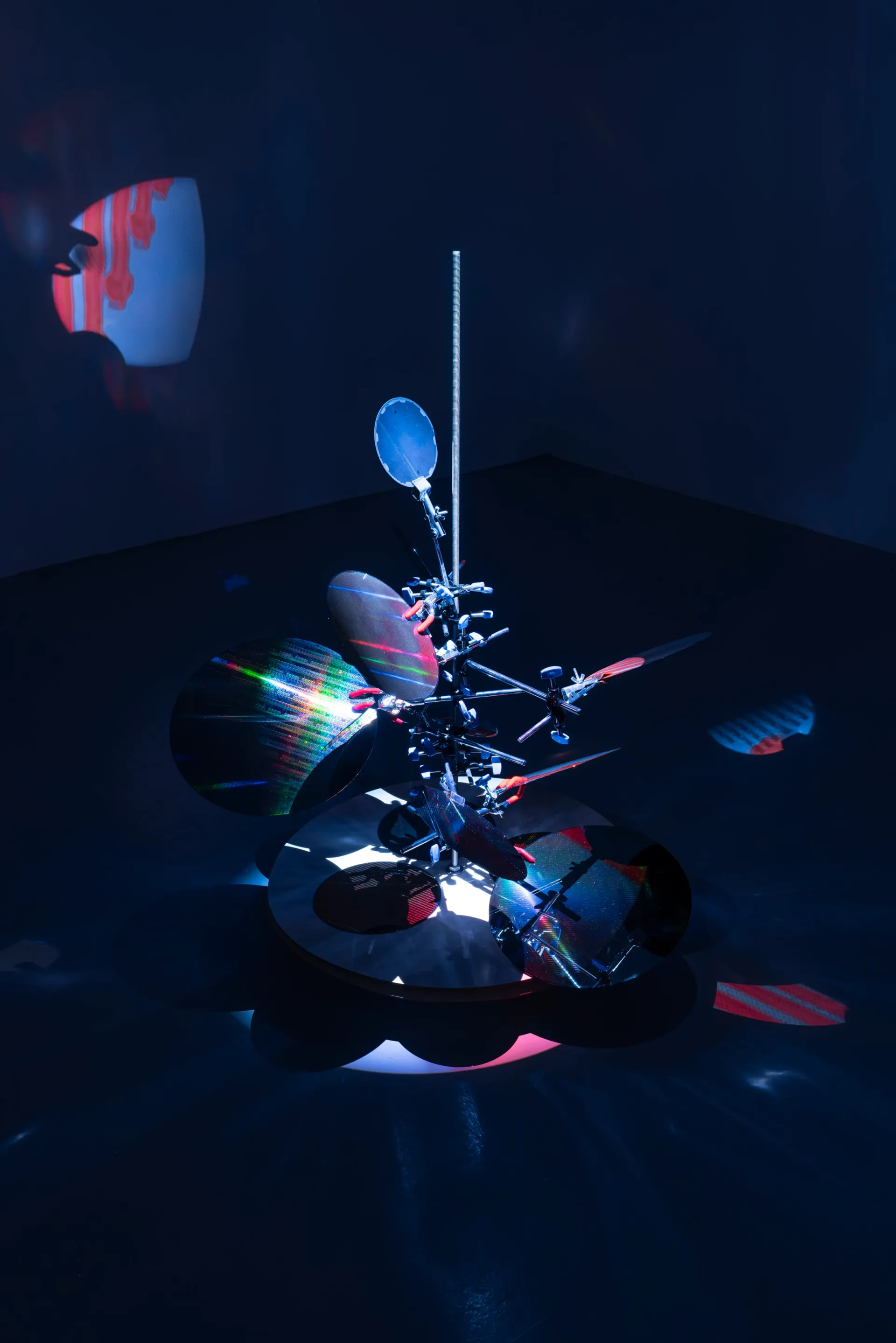
Kaya & Blank
Infrascapes
basis e.V.
Frankfurt, Germany
-
Gutleutstrasse 8–12, 60329 Frankfurt, Germany
Lukas Picard
Kaya & Blank
Courtesy the artists and basis e.V.
presse@basis-frankfurt.de
basis e.V. Presents Infrascapes by Kaya & Blank, Frankfurt
The systems that keep industrial societies running tend to disappear from sight precisely because they are everywhere.
They become landscape, background noise, infrastructure that reads as nature. Işık Kaya and Thomas Georg Blank work in that gap between what sustains us and what we choose not to see.
Photography was never innocent of the extraction it depicts. Kaya & Blank turn the medium against itself - exposing industrial landscapes on the very materials those landscapes have consumed.
basis e.V. in Frankfurt occupies a position in the city that already carries this ambivalence: Gutleutstrasse lies in the Gutleutviertel, a former industrial quarter adjacent to the Main riverfront, close to the port and logistics infrastructure that still defines Frankfurt's western edge.
The decision to stage the first comprehensive exhibition of Kaya & Blank here is not incidental, the building itself sits within the logic the artists are examining.
Crude Aesthetics, installed in the first room, sets the terms. A video work trains its gaze on the oil pumps and refineries embedded in the urban fabric of Los Angeles, a city where petroleum infrastructure appears alongside suburban streets, shopping plazas, and drive-throughs as if it always belonged.
Alongside the video, heliograph plates hold images of that same culture: Carvana vending machines, interstate systems, parking lots.
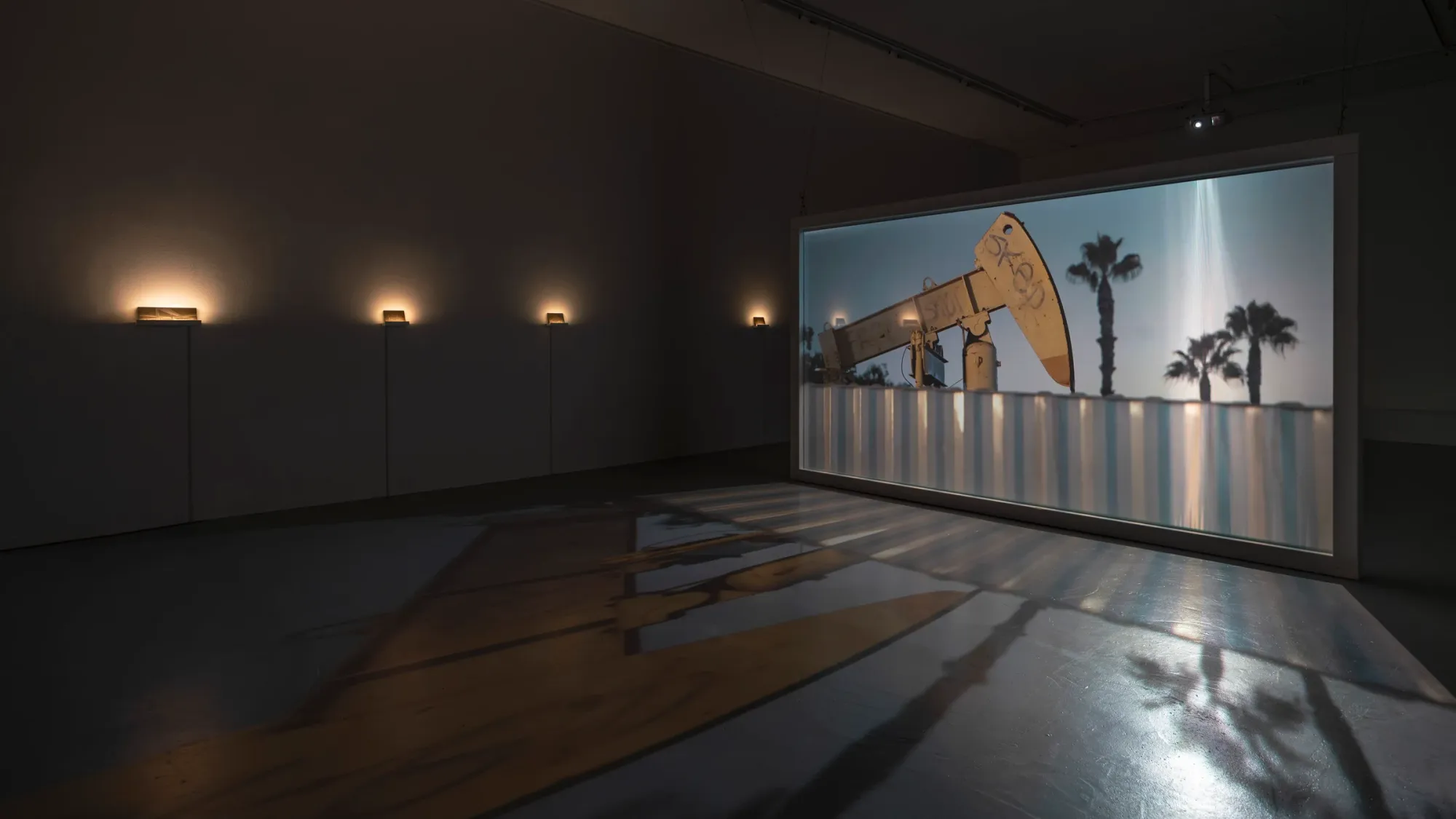
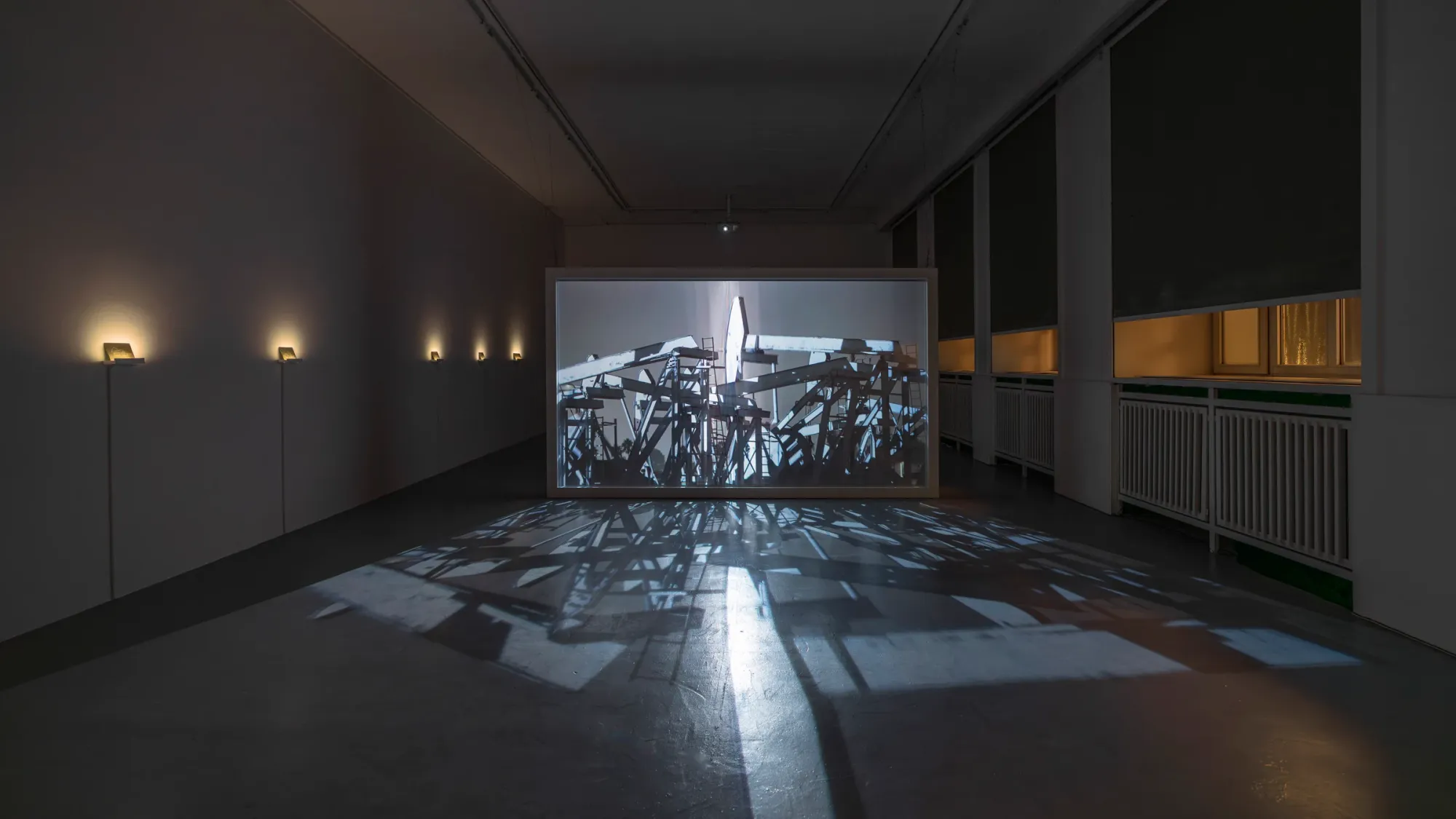
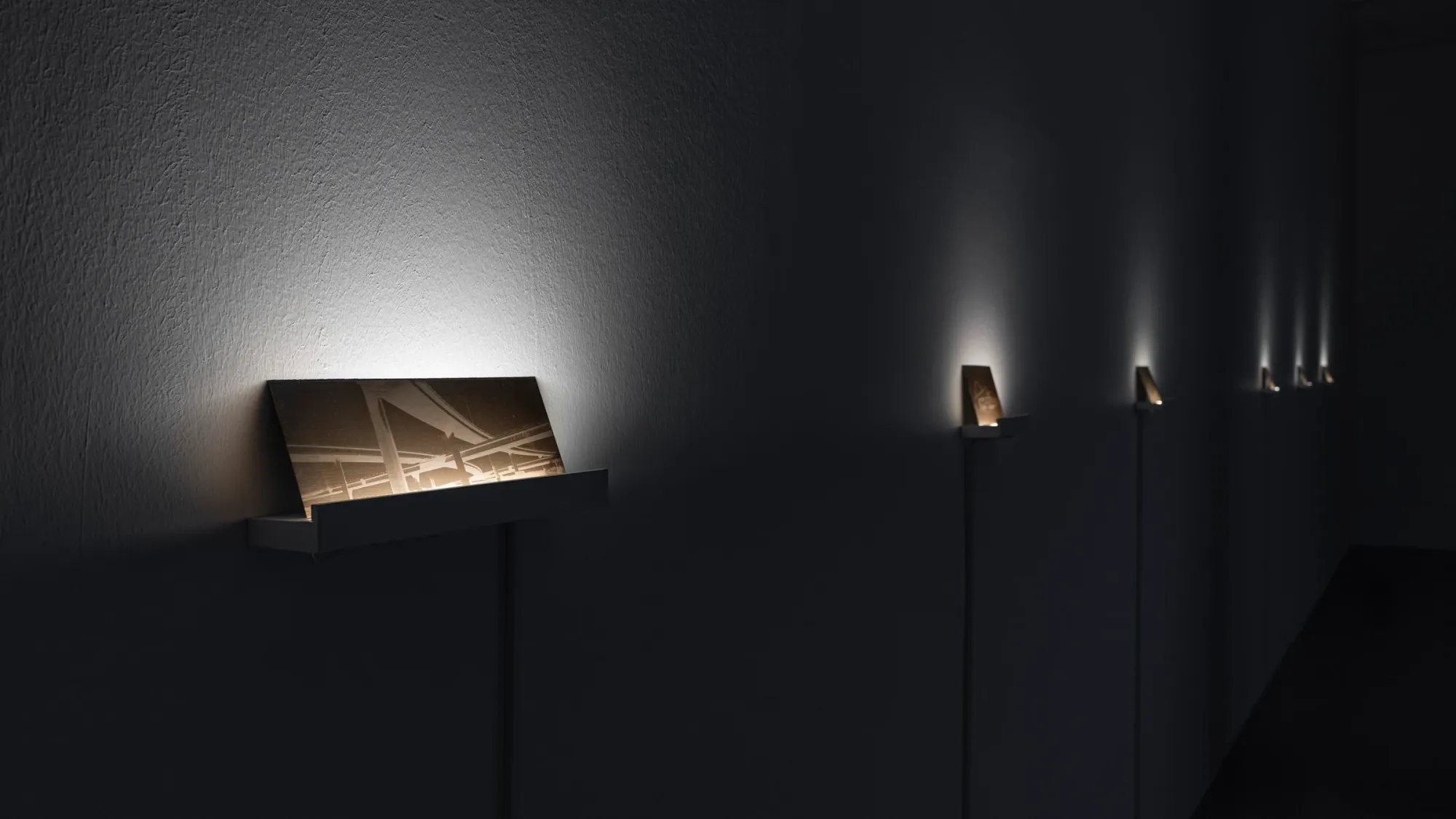
These photographs were made using bitumen collected from the La Brea Tar Pits, the same naturally occurring petroleum tar that Joseph Nicéphore Niépce used in what is considered the earliest surviving photograph, created around 1826.
The technical choice carries an argument: photography, from its first moment, was a material practice entangled with extraction.
Intermodal occupies three rooms and takes the ports of Los Angeles and Long Beach as its subject, the largest port complex in the United States, moving more than 15 million containers each year.
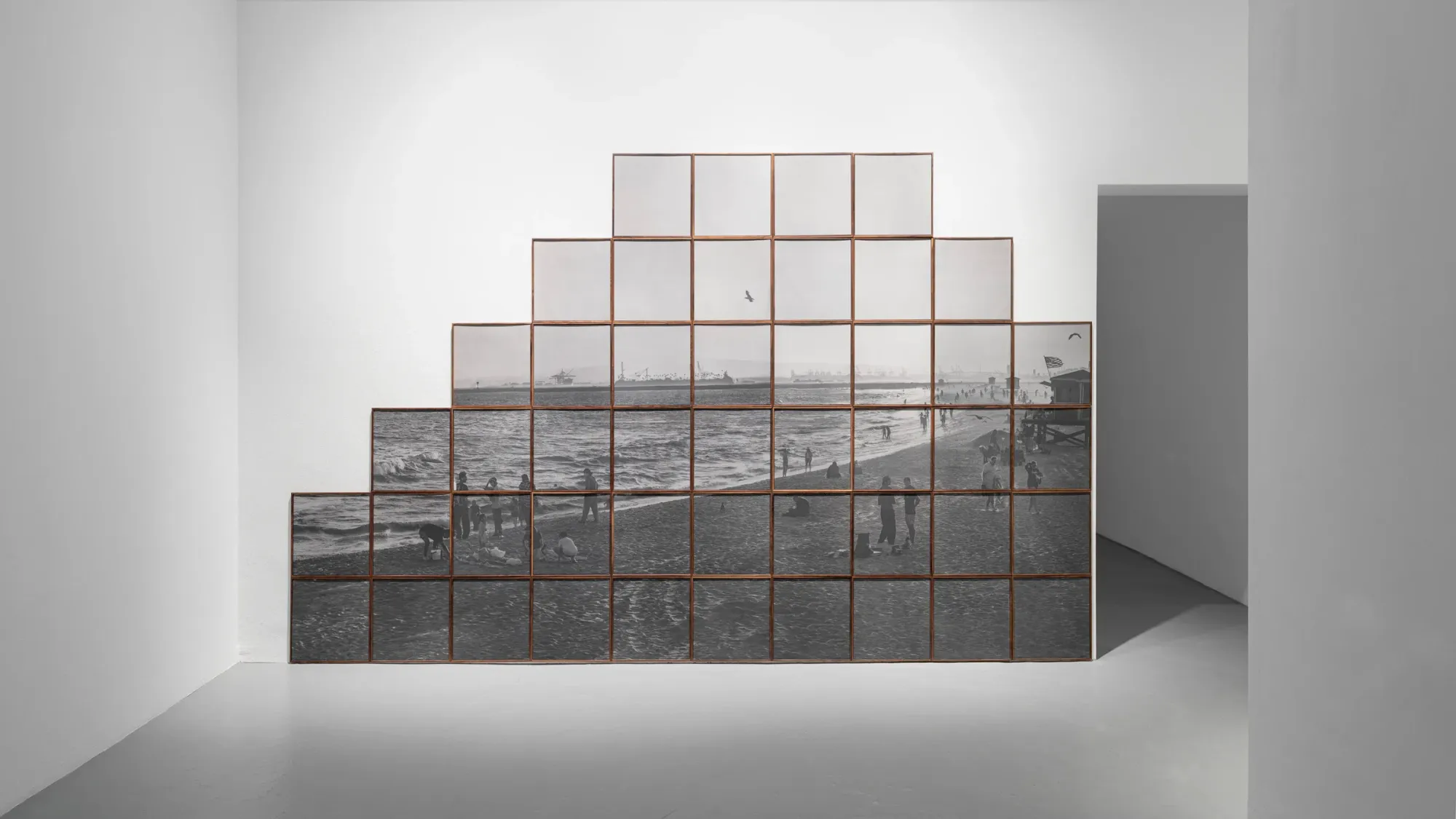
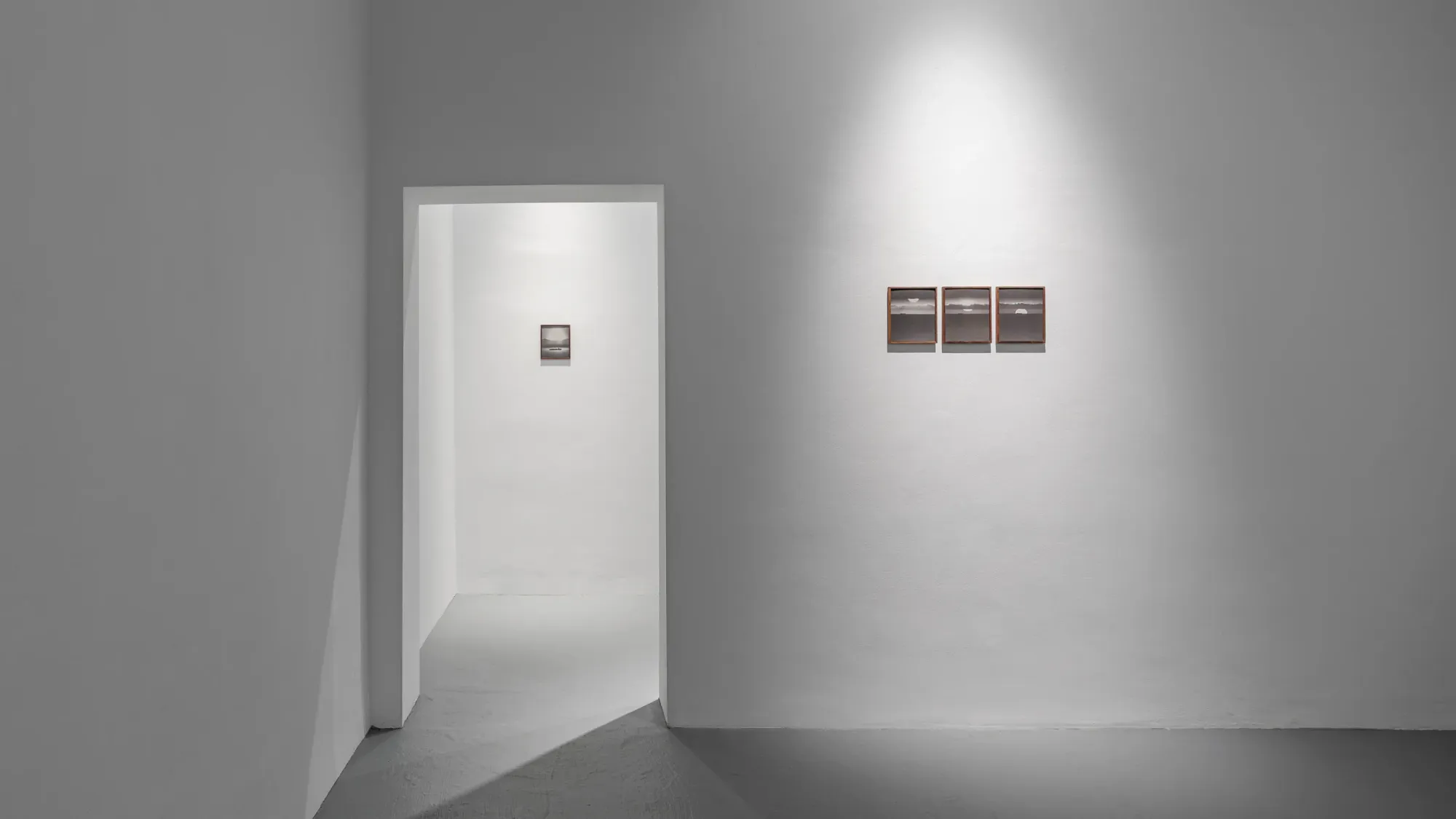
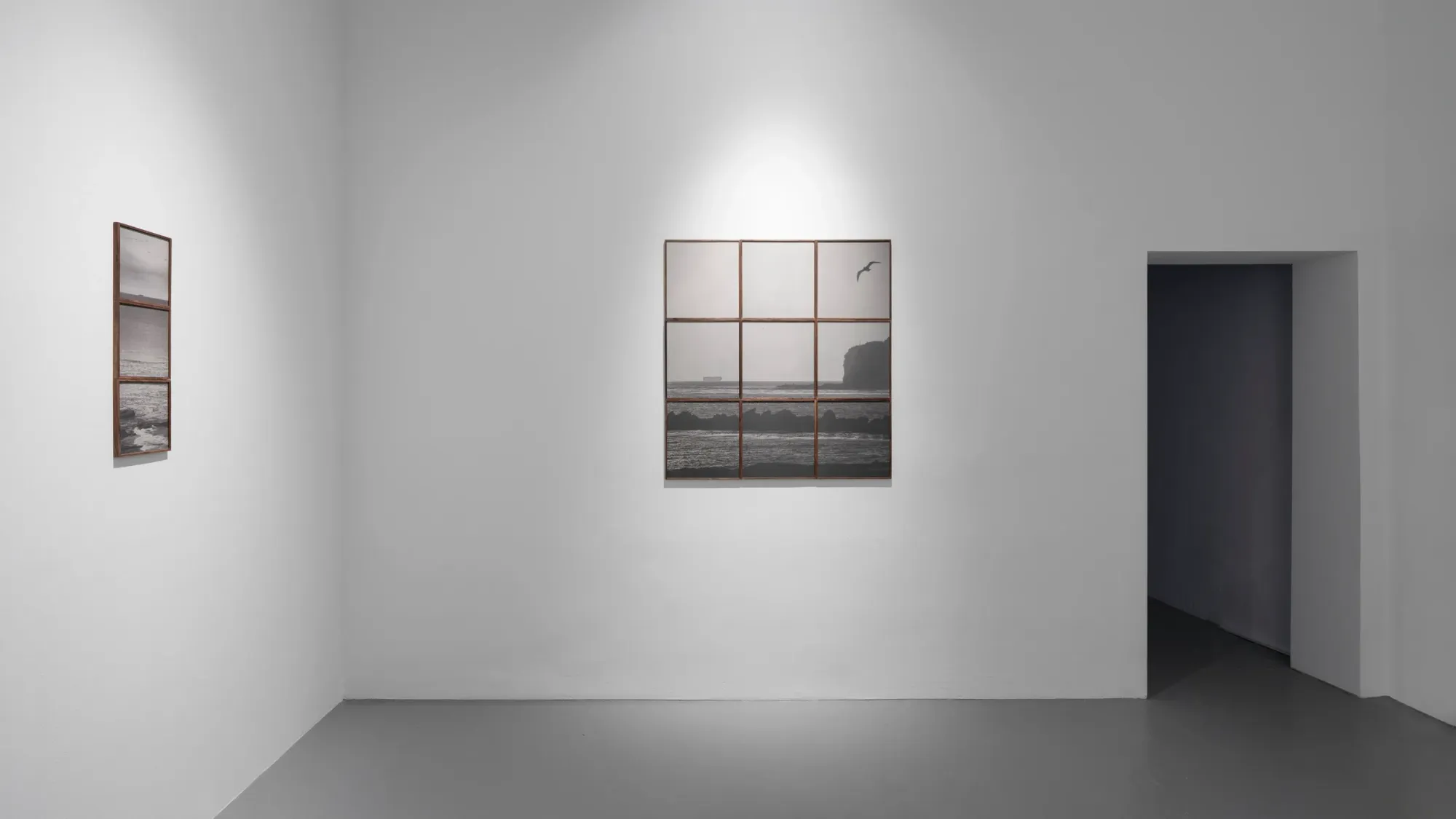
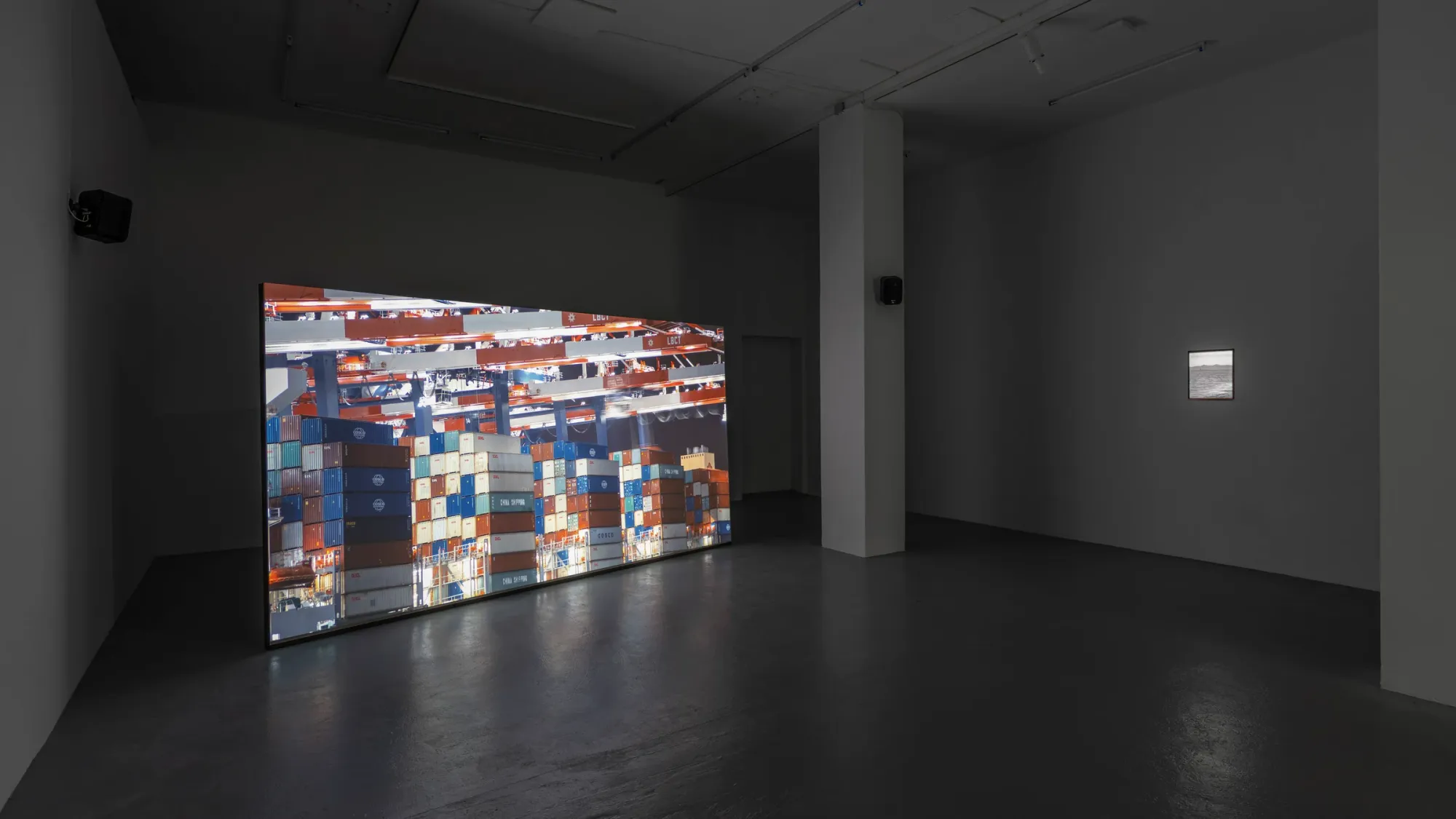
The salt prints here expose scenes of container ships on the horizon, leisure beaches framed by oil rigs, tankers moving through ordinary light.
But the paper on which these images were exposed was soaked in seawater drawn directly from those ports. The chemical contamination of the collected water leaves faint residues in each print, the pollution of the image is the pollution of the place.
The salt print process, developed in the nineteenth century, opens a historical dimension that runs alongside the contemporary scale: the infrastructure of global sea trade is as old as the photographic medium that now records it.
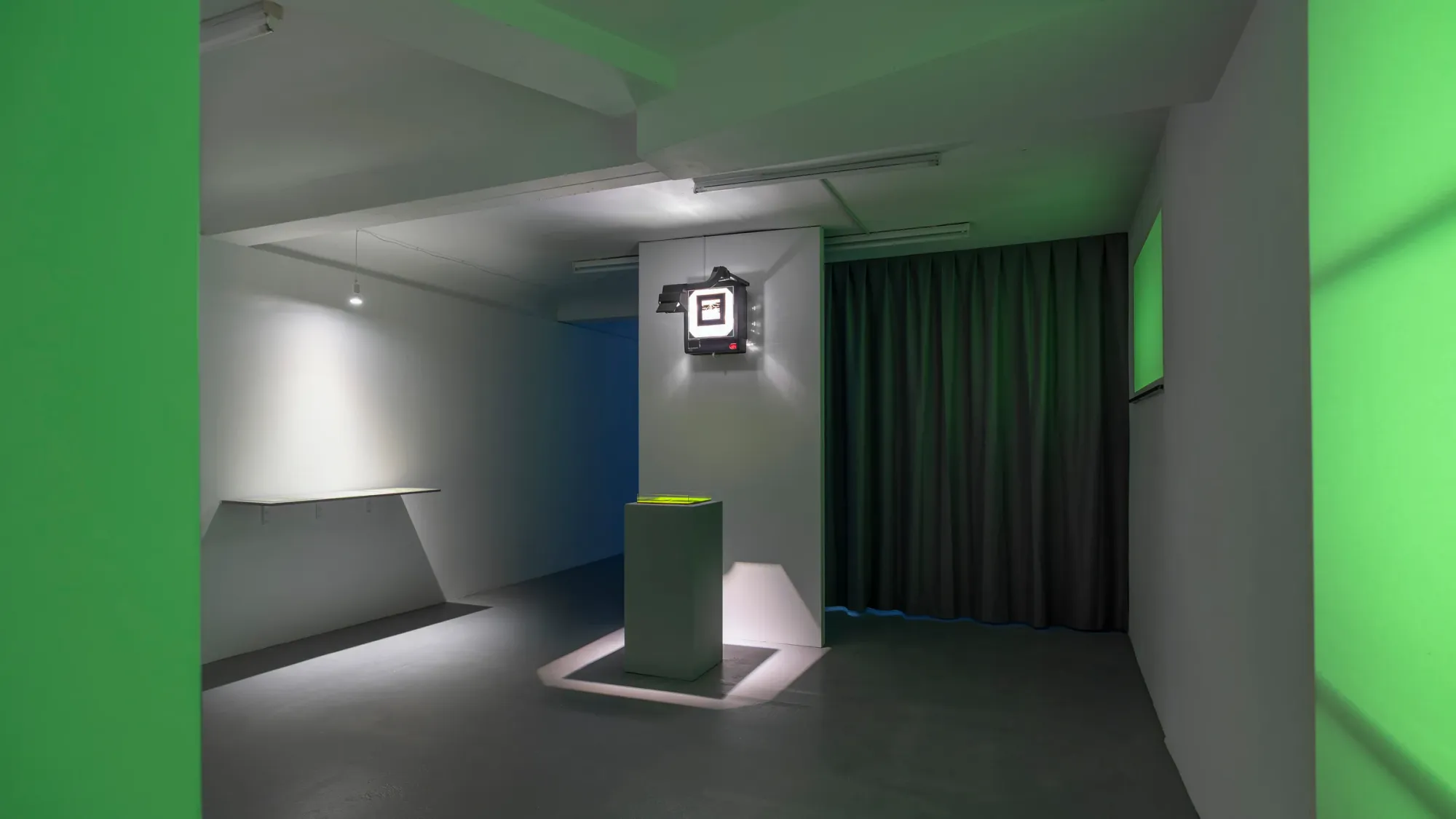
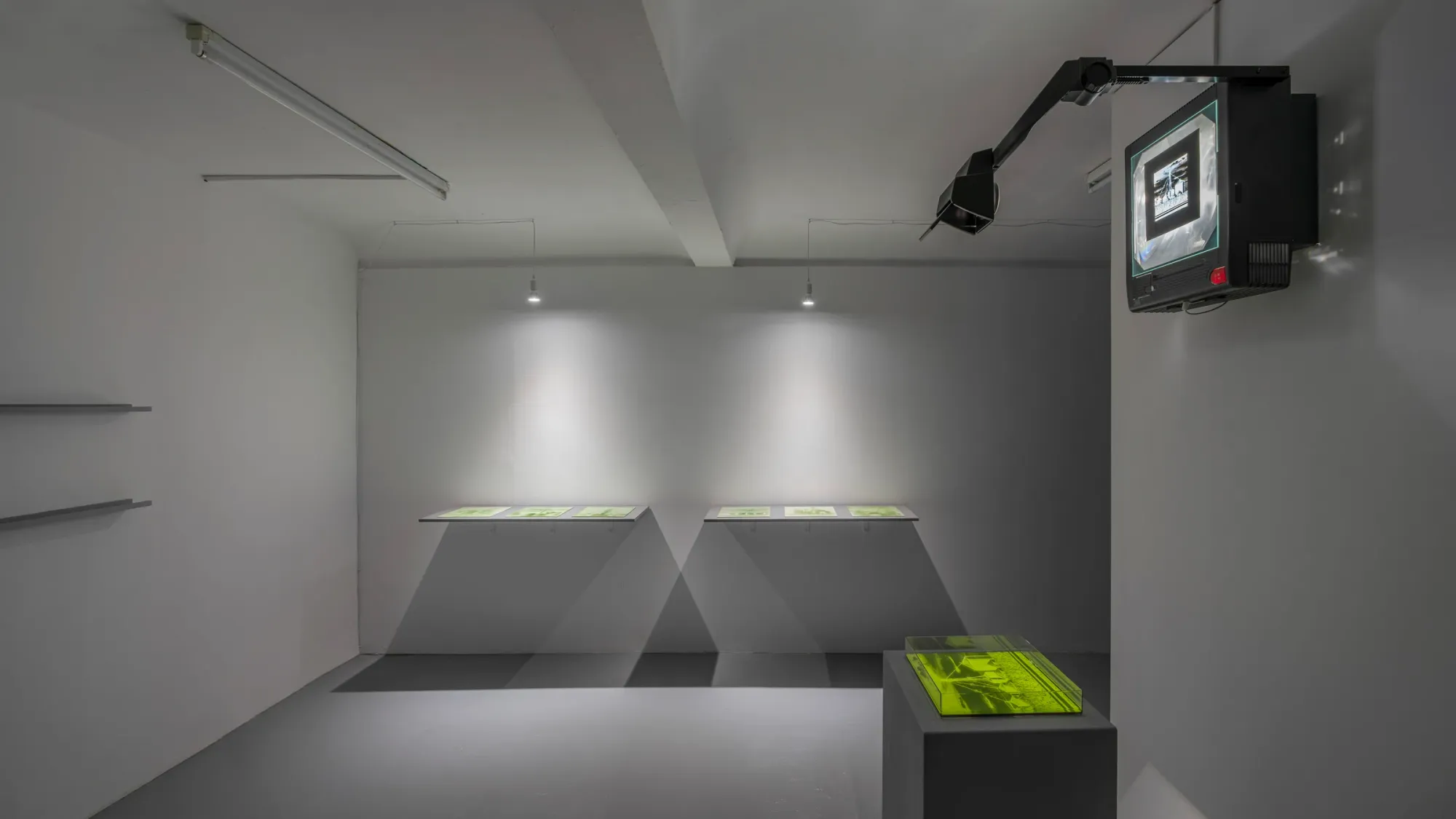
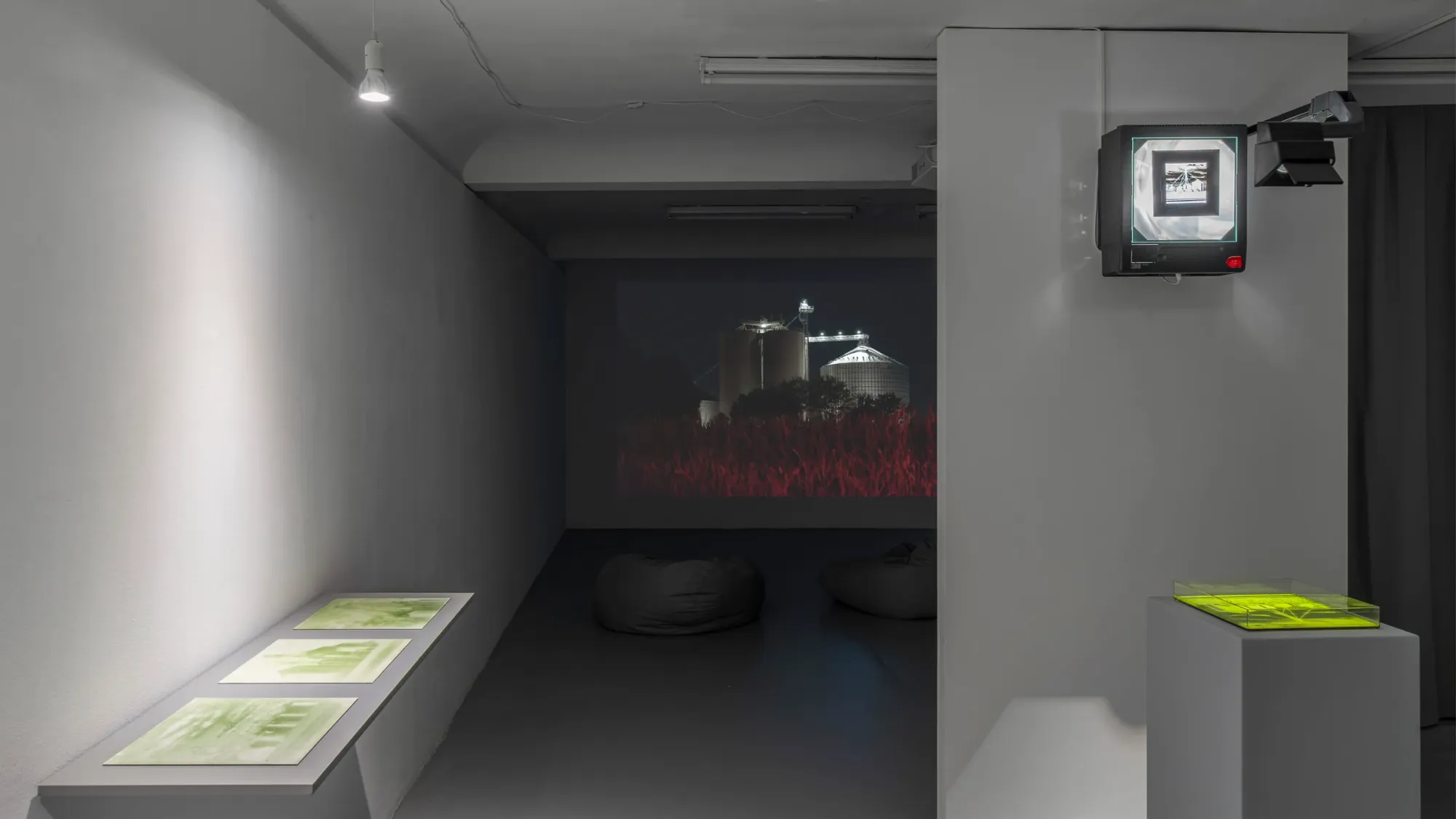
Bloom shifts register. The work moves inland to Ohio and the Great Lakes region, where monoculture corn production on an industrial scale produces a secondary consequence: excess fertiliser enters surrounding waterways and triggers algal blooms.
Kaya & Blank developed a method of exposing photographs using living algae, a process that takes days, during which the images literally grow and require attention.
The resulting works hold their own fragility against the retro-futuristic grain bins they depict. The procedure produces images of monoculture from a process that monoculture itself generates as waste.
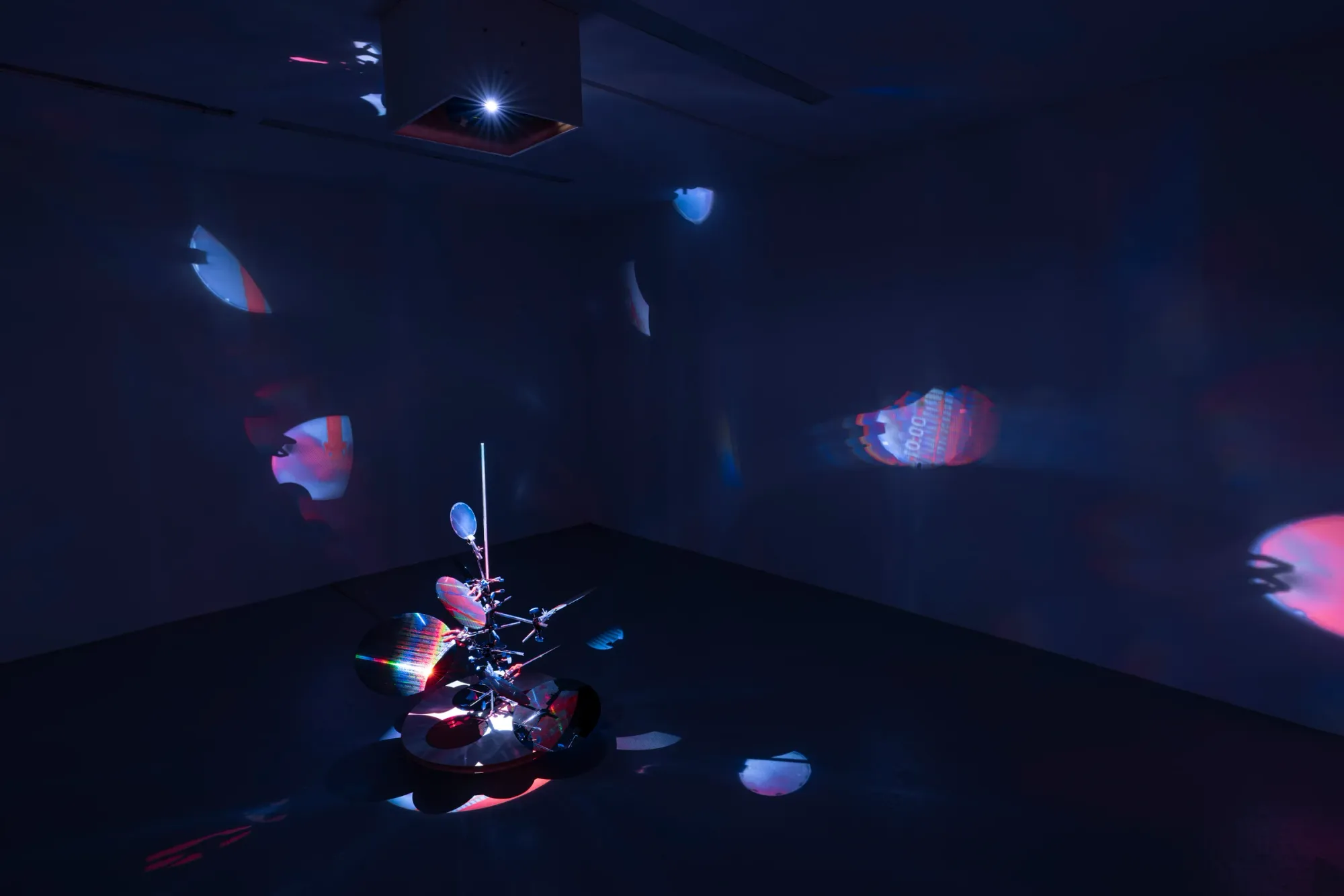
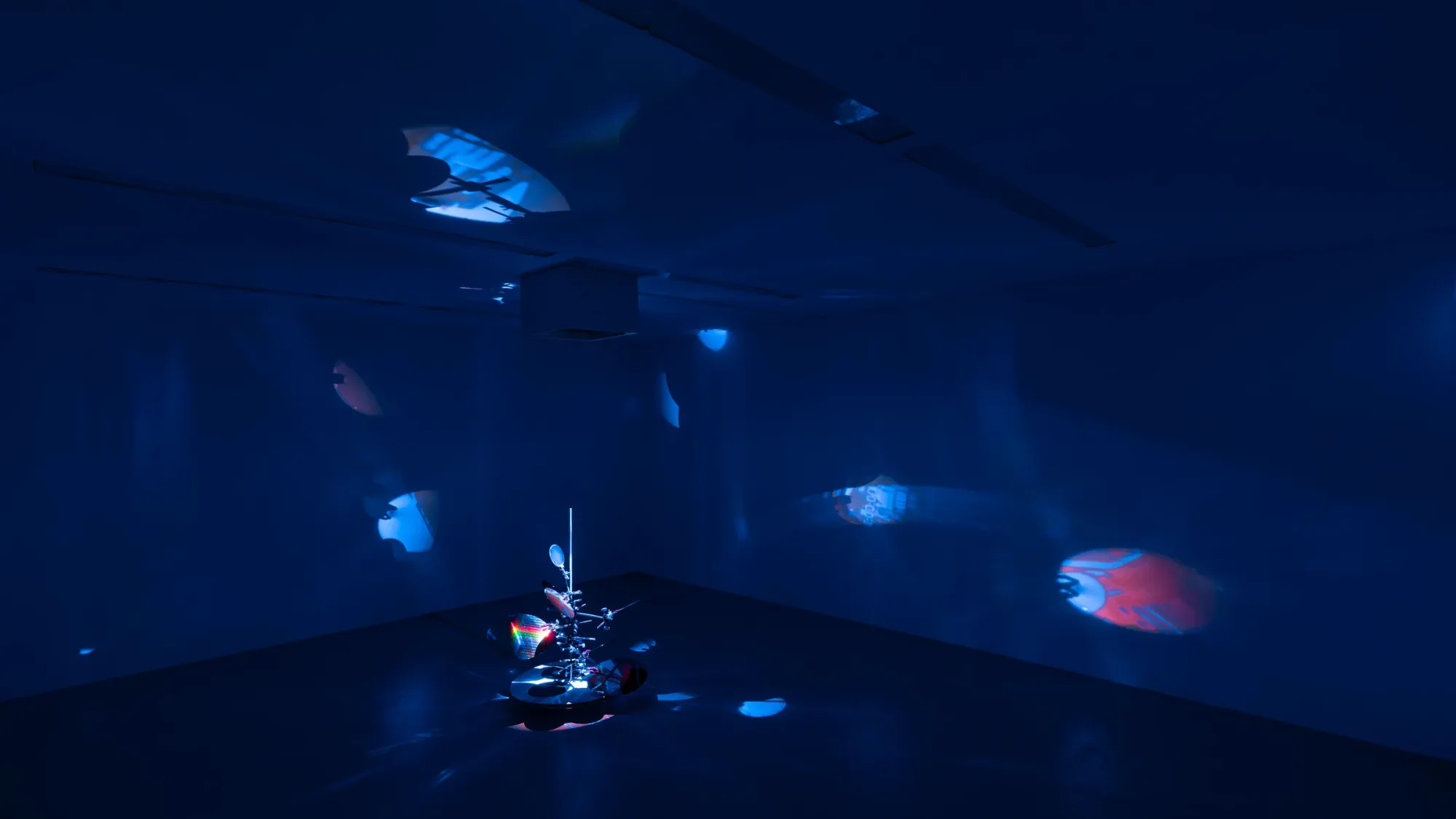
Monuments and Stream continue the reckoning, with further documentation of the infrastructural architectures that define the North American landscape at night, towers, pipelines, motorways, rendered in a visual language that holds the distance of observation rather than the intimacy of critique.
The nocturnal frame is not atmospheric styling; it is a formal decision that removes the human figure and allows the scale of these systems to read without mediation.
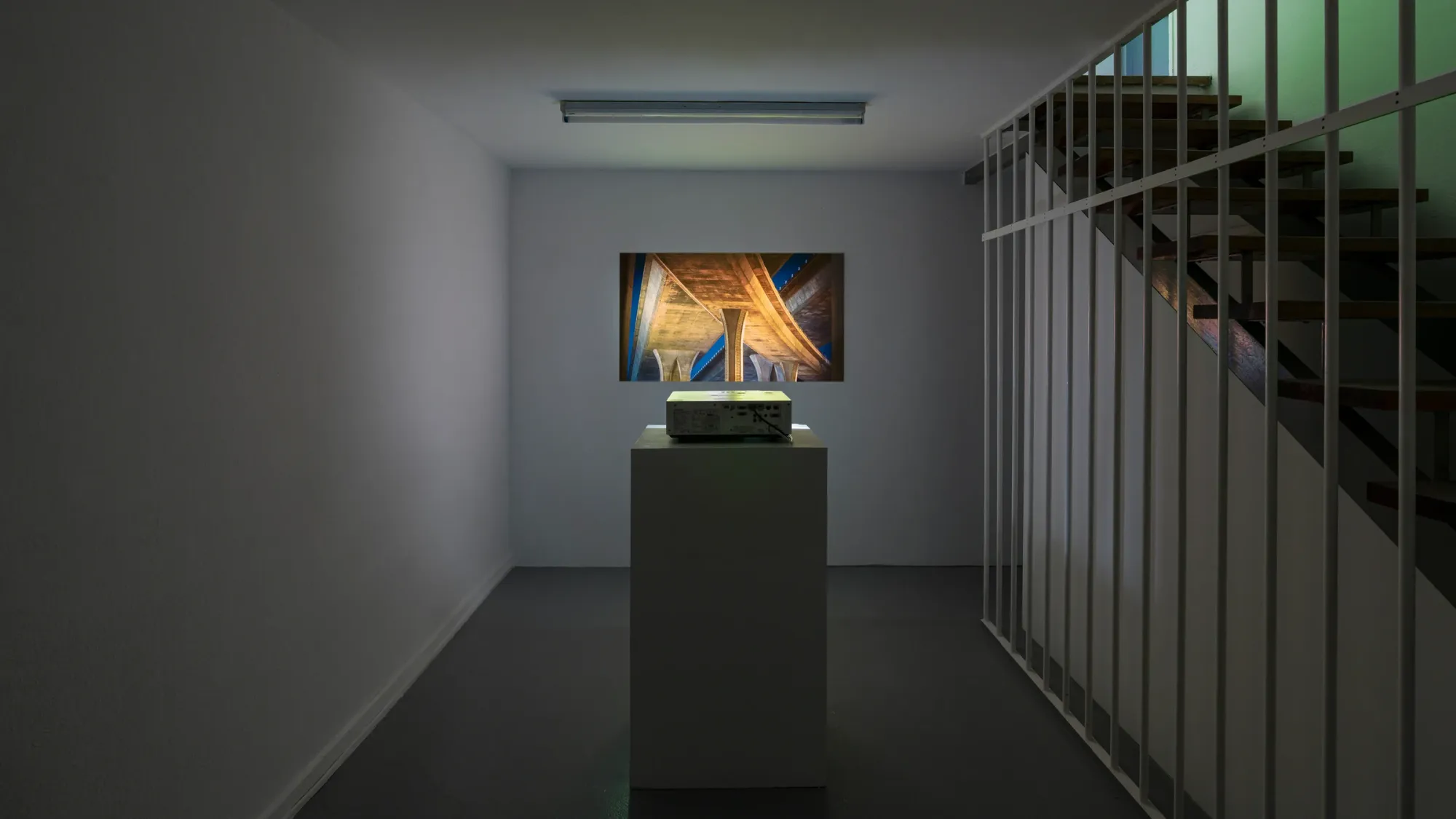
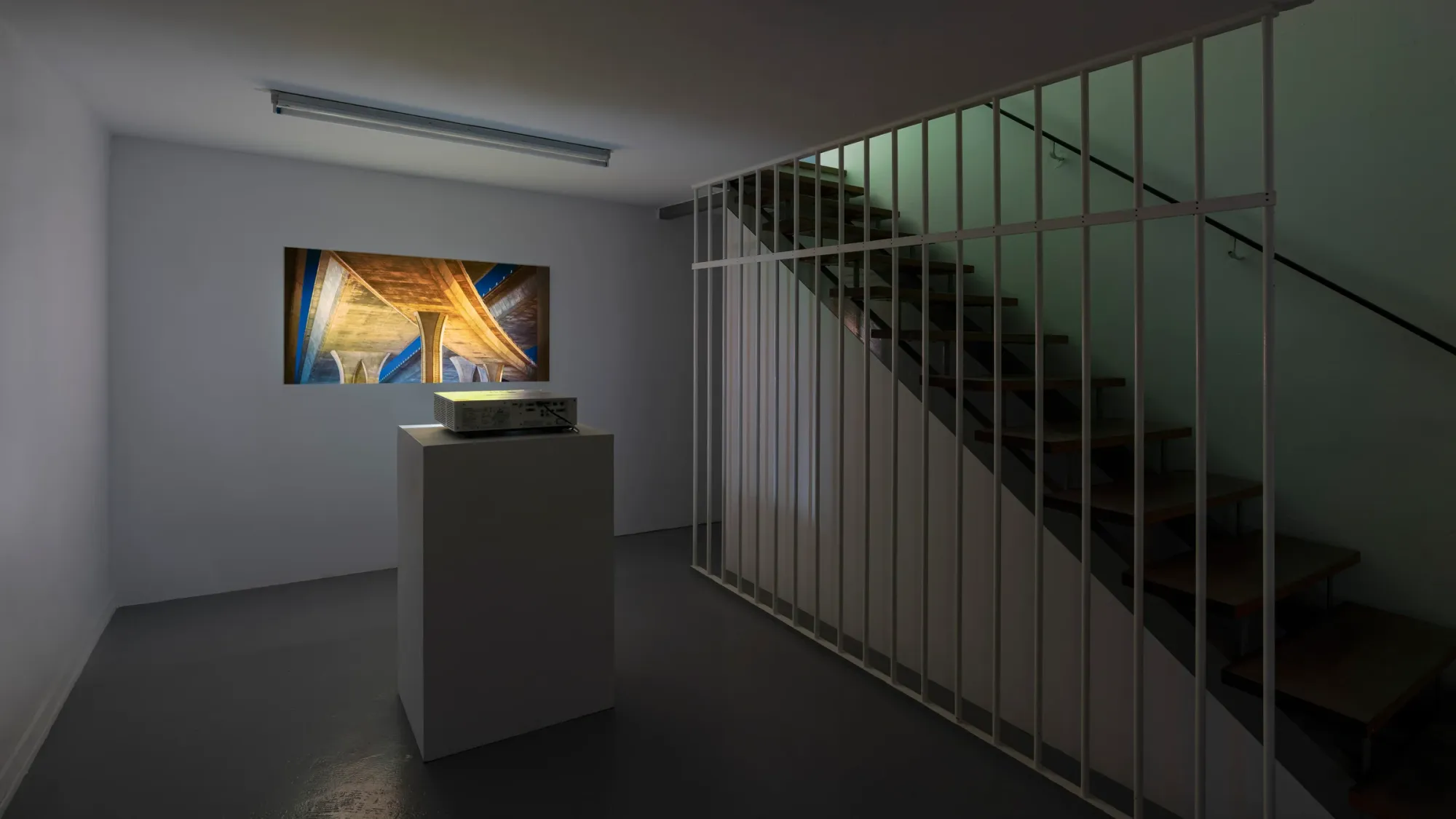
Fossil fuel consumption has not declined in line with the rhetoric surrounding it. The persistence of petro-culture, as the exhibition text notes, runs parallel to the accumulation of its traces, microplastics, contaminated waterways, algal blooms, carbon in the atmosphere.
Kaya & Blank bring those traces into the image itself, making the photograph not a representation of extraction but a product of it. Whether that reframing changes how we encounter these landscapes, or merely adds another layer of knowing distance to them, the exhibition does not resolve.
Instagram Basis e.V, Frankfurt
Kaya & Blank on Instagram
Lukas Picard on Instagram
About Catapult
This is an artist interview published by Catapult — an independent editorial platform for contemporary art, based in Vienna. We publish exhibition reviews, artist features, interviews, and critical context, with a focus on emerging and mid-career practices from Europe and beyond.
catapult.art
Want to be featured? Submit your work →
Related Readings
No spam, no sharing to third party. Only you and me.