What Does It Mean to See What Another Person Thinks?

Ferdinand Dölberg
You see what I might think and the pipes hear what the others see
Anton Janizewski
Berlin, Germany
—
Weydingerstraße 10, 10178 Berlin
Philipp Hindahl
Julian Blum
Courtesy Anton Janizewski
info@antonjanizewski.com
Anton Janizewski Presents You see what I might think at Weydingerstraße, Berlin
Consciousness holds on to what it cannot release. The thought that forms inside a mind remains, at some fundamental level, inaccessible to any other, a sealed architecture of inner speech that no shared space can fully bridge. This is the condition Ferdinand Dölberg's new exhibition sets out to inhabit, not as diagnosis but as spatial and pictorial form.
The show stages monadic isolation as formal method, five cabinets in which painting and viewer coexist without the possibility of full encounter. What is seen is always partial; what is thought, always elsewhere.
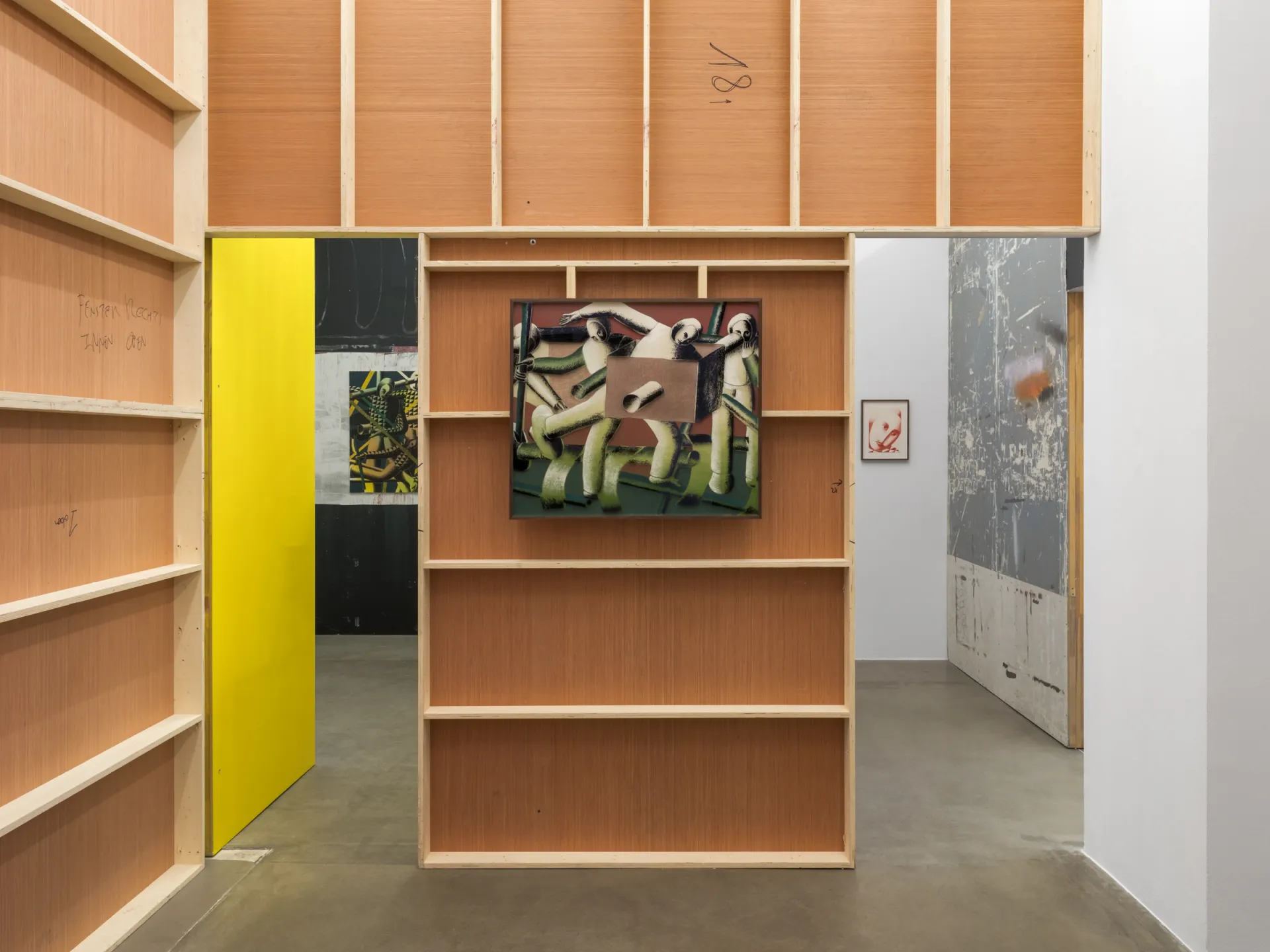
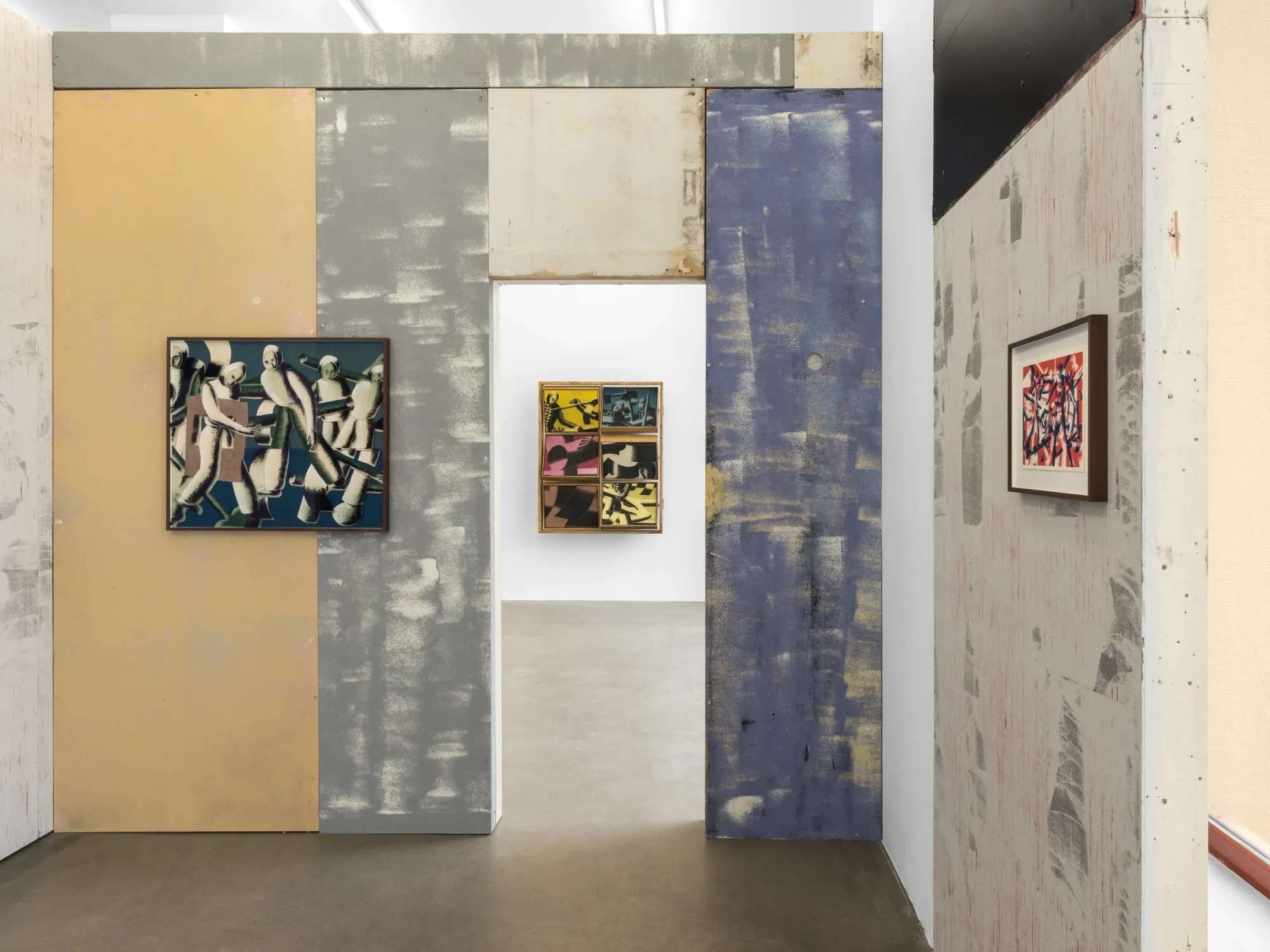
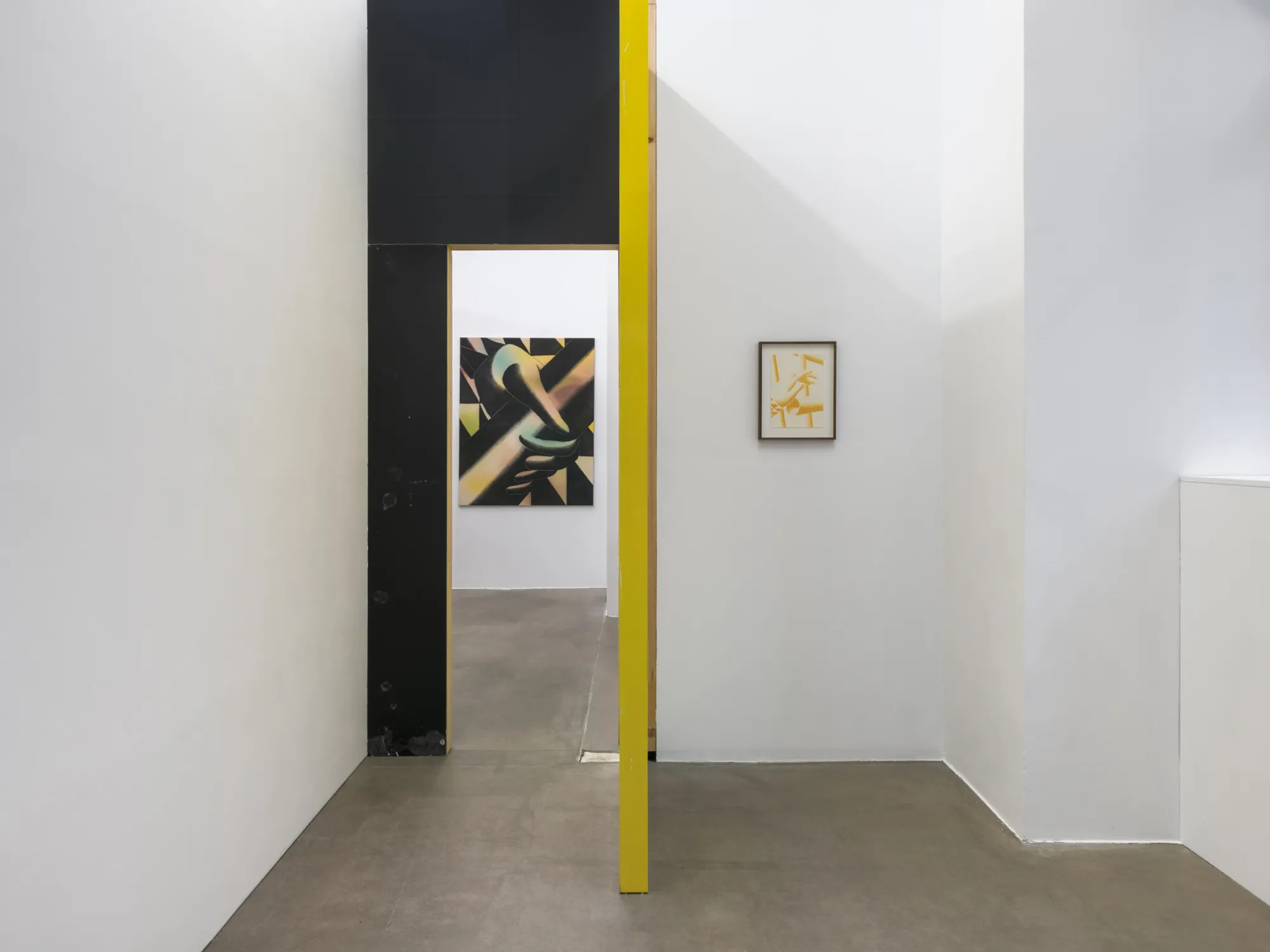
Anton Janizewski's space on Weydingerstraße in Berlin-Mitte holds five cabinets, enclosed receptacles that visitors can enter but cannot see through entirely. Connected by narrow gaps, they allow partial glimpses and sounds to pass between adjacent spaces, producing a sensation of proximity without access.
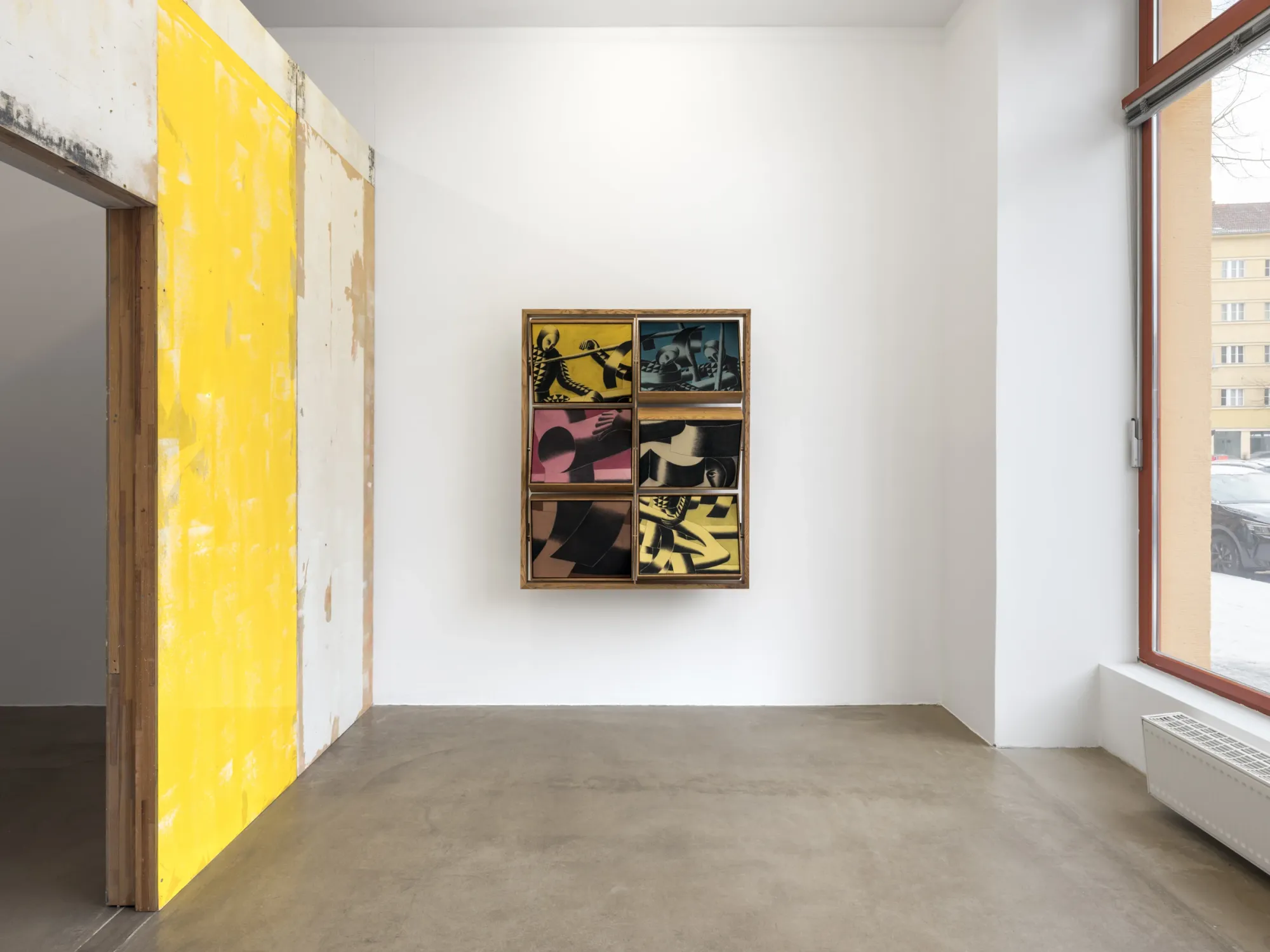
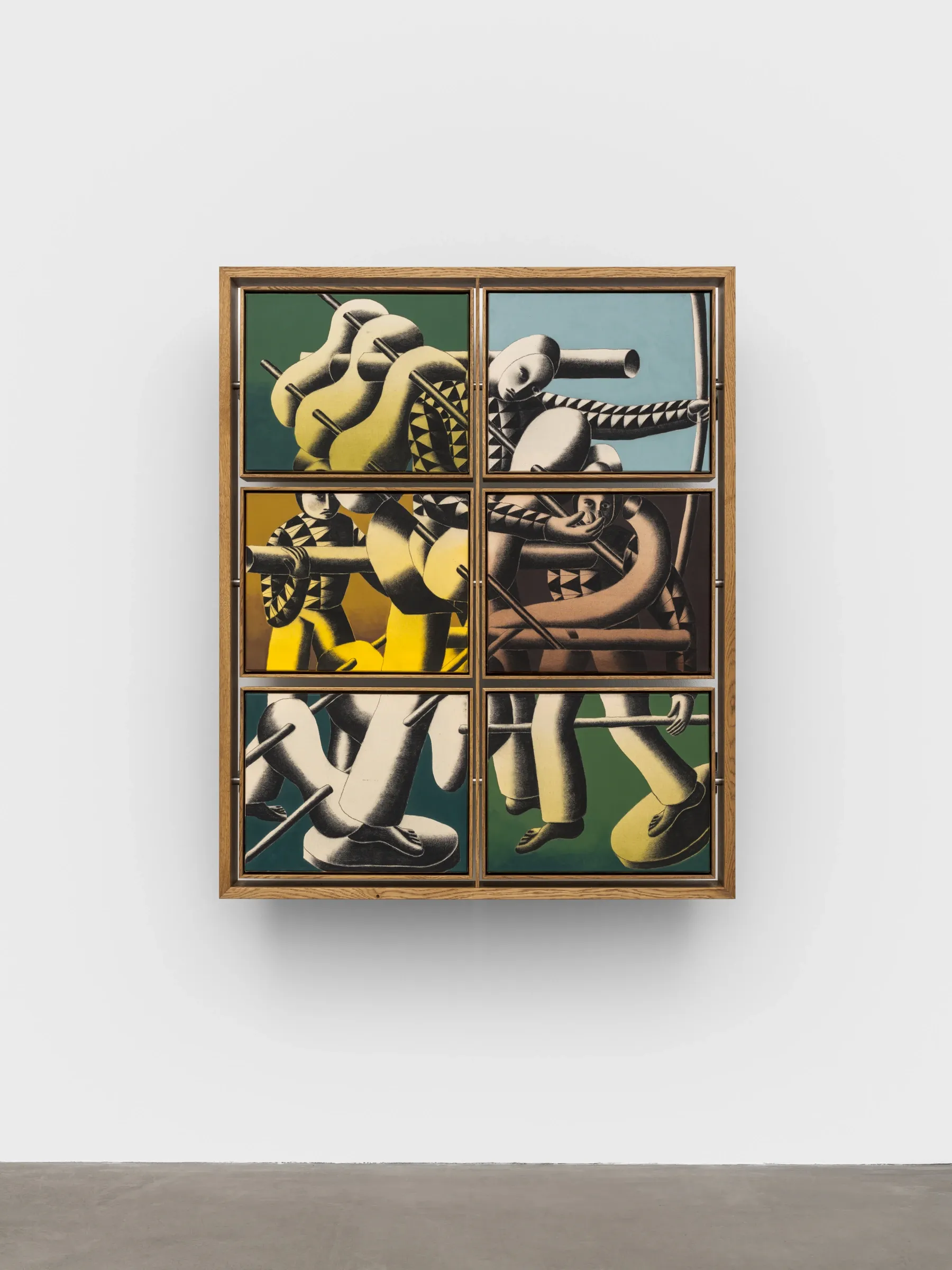
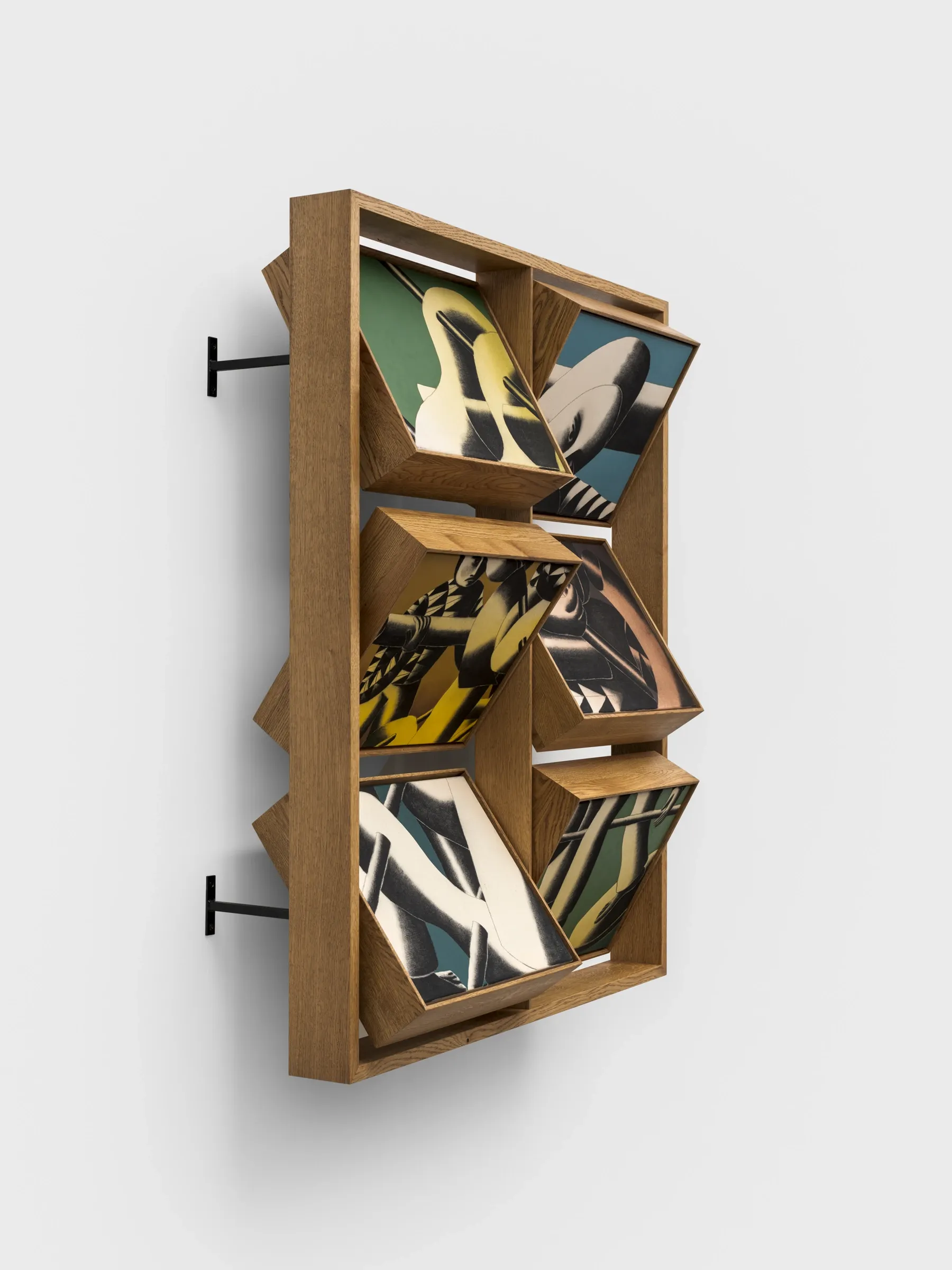
Ferdinand Dölberg, Ich rede mir zu, um nicht stumm zu bleiben, 2026, 142 × 116 × 30 cm, charcoal, pigments, acrylic on canvas, rotating modules made of wood and steel. Photographer: Julian Blum, @exhibitiondocumentation. Courtesy of the artist and Anton Janizewski, Berlin
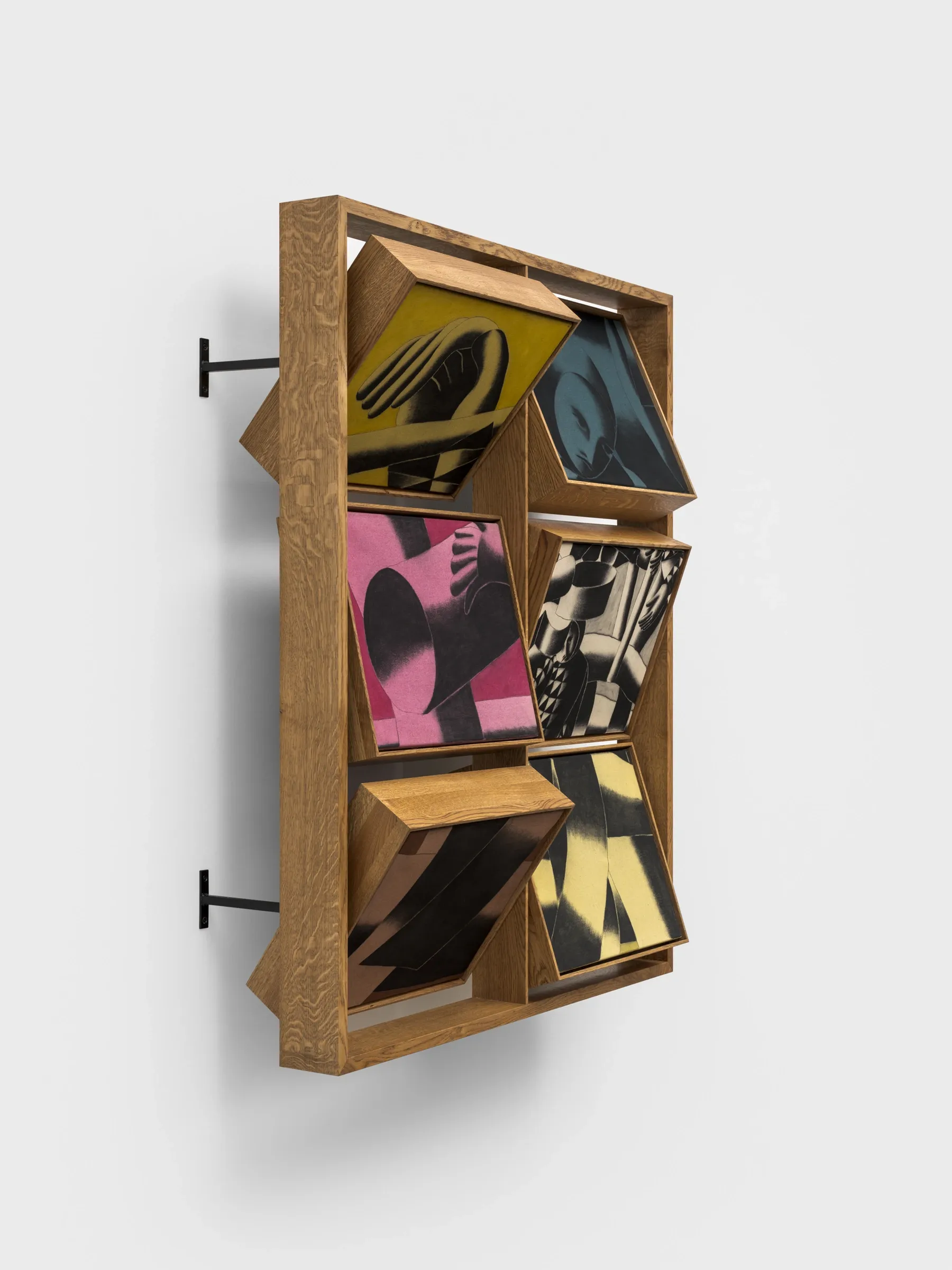
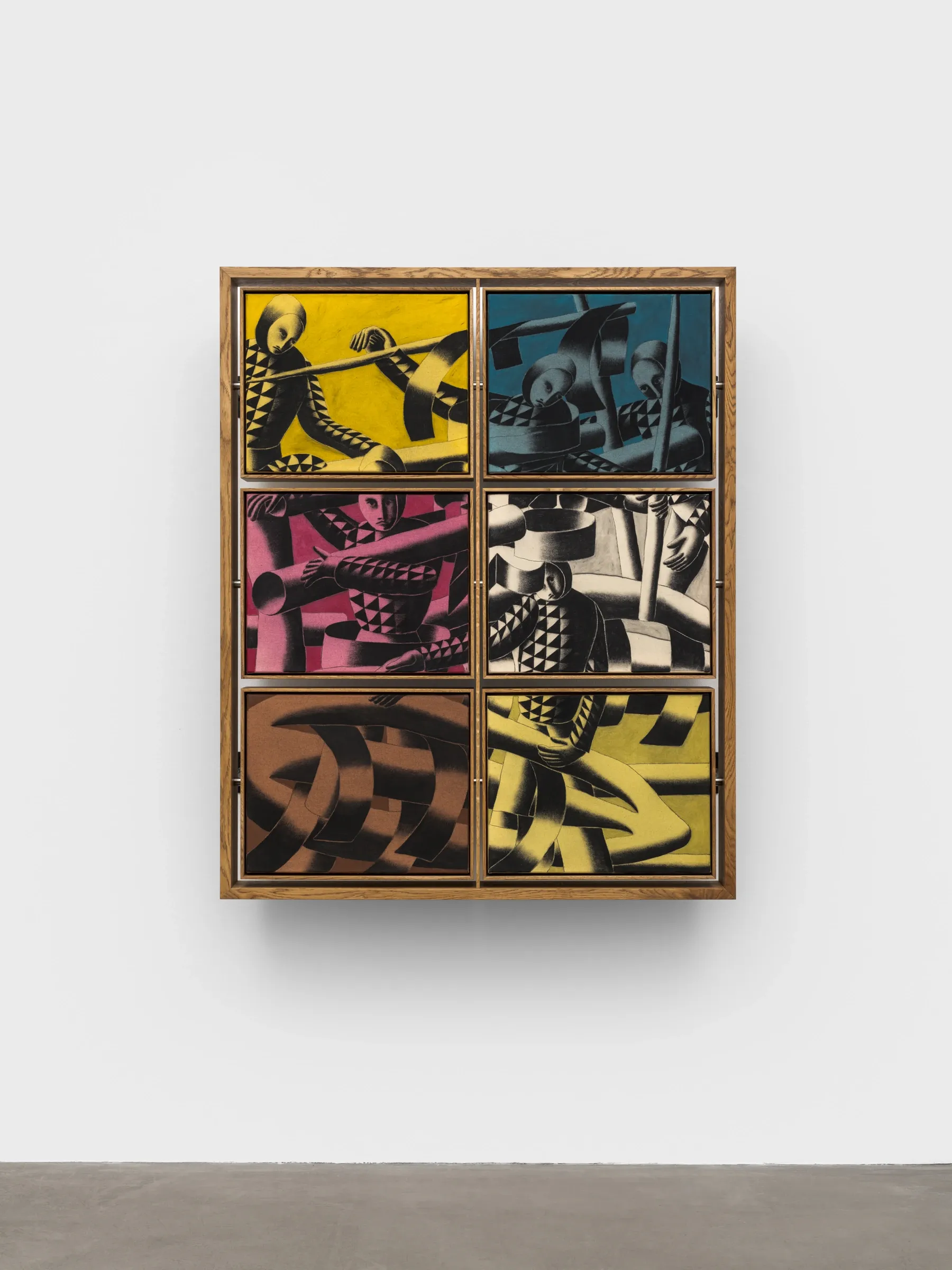
Ferdinand Dölberg, Ich sprach mit mir wie mit einem Unbekannten, 2026, 142 × 116 × 30 cm, charcoal, pigments on canvas rotating modules. Photographer: Julian Blum, @exhibitiondocumentation. Courtesy of the artist and Anton Janizewski, Berlin
The architecture draws from a well-known cinematic precedent: Wim Wenders's Wings of Desire (1987), in which angels move through a city overhearing the inner monologues of its inhabitants yet remain incapable of interaction. Dölberg makes this premise structural. The cabinet becomes the form of a mind that can be approached but not entered.
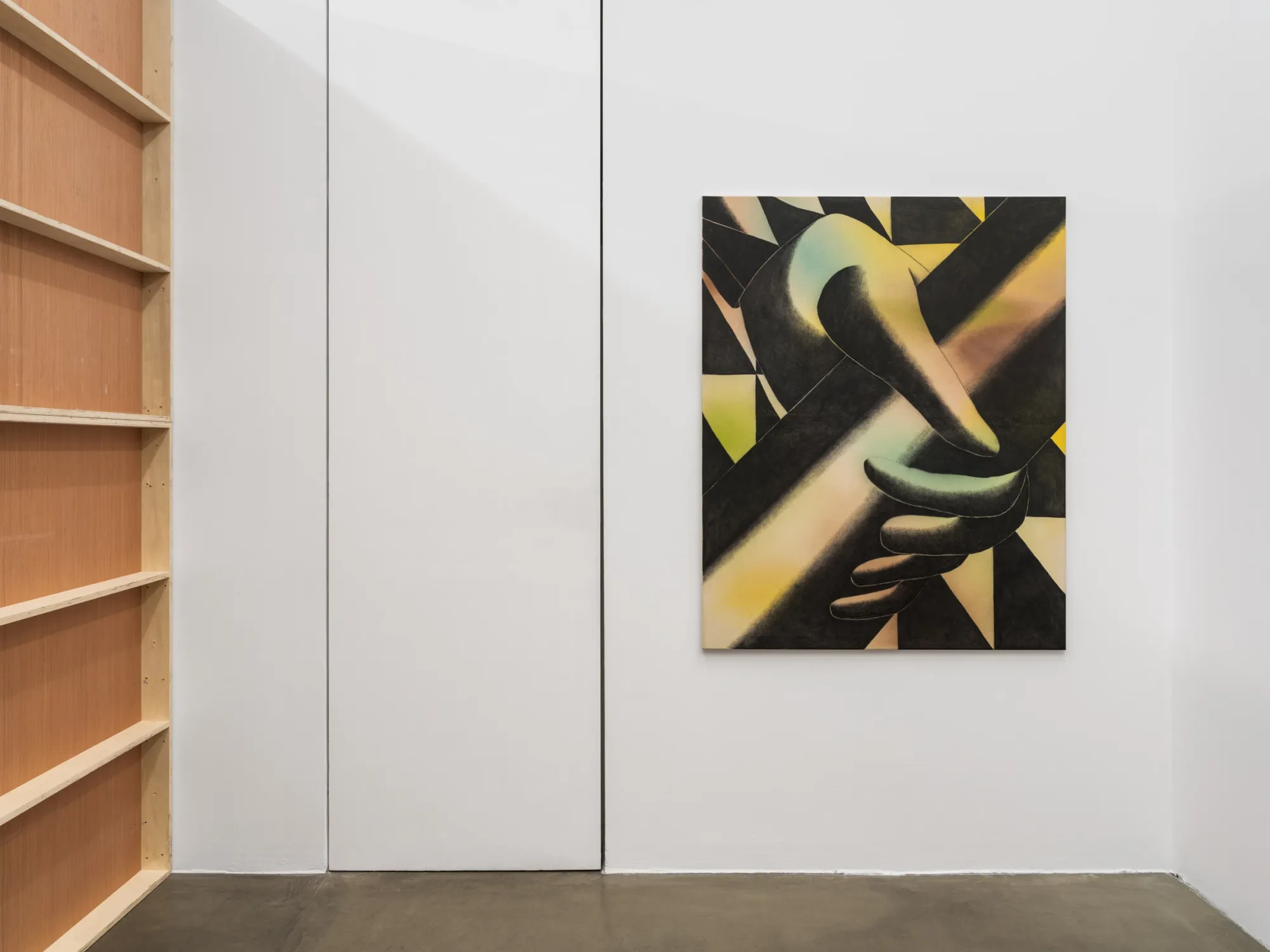
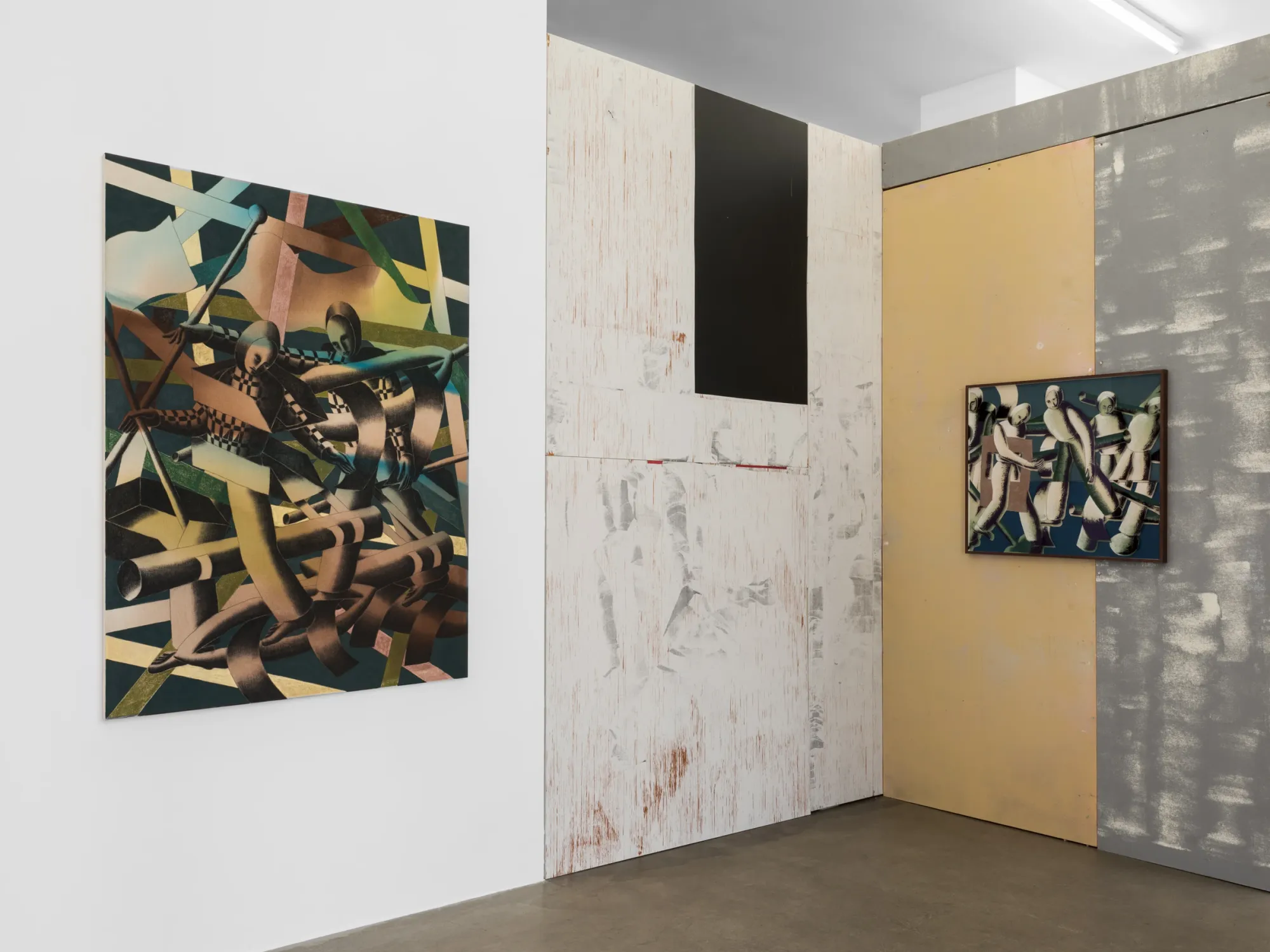
The two largest works, Ich rede mir zu, um nicht stumm zu bleiben and Ich sprach mit mir wie mit einem Unbekannten, are each built from six rotating modules on wood and steel frames. Images executed in charcoal and pigments on canvas cover both sides; the modules turn on a pivot to reveal not a different image but a zoomed-in version of the primary surface
The effect seems to enact an obsessive return rather than a disclosure, a thought that enlarges until it crowds out everything else, a hand or a detail of pipes looming close without clarifying itself. It is impossible to see both scales at once.
The figures throughout the paintings wear triangle-patterned costumes that sit somewhere between harlequin and factory overall. Mute masks cover their faces; they carry no readable individuality. In alle denken aber niemand redet, everyone thinks but no one speaks, the characters hold the visual weight of an imposed collectivity, moving through pictorial space that refuses to resolve into depth or transcendence. Color here is autonomous: laid in before composition, the canvas is primed and pigmented at the outset, so color does not illustrate the forms but seems to precede them, as if the surface were already thinking when the figures arrived.
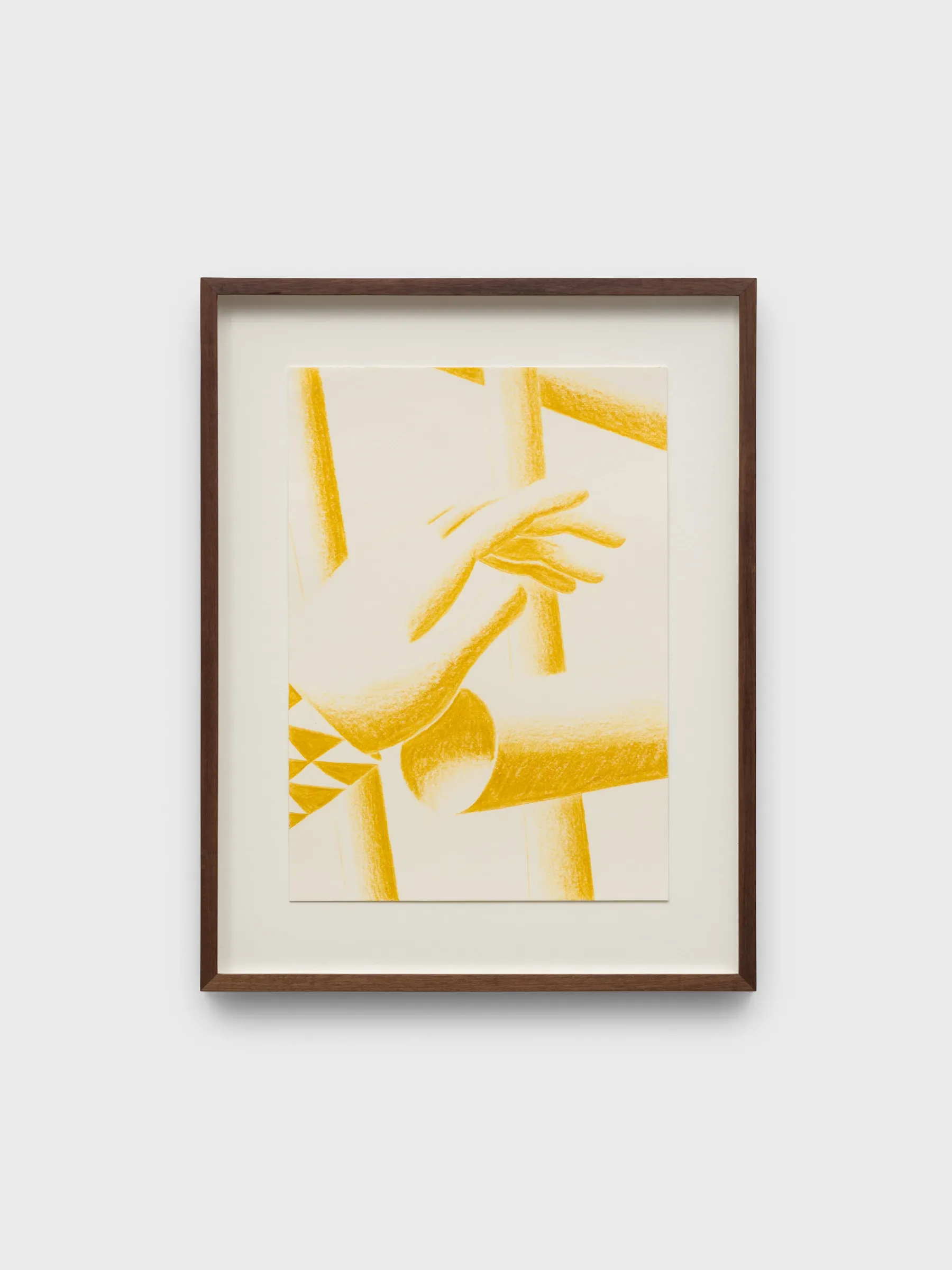
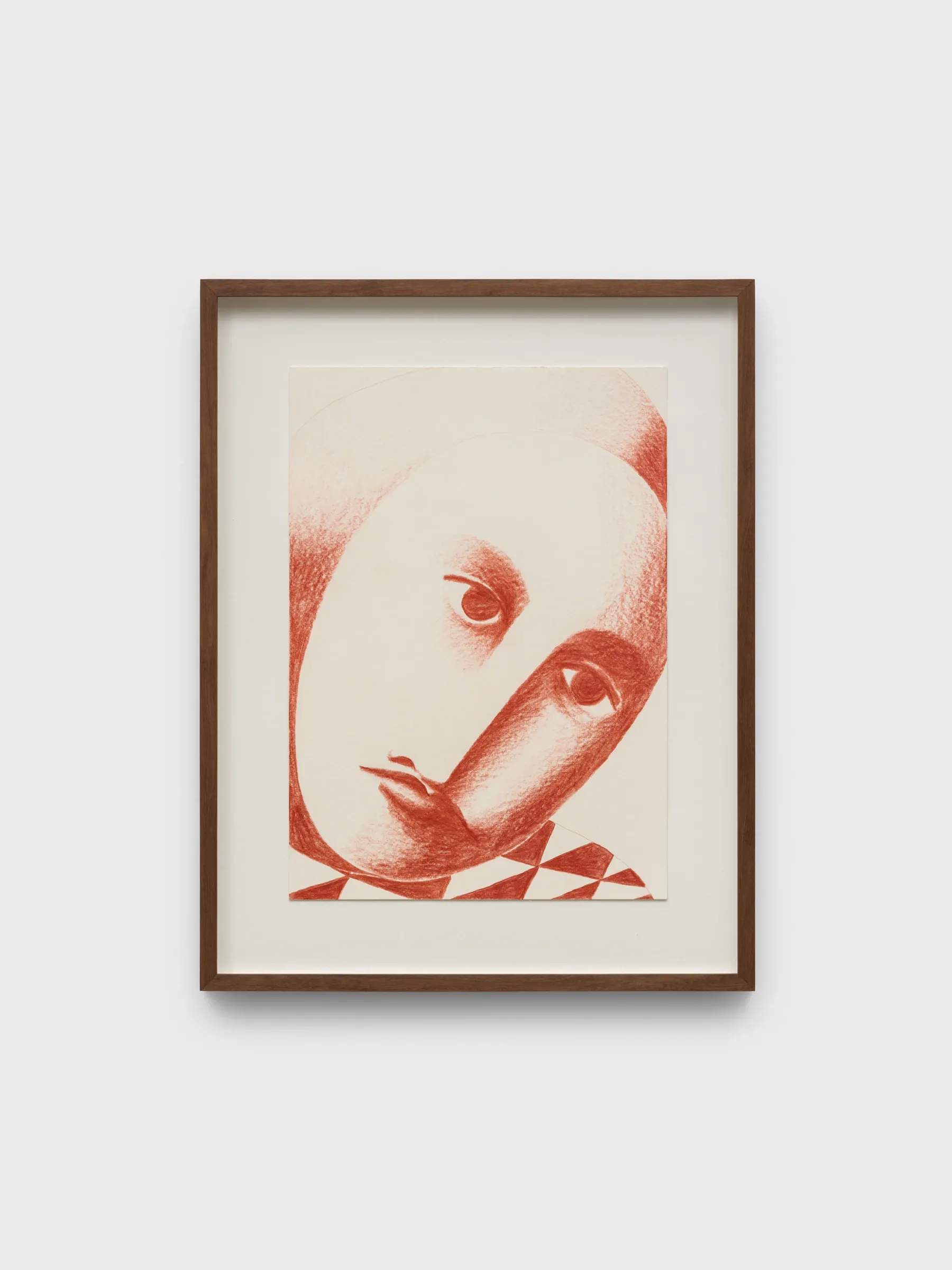
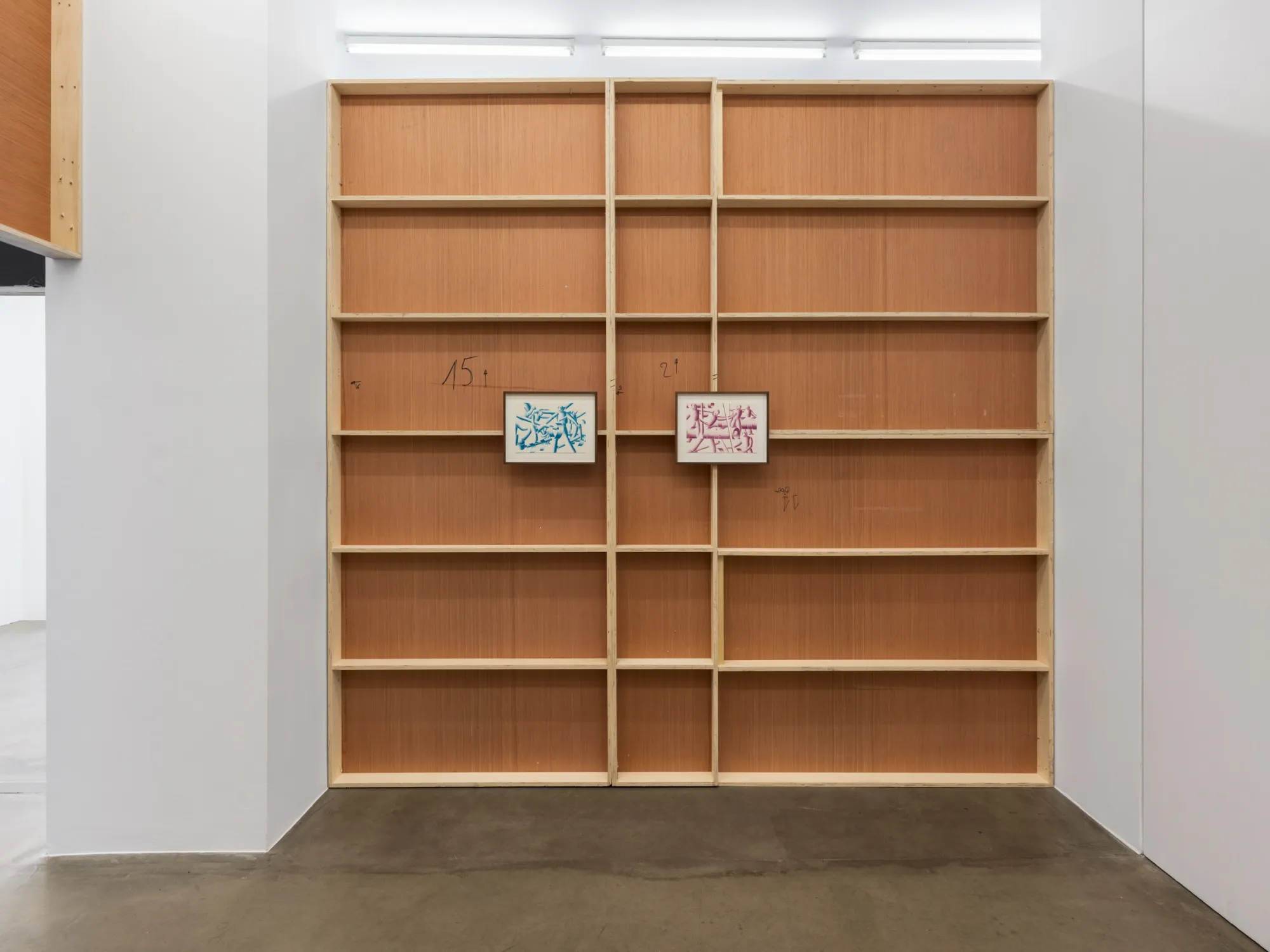
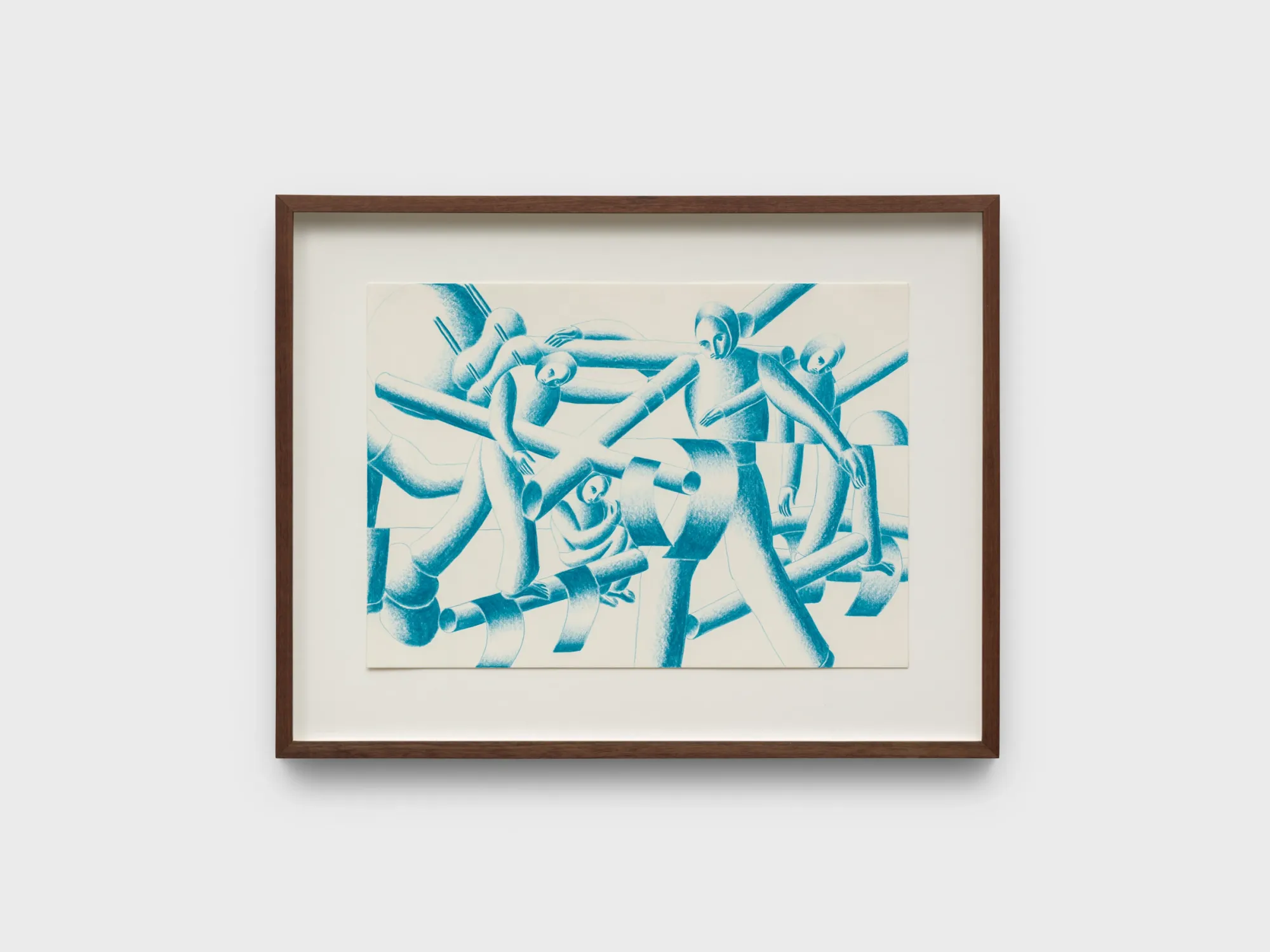
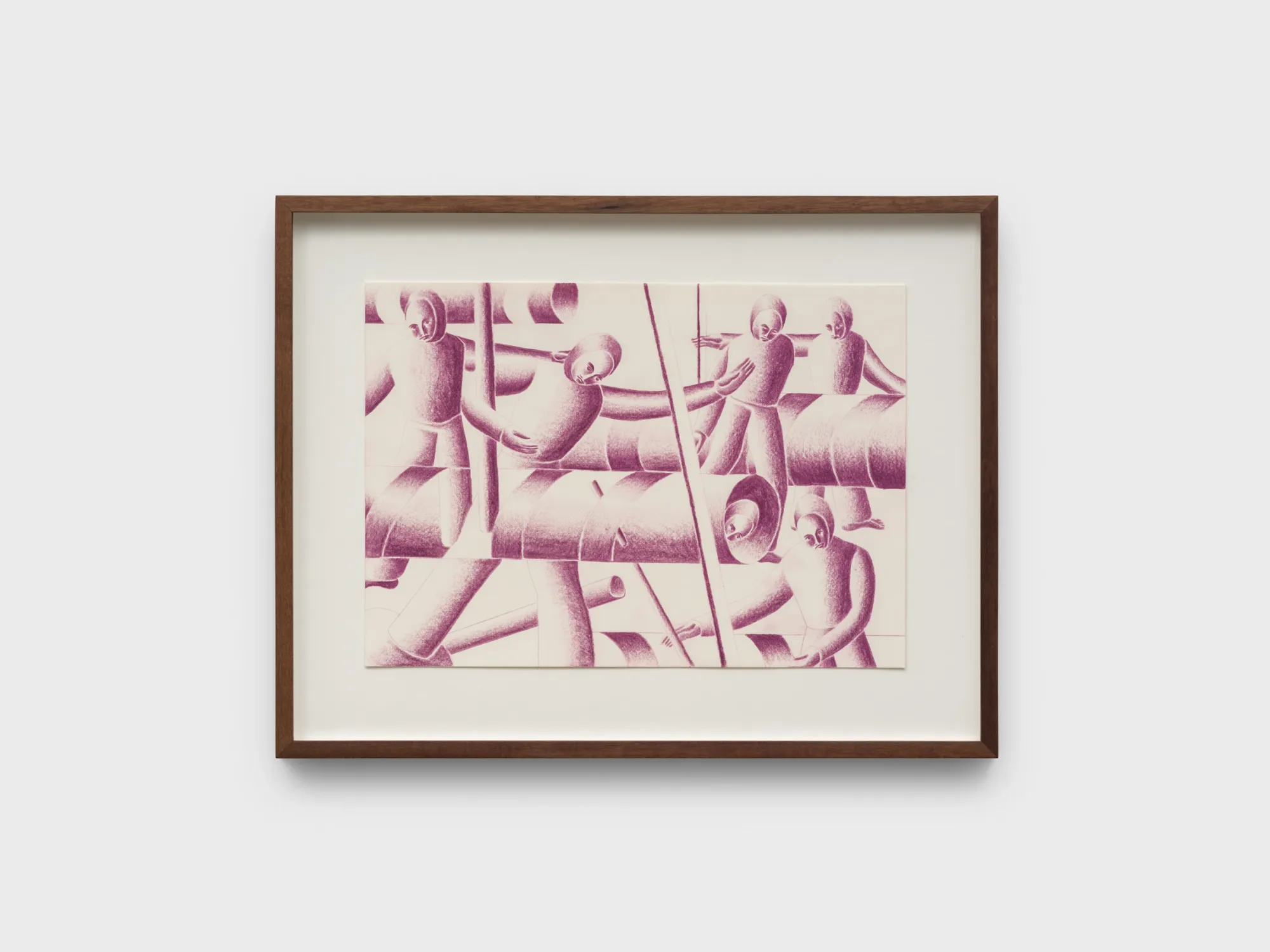
Ferdinand Dölberg, on the left: Im Licht verschwunden - im Schatten gefunden, 2026, 29,7 × 21 cm, colored pencil on paper and on the right: Look at me. Imagine the rest, 2026, 29,7 × 21 cm, colored pencil on paper. Photographer: Julian Blum, @exhibitiondocumentation. Courtesy of the artist and Anton Janizewski, Berlin
We listened to our own voices but said nothing. An entangled field of stripes, pipes, and limbs accumulates rather than coheres. Two works combining canvas with silkscreen on glass, Wir sind verurteilt, immer nur zu erahnen. Niemals zu handeln. and Wir bleiben Zuschauer. Doppelte Sicht, operate in a different register: a layering of surfaces through which looking is both invited and complicated. The drawings on paper, modest in scale and colored pencil, compress the motifs further. Das Rohr der Vernunft, Verstärkung der Töne and die Rohre lassen sich leichter tragen als die Stimmen suggest that pipes carry the apparatus of rational communication while voices remain the heavier load.
The work carries particular weight because it treats isolation as structural condition rather than psychological exception. Dölberg's spinning modules hold the same image at two scales but never simultaneously, there is always a side one cannot see. Whether the mild claustrophobia the cabinets produce is the condition of consciousness itself, or merely a figure for it, is a question the exhibition does not answer.
Instagram Ferdinand Dölberg
Anton Janizewski on Instagram
Notable Works and Exhibition Views
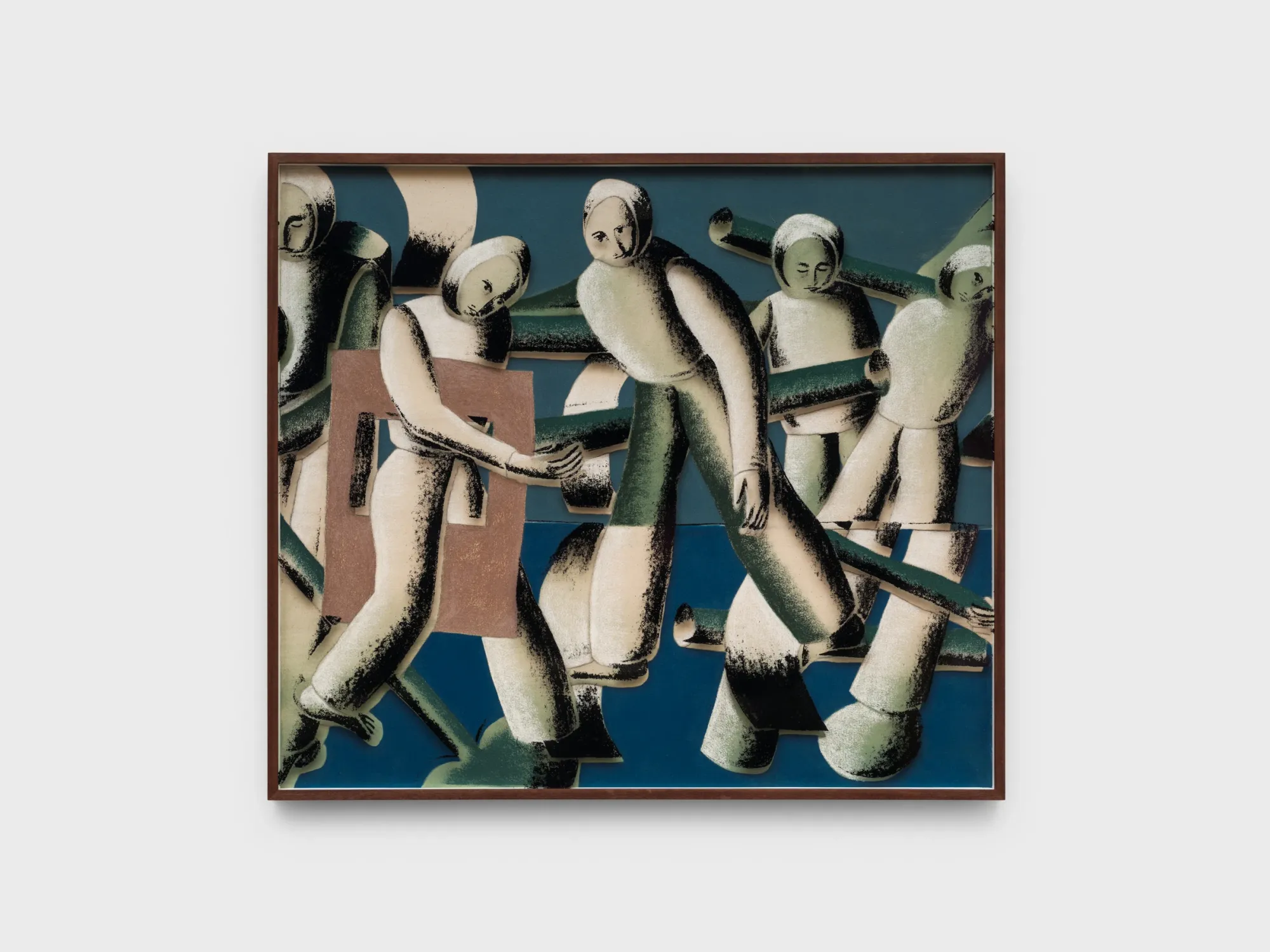
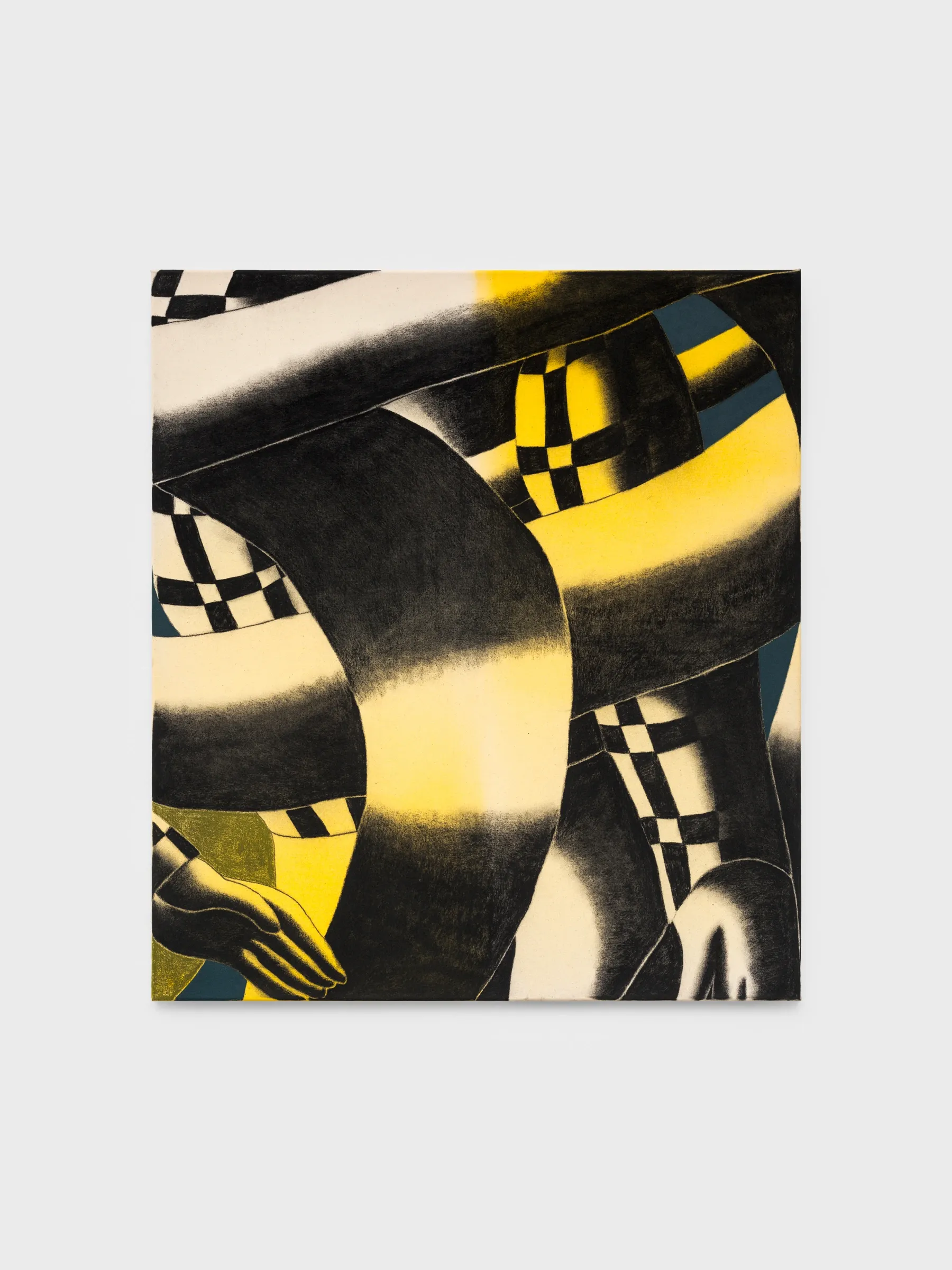
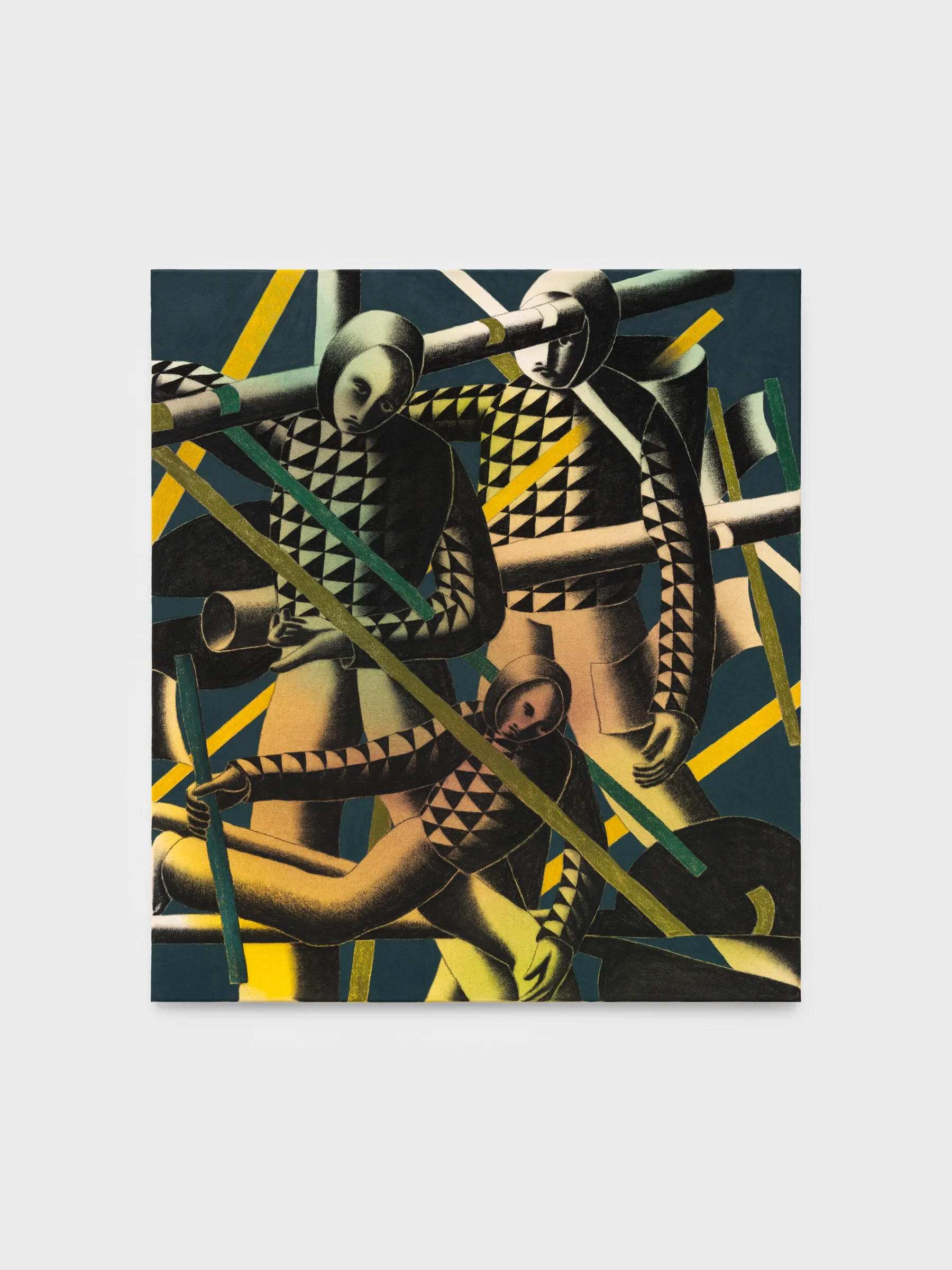
Ferdinand Dölberg, on the left: I examine every object like a thought, 2026, 90 × 80 cm, charcoal, pigments, chalk, acrylic on canvas and on the right: We listened to our own voices but said nothing, 2026, 90 × 80 cm, charcoal, pigments, chalk, acrylic on canvas. Photographer: Julian Blum, @exhibitiondocumentation. Courtesy of the artist and Anton Janizewski, Berlin
About Catapult
This is an exhibition review published by Catapult — an independent editorial platform for contemporary art, based in Vienna. We publish exhibition reviews, artist features, interviews, and critical context, with a focus on emerging and mid-career practices from Europe and beyond.
catapult.art
Want to be featured? Submit your work →
Related Readings
Paulina Olowska, Caroline Walker, Adéla Janská: Za Pultem at Telegraph Gallery, Olomouc
Read MoreNo spam, no sharing to third party. Only you and me.