11 Art Platforms Artists Should Know in 2026

Where artists, curators, and collectors are still watching: Platforms for Artists
Where to Submit, Get Featured, and Actually Be Seen
Not all platforms are created equal.
Some build momentum. Others vanish in the scroll.
If you're an artist, a gallery, or somewhere in between, you’ve probably asked yourself:
Where should I submit? Who’s actually curating - not just collecting likes?
Who’s worth following, supporting, or collaborating with?
How do I get in front of the right eyes, not just more followers?
Where can I show my work so curators, collectors, and real art lovers actually pay attention?
 Dominique Catherina Foertig
Collaborate with us
This list is not exhaustive, not definitive, and definitely not paid.
It’s simply a look at the platforms that still shape what’s being seen, and how it’s being seen.
Some are slow. Some are loud. One or two are broken.
But they all carry cultural gravity, and some might be worth working with.
11 Art Platforms artists should know:
1. Artviewer
Minimal. Monochrome. Mood-first.
Artviewer has become a genre of its own, a template even.
If your show is on Artviewer, it exists in a certain aesthetic reality.
Silent, strong, untouchable.
 artviewer
Official Artviewer online
2. Contemporary Art Daily
The grandfather of online exhibition documentation.
Still oddly powerful. Still strangely flat.
CAD doesn’t curate, it archives, but its clean repetition makes it feel like canon.

contemporary art daily
3. Daily Lazy
Loose, associative, still alive.
Sometimes overlooked, but actually full of small gold.
DL always had a sense for oddness and immediacy, and that still matters.
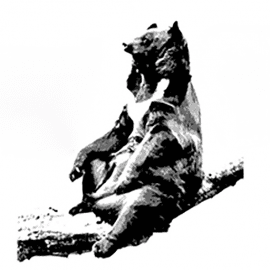

Daily Lazy - official
4. O Fluxo
Hyperactive, research-y, sometimes confusing, but undeniably curious.
O Fluxo blends documentation with conceptual chaos.
It’s not about clarity, it’s about connections.

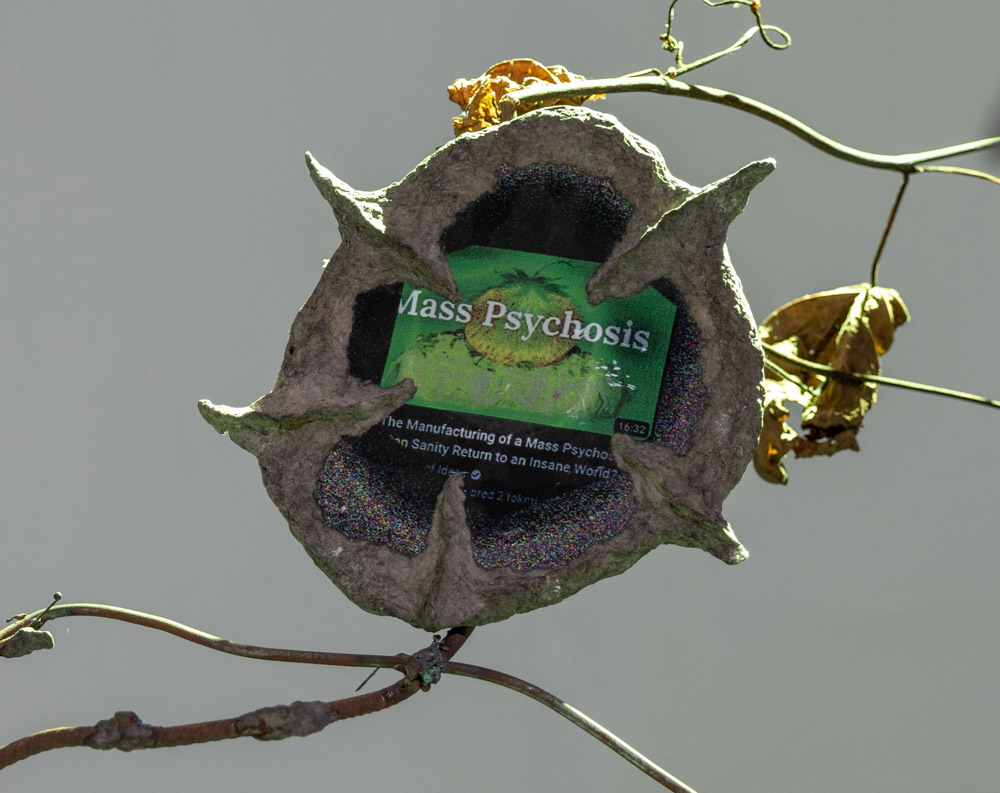
O Fluxo - Website
5. Kubaparis
Germany’s most influential indie platform.
Often hosting Open Calls, studio visits, exhibitions and interviews, always slightly raw. Kubaparis made “emerging” feel energetic again.
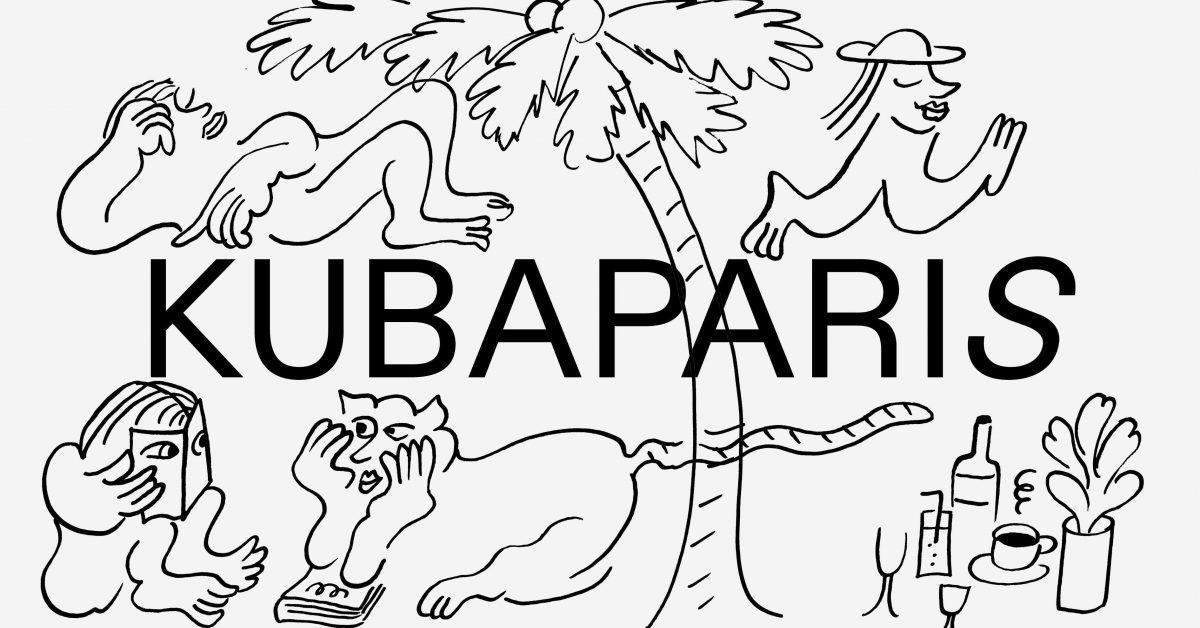
Kuba Paris - official
6. Munchies Art Club
Founded between Vienna and Greece, Munchies has quietly grown into a global curatorial voice.
Part digital editorial, part social radar, always independent.
It’s where artists show up before the algorithm catches on, not because it’s trending, but because the work matters.
 DiFranco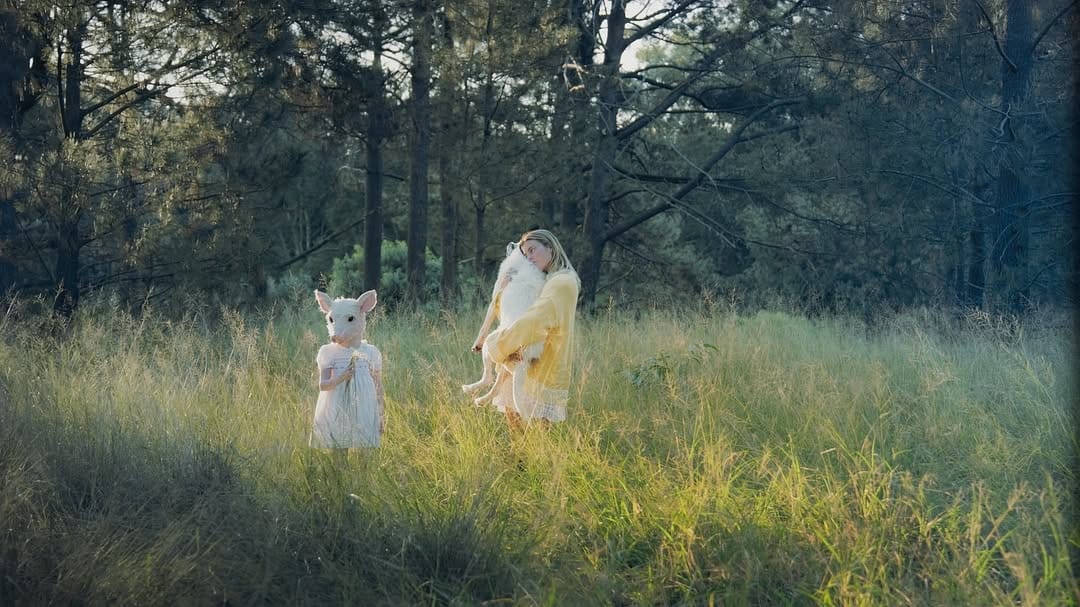
Munchies Art Club
7. Overstandard
Founded by Rubén Palma (curator, writer, editor), someone who understood early on that art, fashion, and music aren’t separate fields, but shared energies.
Overstandard operates where culture moves fast but stays smart.
Editorial, visual, style-aware, it speaks to a generation that doesn’t need footnotes but still wants substance.
Not a platform for art only, but a platform where art still shows up strong.
 admin
admin
Overstandard
8. This Is Tomorrow
London-based and text-forward, This Is Tomorrow is where exhibition coverage still reads like someone actually visited the show.
Previews, reviews, interviews, with attention to thought, not just image.
If you're doing a show and want it seen with context (not just content), this is still one of the sharpest places to land. Smart artists read it. Good writers contribute. Curators watch it quietly.
 dandelion & burdock, www.dandelion-burdock.com
Time is Tomorrow - Web
9. FAD Magazine
London-based, cheeky, and fast-paced.
It mixes contemporary art with pop, press, and provocation, unapologetically messy at times, sharply on point at others.
FAD reminds you that not all platforms have to whisper.
 Phillip Edward Spradley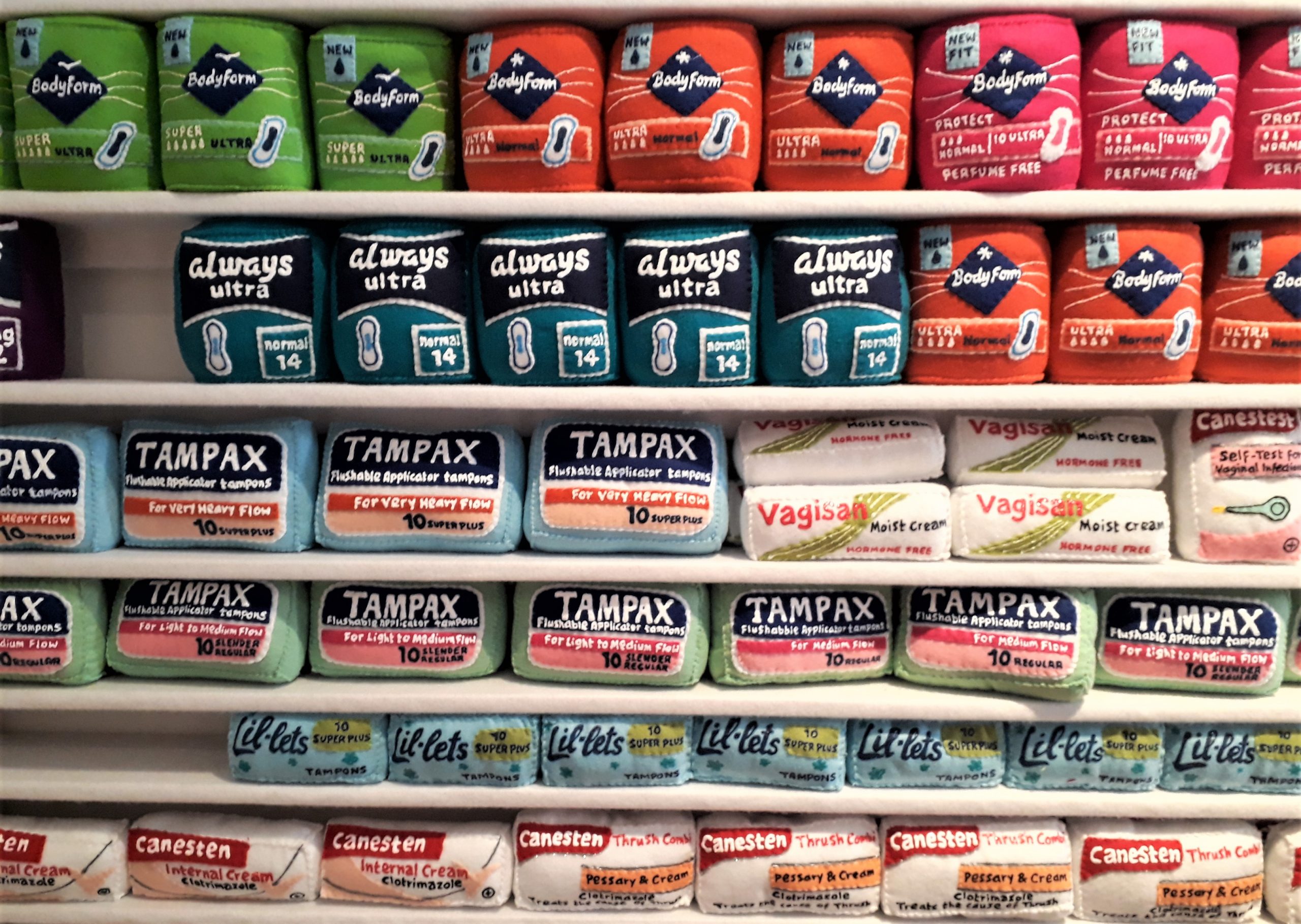
FAD Magazine
10. Tiredmass (Instagram)
Not a platform in the old sense, but a phenomenon.
Mass-tagged “emerging artist” repost pages with zero context, flat captions, and algorithmic repetition.
And yet: it works.
Tiredmass is what happens when curation disappears, but reach remains.
Instagram Account of Tiredness
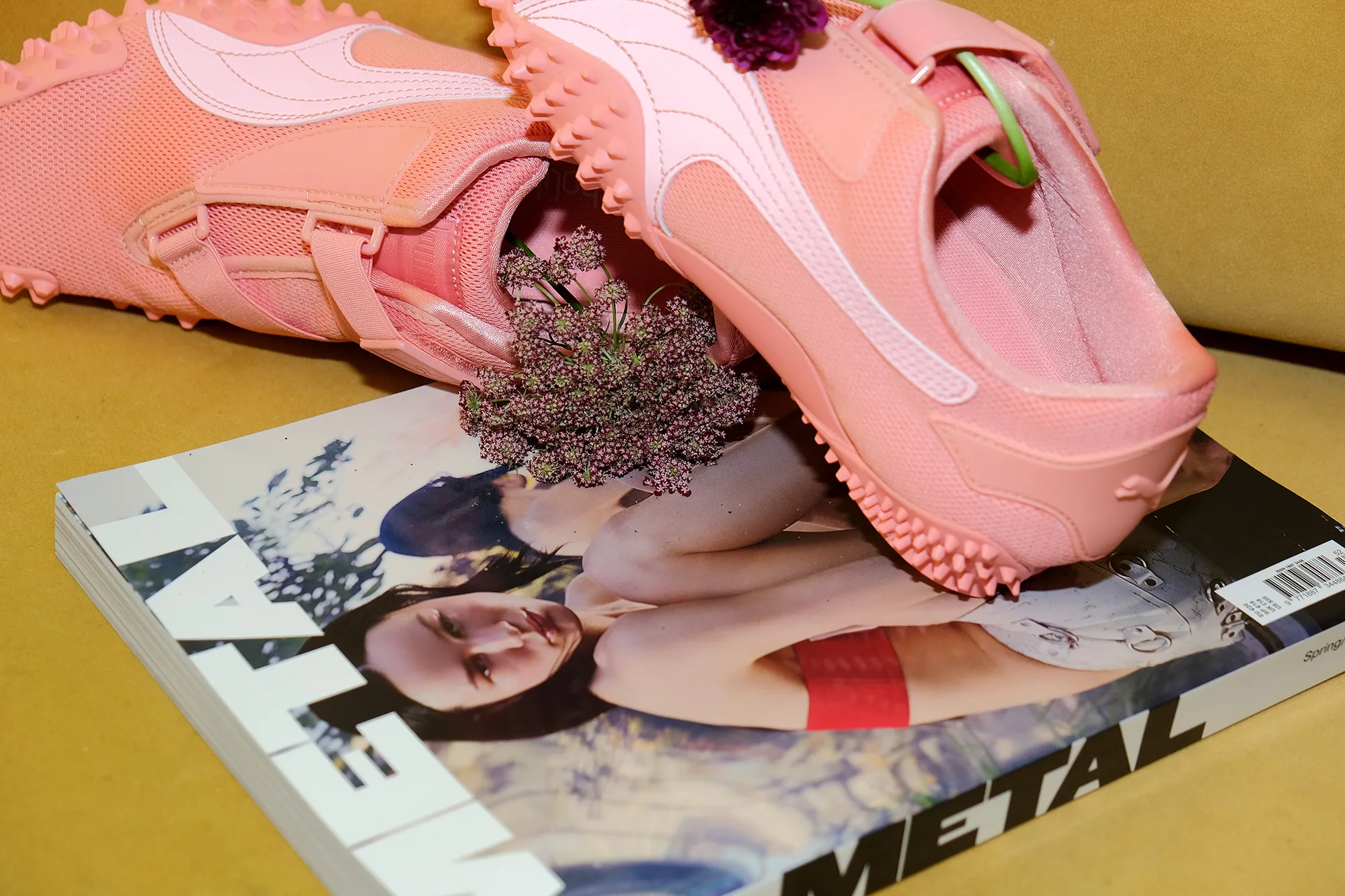
11. Metal Magazine
Originally fashion-oriented, now fully hybrid.
Metal Magazine understands how art moves when it’s not labeled as such.
If you want your work in proximity to photography, music, and image culture, Metal might be the softest power on this list.

Metal Magazine
If you’re wondering why visibility feels harder than ever, you might also want to read:
 Ernst Koslitsch
What to take from this?
Visibility doesn’t mean virality.
Curation isn’t dead, it just migrated.
And platforms still matter.
You just have to pick the ones with an actual point of view.
If you’re submitting your work, pitching a show, or building collaborations:
Follow the ones who aren’t chasing the feed.
And when it clicks, it sticks.
PS:
These platforms aren’t just algorithms or submission forms, they’re built by real people who care about the work. Respect their time. Follow their guidelines. Share their posts. Say thank you.
If you want visibility, give visibility.
Generosity, professionalism, and curiosity still go further than hustle ever will.
Let’s keep the art world human.
Visibility is not a numbers game anymore.
It’s a structural decision:
 Dominique Catherina Foertig
How important are Websites again? Read Catapult Uncensored
 Ernst Koslitsch
Instagram and Artists - A Dragic story with an happy end?
 Katharina Hoffmann
Katharina Hoffman - Artist picks
No spam, no sharing to third party. Only you and me.