Tom Król on The Visible Trace of the Invisible Map
DiFranco in Conversation with Tom Król
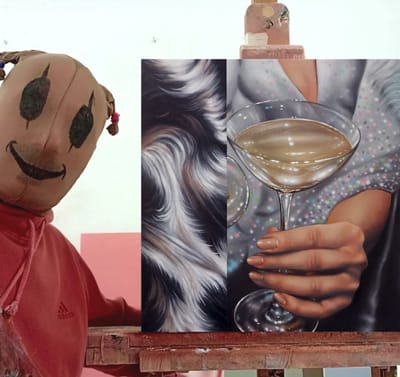
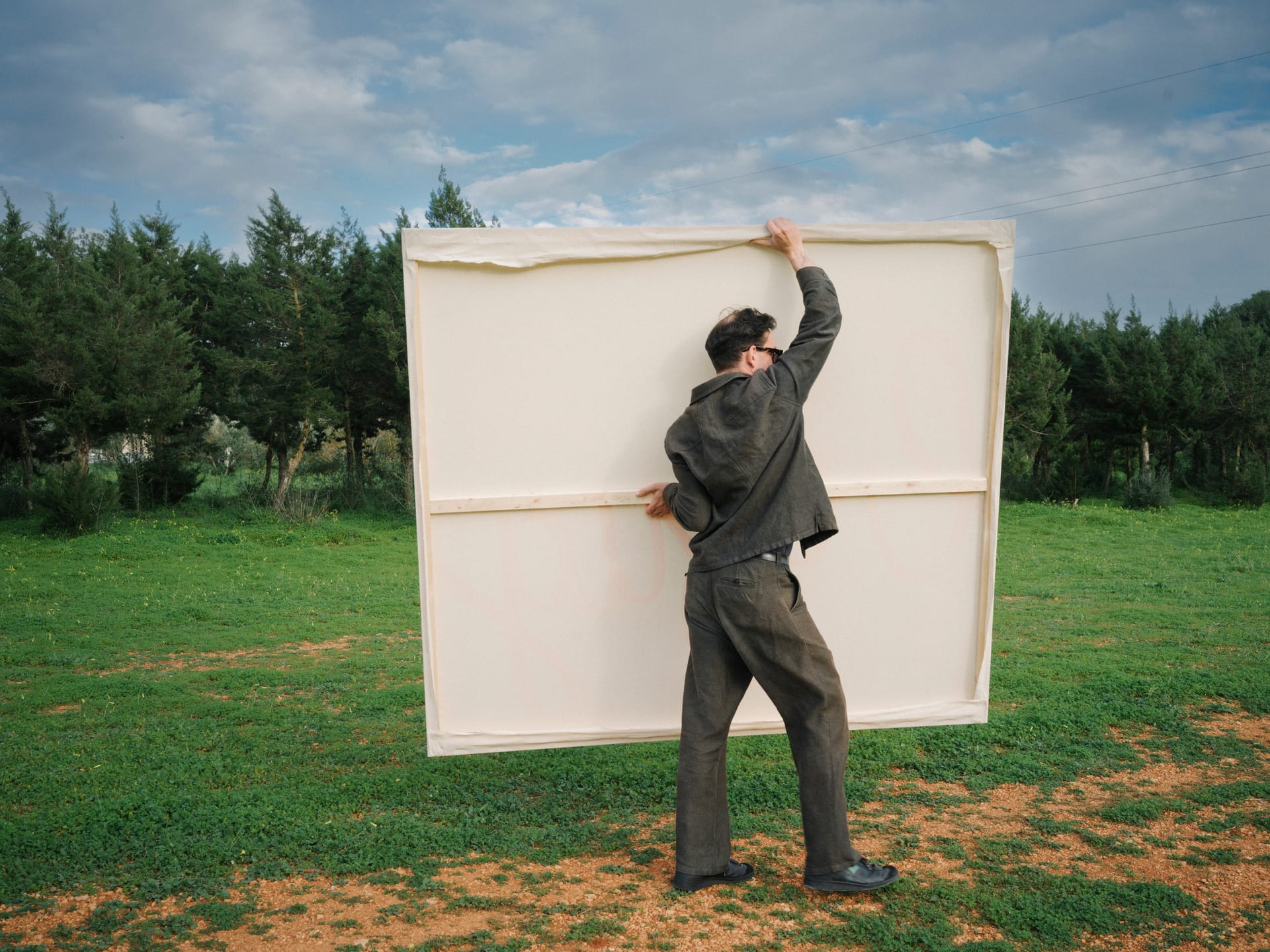
Tom Król’s paintings move between recognition and withdrawal. Forms surface, hesitate, and dissolve again. What remains is not a fixed image, but a trace something that feels both immediate and archival.
His practice is rooted in everyday observation, yet it resists anecdote. Signs, gestures and fragments gather into a private alphabet that remains open, never fully closed.
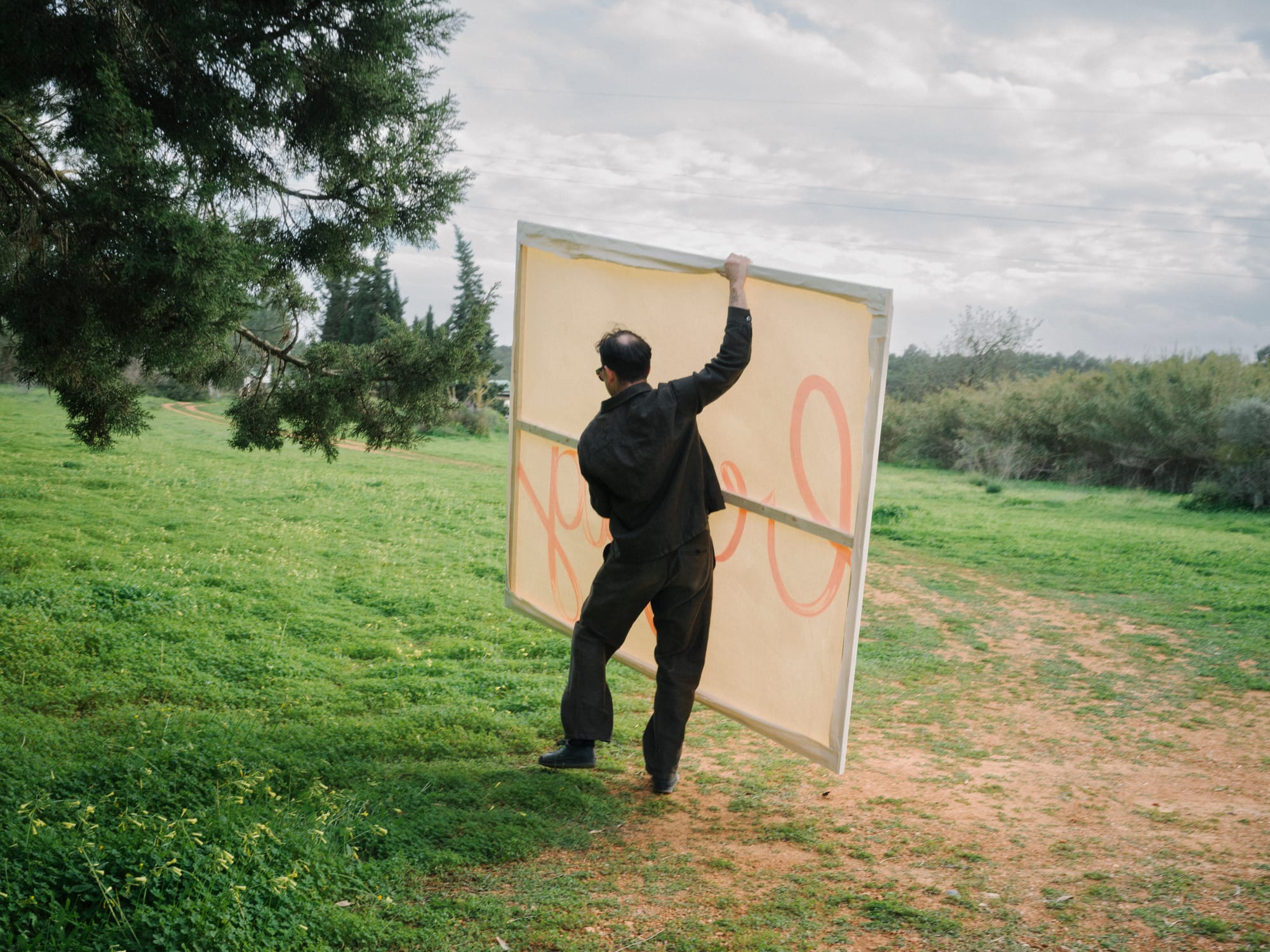
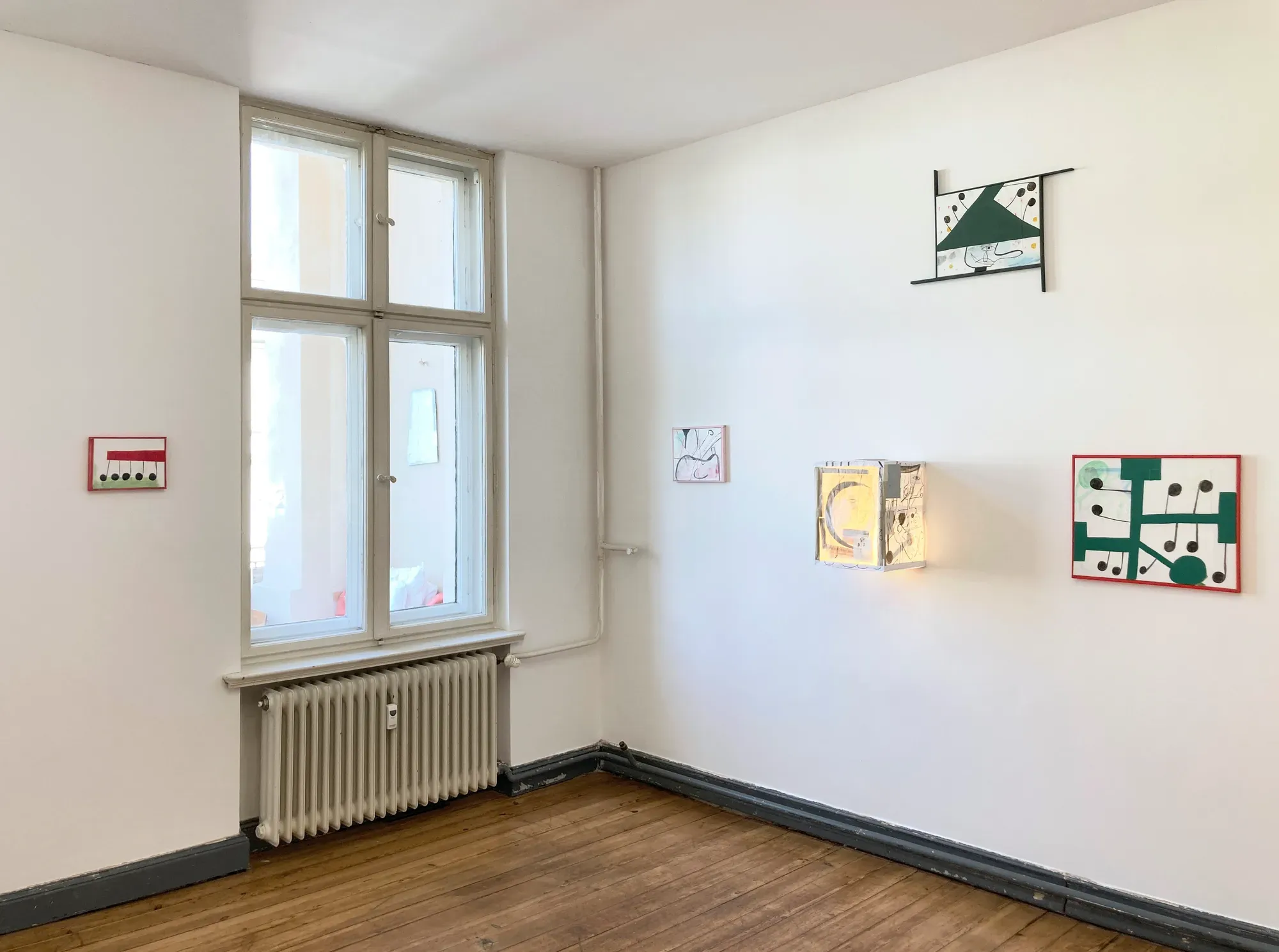
Born in Cologne in 1991 and now living and working in Berlin, Król approaches painting less as a medium than as a condition. The canvas becomes a site where error, intuition and revision operate simultaneously
Figuration appears almost reluctantly not as a goal, but as a concession. What matters is the tension between surface and structure, between movement and pause. In conversation, Król speaks about painting as something that thinks back.
16 Questions to Tom Król:
1.How was growing up in Cologne, and how did it influence your artistic vision?
Cologne has a rich history that follows you everywhere in the city. For me, the time of when my parents moved to Cologne was and still is the most interesting era (also I wasnt born yet).
In the late 70s, early 80s, Berlin, as the important art capital that it is now, „didn't exist“ yet and Cologne and Düsseldorf were the main focus point for art in Germany and maybe even the world. A lot of things in art, especially painting, music, etc. of that time shaped me and still interest me.
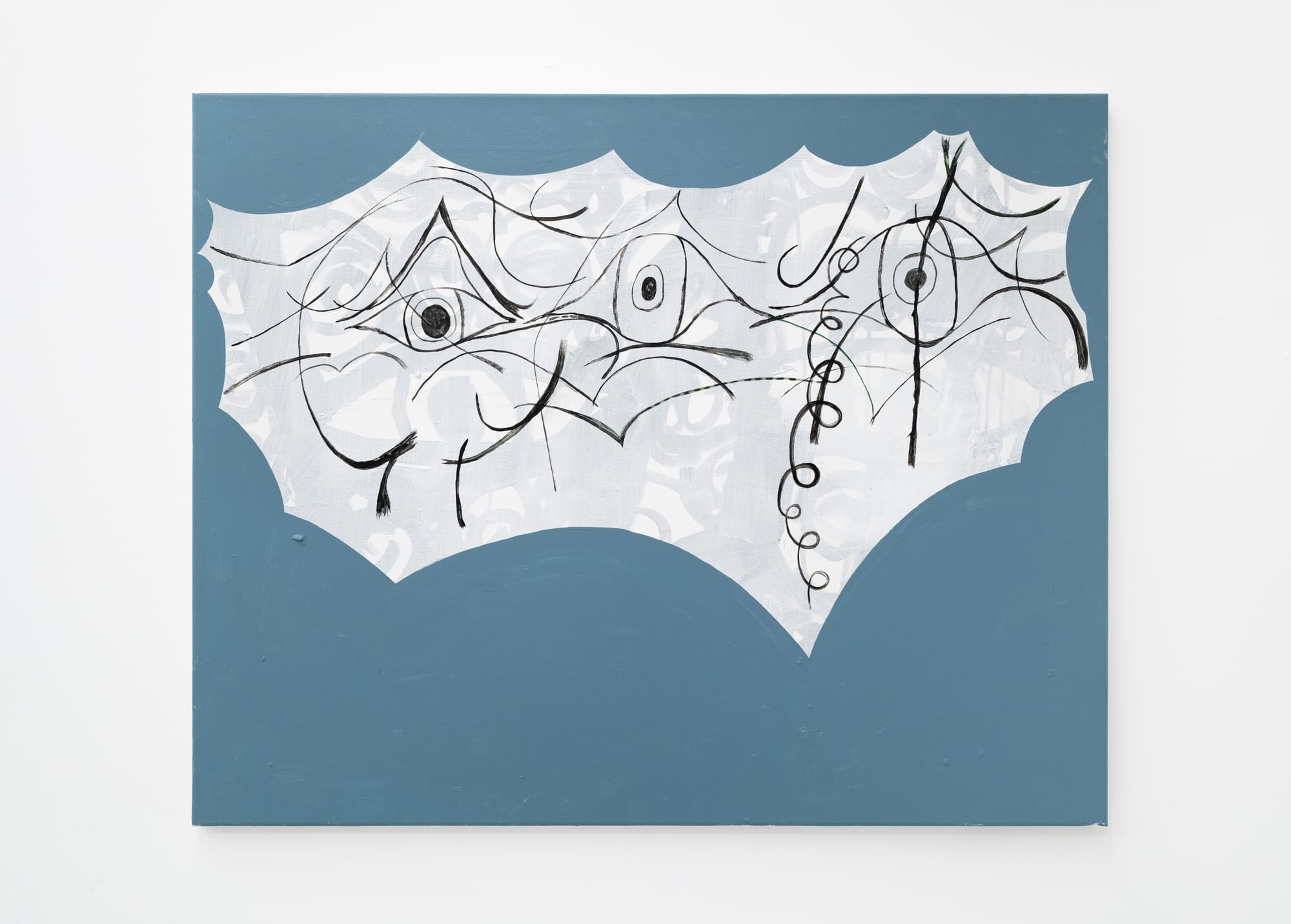
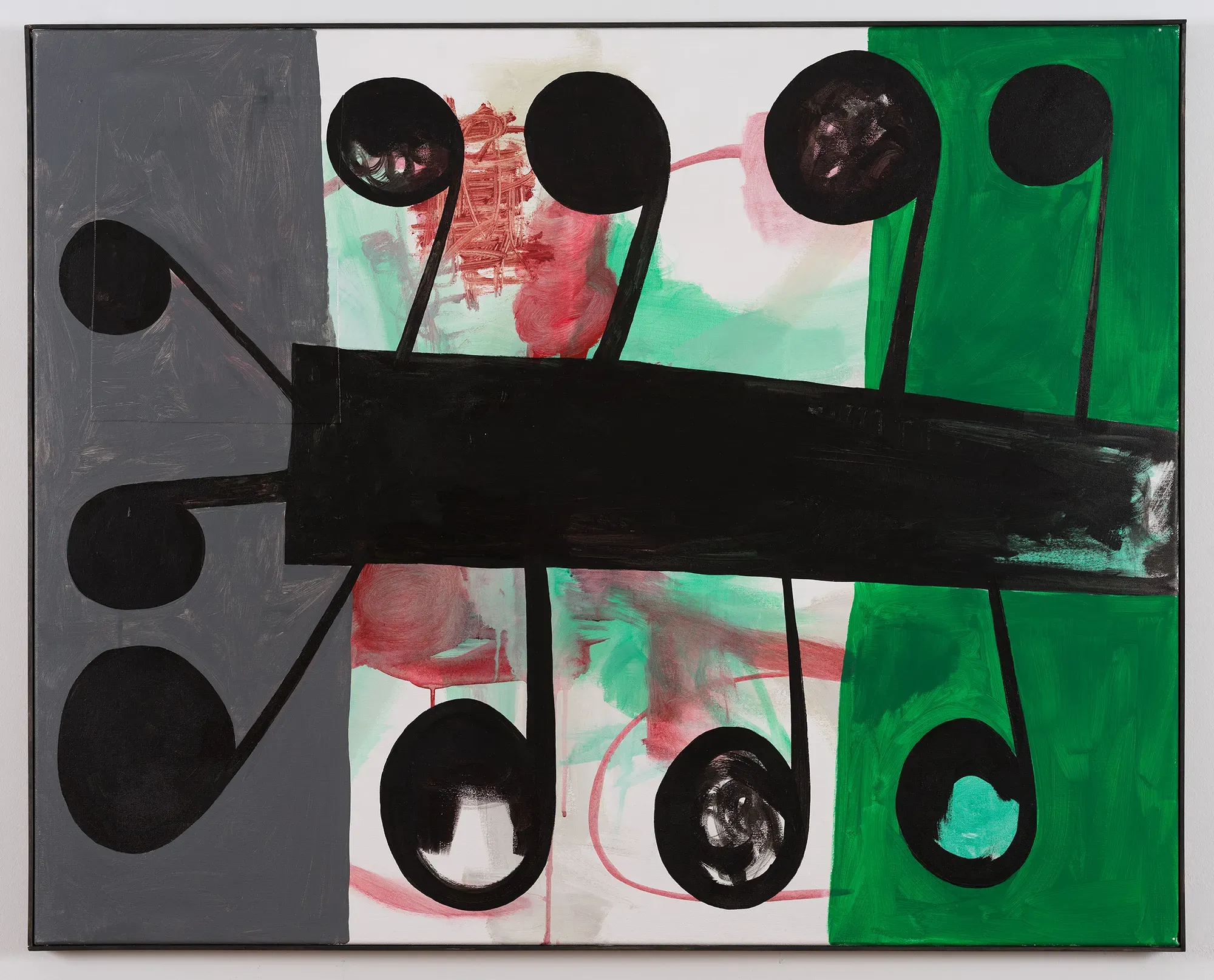
Some bars or galleries are still around, but also new ones shaped new times. I'm happy to know that I am or was part of a few of these places and scenes.
2.What led you to choose painting as your main medium of expression?
This decision was taken for me. When I applied for my studies, my main focus was drawing. At a certain time, questions towards this medium came up.
My professor at the time told me: „Make it bigger and in color!“ So I did, and the next step to painting was very logical.
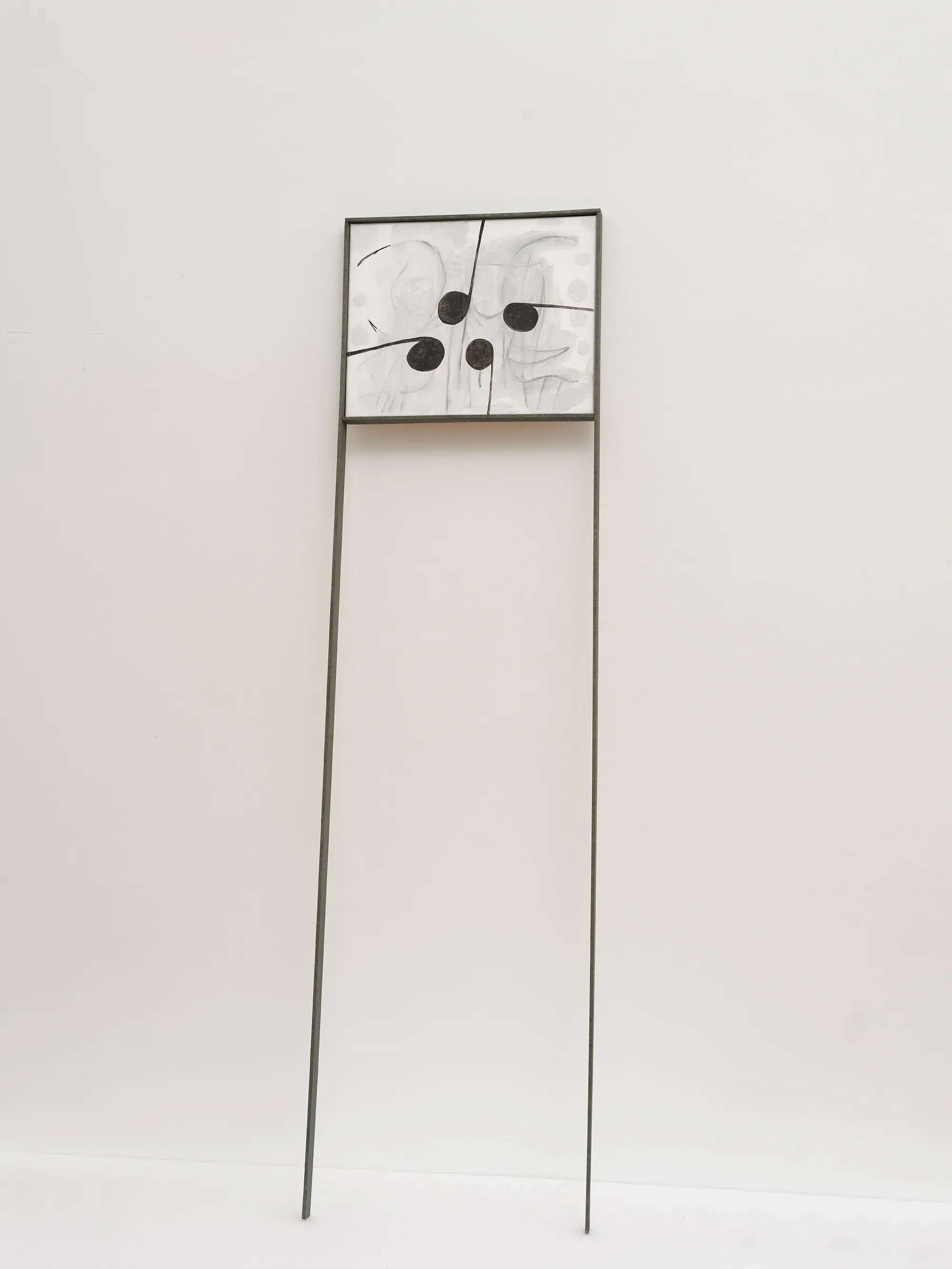
Soon I became obsessed with the possibilities that painting has to offer. During the studies we had a lot of discussions about what to do and where to go. Also in a political point of view.
For me, the painters view always gave me good answers in these discussions. Finding a lot of answers in the painting's history and works by others. When you let painting take over, it can be a good companion. Sometimes.
3.Your works often feature fragmented forms and symbols. What draws you to this type of visual language?
This language or the question towards these forms comes from a very early moment of my painting practice. The forms are part of a certain alphabet or archive that conglomerate into what I'm working on.
I like to see them as part of something universal, also because they originate from everyday life.
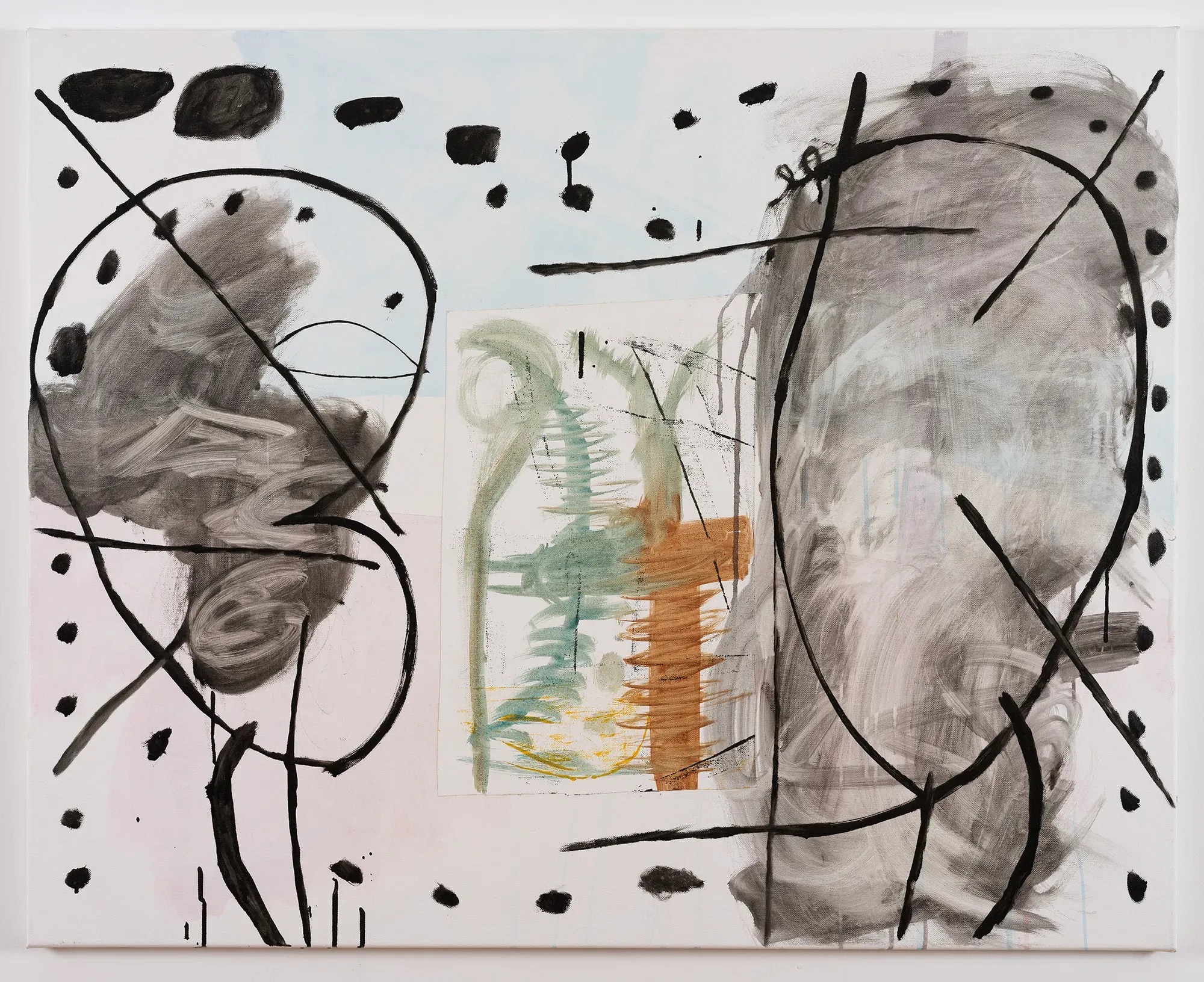
A lot of the imagery comes from very simple ideas. A lot of it comes from formal elements that you can read, but not really verbalize. That's how Tala Madani described it once.
When you train your eye, it focuses basically by its own things of interest. These things can be anything. Mainly I document them with my phone or collect them in books, to translate them later into one or the other way into my paintings.
In that way they work more like counselors than templates.
4.Do you think the urban context (Cologne, Berlin) influences the images and references you use?
Of course it does. I think of living in the city to what Guy Debord calls „dérive“.
Dériver was developed by Debord as part of the practices of the Situationist International.
It refers to an unplanned drift through urban spaces, where individuals let themselves be guided by the emotional and psychological effects of the city's architecture and atmosphere rather than by routine or purpose.
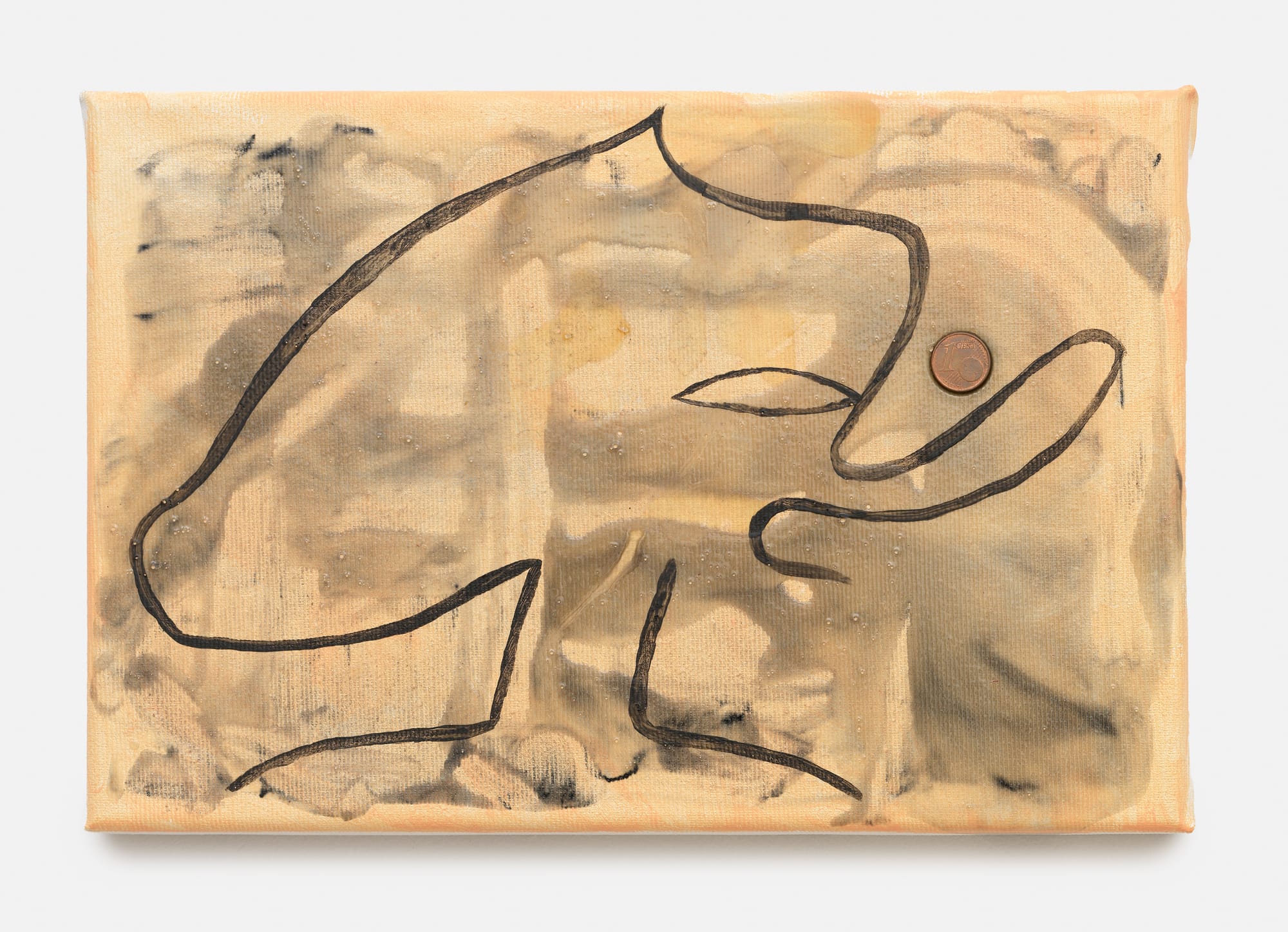
This technique that Debord describes in his small text became a decisive tool that is part of my everyday life wherever I am and so naturally a part of my work.
5.When starting a new work, do you begin with a well-defined concept, or do you let the process guide the outcome?
I recently heard a painter colleague describing it something like this: „I see my work as a constant collection of words. Each painting is a word or a sentence. In the end of the work, when I'm done, there might be a novel.“ This really resonated with me.
The concept, the thought process is always there. And the works are there to describe these thoughts that need to be out. There is no other way for them to be manifested in another form. This is why I paint. I guess I would start writing books about what's on my mind if I could.
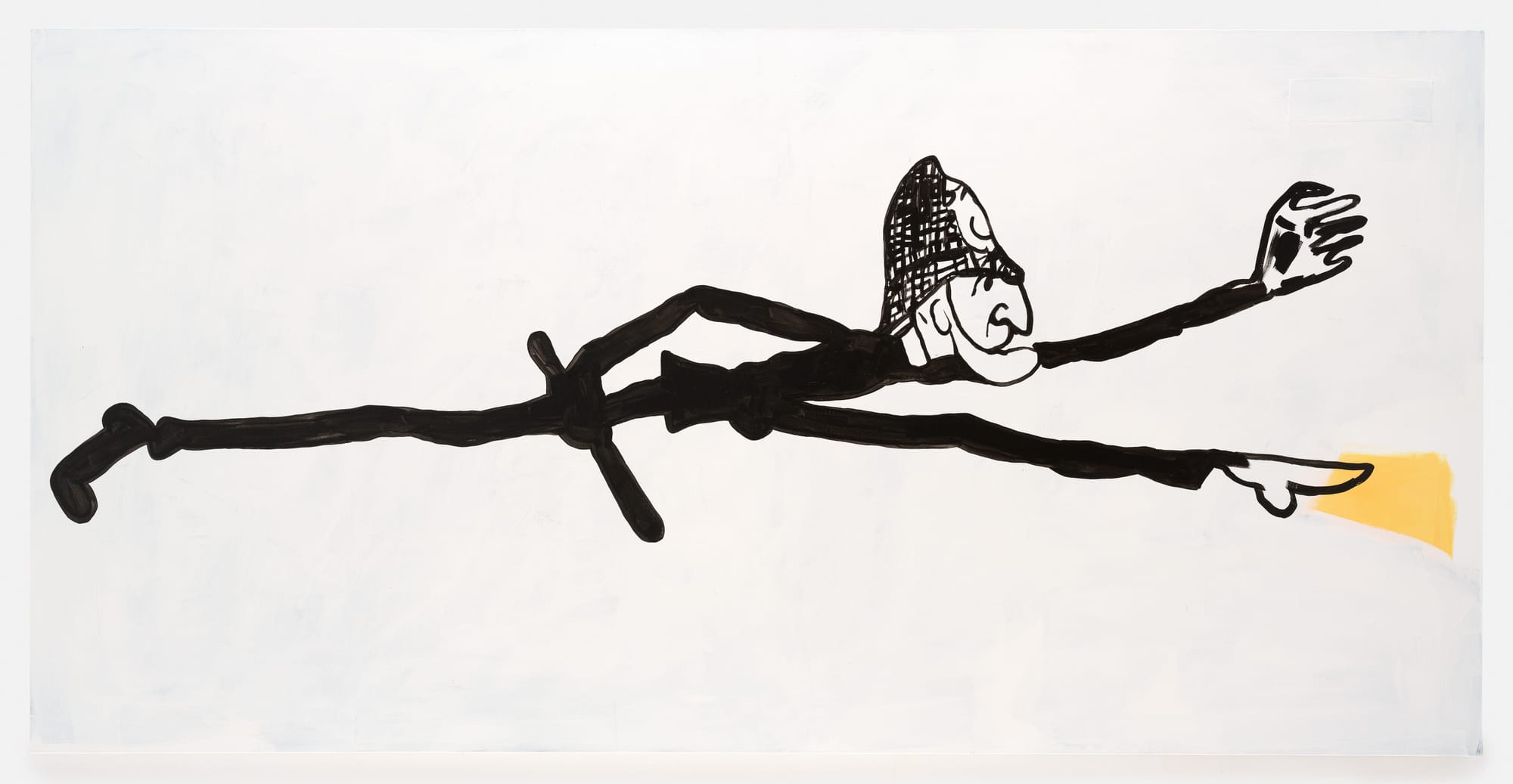
The process of painting or making holds many reasons. Many hard or impossible to decipher. But recently I considered more and more the great humanistic possibilities that it holds to work that way.
It is an absolute human affair, driven by making mistakes and embracing imperfections, so as love and beauty. This is one of the main things that guide the outcome.
6.How would you describe your creative process is it more intuitive, more analytical, or a balance of both?
On one hand there is my language that I gathered through my paintings over the past years doing it.
But on the other hand there are so many things that affect my daily thinking and working as a painter and human. Intuition plays a part in there, to be able to react and not get paralyzed.
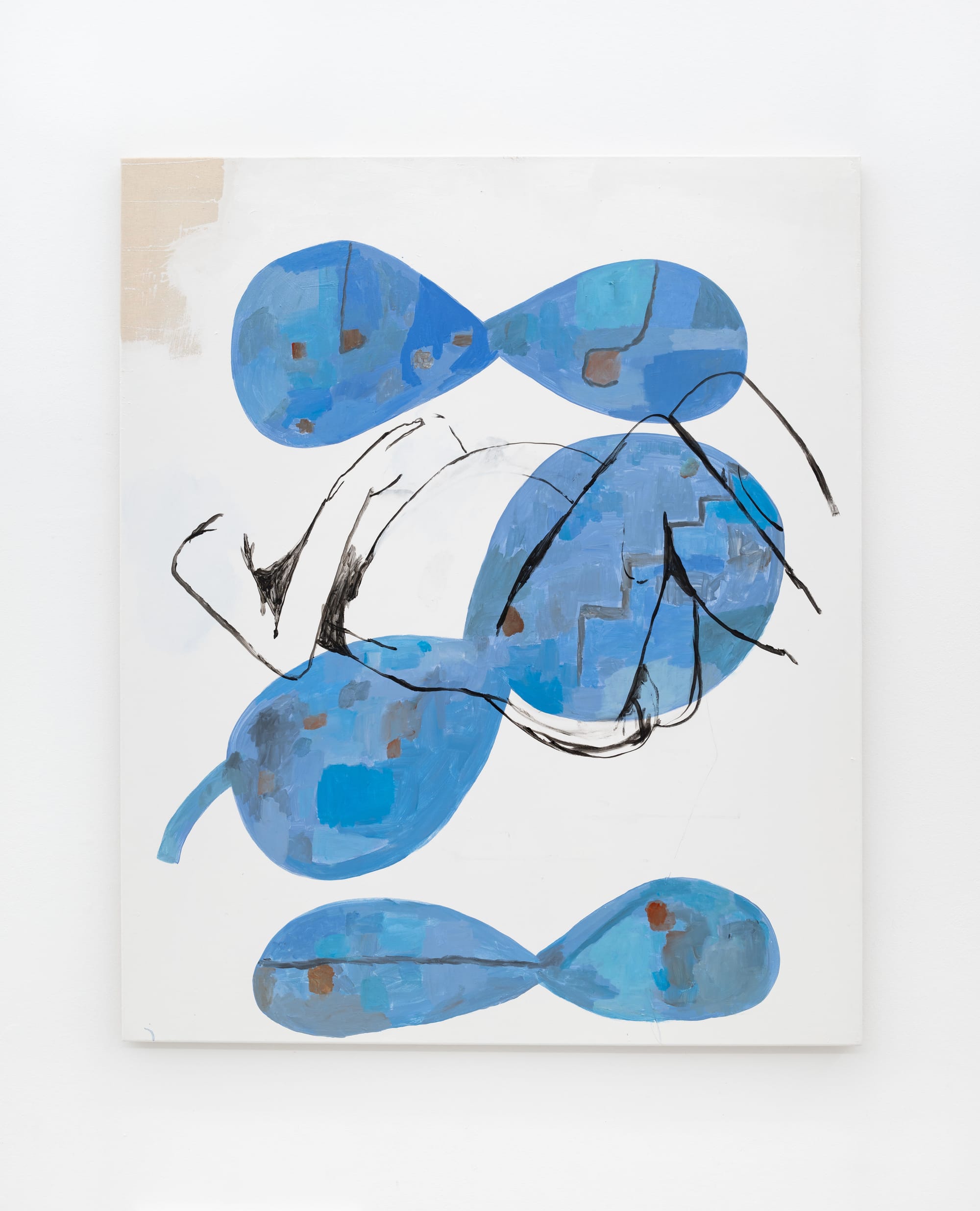
Working, being involved in your thinking and making, is always the best reaction. The work, when it goes the right way, feels very natural.
Like a conversation almost. The works are calling for you to continue or to stop. Ask questions that need to be answered by me or another work that first needs to be invented or found.
Sometimes I describe the process of painting as: „making yourself problems and trying to solve them.“ For now I haven't solved the problem.
7.What role do sketches, notes, and research play in developing your pieces?
Since I can remember I was carrying drawing material and drawing books with me. I collect everything in there. Recently it's mainly notes and texts. Research happens very naturally.
I gained a sense for things that in a way are connected to my work. I collect them in a steady growing archive and automatically they bleed into what I'm doing at the moment.
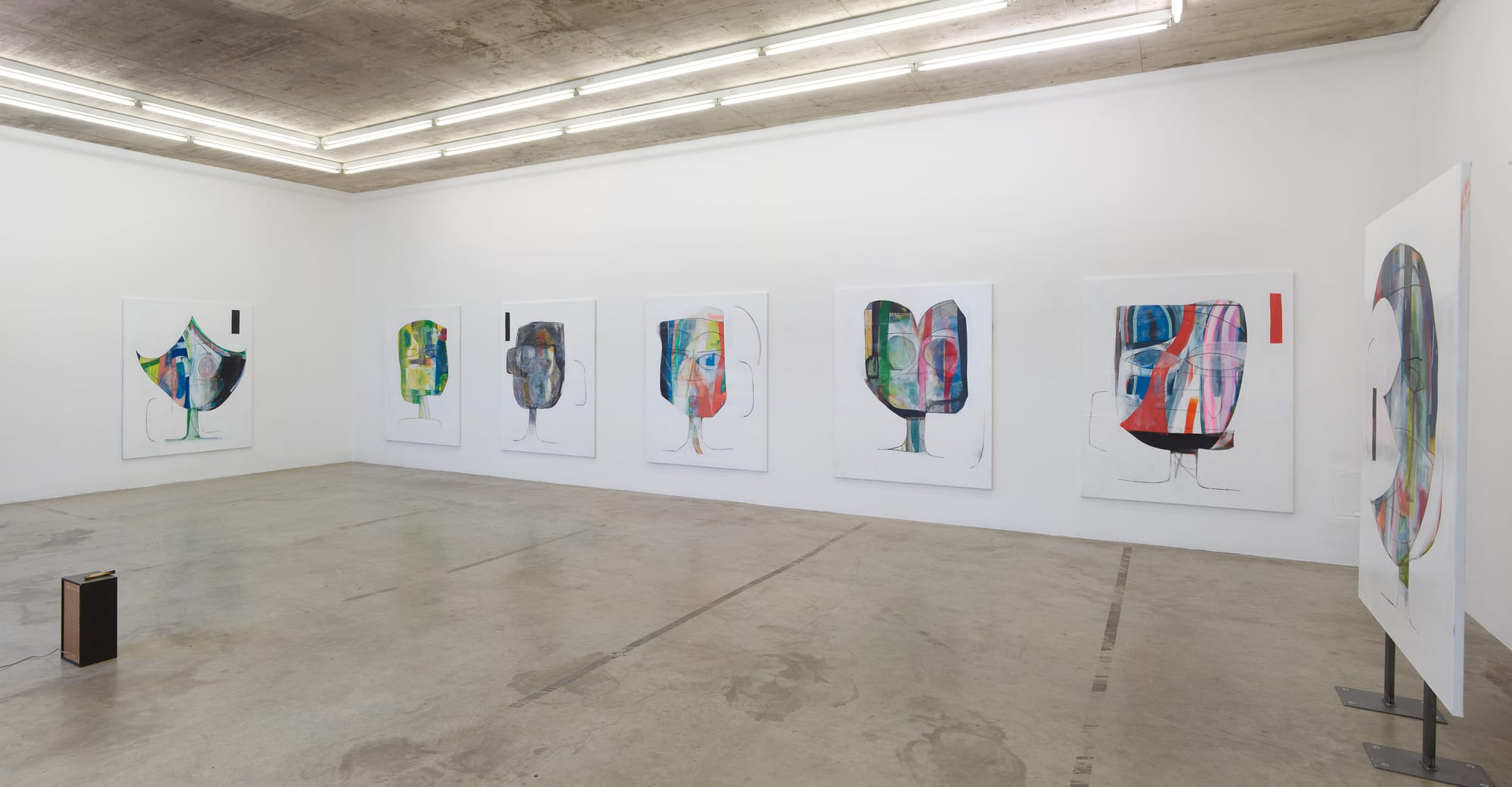
This can be everything, from music-lyrics, movies, dance, literature, poetry, politics, etc. Drawings come and go but are always reliable to go back to. My relationship with my drawings was always ambivalent.
I always had a problem to give them the space they deserved. I once did a partially „drawing show“ and was very unhappy with it.
The drawings, notes, photographs, in general work on paper, are crucial but yet never left the shadow of the „notes to myself“ realm. I hope to change that in the future.
8.How do you decide the structure of a painting does the composition emerge quickly, or is it built in layers and revisions?
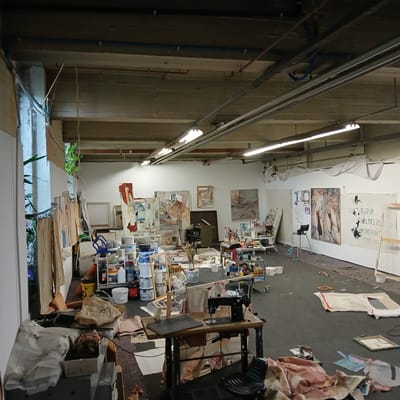
There are definitely some first steps that I'm following with a new work. You need to start somewhere. But there is no modus operandi. The layers occur very naturally through the painting process, paint, paper, pieces of cut-out canvas get added.
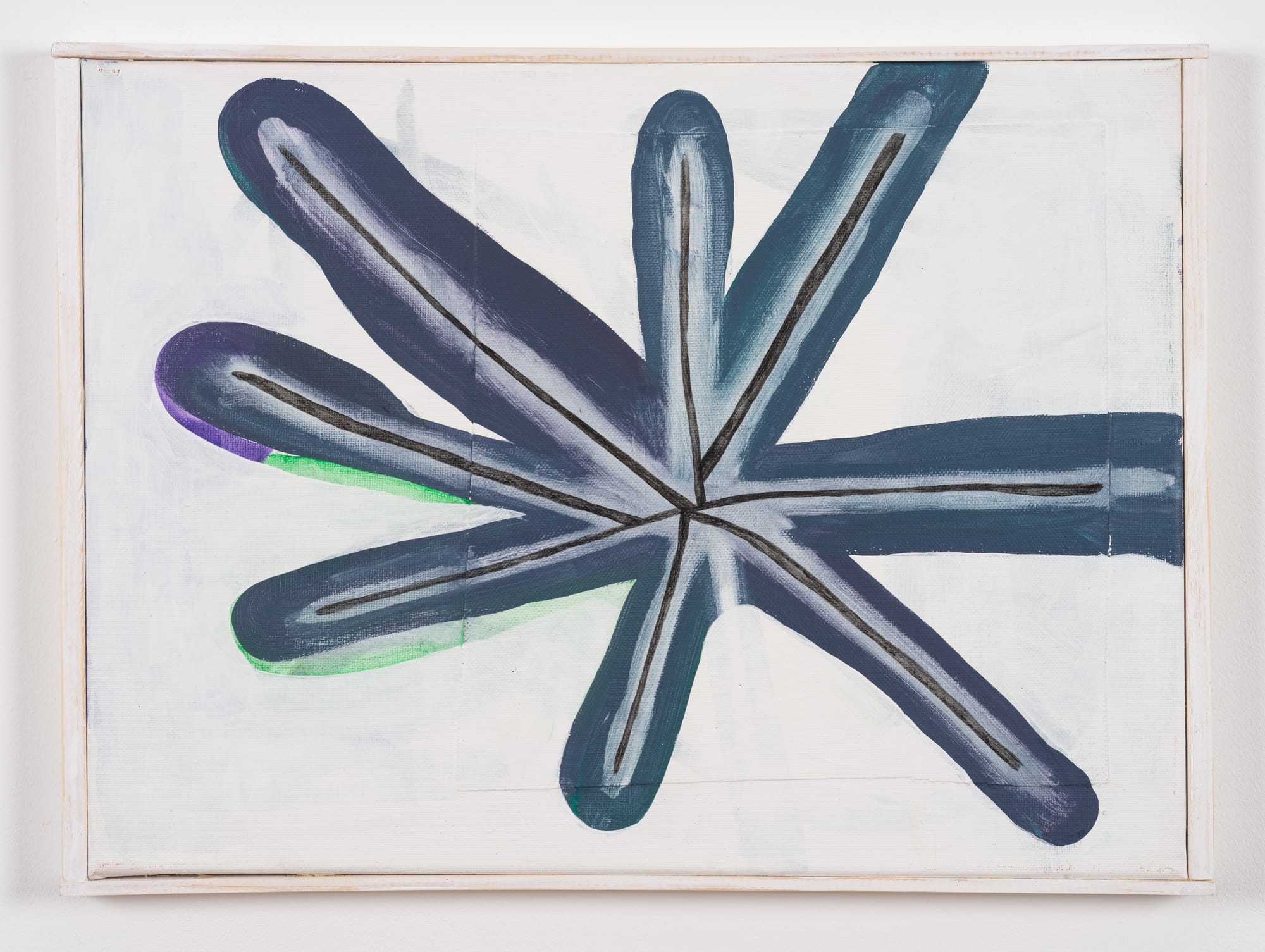
A certain character of the surface of the works is very important to me. In earlier works I took so far that the natural structure of the canvas nearly disappeared under the paint. Today I like the idea that the surface of the work implies a gesture into the room, towards the viewer.
9.What has been the most challenging moment in your artistic journey so far?
Getting back into it. Every time. Even after just a few days off.
10.Do you have a work that you feel marked a turning point in your career?
Yes, but in the terms of the content. Specific times of change in my life and practice are bound to specific works or groups of works. Some of these works are good reminders of where I took a wrong turn, some are good anchors to where to go back to and some stand completely for their own and mark a time of where they were necessary.
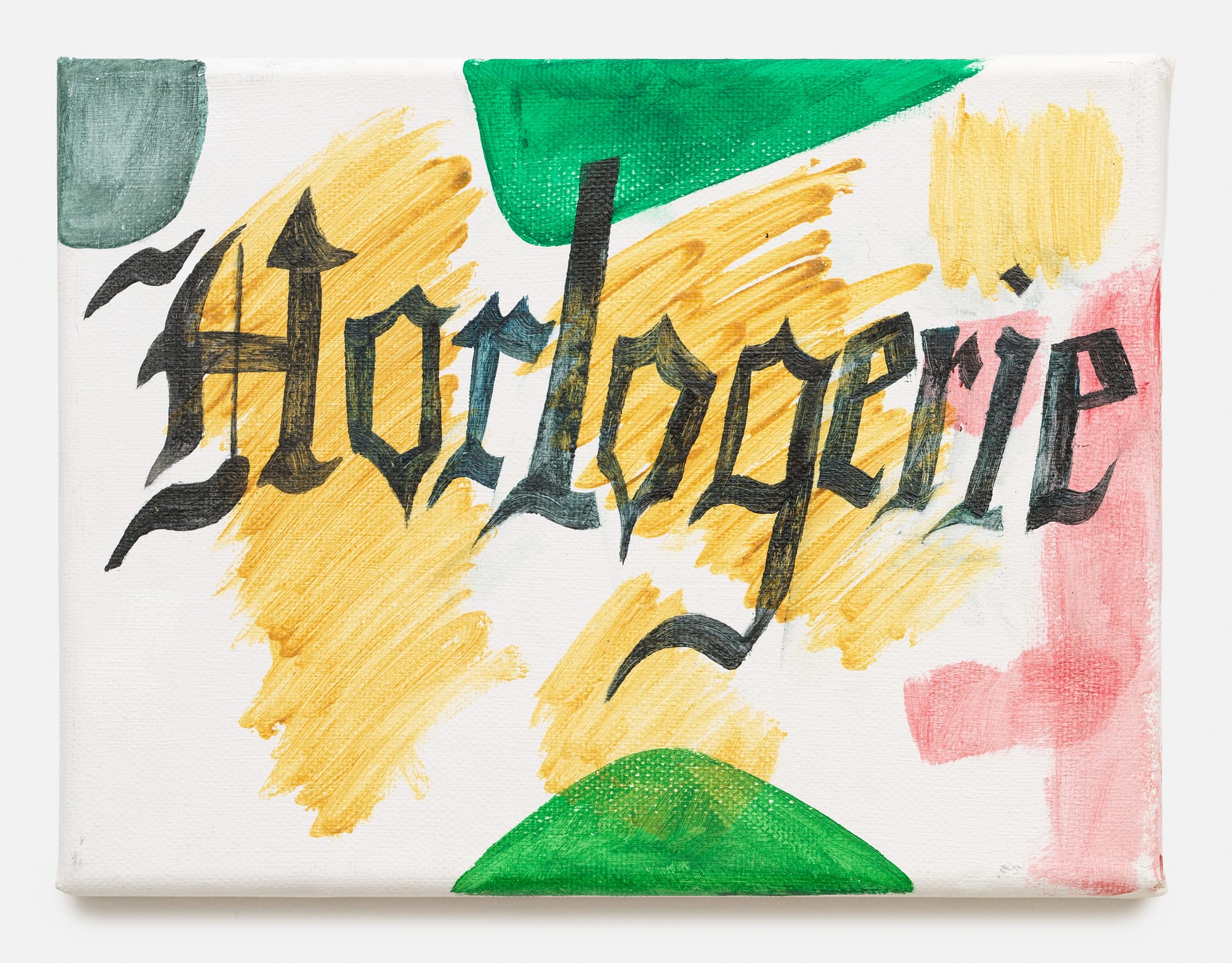
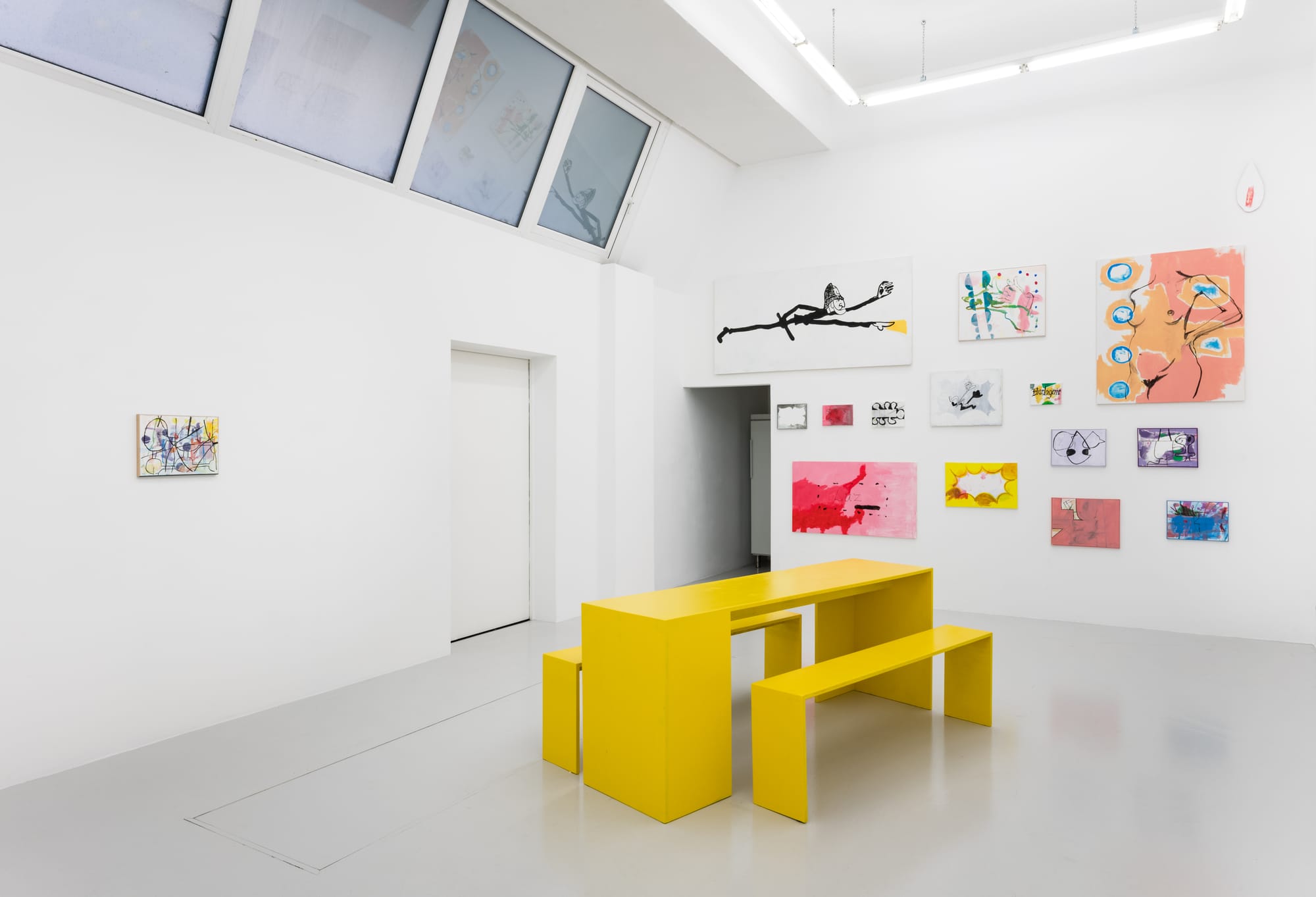
I always hope for a continuous series of works but I always fail that. As soon as a process on new works ends, that might be caused by an exhibition or just a break from work.
The paintings with the time create their own existence and I don't have any saying anymore. So they mark a specific time.
It is an interesting part of the work, being able to trace back everything that you felt and that happened during the creation.
Just as you hear a song that reminds you of an old friend, first broken heart or a great party.
11.How do you choose the titles of your works? Do they come before, during, or after the piece is completed?
There is a feeling that is impossible to describe that marks when a work is done. I once tried to describe it as: „That the painting is looking back at you.“ If the work is getting a title it's mostly coming at this time.
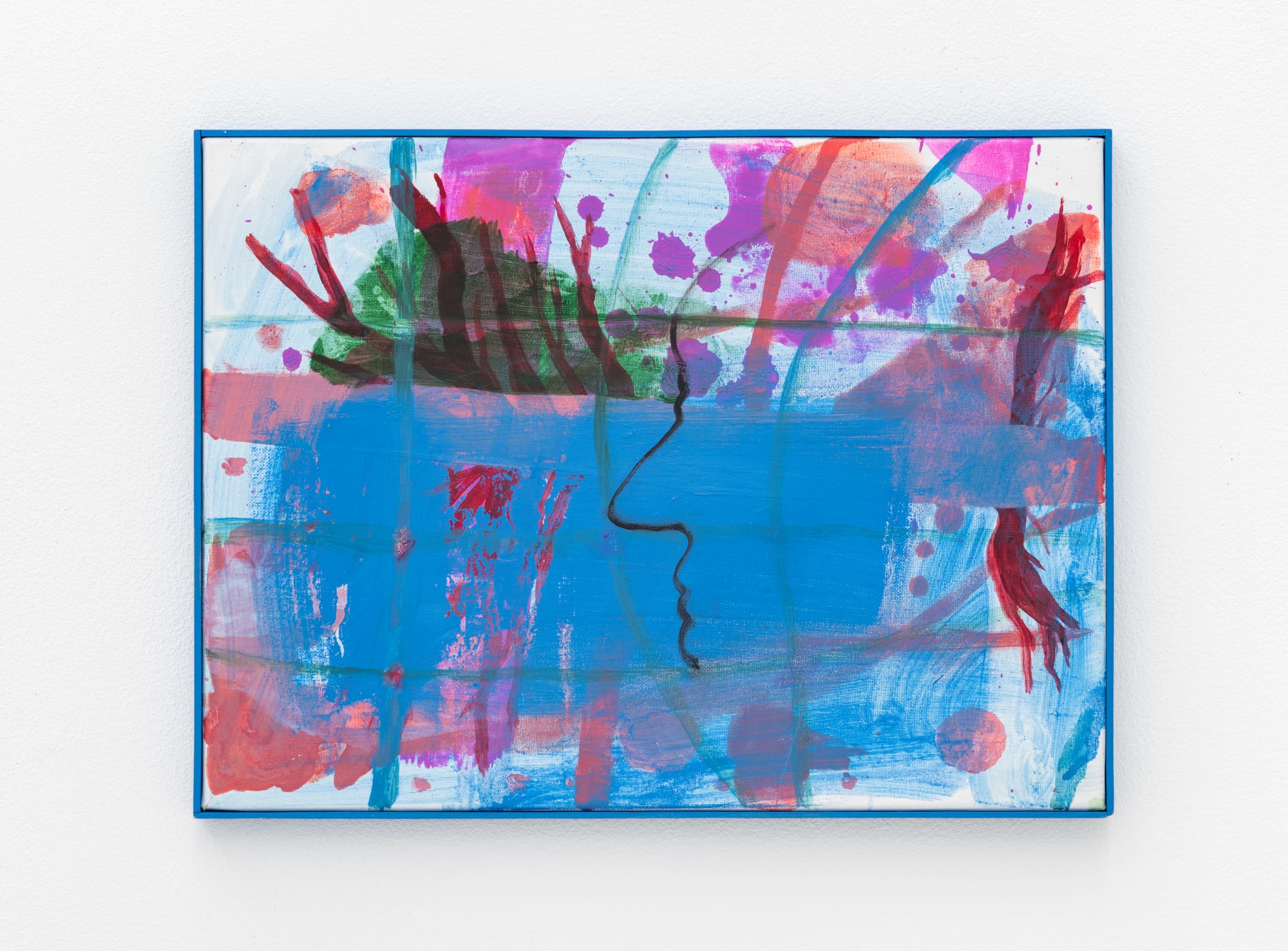
Through a reference that can be found in the painting or an external source. In this time my archive, books come in handy. I find little notes in them that sometimes can implement the title of the work. It's different with exhibition titles. Just as posters for my shows, the titles are very important. They work as a very brief attempt to translate a attitude that is connected to my work.
12.What importance do error, chance, or improvisation have in your studio practice?
It is always a trial and error. Maybe a dance. At some point my question and the answer are matching in the painting. From there it's a very delicate moment of if the work succeeds or is a failure.
But I realized that time is sometimes the best artist. There were paintings that were stuck and stayed in my studio for months, sometimes even years.
And from one moment to the other you know what has been missing. It's not happening too often I give up on a work. The great Walter Swennen described „the time“ in the studio as „the third“ person.
Meaning the painter is one, the painting is the second and the third is time coming and going into the studio and leaving notes for what's next. That is very fitting.
13.How do you perceive the relationship between your work and the public do you aim to provoke, create empathy, or generate discomfort?
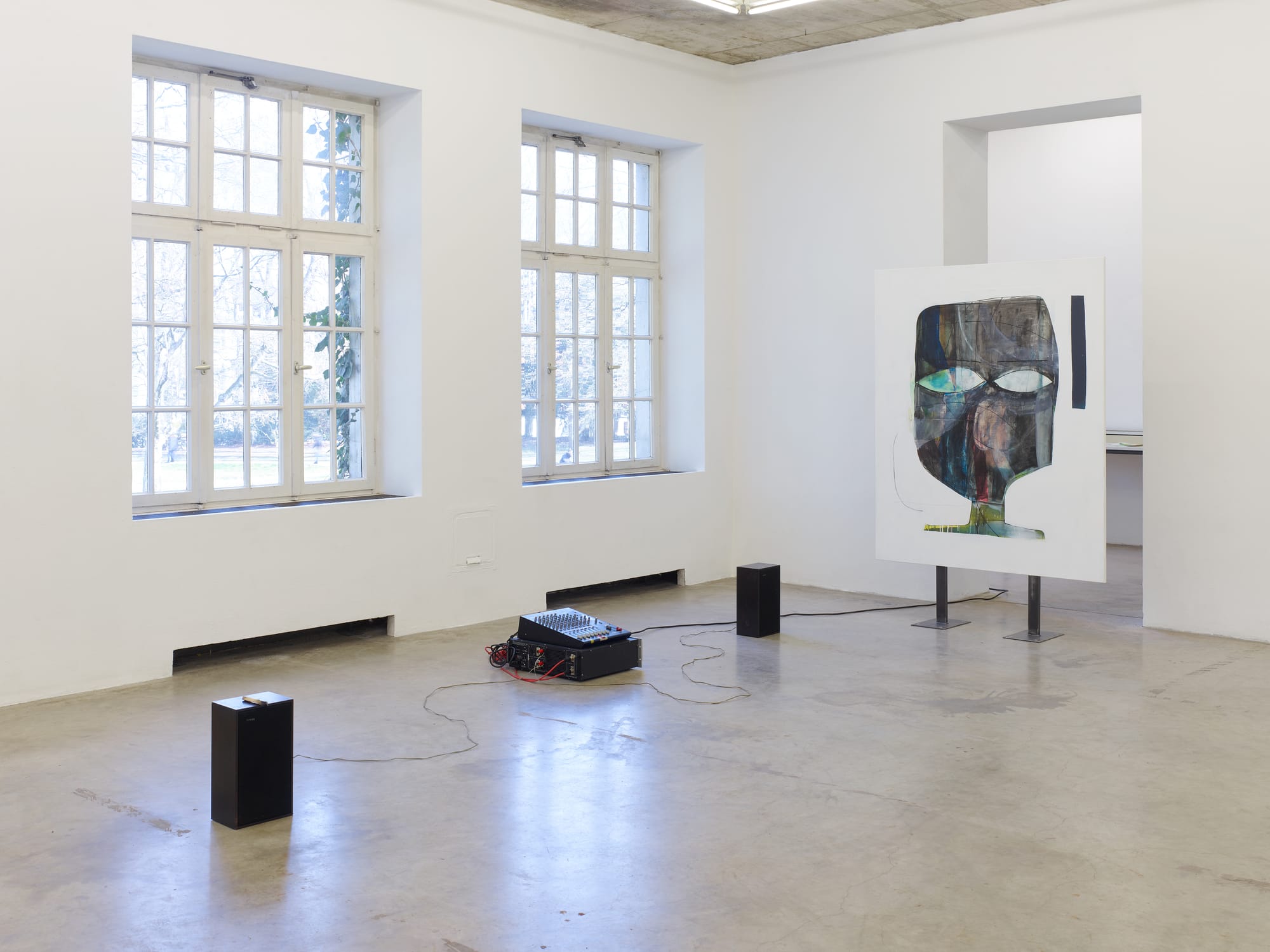
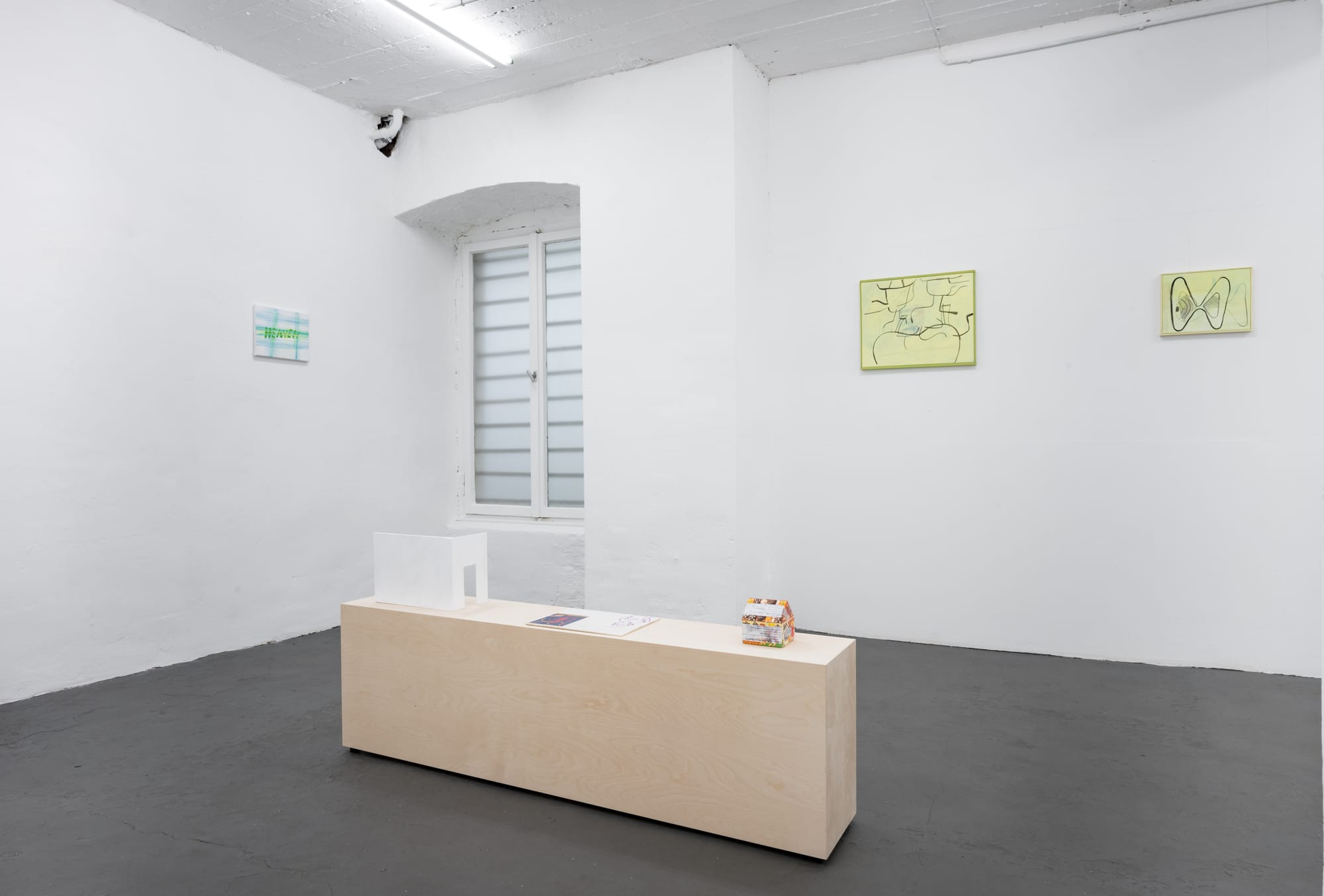
For my work the space in which it's presented is a crucial part of my practice. The interaction between the work, the space, and the viewer is a necessary element. I try to define the space through small interventions, for example furniture-like objects that intervene with the room and the viewers.
But what and how the viewer feels in the end I cannot control. I think the only hope I have for my work is that a certain humanistic approach to the world can be read in them. Asking questions about vulnerability, fear but also openness and togetherness. These questions for some people are provocation enough.
14.Looking back, how do you see the evolution of your work from your earliest pieces to today?
Also when it sounds tacky I'm very thankful for the ride for now. I learned a lot through my works. Obviously there was always a big need for experiment but everything I did I did for a good reason and I believe it's necessary to make mistakes and learn.
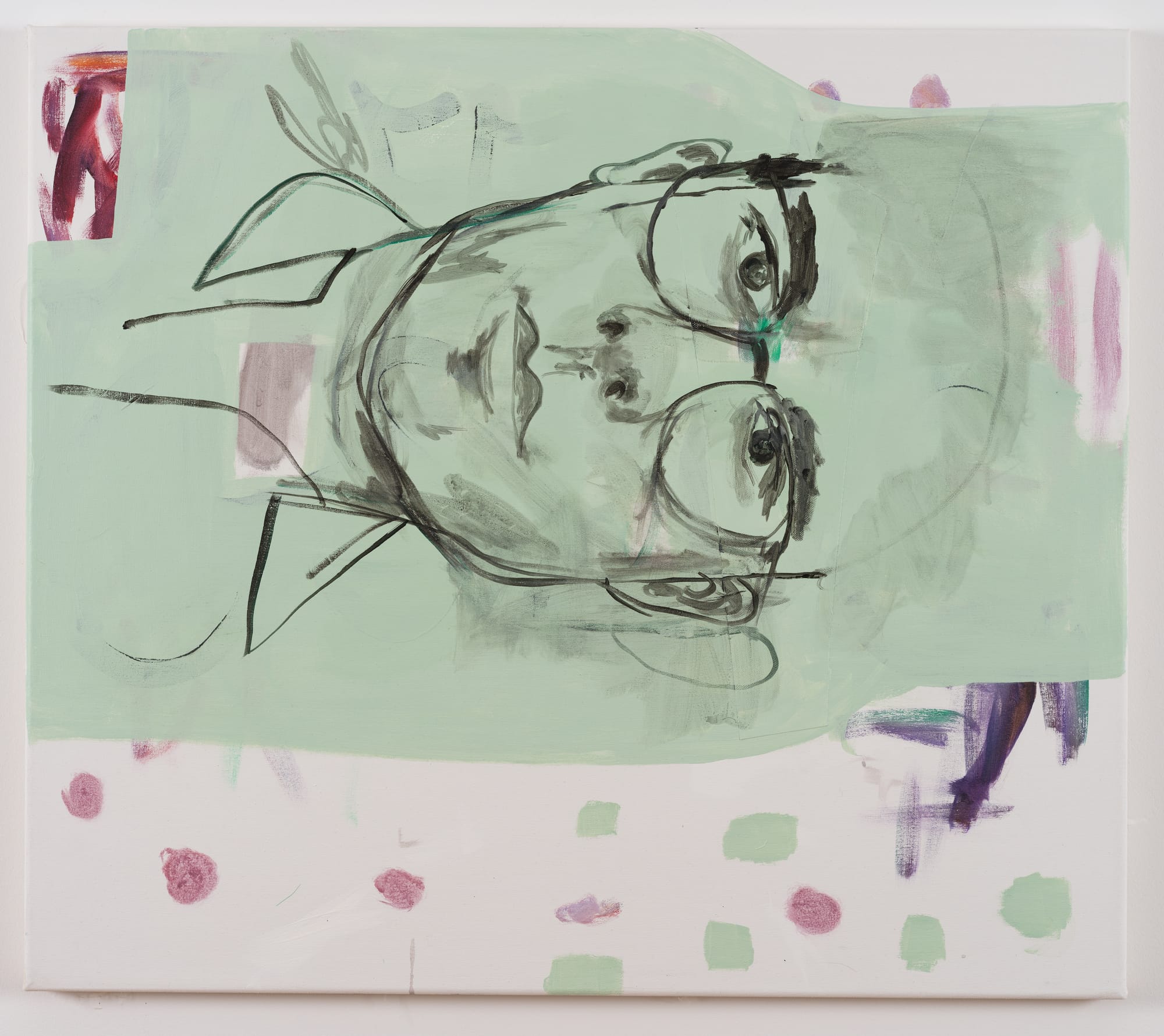
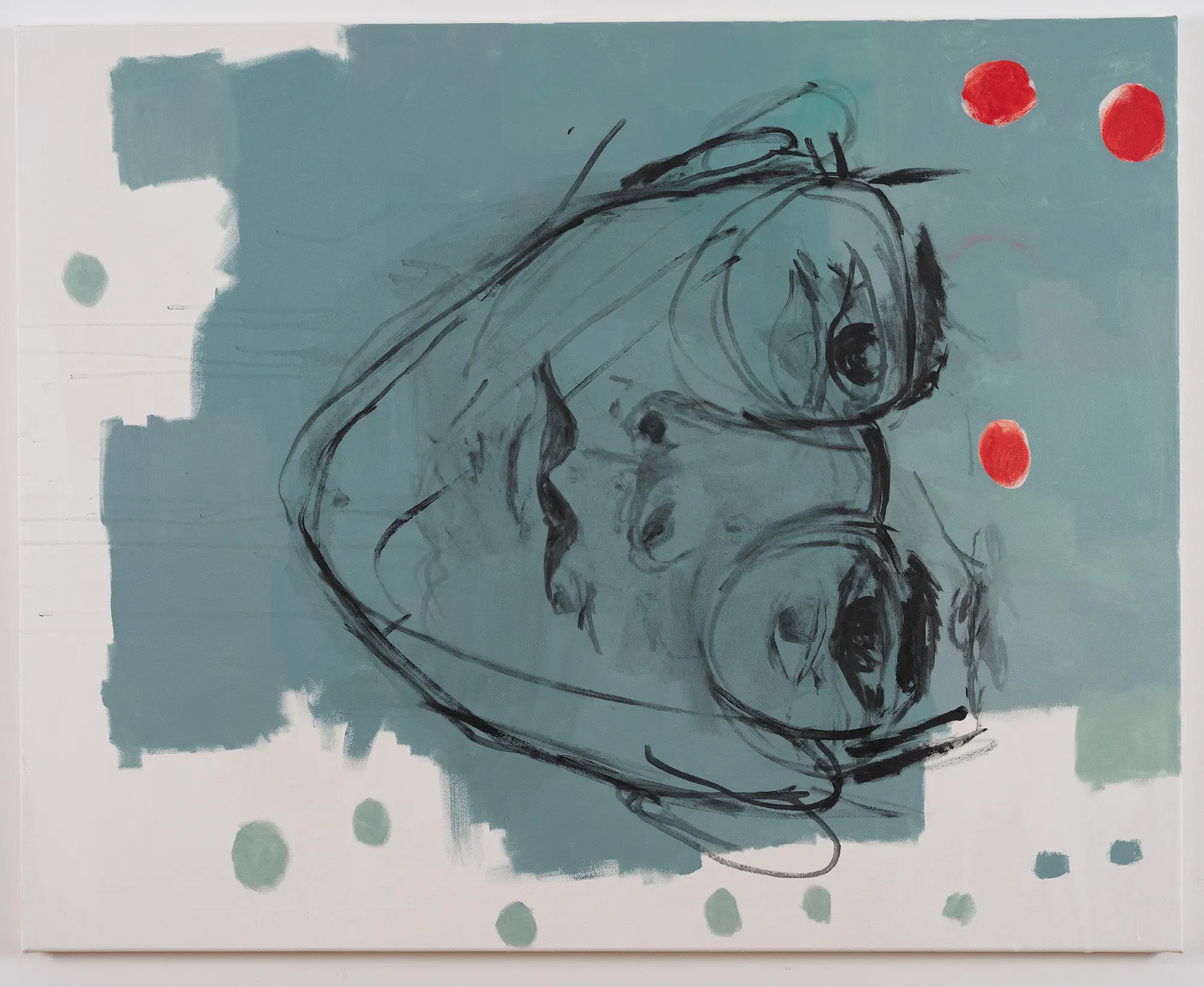
I'm looking back at a very diverse spectrum of works that in total are definitely connected and tell their own stories.
It surprises me every time when I go back into old books or looking at former shows and works, that there is always an associated painting to every work I did. Questions I've been asking myself two years ago found their answer in current work and so on. In the end its all one.
15.What directions or experiments would you like to explore in the future?
Because the space in which my works are presented is crucial to what I do. I was always interested in the possibility of an intervention in the space.
Since years I've been including objects in my shows that talk about the relation between viewer, space and the paintings and I'm really curious of what's next on that stage.
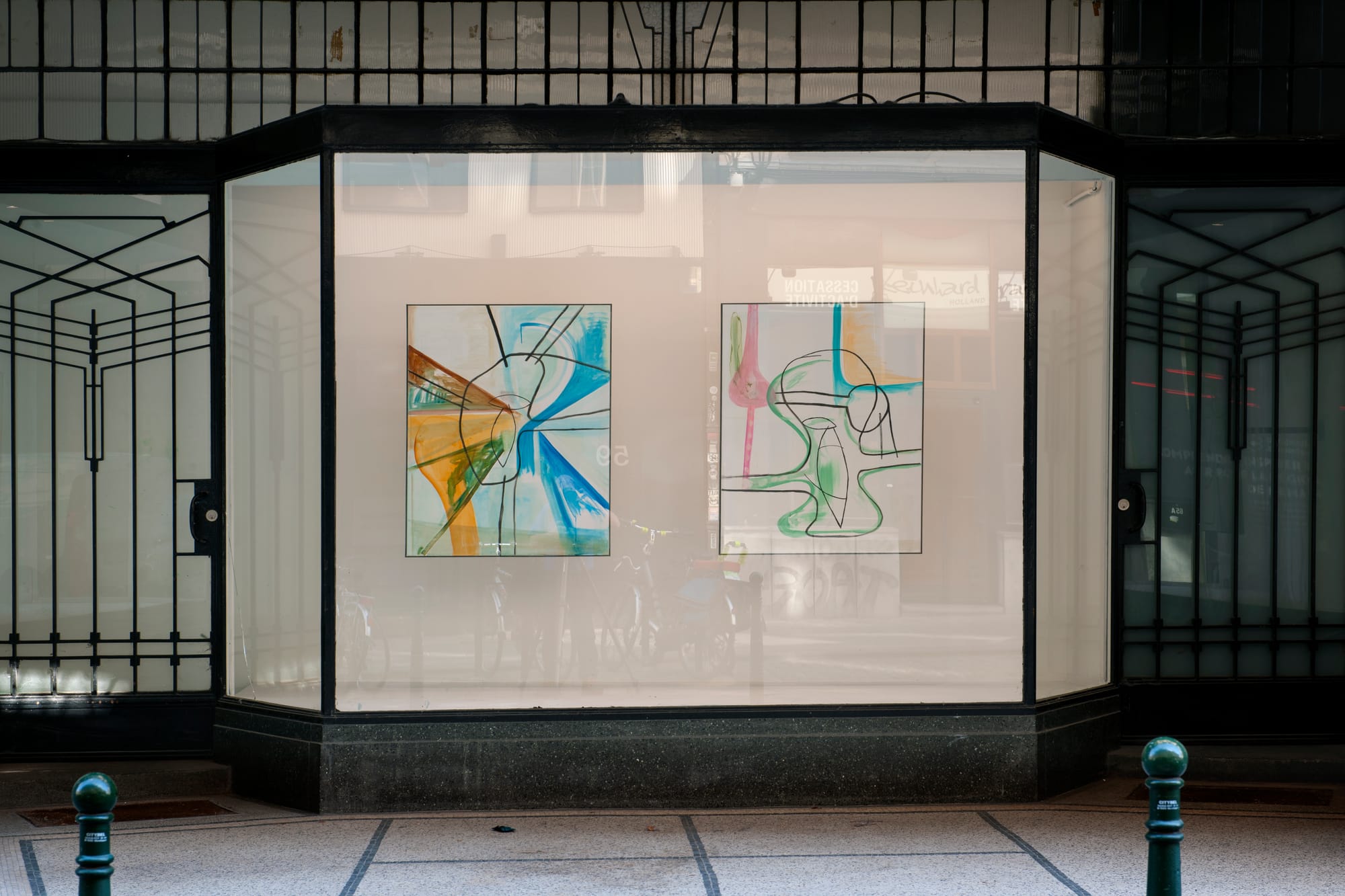
Recently the architectural thematic grew together with the canvas and this opens a lot of questions and possibilities. Self-built so called „artist-frames“ have been very important for me over the last years. I want to go deeper into that rabbit hole.
16.Nowadays, do you think the traditional gallery and curator model is still valid and relevant for contemporary artists, or do you feel it is undergoing major transformation?
I can't tell. I'm a part of that world but I feel more and more alienated from it. When I talk about the humanistic possibilities of art in a dramatically changing world I find it hard to feel allied with a lot of mechanisms and concepts of the art market these days.
The constant growth and new places another fair pops up feels very destructive and wrong.I don't have an answer to the problem. I think that curators when they are doing a good job can function as a important translator.
I hope that in the future small neighbourhood galleries representing local scenes, along with independent and sustainable institutions, will continue to exist.
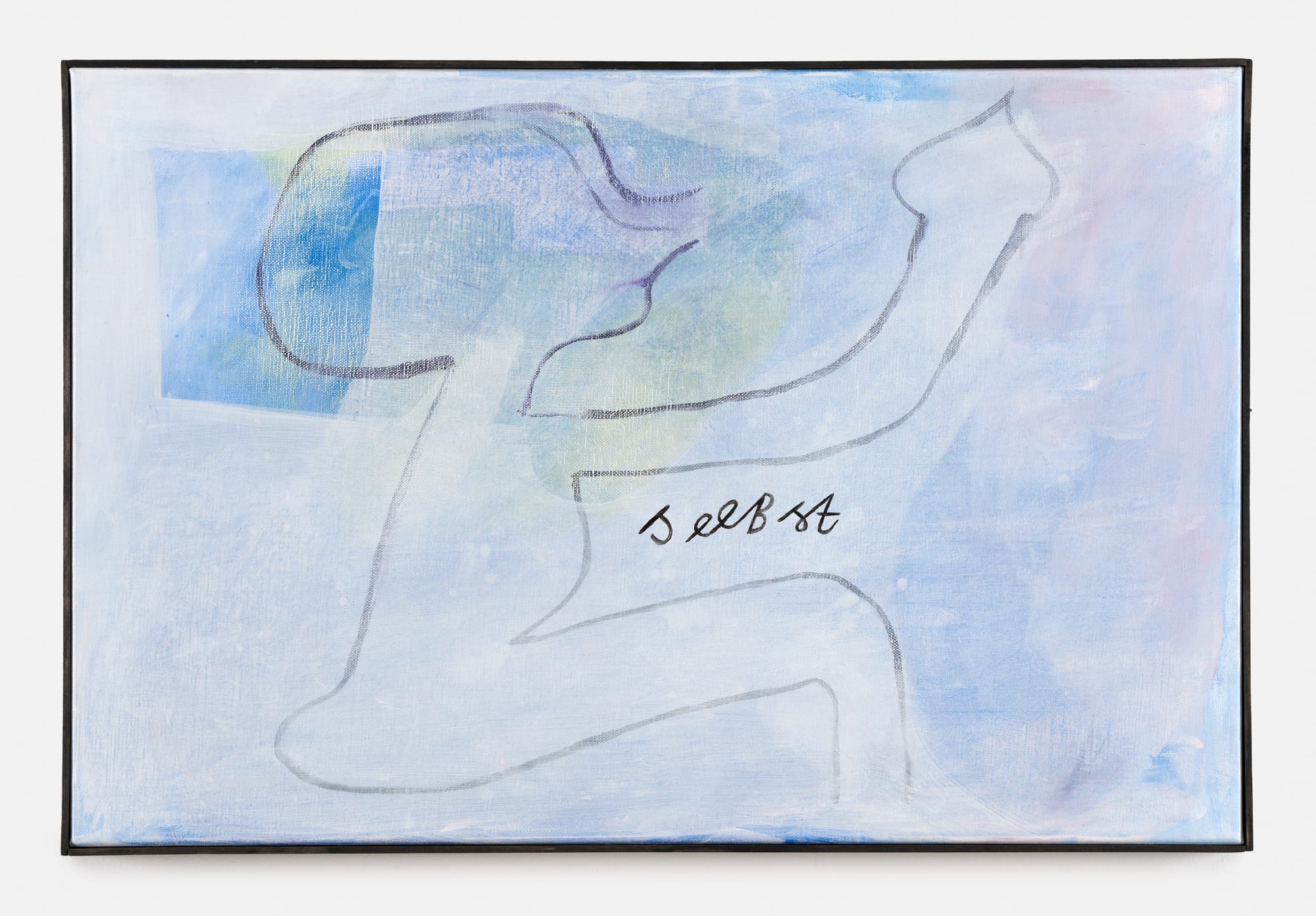
A concept like they are doing now in Ireland like a basic income is not the answer to everything but could help this independent critical scene to survive or even thrive.
And as Baldessari said it once: "An artist at an art fair is like watching your parents having sex. You know it happens, you just never want to see it."
More to discover
Maria Naidyonova: How Does Figurative Painting Capture Intimacy in the City?
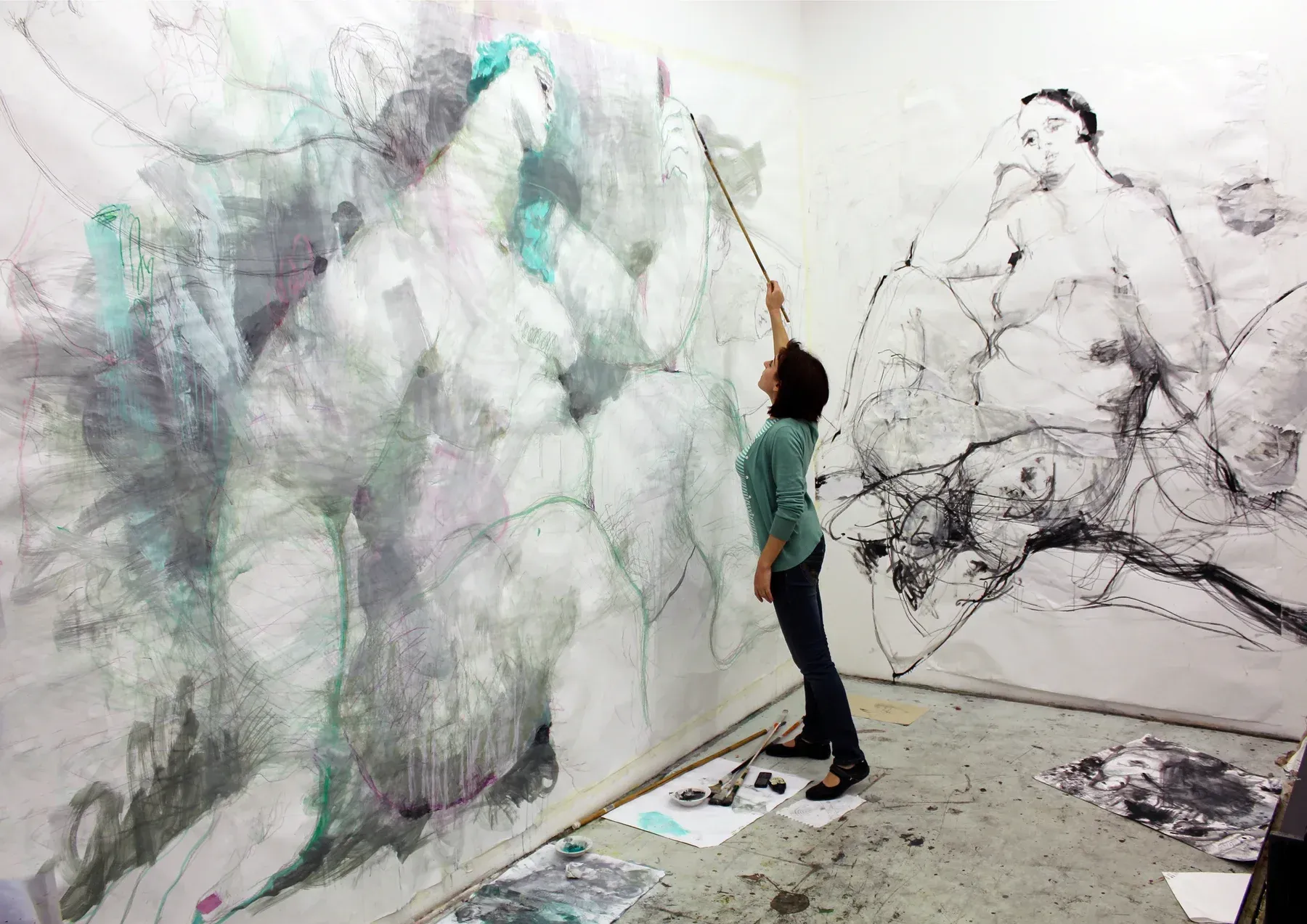
Khoren Matevosyan × Woods.center - A Glimpse Into His Expanding Universe
Get Listet in our Artist in Focus?
Catapult curates artists and exhibitions archive built for long term visibility.
Submit to Catapult →No spam, no sharing to third party. Only you and me.