Technology Moved In. The Body Is Still Adjusting.

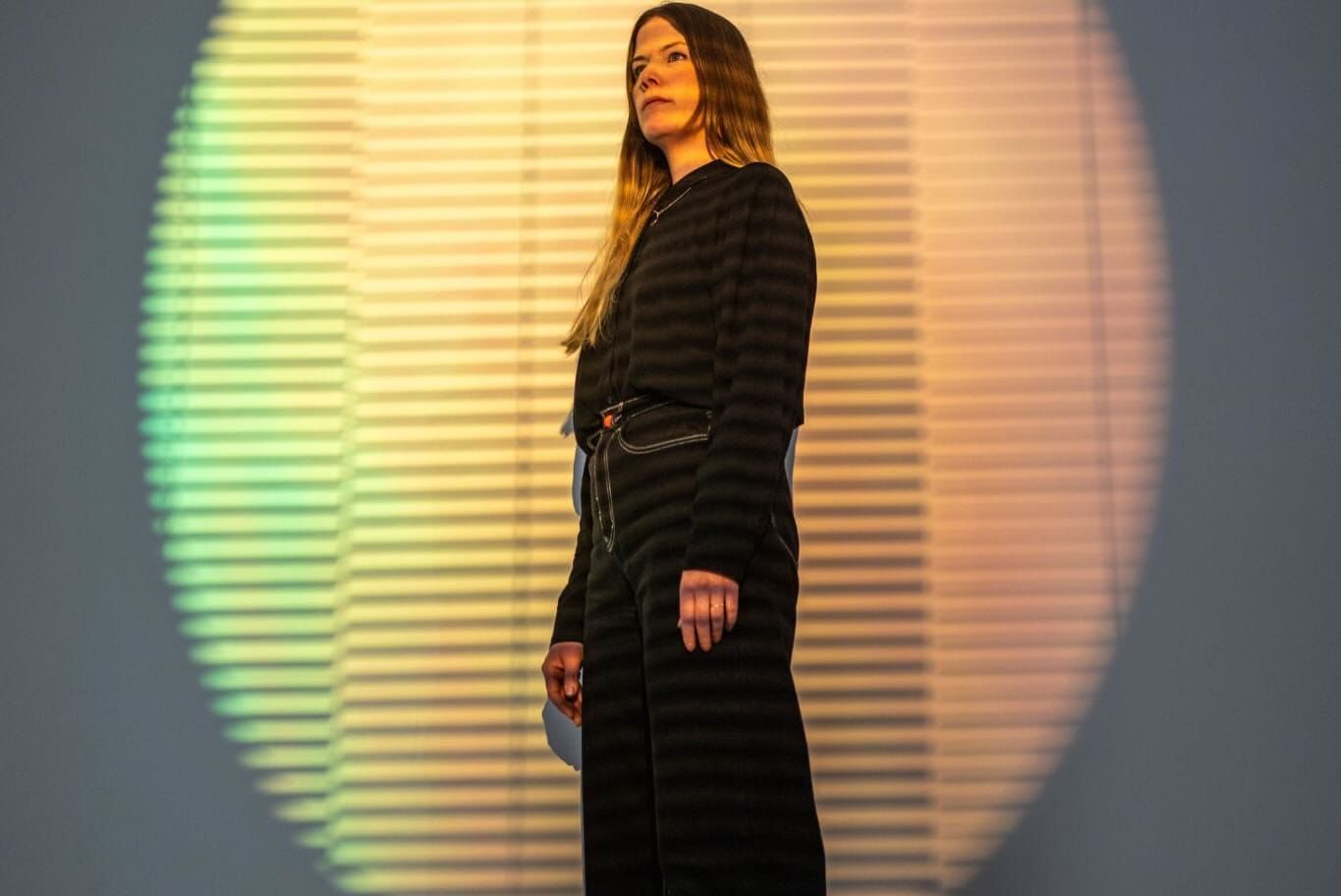
Thordis Erla Zoega (Þórdís Erla Zoëga)
Domestic Sci-fi
BERG Contemporary
Reykjavík, Iceland
Klapparstígur 16, 101 Reykjavík
Thordis Erla Zoega and Kristína Aðalsteinsdóttir
Vigfús Birgisson
Courtesy BERG Contemporary
BERG Contemporary Presents Domestic Sci-fi in Reykjavík
Something has changed in the logic of the domestic object. The things we use to separate inside from outside, the blind, the curtain, the window, were never neutral, but they used to be simple. They filtered. Now they carry information, and the distinction between filtering and transmitting is getting difficult to hold.
The question isn't whether technology belongs in domestic space. It already does, definitively. The more difficult uncertainty is what it displaces when it arrives, the biological calibrations of light and dark that predate every algorithm, the rhythms the body still runs on even when the devices insist otherwise.
The home has always tracked the sun, curtains opened at dawn, closed at dusk. What changes when an algorithm makes the same forecast centuries out, and the body no longer knows which signal to follow.
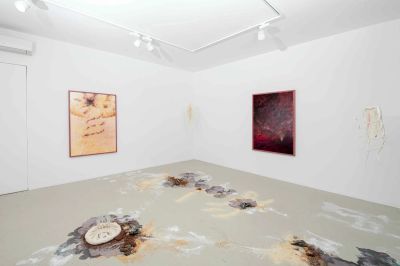
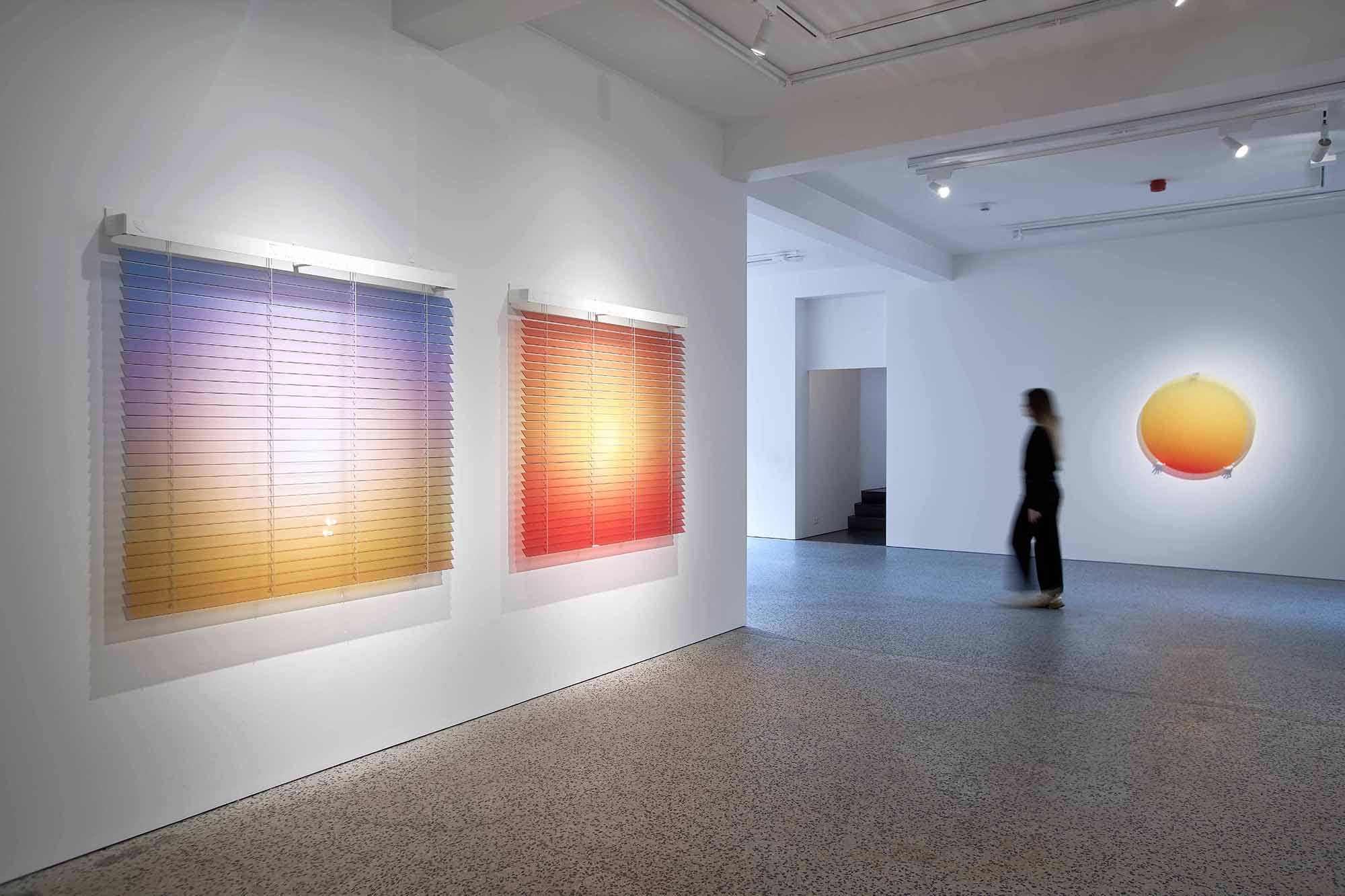
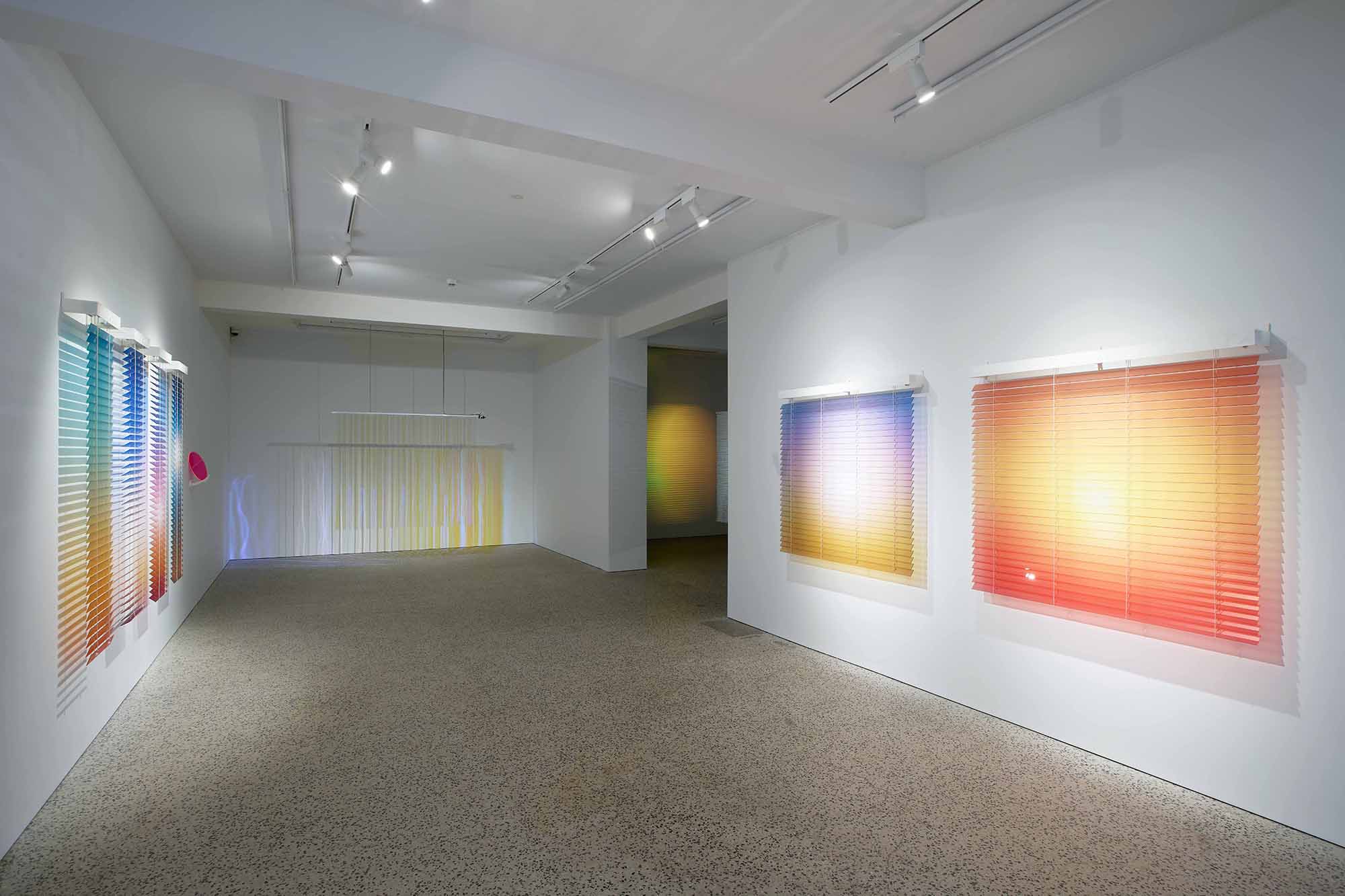
BERG Contemporary's ground-floor space in Reykjavík holds the exhibition quietly. Zoëga uses venetian blinds as the show's dominant material across walls, suspended as room-dividers, arranged into enclosed chambers, so that the transition from gallery to artwork is continuous. You are inside, but also inside the work. The blinds mark the boundary, they've also become the view.
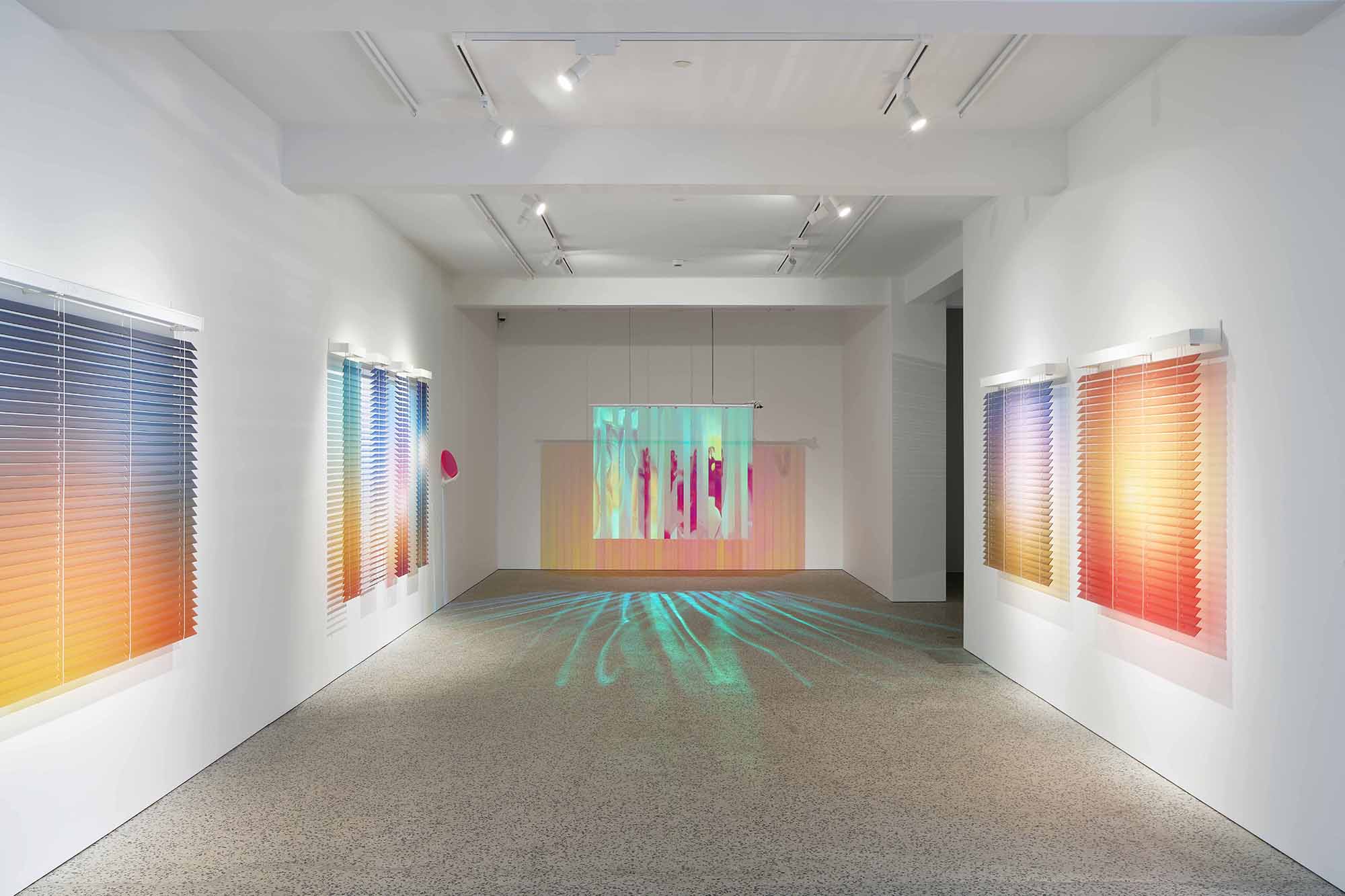
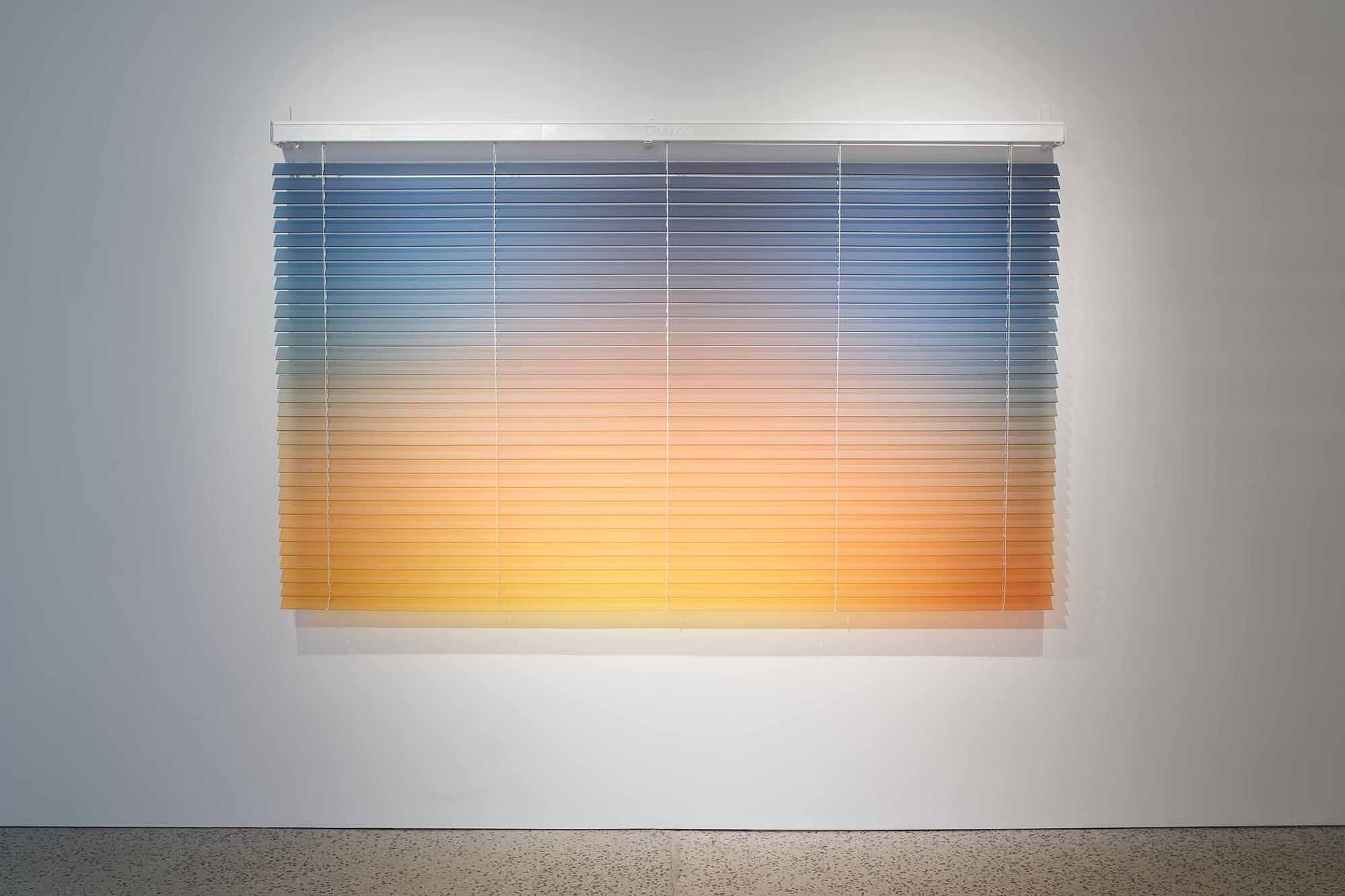
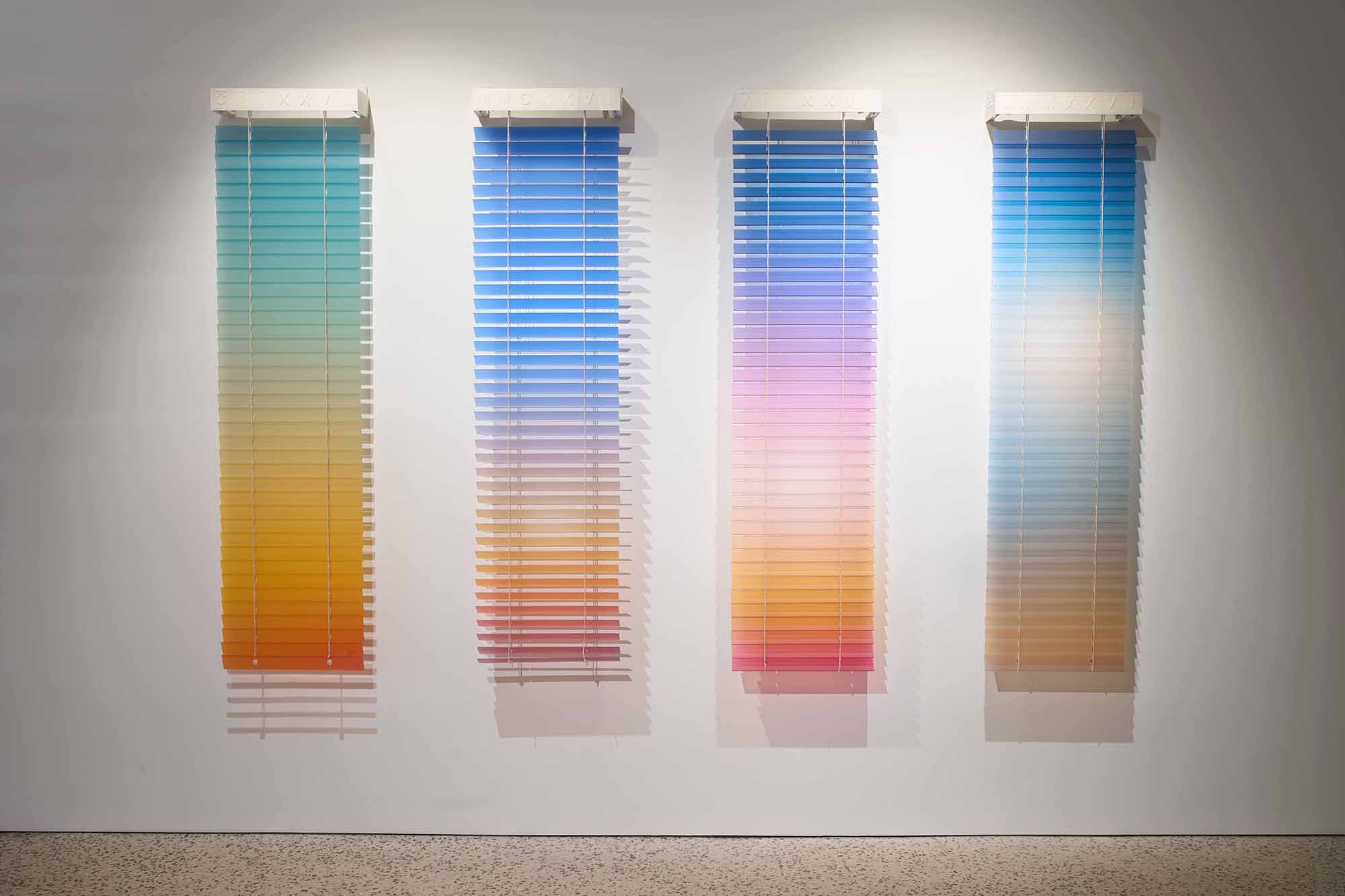
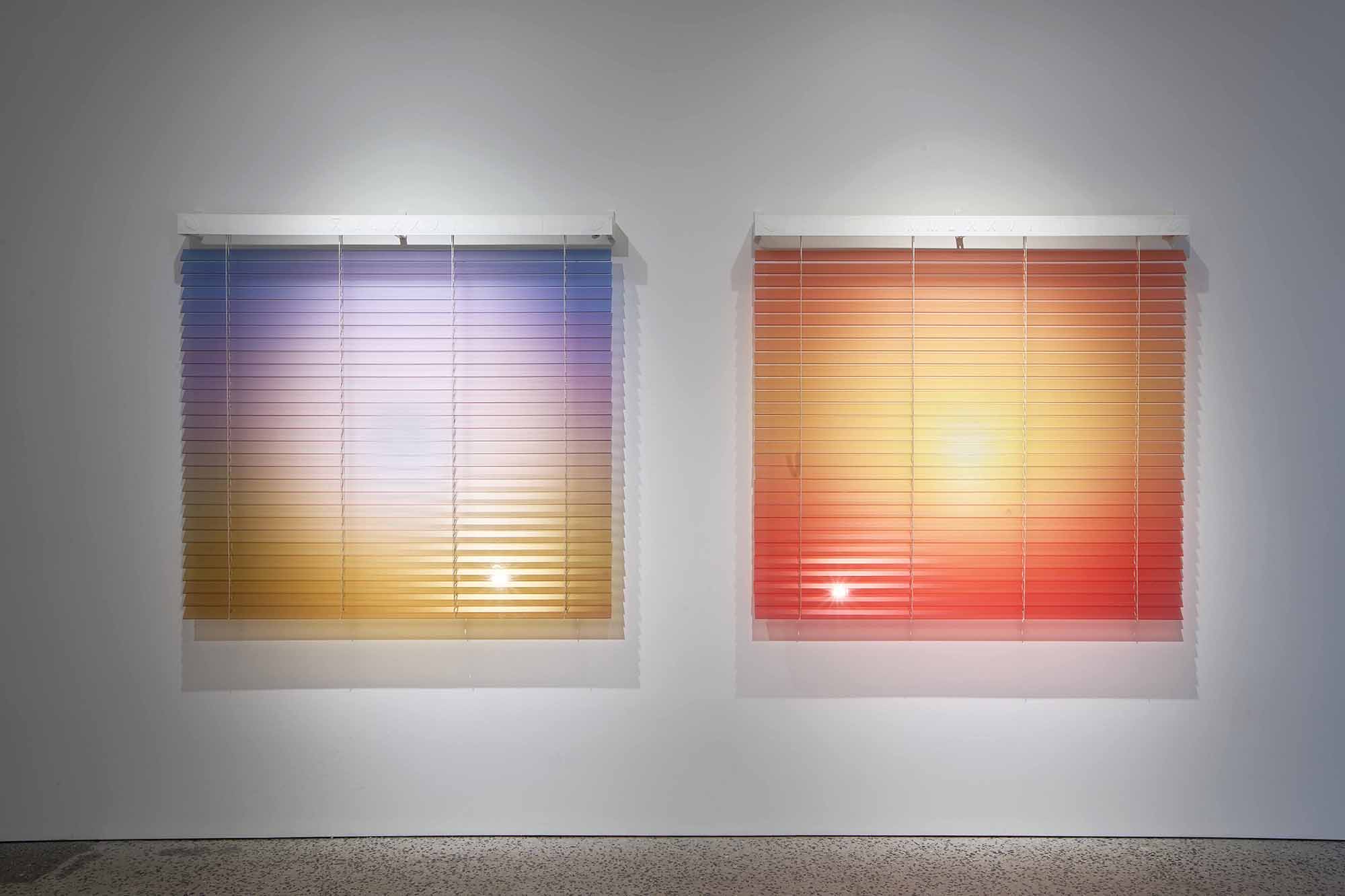
The Forecast series occupies the surrounding walls, AI-generated sunrises and sunsets, each stripped to its gradient, mounted behind or printed onto venetian slats that cut the image into horizontal bands.
The colours run cool at the top, pale blue, muted violet, and warm toward amber and orange below. What you're seeing is a prediction of atmosphere, processed and pulled back from precision until each image blurs into something between data and sensation. Each work carries Roman numerals marking its year of forecast, future light, dated in a calendar built entirely around the sun's movement. The choice seems deliberate. Prediction is not new, what's new is who, or what, is doing it.
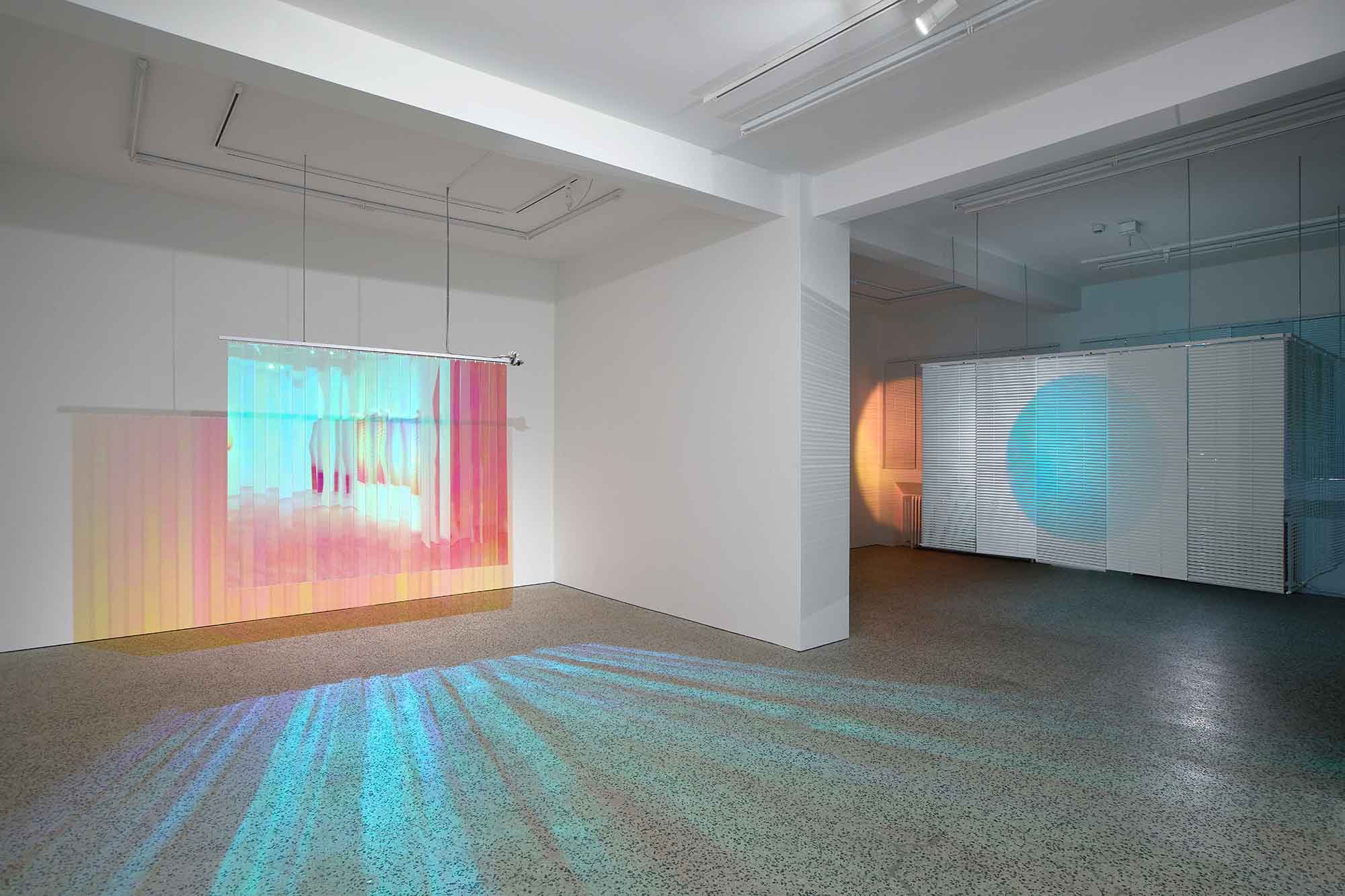
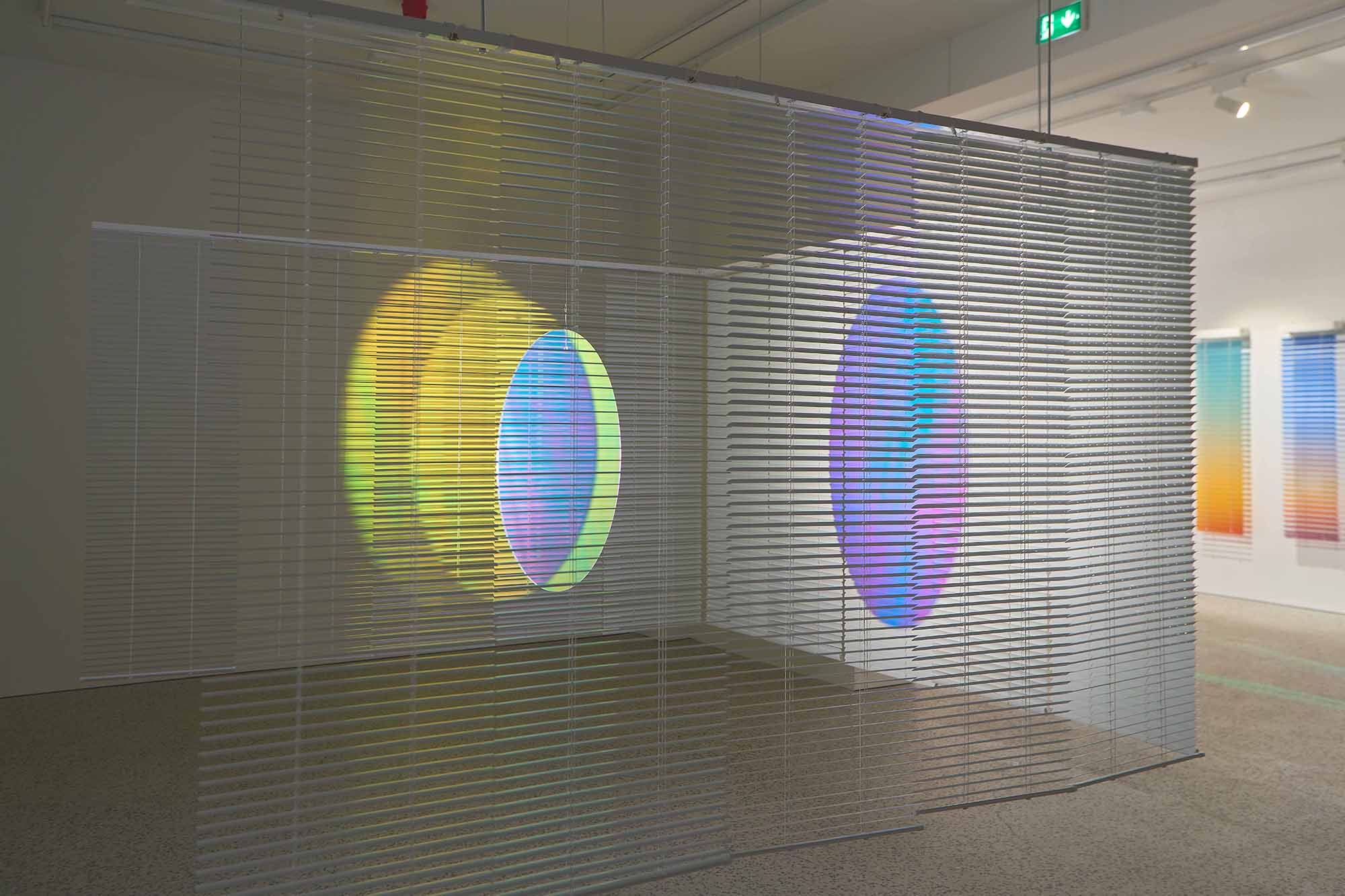
At the exhibition's centre, Everyday builds an enclosed structure from white blinds, within which a disc of dichroic film rotates slowly counterclockwise, the disc reading as blue while its reflection casts red and yellow light that migrates across the floor and along the blind-walls, a slow orbit generated indoors.
Dichroic film was originally developed by NASA for astronaut use in space, here it traces the rhythm of opening and closing curtains, the daily act of letting morning in and keeping evening out, the reflection seeming to pursue its own path as if the work has produced a small solar system inside the gallery's interior.
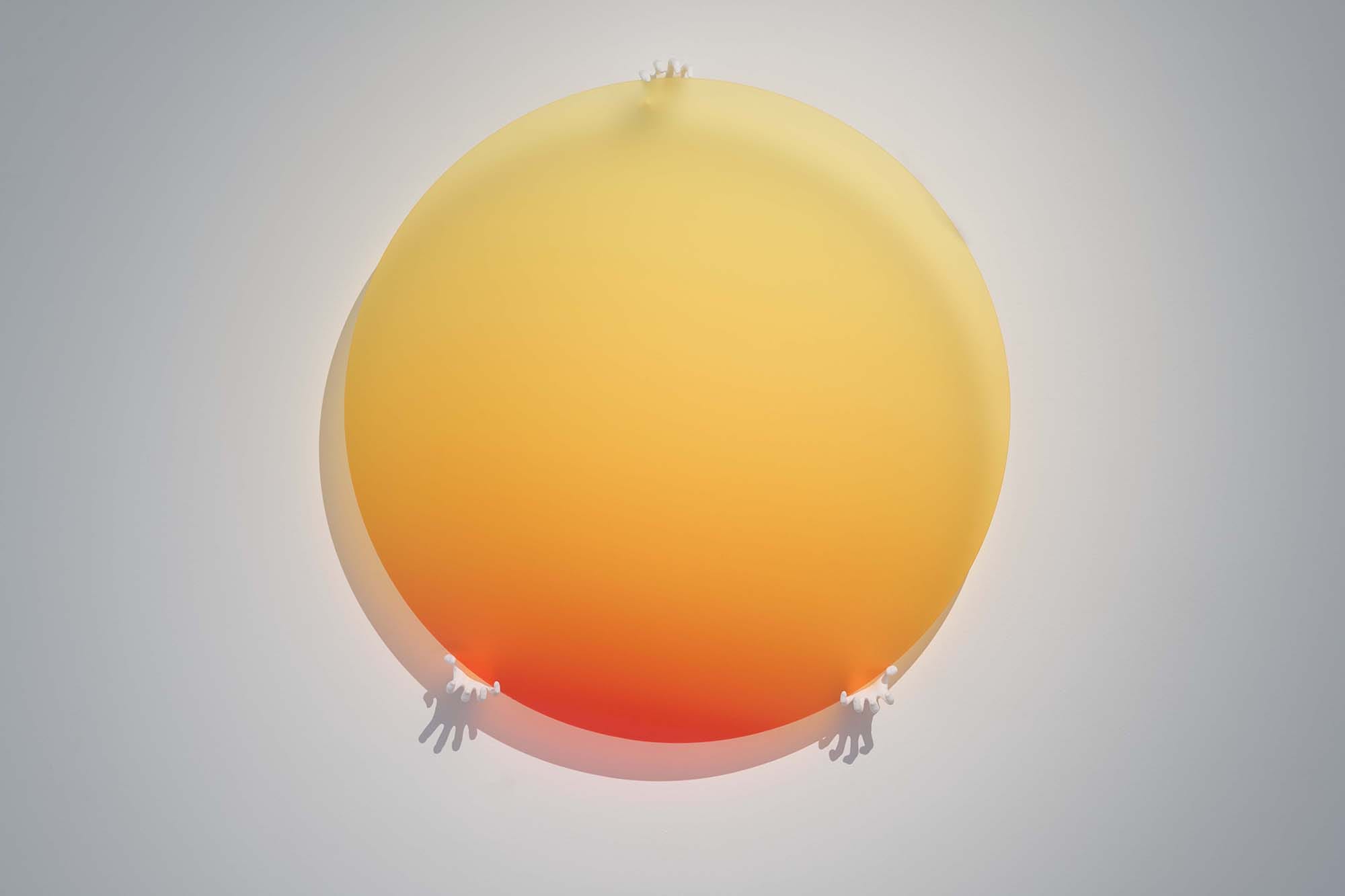
In a second room, Dawn positions a large circular disc, orange at its core, moving through red and out to warm yellow at the rim, against a white wall, at the disc's lower edge two small white hands reach outward, neither grasping nor releasing. The sun is here as physical object, held or perhaps merely touched, and the body that might hold it is present only as this fragment, two hands, anatomically generic, cast in white, making it the exhibition's most unresolved image, which is likely the point.
What Zoëga is tracking runs through all three bodies of work, the collision between biological time, the circadian, the seasonal, the cellular, and technological time, which operates at a different scale entirely and does not pause, screens keeping the body in artificial daylight long after dusk, AI models generating forecasts for years the artist will not see.
The home fills with devices that listen continuously.
Domestic Sci-fi names this condition accurately, the extraordinary has become ordinary, and the uncanny now lives next to the kitchen, the exhibition not offering resolution but staging the environment where the collision happens, which is already somewhere between a living room and a laboratory. What the body does with that remains, for now, an open variable.
Instagram Berg Contemporary
Thordis Erla Zoega Instagram
About Catapult
This is a exhibition review published by Catapult — an independent editorial platform for contemporary art, based in Vienna. We publish exhibition reviews, artist features, interviews, and critical context, with a focus on emerging and mid-career practices from Europe and beyond.
catapult.art
Want to be featured? Submit your work →