What Happens When Art Becomes Belief? Susanne Wenger at Halle für Kunst Graz

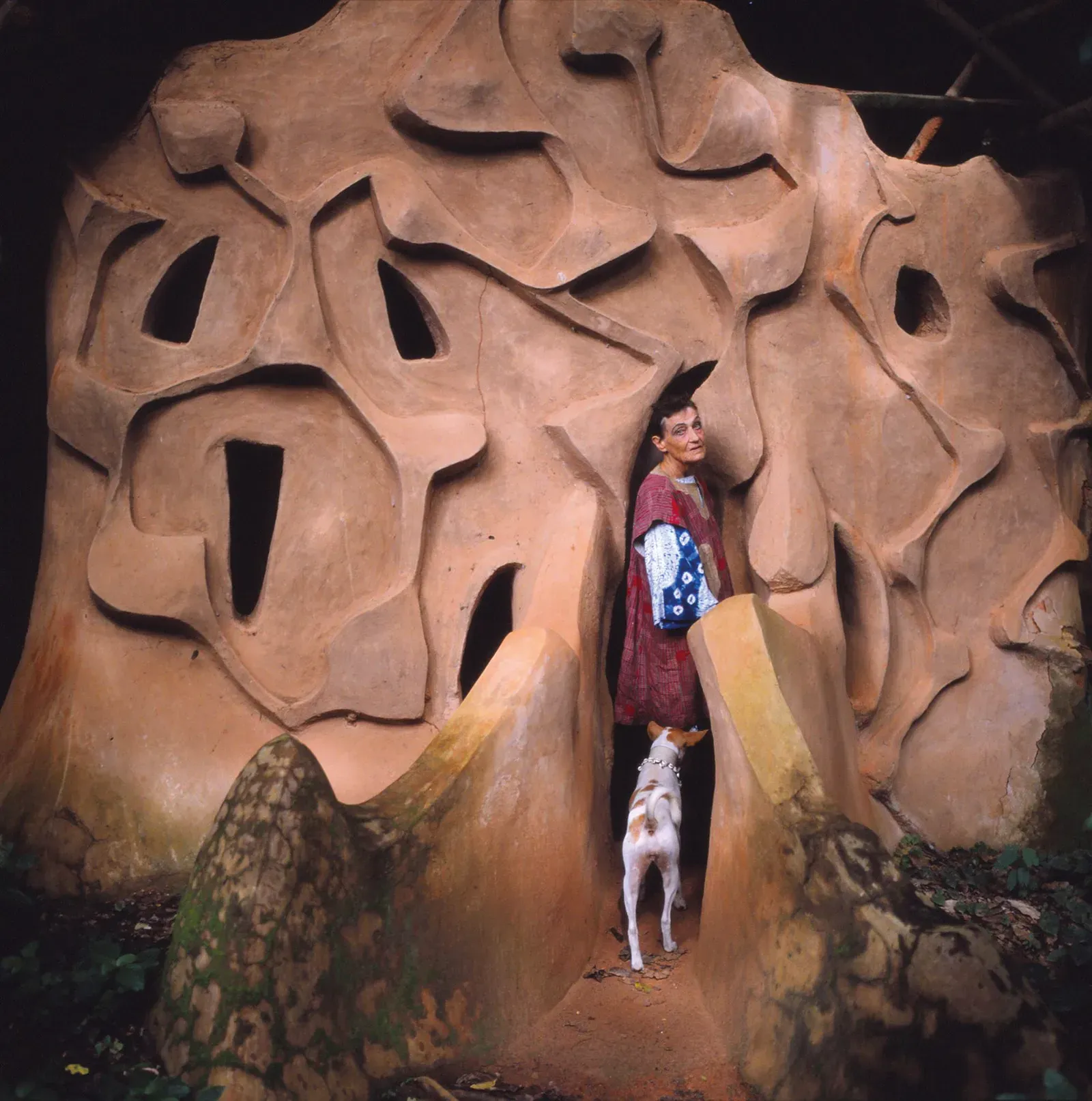
Susanne Wenger returns to Graz, and it feels overdue.
There is something quietly exciting about discovering an artist you should have known already. Someone from your own country, whose work somehow stayed at the edge of your field of vision. This exhibition is one of those moments for me.
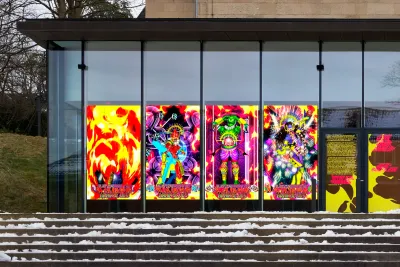
The Halle für Kunst Steiermark brings Susanne Wenger back to Graz with Àdùnní Olórìṣà, an exhibition that feels less like a rediscovery and more like a necessary correction.
Wenger left Europe in 1950 and spent nearly six decades in Nigeria, where she became a Yoruba priestess and created one of the most radical Gesamtkunstwerke of the 20th century. The Osun-Osogbo Sacred Grove, shaped over decades, is now a UNESCO World Heritage site.
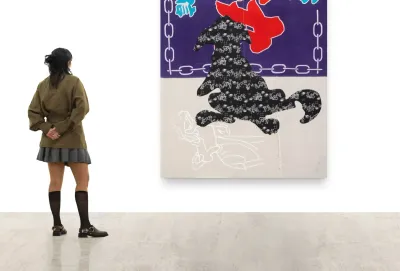
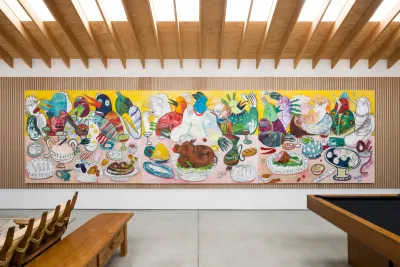
The exhibition is structured around large batik textiles as its central works, establishing a material and visual gravity. Indigo and earth tones recur throughout these compositions, intersected by flowing lines and mythological figures that resist illustration or narrative closure. Rather than offering explanations, the works suggest a slow unfolding, positioned somewhere between ritual, abstraction, and lived experience. They appear carefully composed, yet never rigid or didactic.
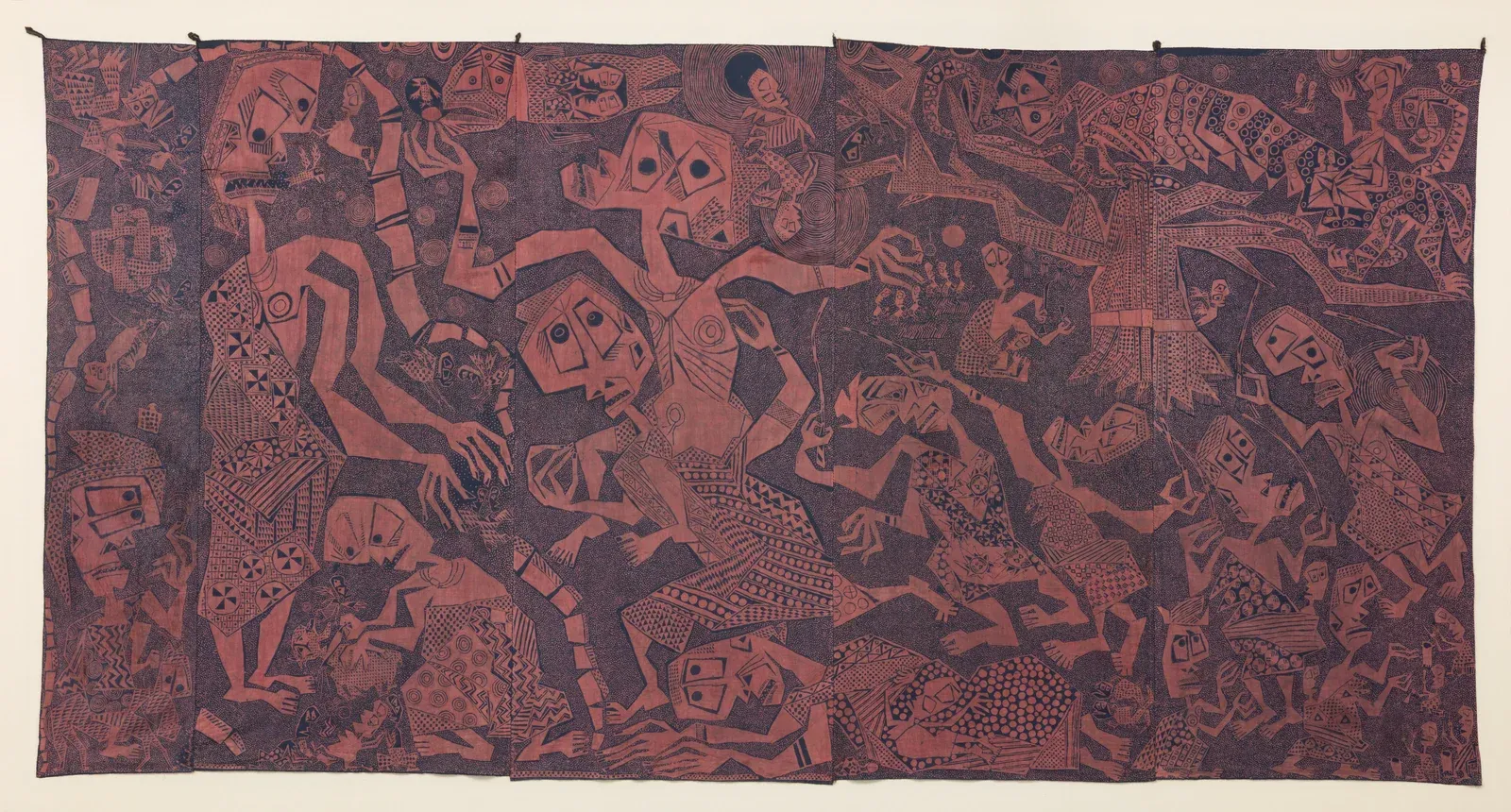
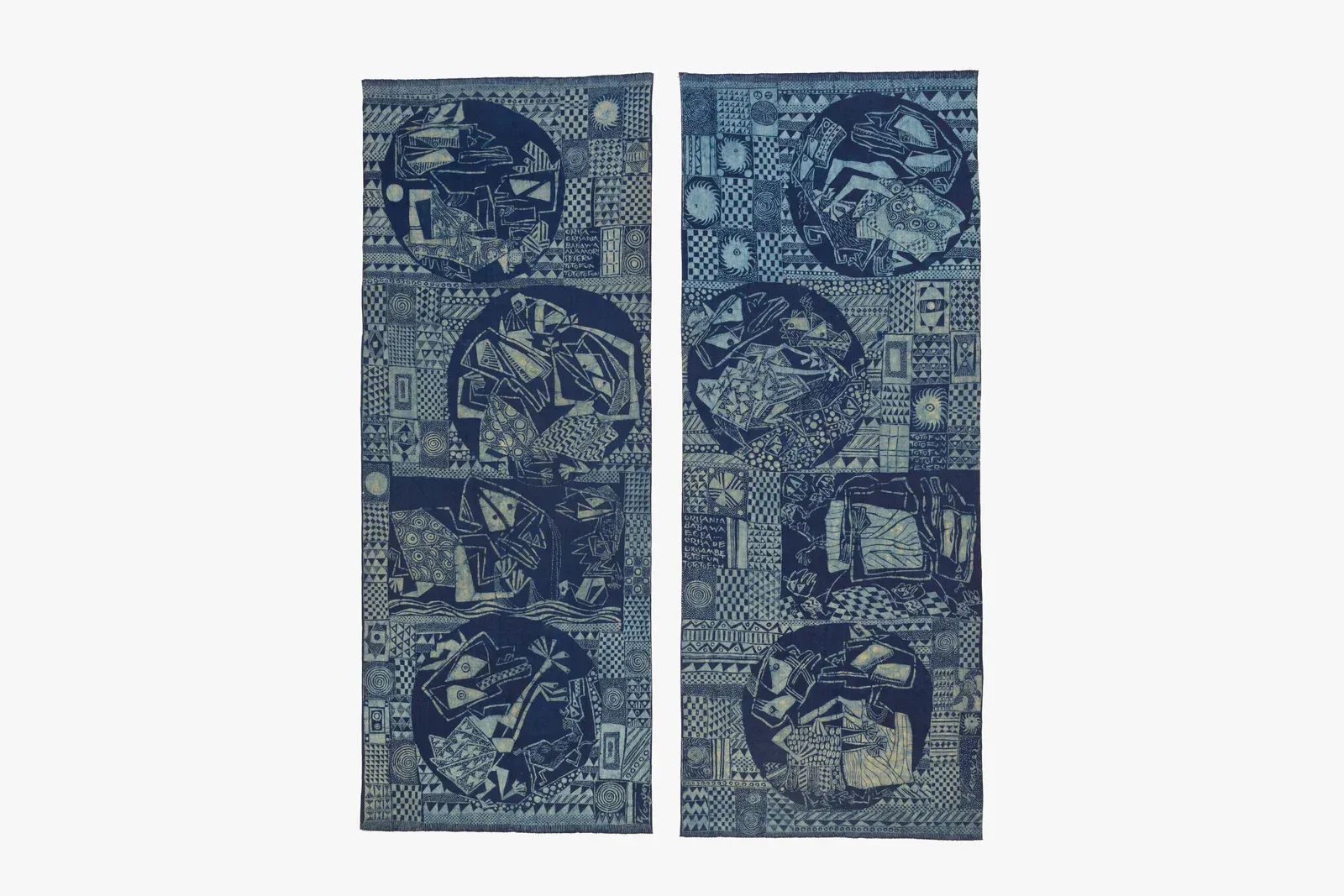
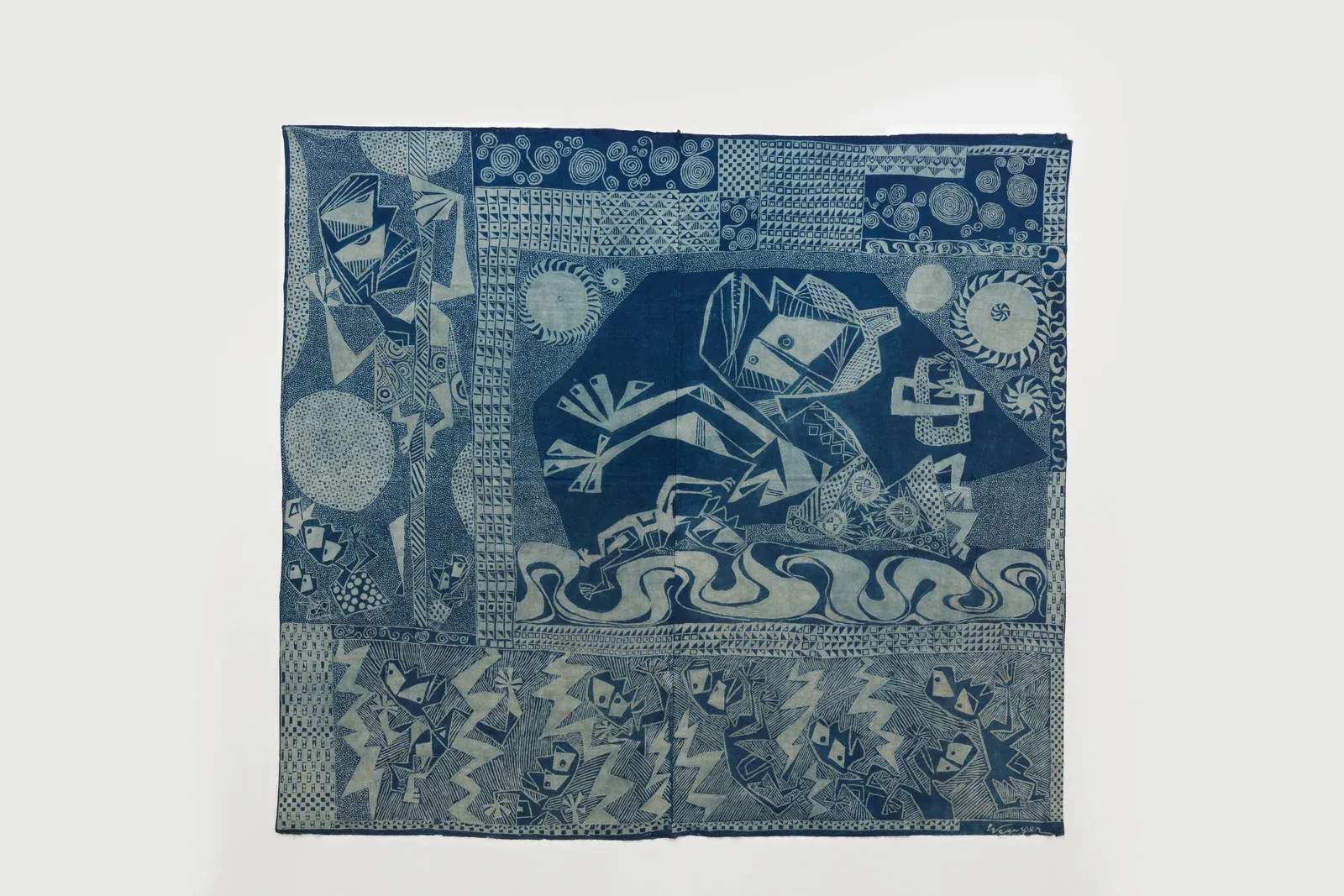
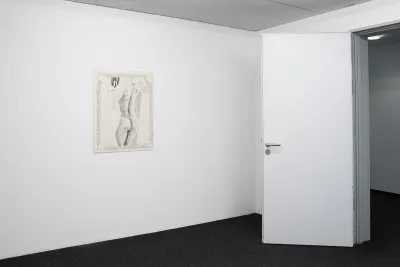
Alongside the textiles, early drawings from the 1940s and later paintings open another layer. You sense the weight of history, war, displacement, and an ongoing attempt to transform reality rather than describe it. Nothing here feels nostalgic. It feels present.
Wenger was known in Nigeria as Àdùnní Olórìṣà, a name that speaks of closeness, devotion, and responsibility. Seeing her work return to this building in Graz, where she was honored during her lifetime, carries a quiet gravity.
It also raises a question about how slowly some legacies are absorbed at home.
Susanne Wenger: Àdùnní Olórìṣà
📍 Where: Halle für Kunst Steiermark, Burgring 2, 8010 Graz
📅 When: 7.2.–19.4.2026
🔗 More: Halle für Kunst Steiermark
📱 Instagram: Halle für Kunst Steiermark
Curated by Sandro Droschl
 HALLE FÜR KUNST Steiermark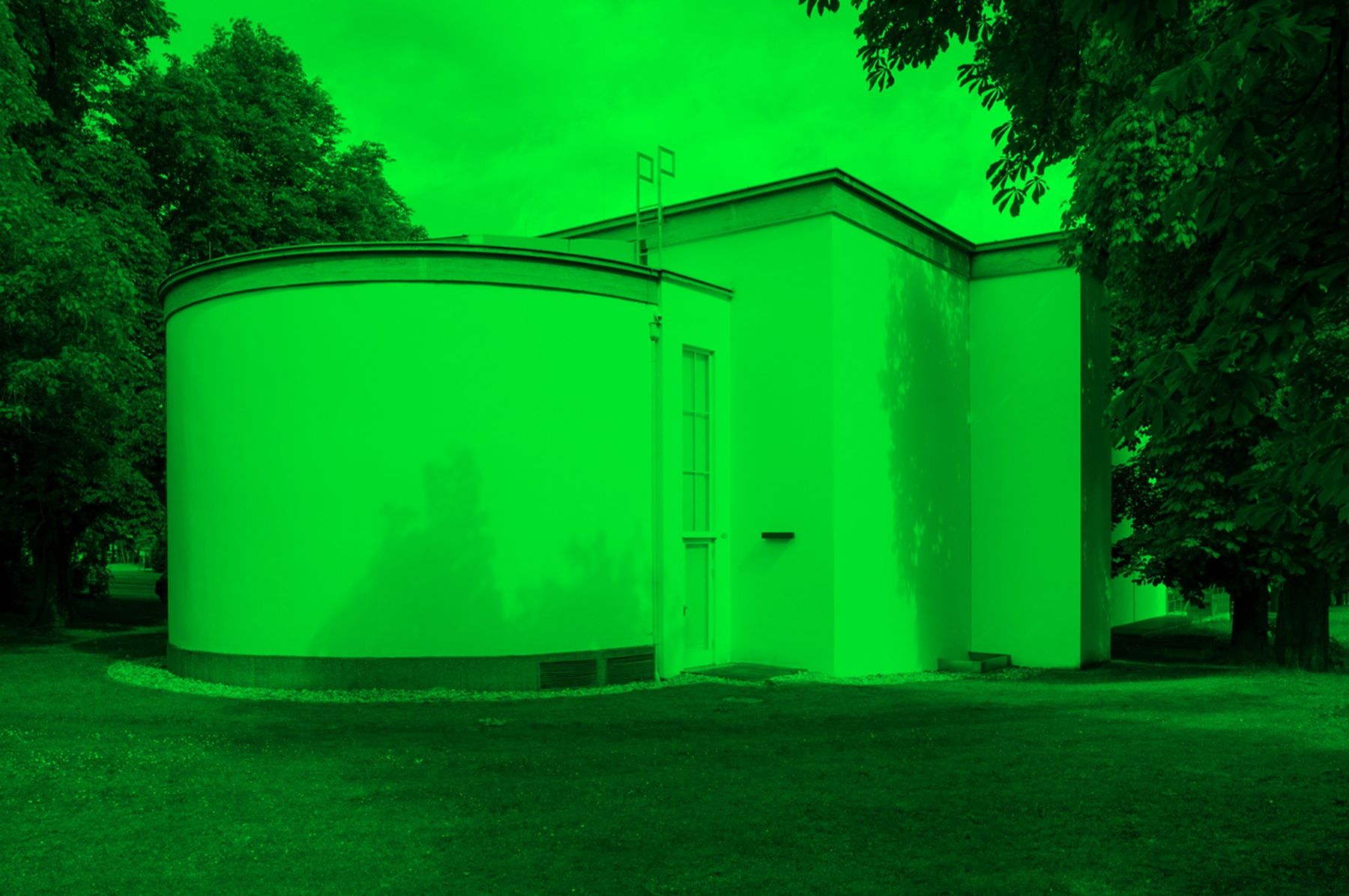
Halle für Kunst Steiermark
No spam, no sharing to third party. Only you and me.