Can Something Microscopic Outlast Our Dream of Immortality?

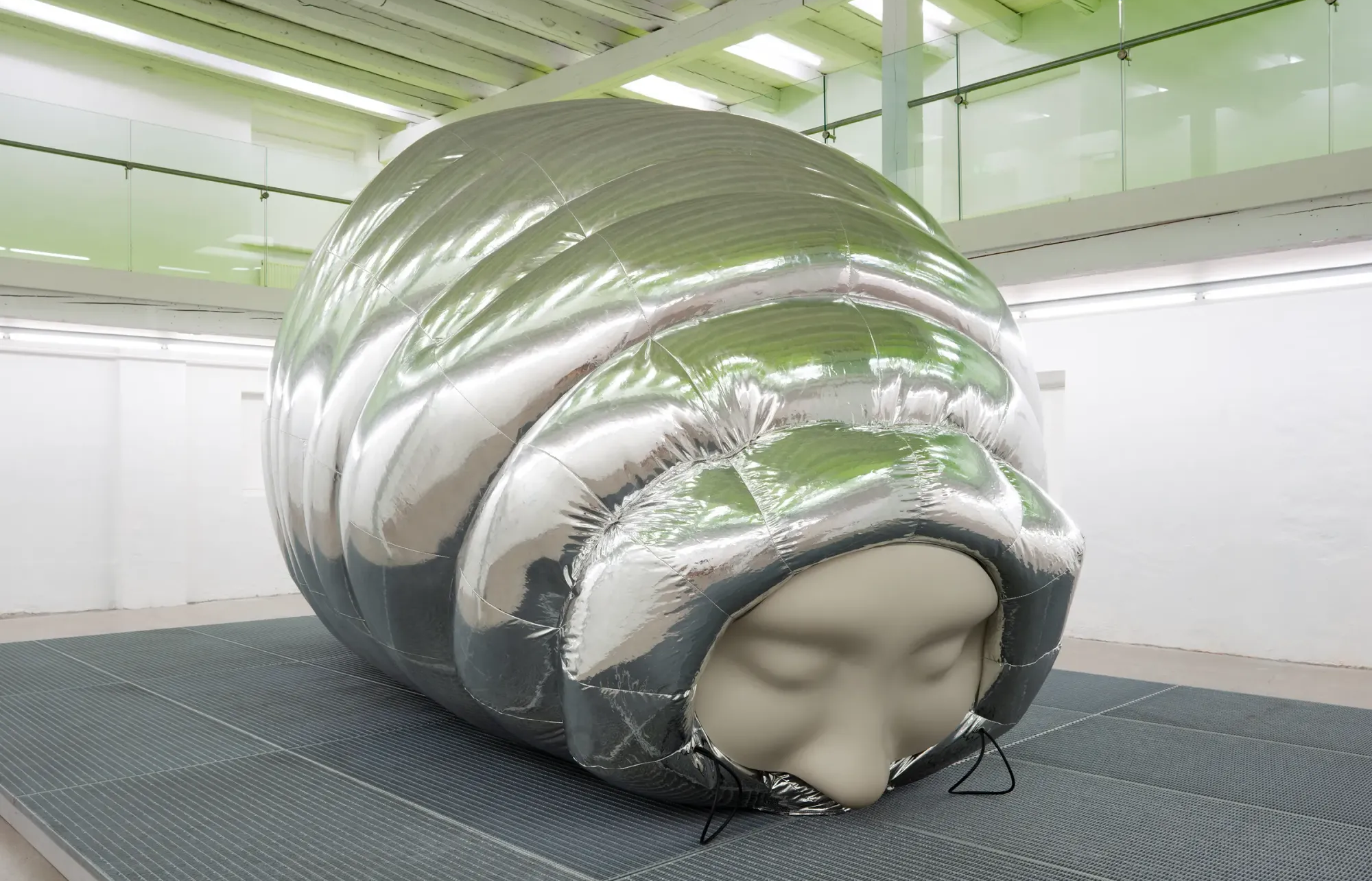
Viborg Kunsthal Presents Micro Management by Stine Deja, Viborg
Immortality has always been a project of scale, grand ambitions, monumental technologies, the civilizational will to persist beyond the biological.
But survival, it turns out, does not necessarily operate at that register.
Stine Deja
Micro Management
Viborg Kunsthal
Viborg, Denmark
-
Riddergade 8, 8800 Viborg, Denmark
Jacob Friis-Holm Nielsen
Courtesy Viborg Kunsthal
Something smaller than a grain of sand has been outlasting mass extinctions, deep-space conditions, and the void itself, without desire, without technology, without any of the infrastructure humanity is now constructing in its name.
The world's most resilient creature holds no investment in its own continuity, it simply persists. That indifference, placed against the full weight of human biotechnology, seems to make the obsession with immortality look like a category error.
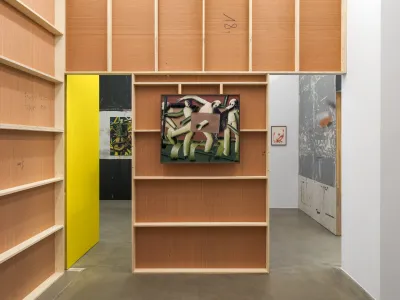
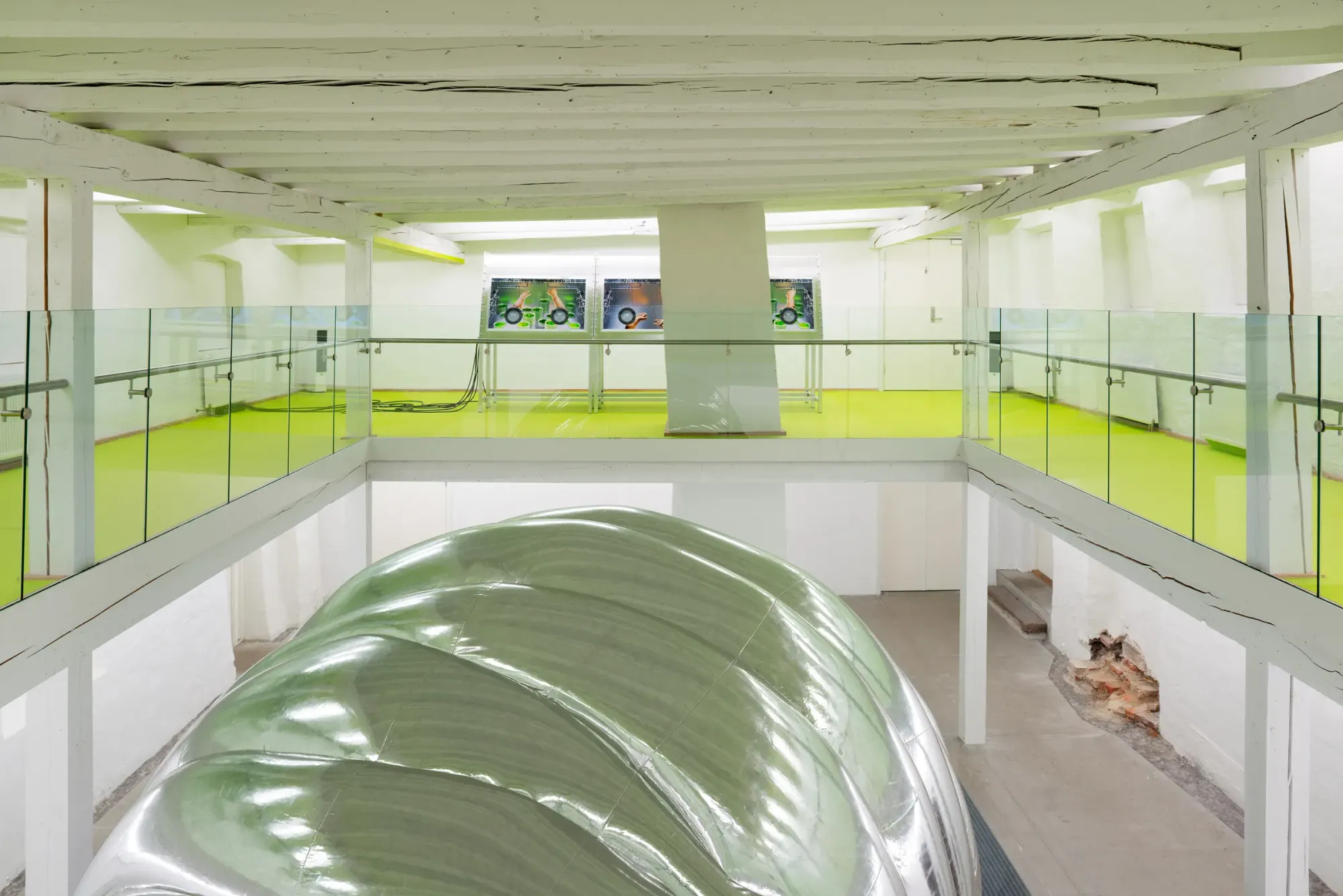
The east wing of Viborg Kunsthal places Stine Deja's Micro Management inside a space with some institutional authority, white walls, controlled light, a vertical openness that spans two floors.
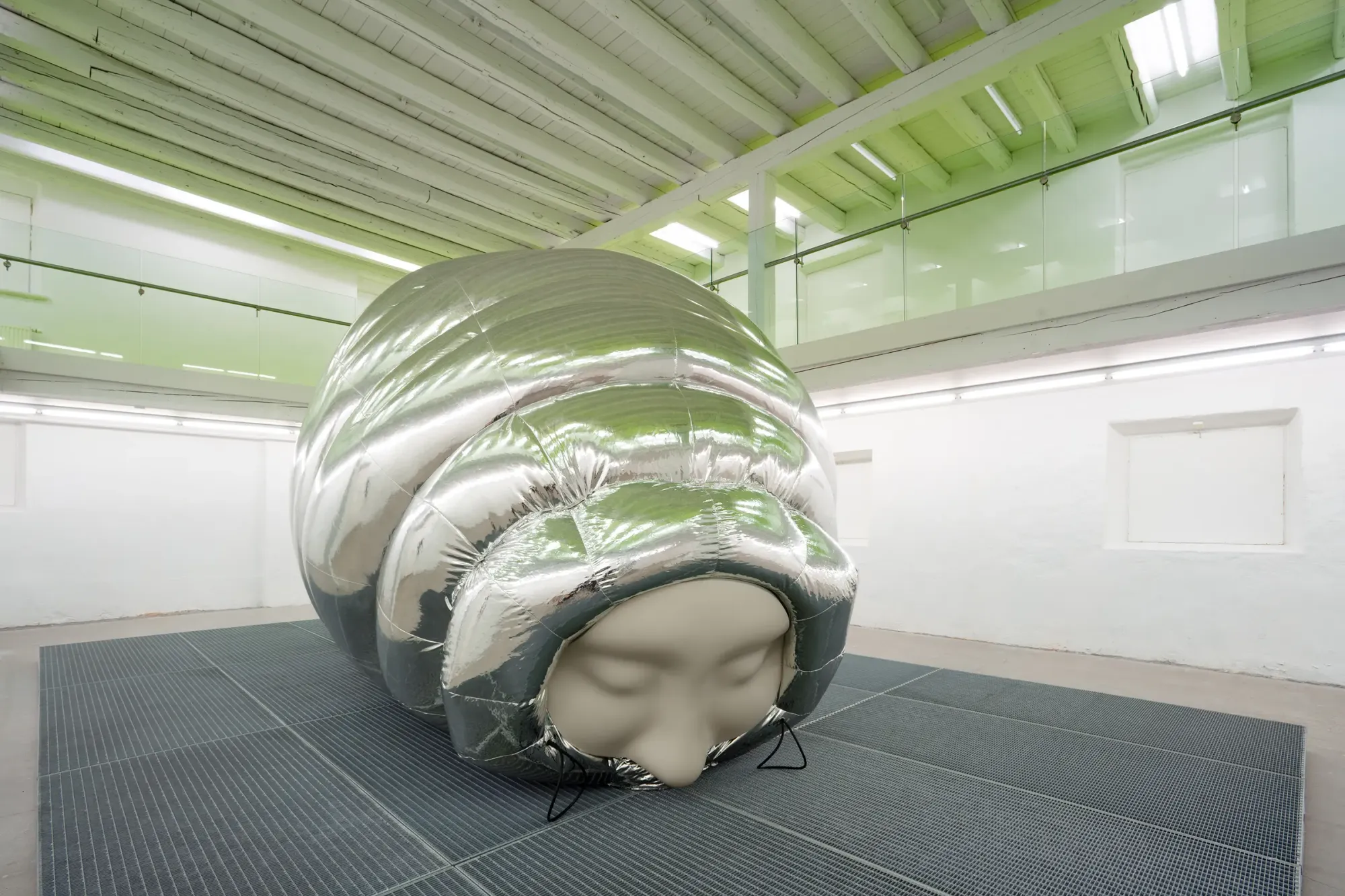
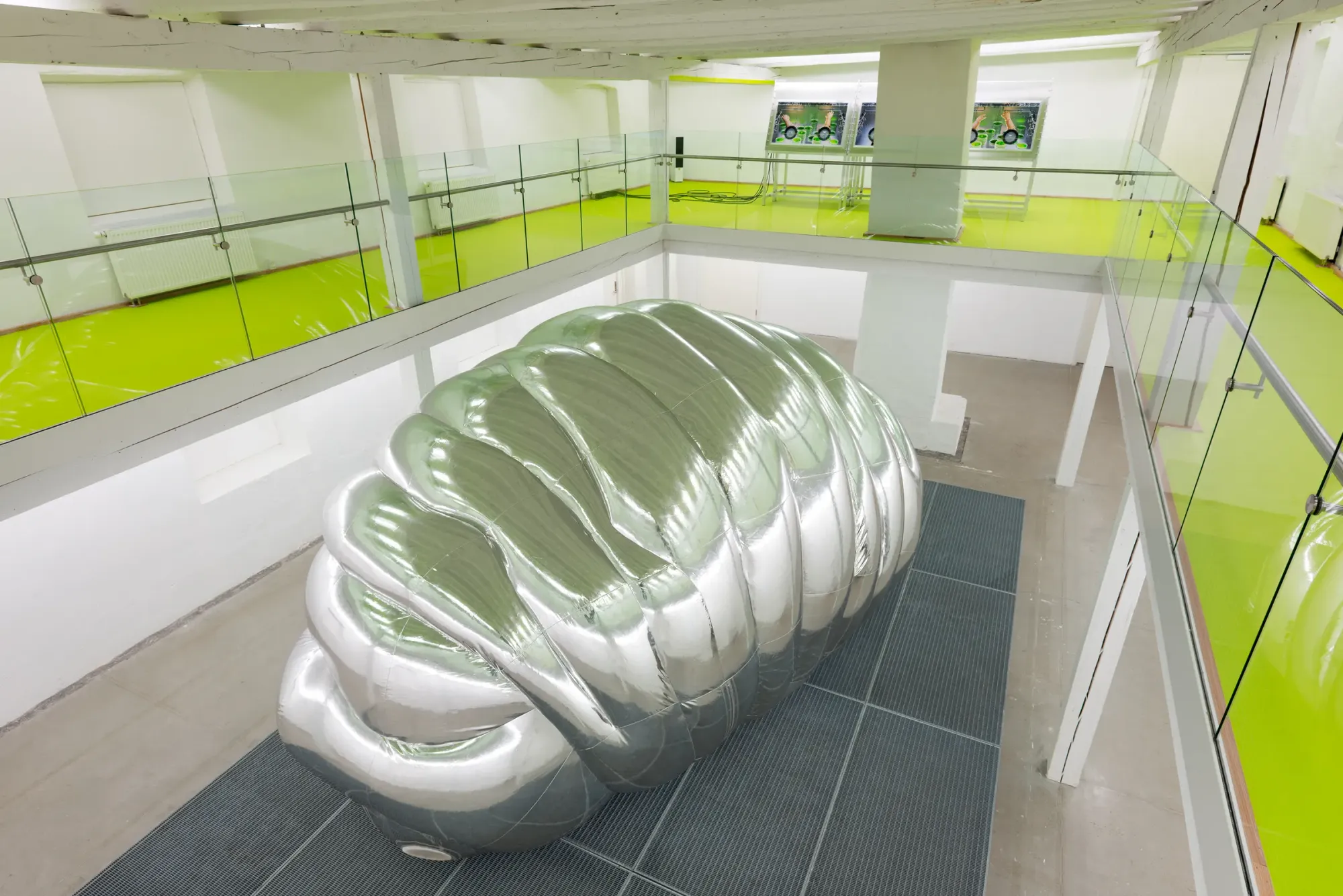
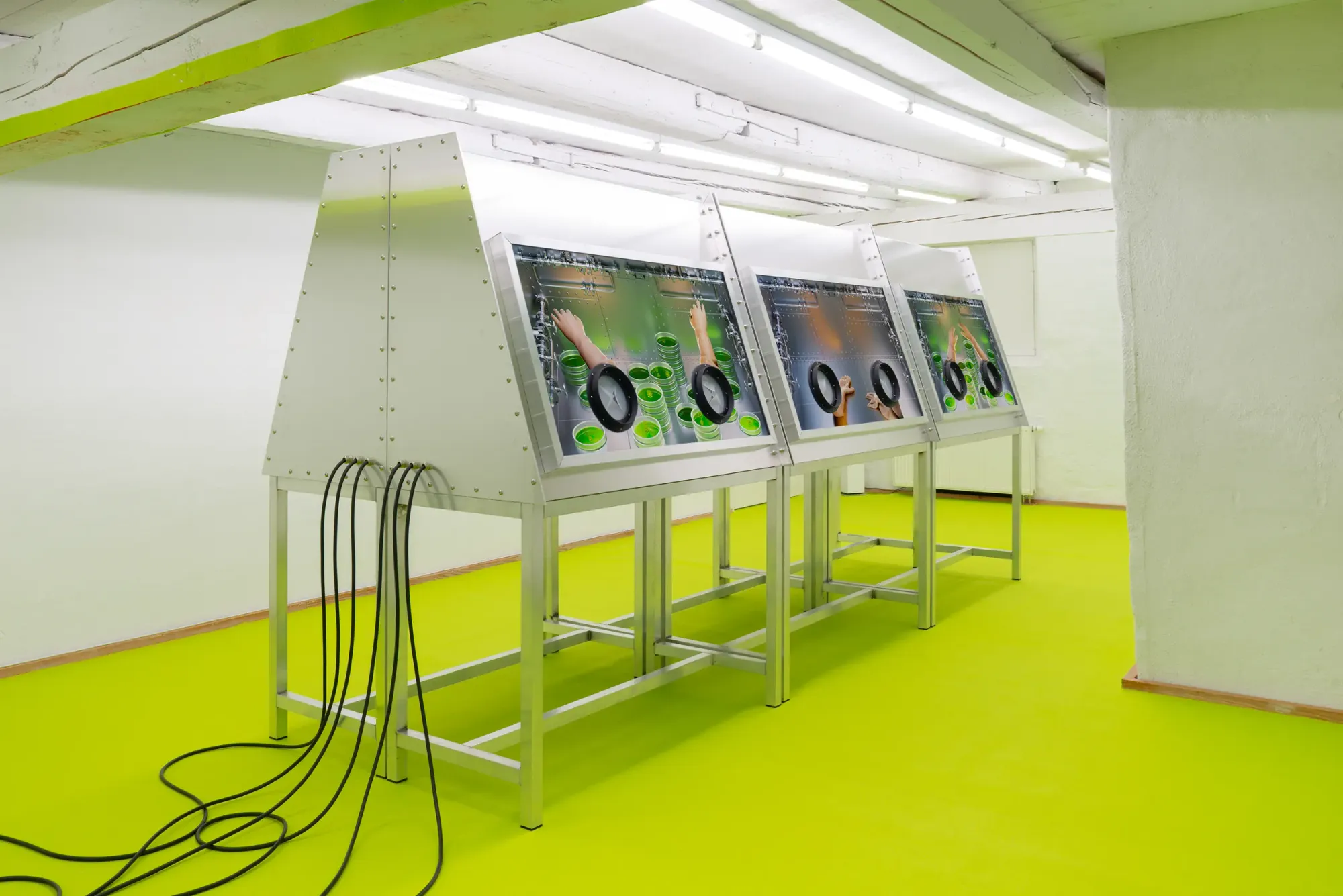
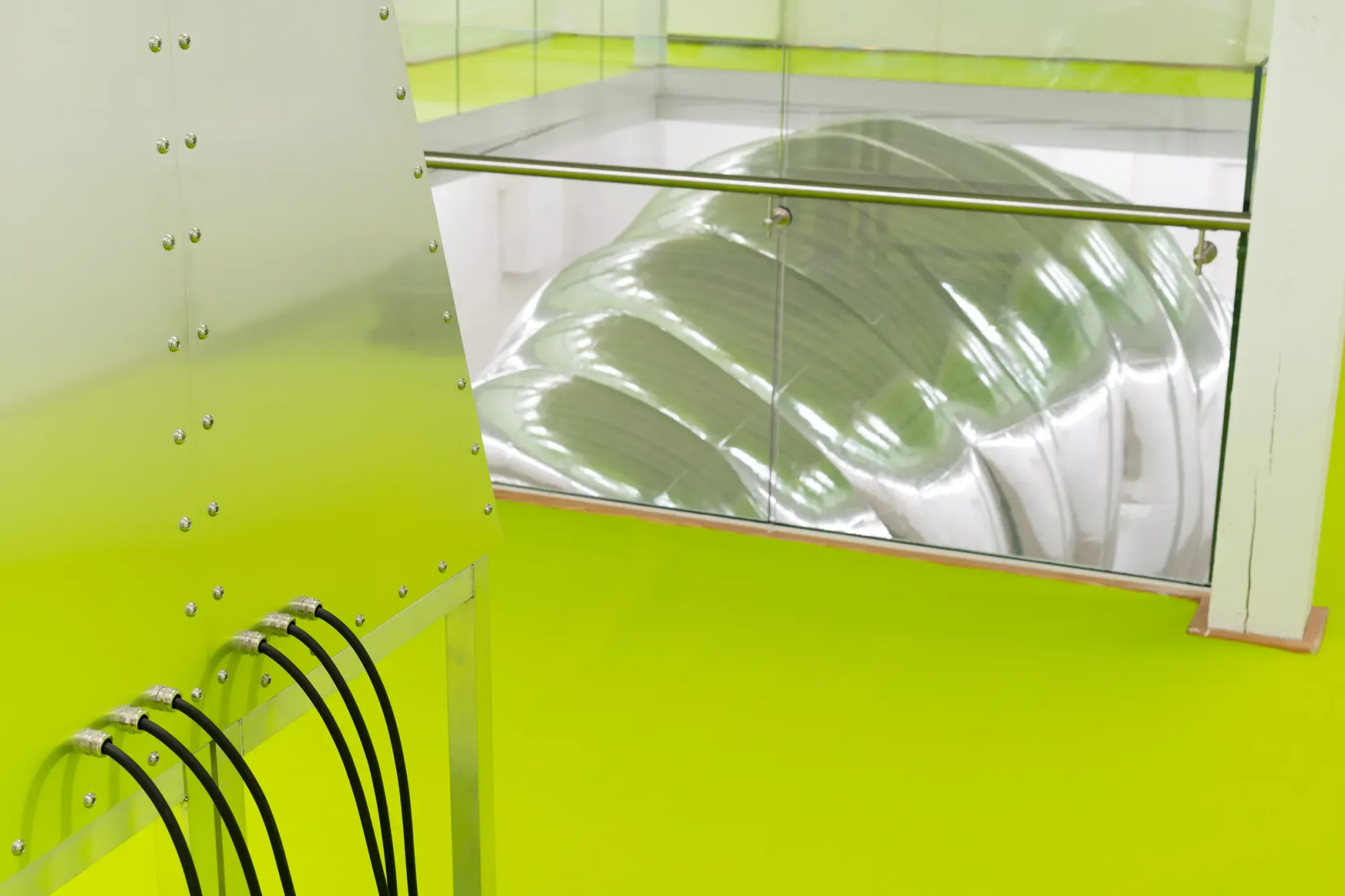
The setting does not resist transformation. Deja draws on that verticality directly: the exhibition's central structure rises through the full height of the east wing, demanding a reading from both below and above. The space carries the logic of a laboratory, not through explicit set dressing but through how the works are positioned, as stations in a process that appears ongoing.
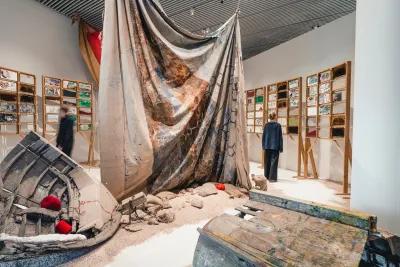
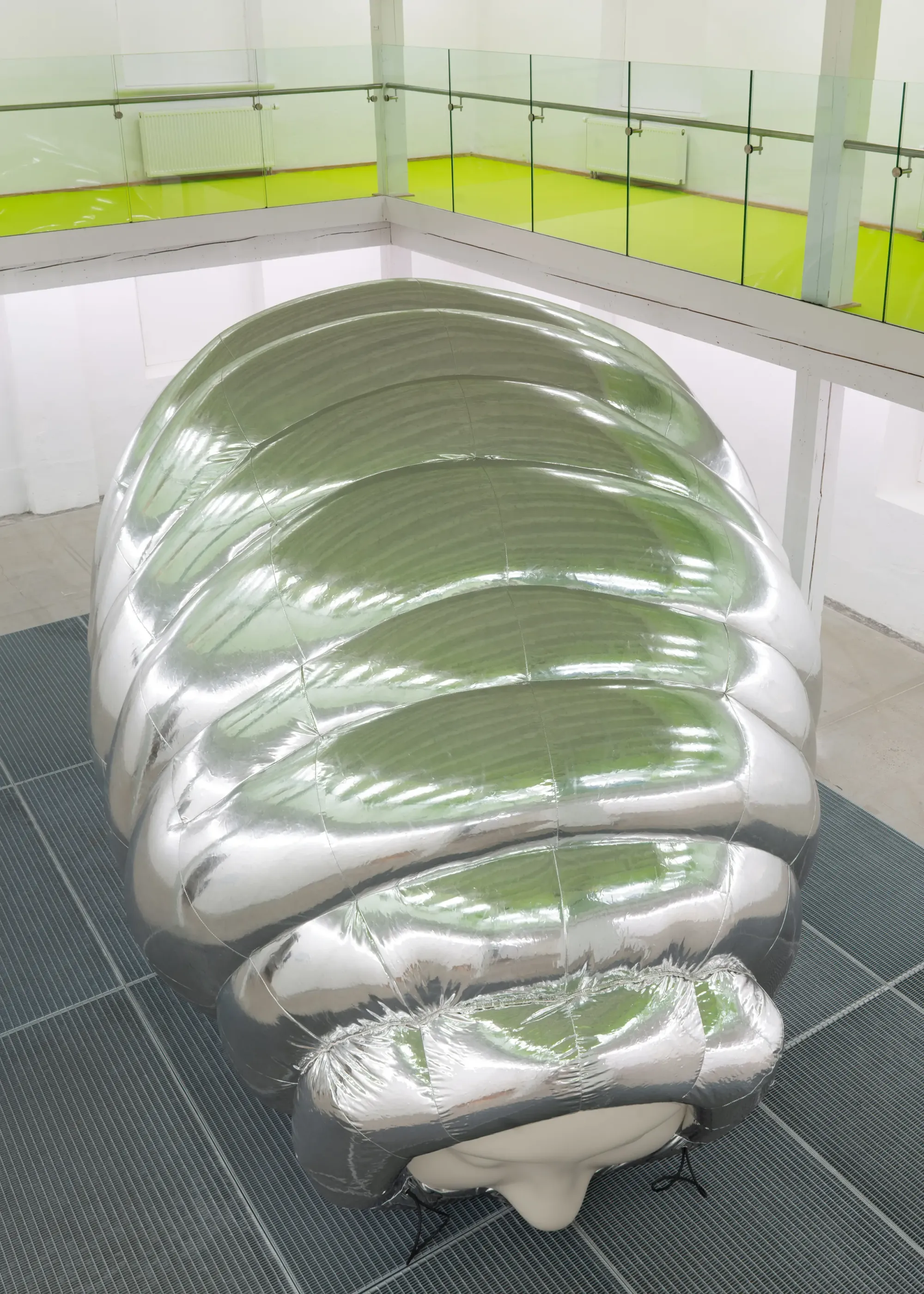
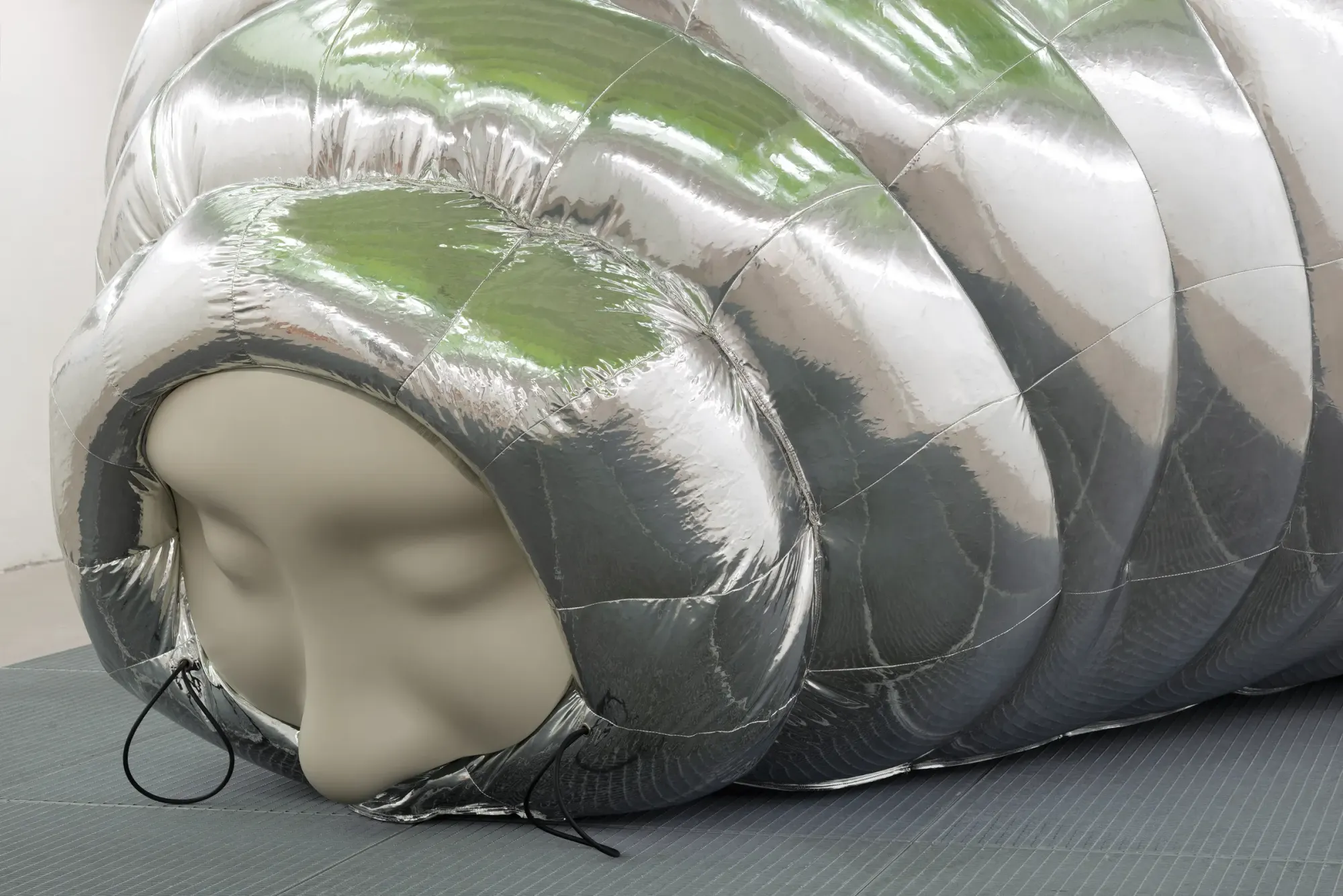
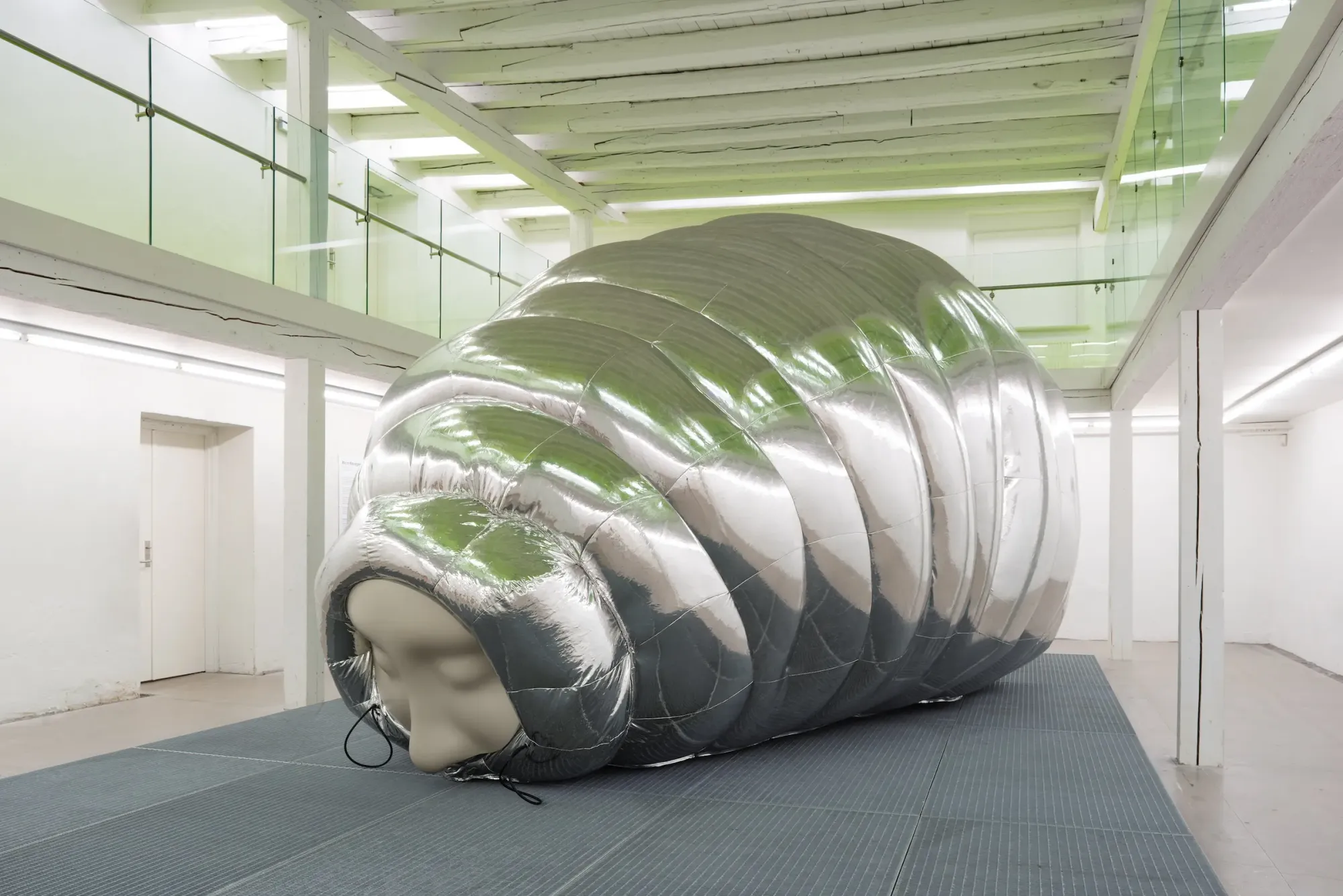
The exhibition's dominant presence is a monumental sculpture of a human-tardigrade hybrid. At a scale that inverts the creature's actual dimensions, the tardigrade is normally invisible without magnification, the figure seems to propose something about proportion. From the ground floor it reads as an overwhelming volume; from the level above, something stranger: a topography rather than a body. The inversion carries more weight than the imagery of hybridity alone.
 Dominique Catherina Foertig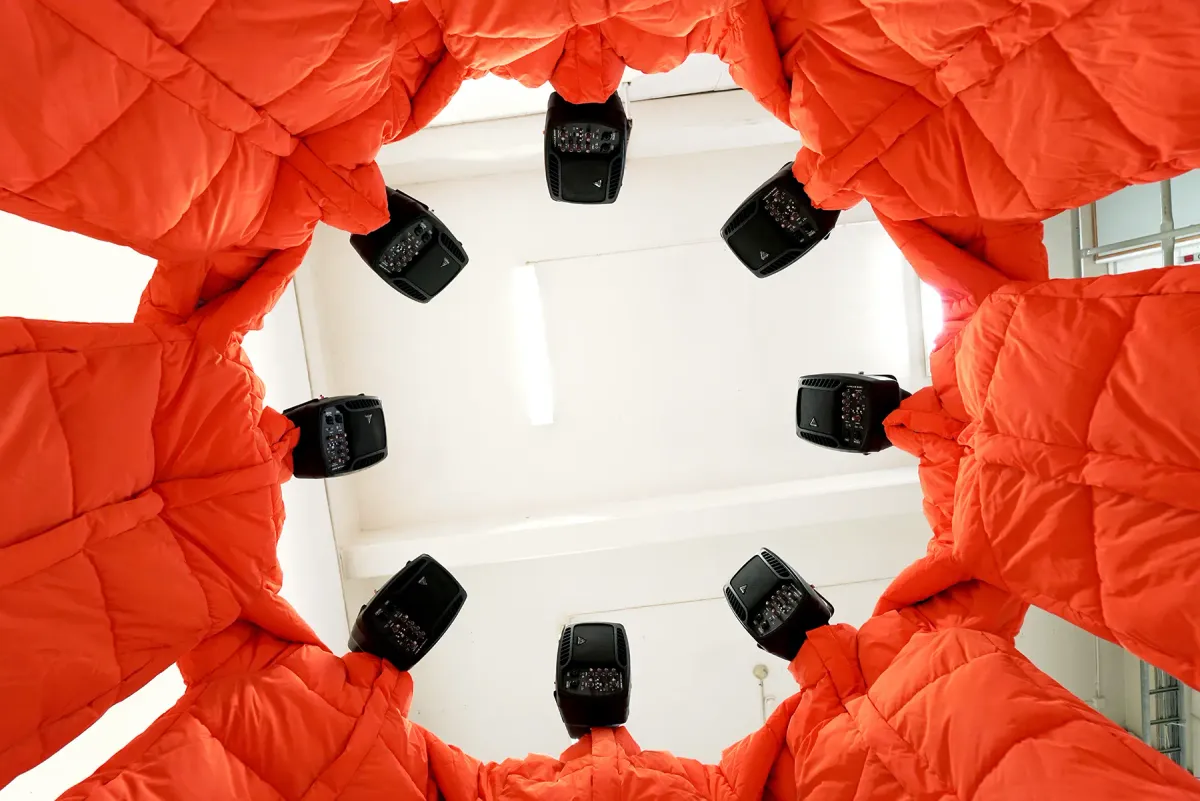
Artist in Focus - Stine Deja
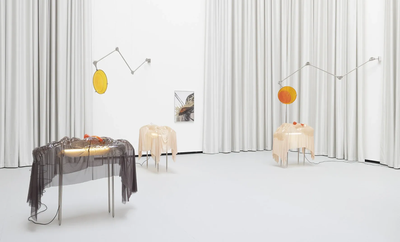
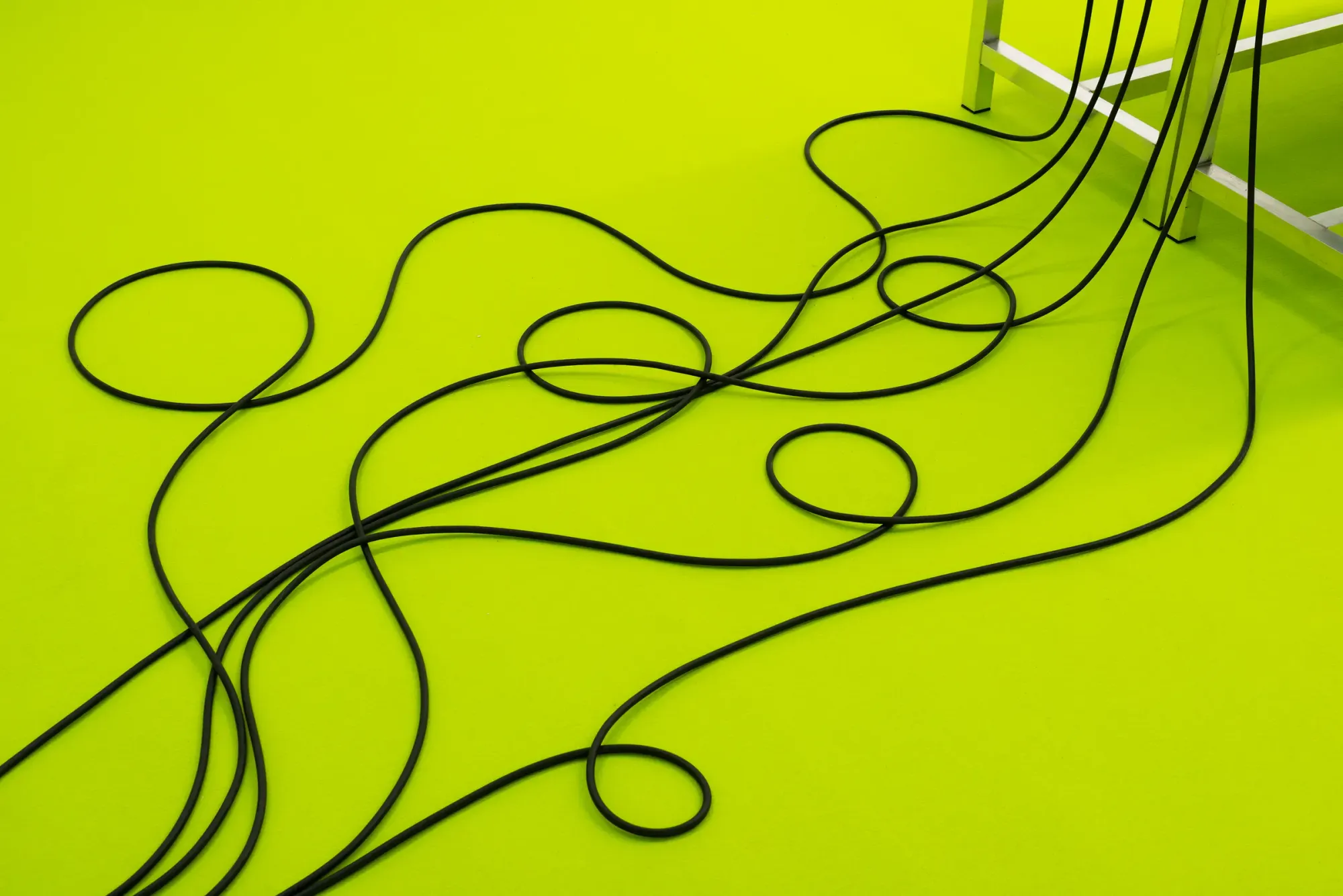
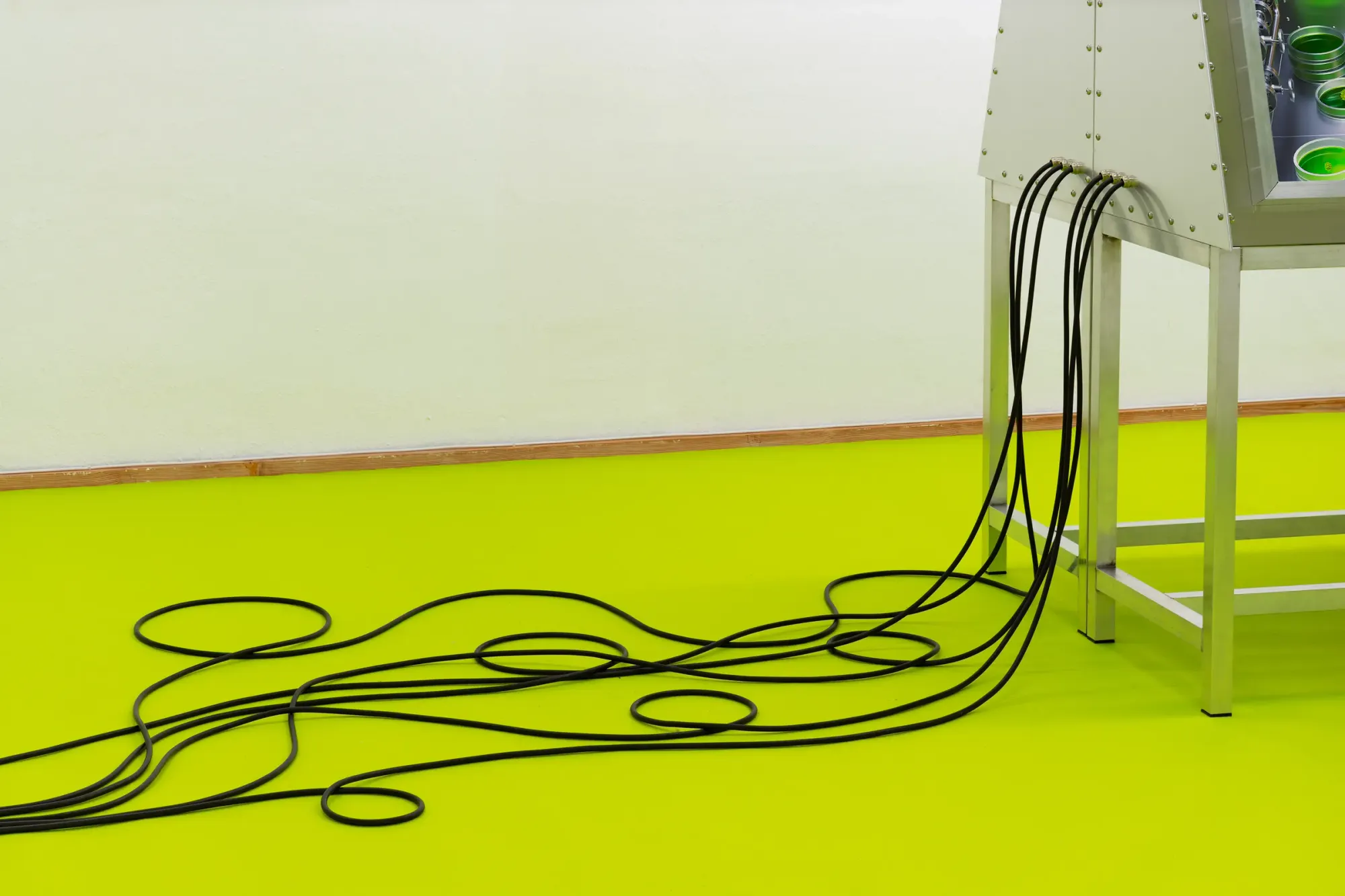
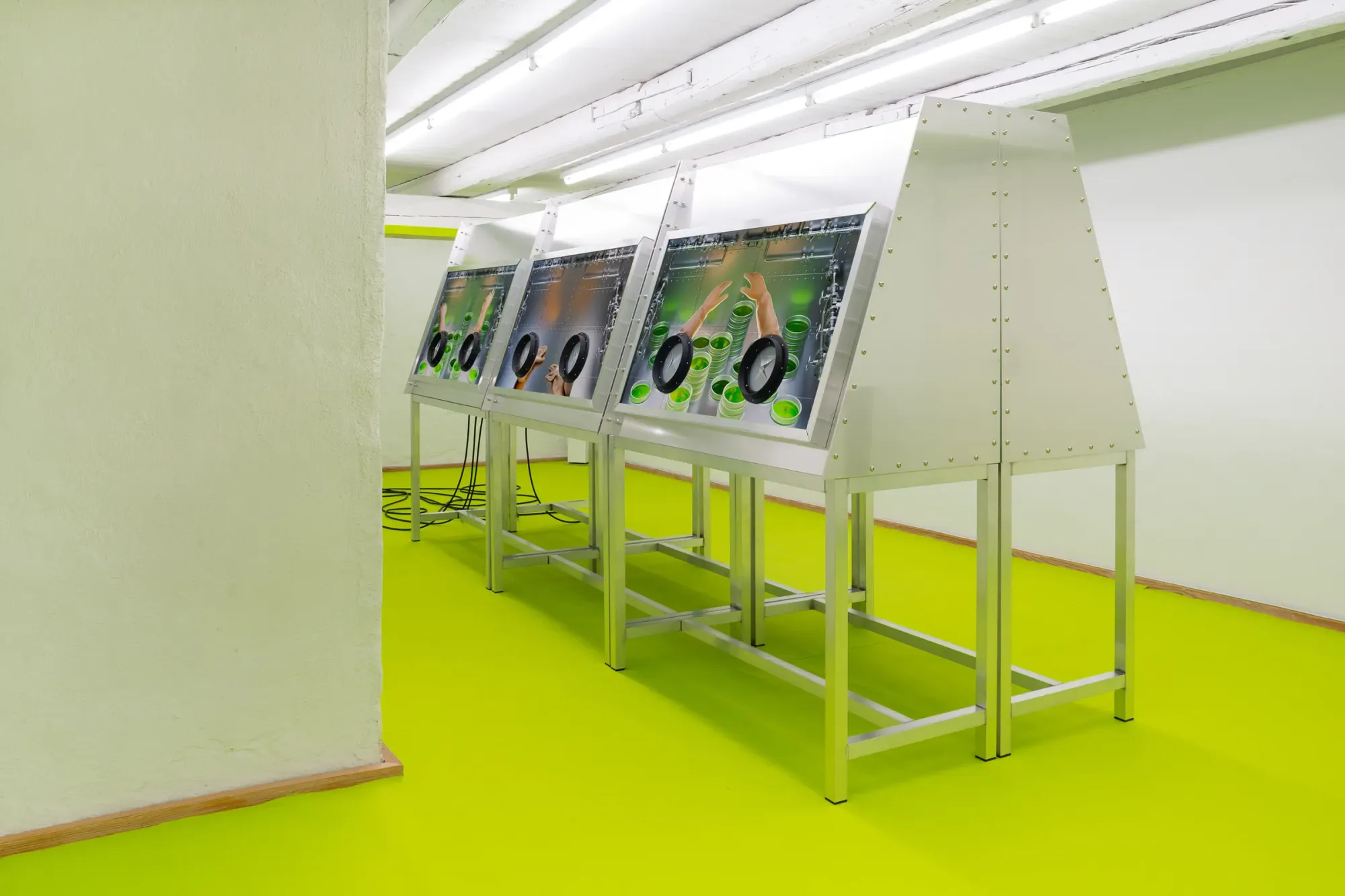
Incubators distributed across the space hold tardigrade eggs. The objects operate on a dual register: clinical equipment and, in this context, something closer to reliquaries.
The tardigrade does not require an incubator to survive, the creature can enter a state of suspended animation that halts all metabolic function for decades, but the presence of the machines seems to hold up humanity's own need to manage, to contain, to optimise life rather than simply allow it. The incubators seem less concerned with the tardigrade than with whoever built them.
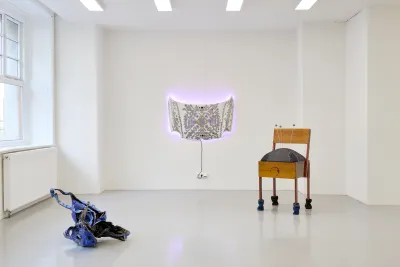
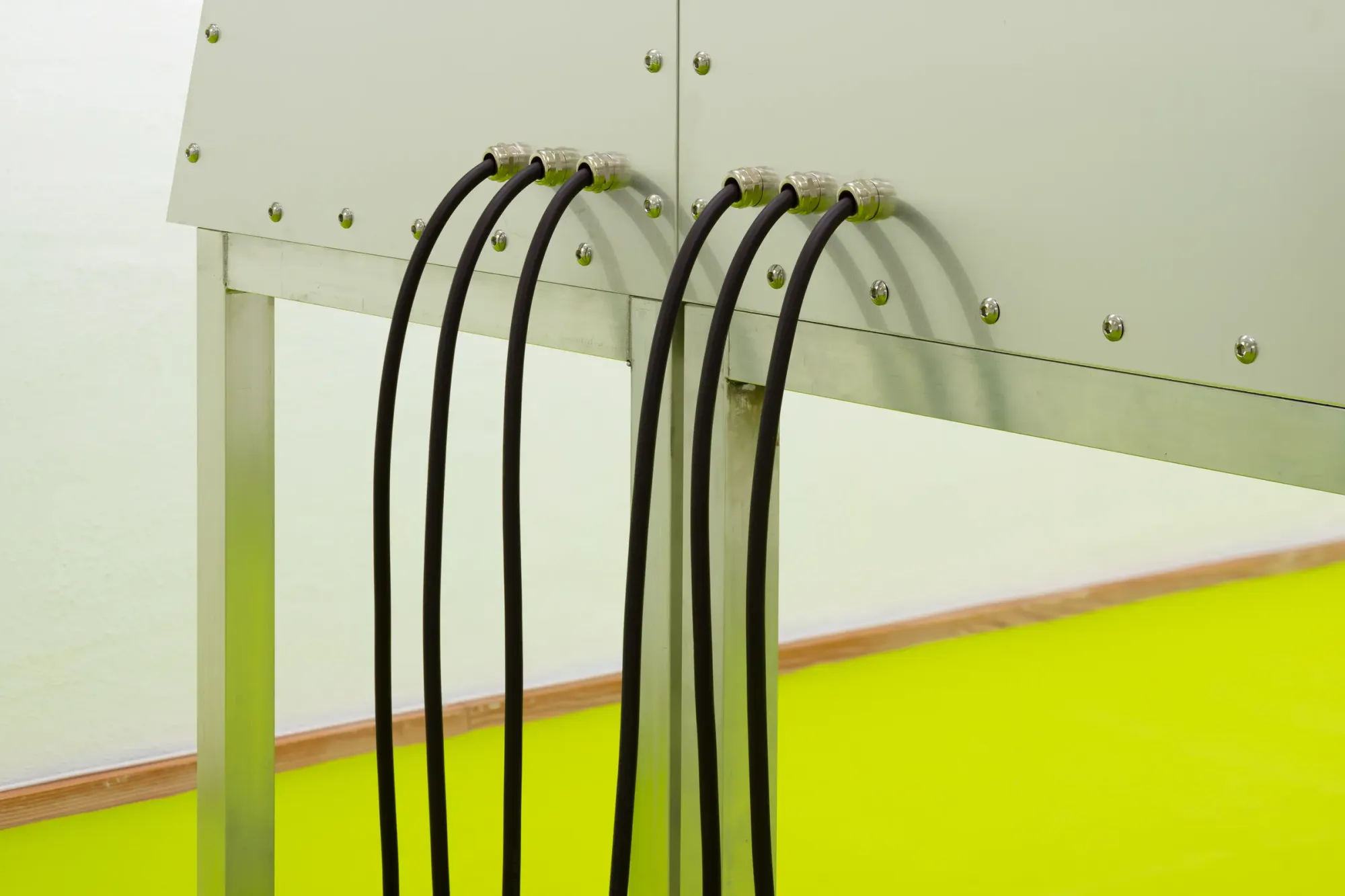
Sound and video move through the installation without localising into a single statement. They maintain an ambient quality of experiment-in-progress, as though the visitor has arrived mid-study at a stage of research whose stakes have not been fully disclosed. The result carries a specific kind of unease, not dread, but the discomfort of proximity to a process already underway.
What the installation holds is a relation rather than an argument. The works move between ancient myth, eternal life as the oldest human wish, and current laboratory practice: cryonics, genetic modification, stem cell research, the insertion of tardigrade-derived protein sequences into human cell lines. The gap between these registers is not closed. It is held open as a formal decision, and the smallest viable organism on Earth sits at its centre.
Scientists have already introduced tardigrade proteins into human cells to test their protective properties. Cryonics facilities hold thousands of bodies in legal suspension. Gene-editing tools now operate at resolutions unthinkable a decade ago.
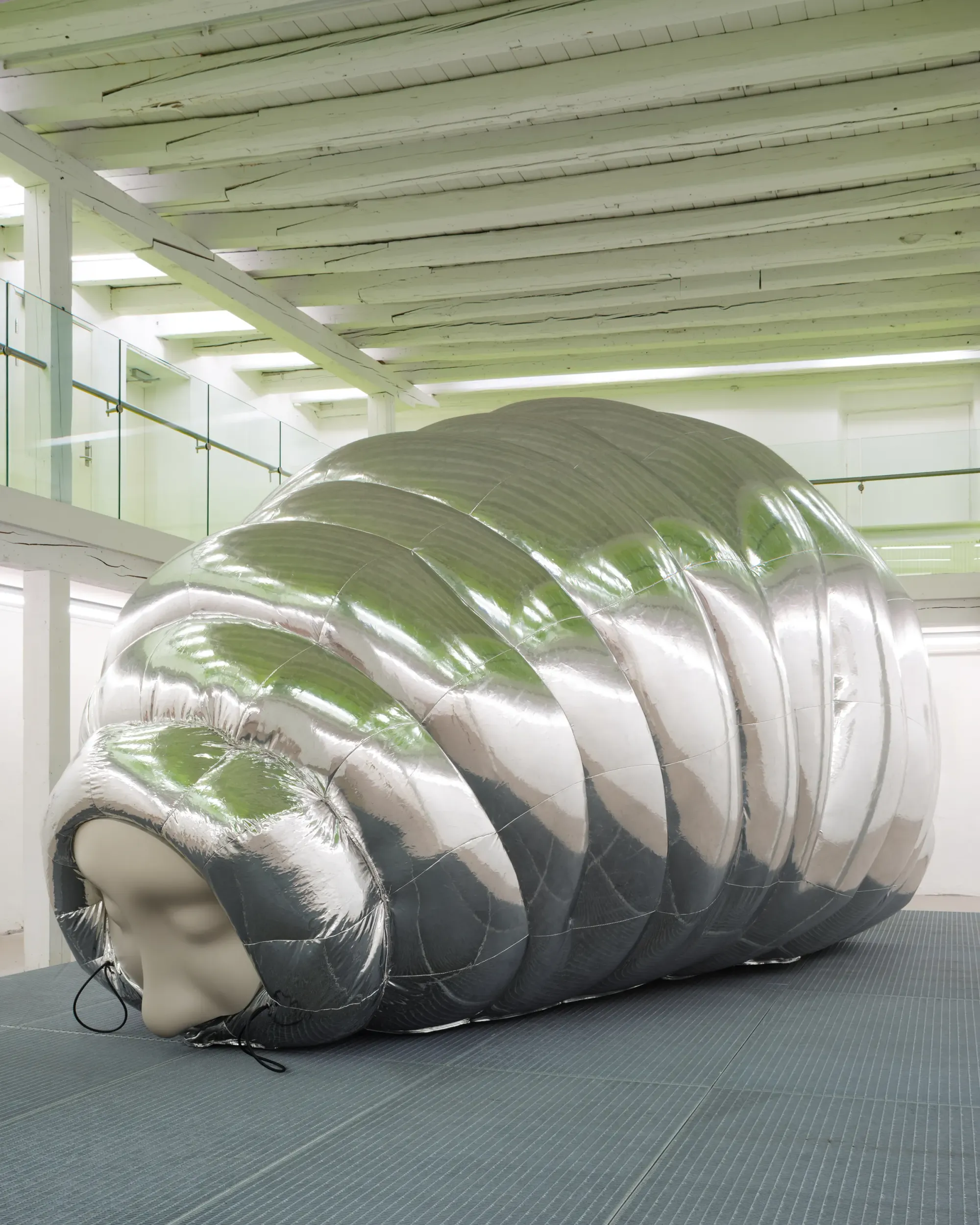
Micro Management does not take a position on any of this, it places the oldest human fantasy alongside the newest biological instruments and lets the proximity do its work. The dream of overcoming death has become a design brief, and the tardigrade, which never had the dream, has been doing it longer than any of us.
The tardigrade eggs continue, indifferent to the story being told around them.
Follow on Instagram:
Follow Stine Deja on Instagram
Follow Viborg Kunsthal on Instagram
Exhibition Views - Notable Works - Viborg Kunsthal:
About Catapult
This is an artist interview published by Catapult — an independent editorial platform for contemporary art, based in Vienna. We publish exhibition reviews, artist features, interviews, and critical context, with a focus on emerging and mid-career practices from Europe and beyond.
catapult.art
Want to be featured? Submit your work →
Related Readings
No spam, no sharing to third party. Only you and me.