What Does It Mean to Stay With a Material Until It Speaks?
Brussels, Belgium
Trieste, Italy
Installation, Sculpture, Photography, Natural Elements, Technology
Slade school of Fine art, Universitat der kunste Berlin
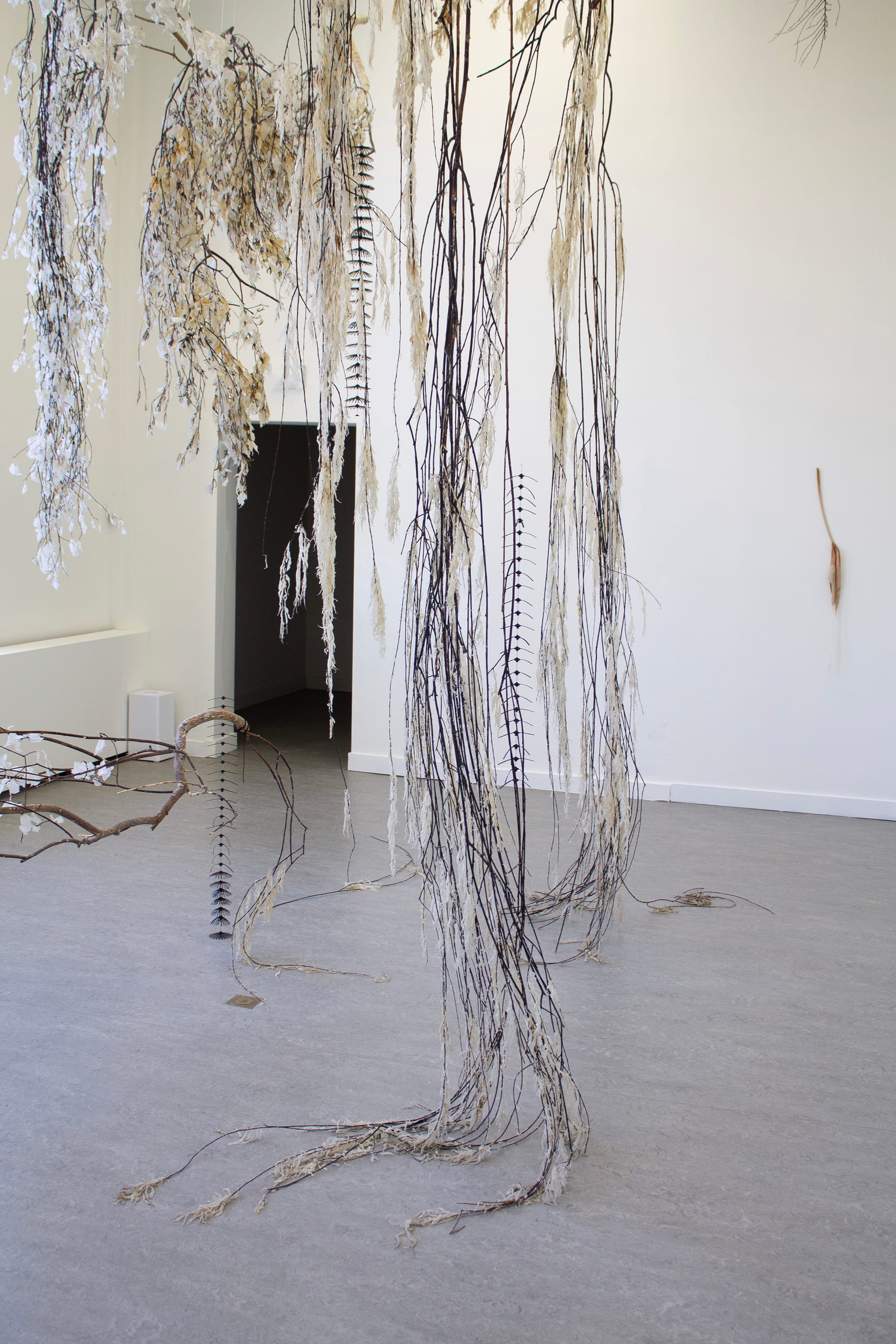
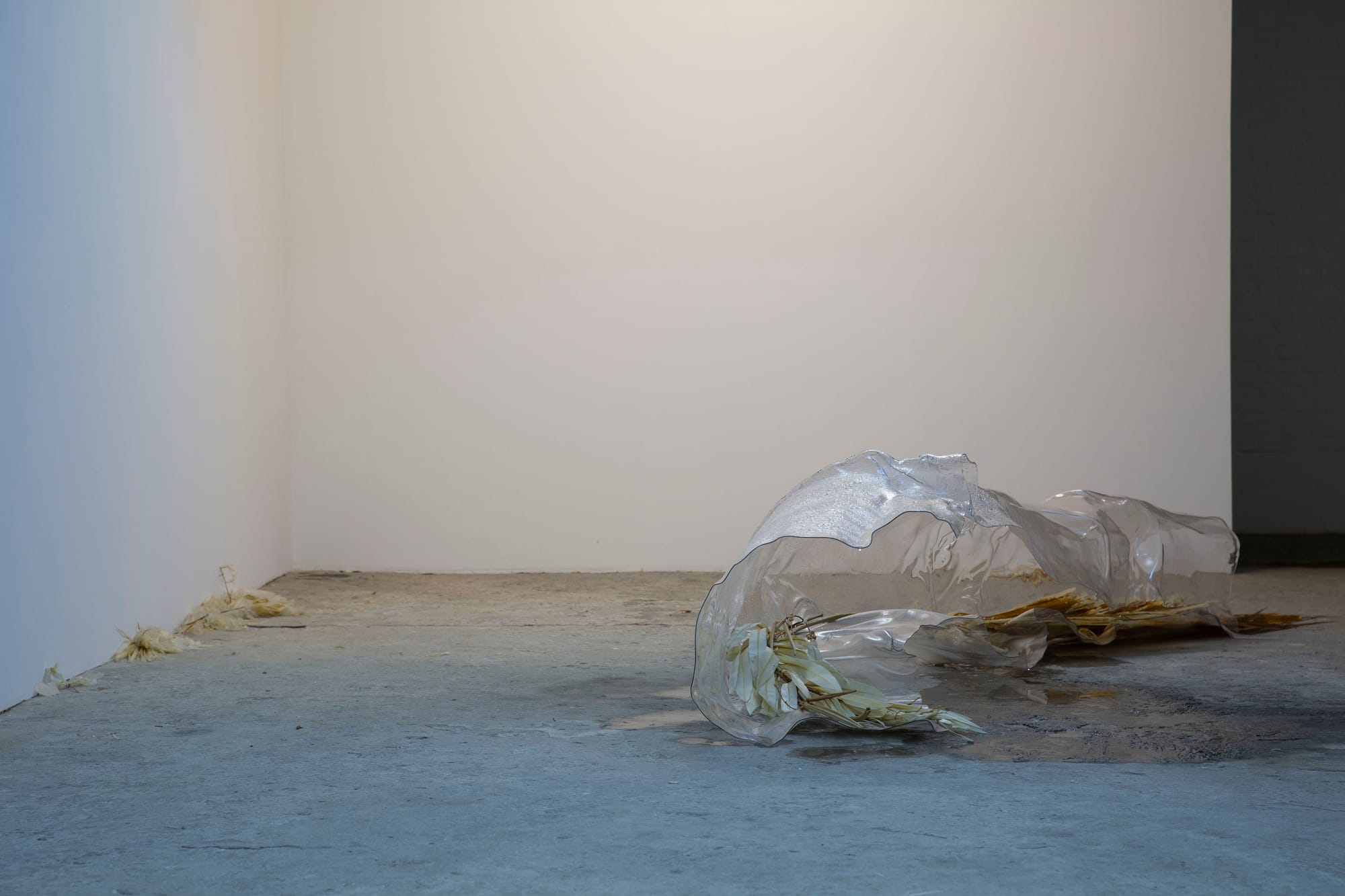
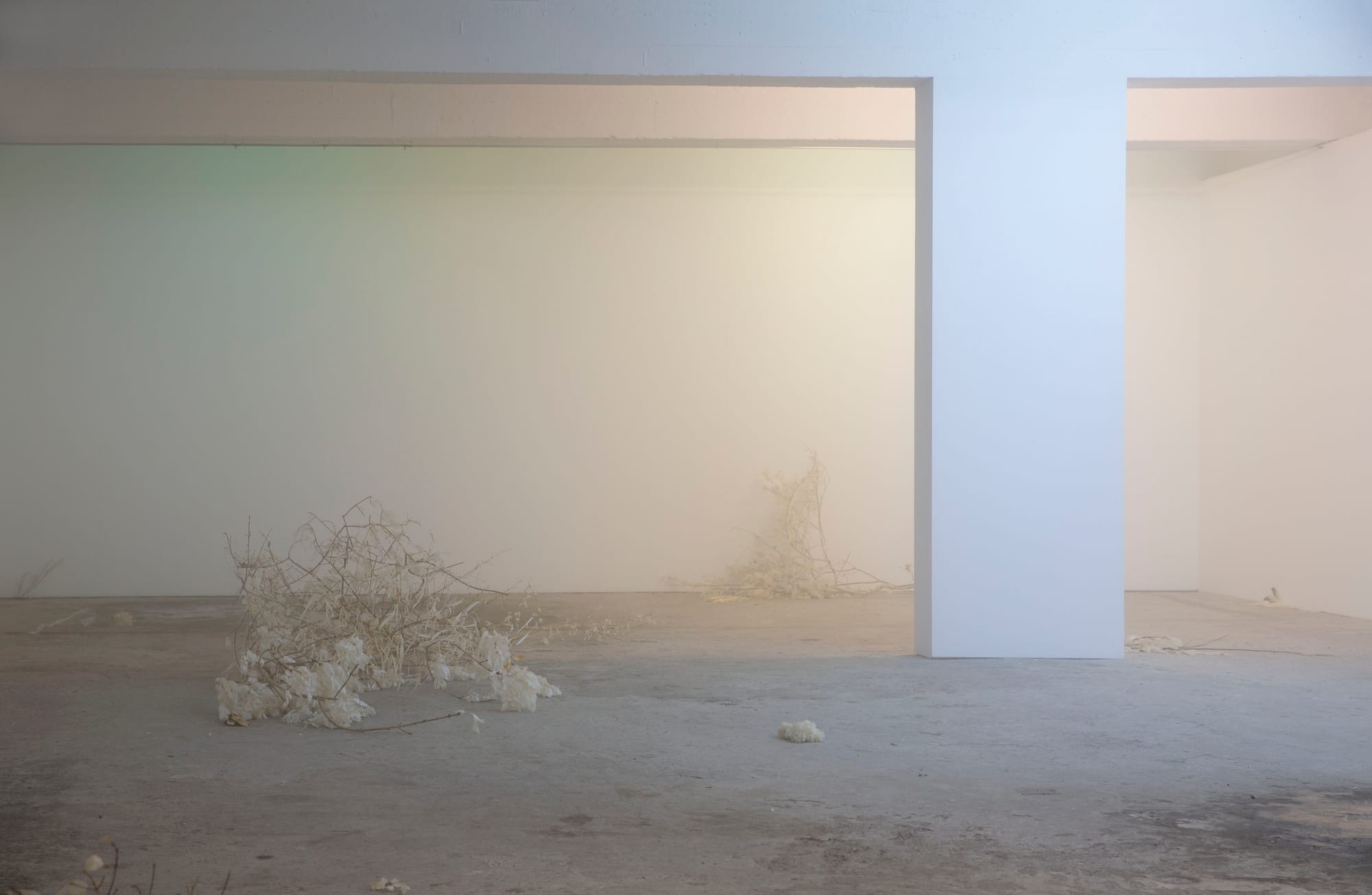
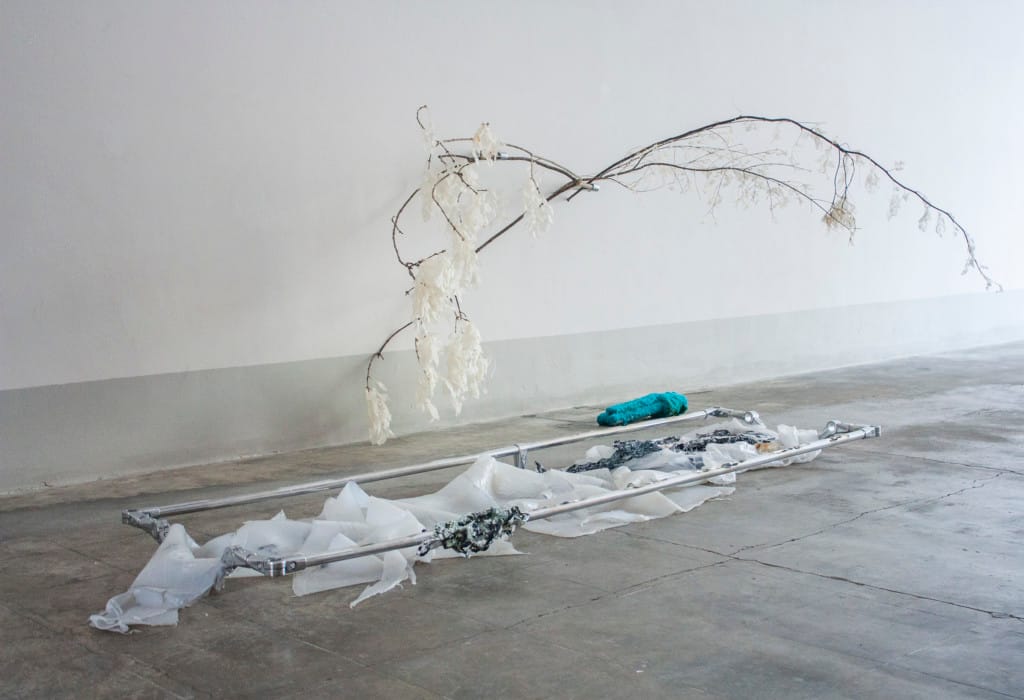
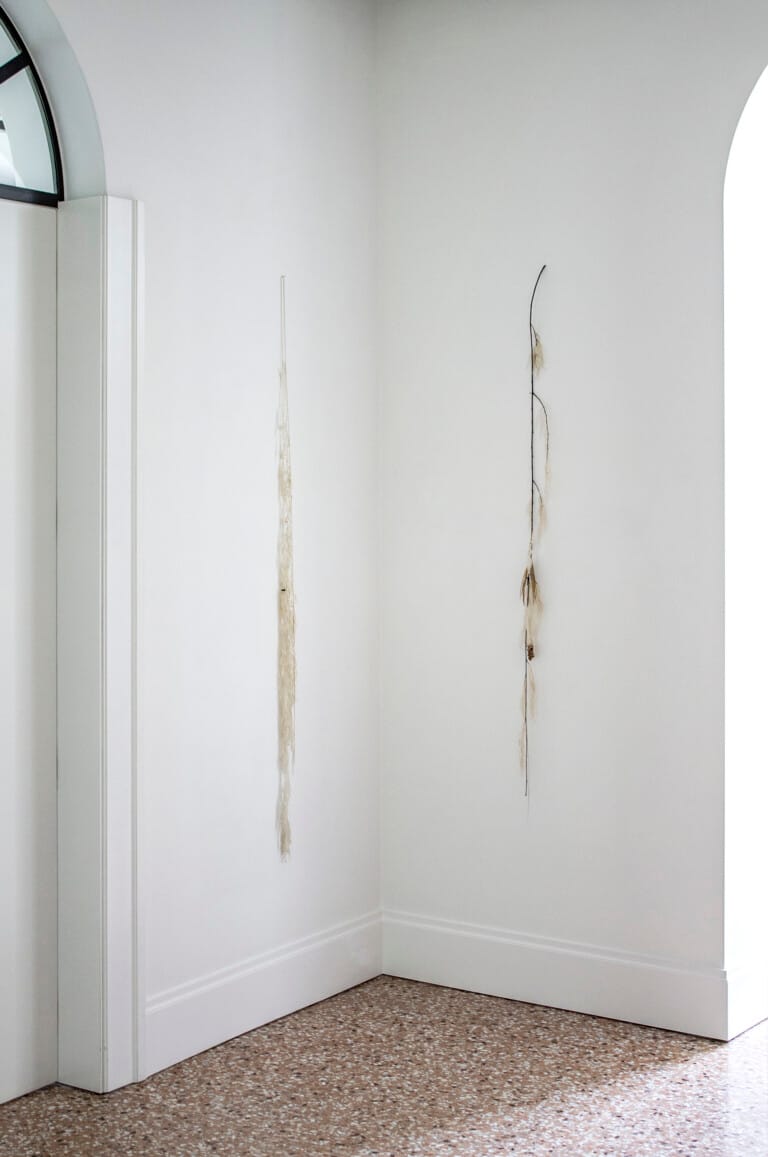
Withering into breath, wetness undoes itself — Z33, Hasselt, 2026
Spine accustoms epidermis — P.E.T. Projects, Athens, 2025
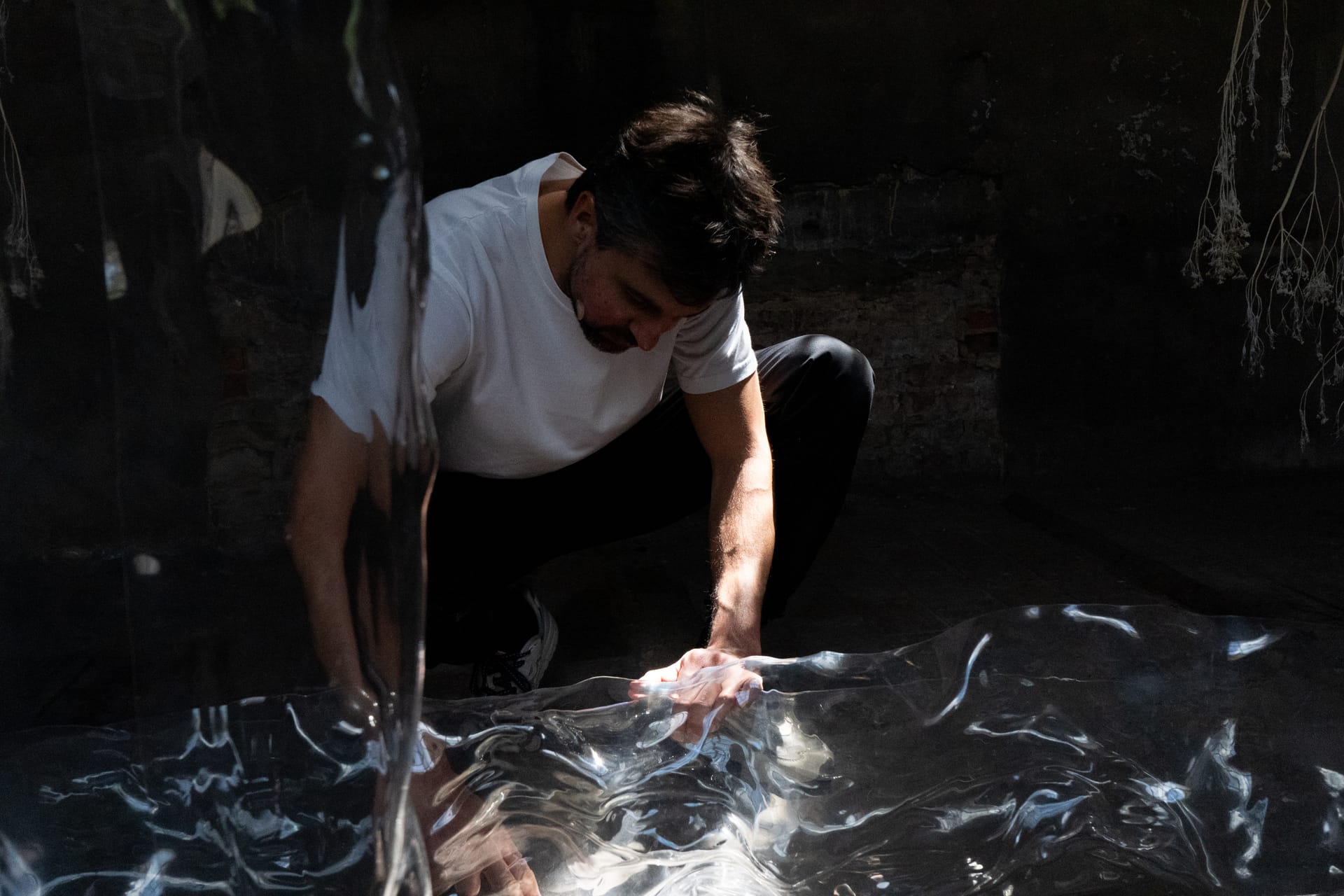
Libidinous drip — Horst Arts and Music, Brussels, 2024
Courtesy the Artist
Luca Vanello: Brussels, Installation and Sculpture - a interview with DiFranco
There is a particular quality to Luca Vanello's work , a slowness that doesn't feel passive, but deliberate. His installations don't announce themselves loudly. They ask you to bend down, to lean in, to stay a little longer.
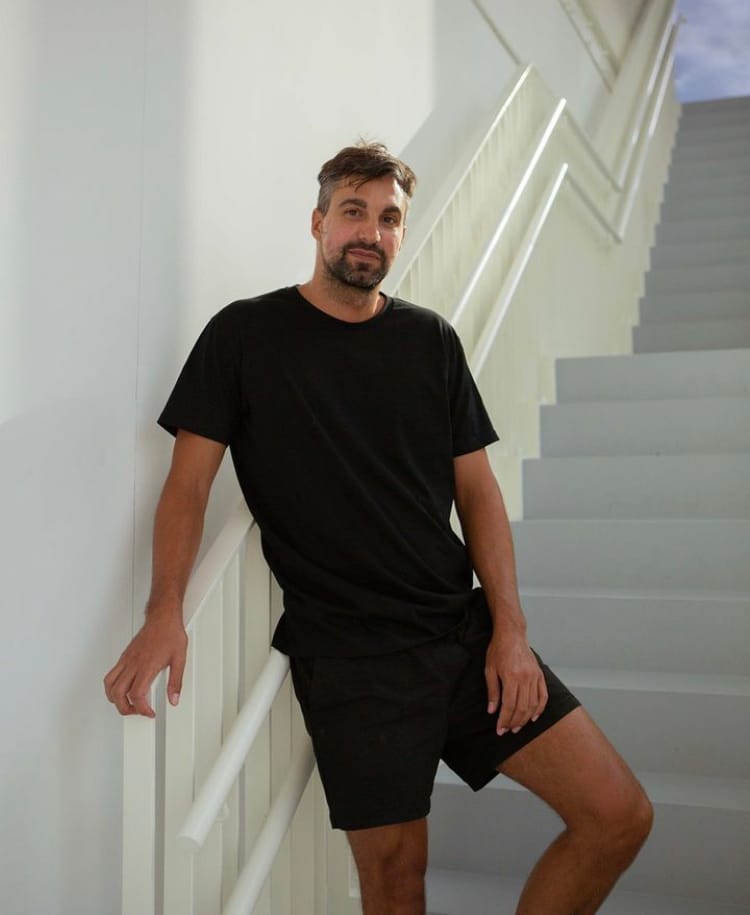
Born in Trieste and now based in Brussels, Vanello has spent years building a practice across borders, disciplines, and materials, where the line between the natural and the artificial, the living and the inert, becomes increasingly difficult to draw.
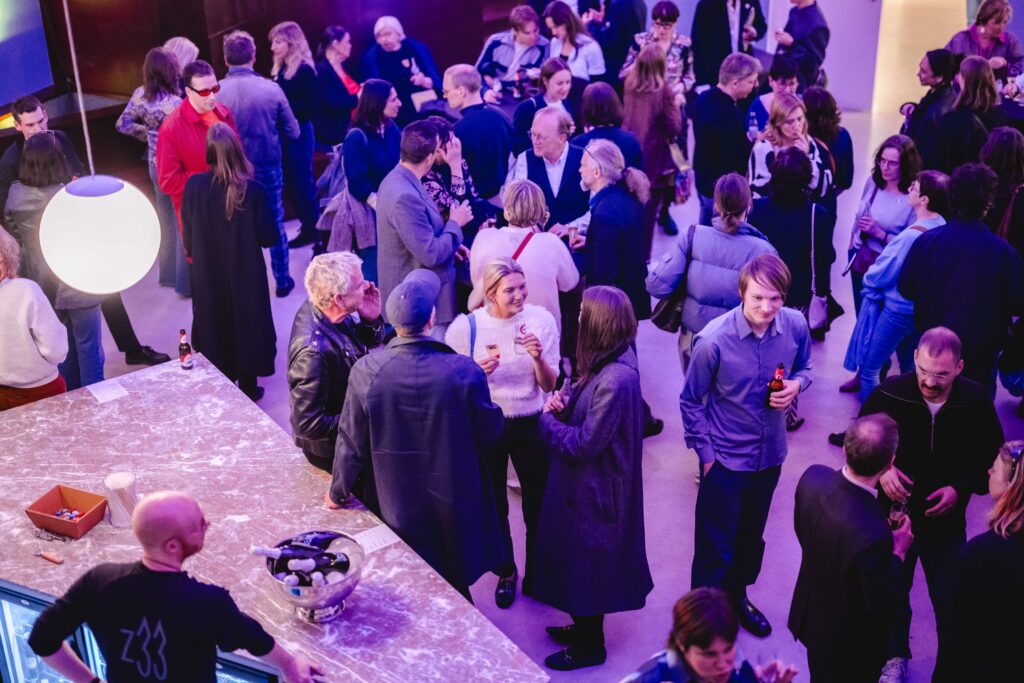
Ahead of his recent exhibition at Z33 House for Contemporary Art, Design & Architecture in Hasselt, we sat down with the artist to talk about attention, transformation, and what it means to make work that listens.
In Dialogue: Luca Vanello × DiFranco
Who is Luca Vanello outside the art world?
I would say someone who is drawn to the subtle ways in which connections form , someone who is curious too explore relations to places, to people, and to the more-than-human world through attention and senses.
Growing up in Trieste and now living in Brussels, did that change the way you see the world and create your work?
Growing up in Trieste and now living in Brussels has certainly shaped the way I see the world and approach my work, though it has been less a single shift and more a gradual unfolding.
My trajectory from Trieste to Brussels included several important stops along the way. I grew up in Trieste, and at the age of fourteen I moved to Ljubljana, Slovenia. From there, I lived in London, Bologna, and Berlin before eventually settling in Brussels.
Each of these places brought something distinct to my practice. They were not just geographical transitions, but moments of exposuret hrough study, residencies, and encounters that quietly reshaped how I think, make, and relate to materials and contexts.
Every city offered a different rhythm, a different way of being in relation to others and to my work. In the case of moving to belgium, a defining experience was my participation in the HISK residency program in Ghent.
Spending two years there was meaningful for me. It offered the time and space to grow artistically, but also to engage with a wide network of artists and thinkers, both within Belgium and internationally. It was a deepening a process: learning to listen more carefully, to allow influences to accumulate, and to remain open to transformation.
Your work isn’t just photography — it also involves installations, sculpture, nature and technology. How did this mix of different artistic languages become part of your practice?
I am interested in composing sculptural, immersive installations that create speculative environments to reflect on what is neither entirely real nor entirely fictitious; neither wholly natural nor entirely artificial.
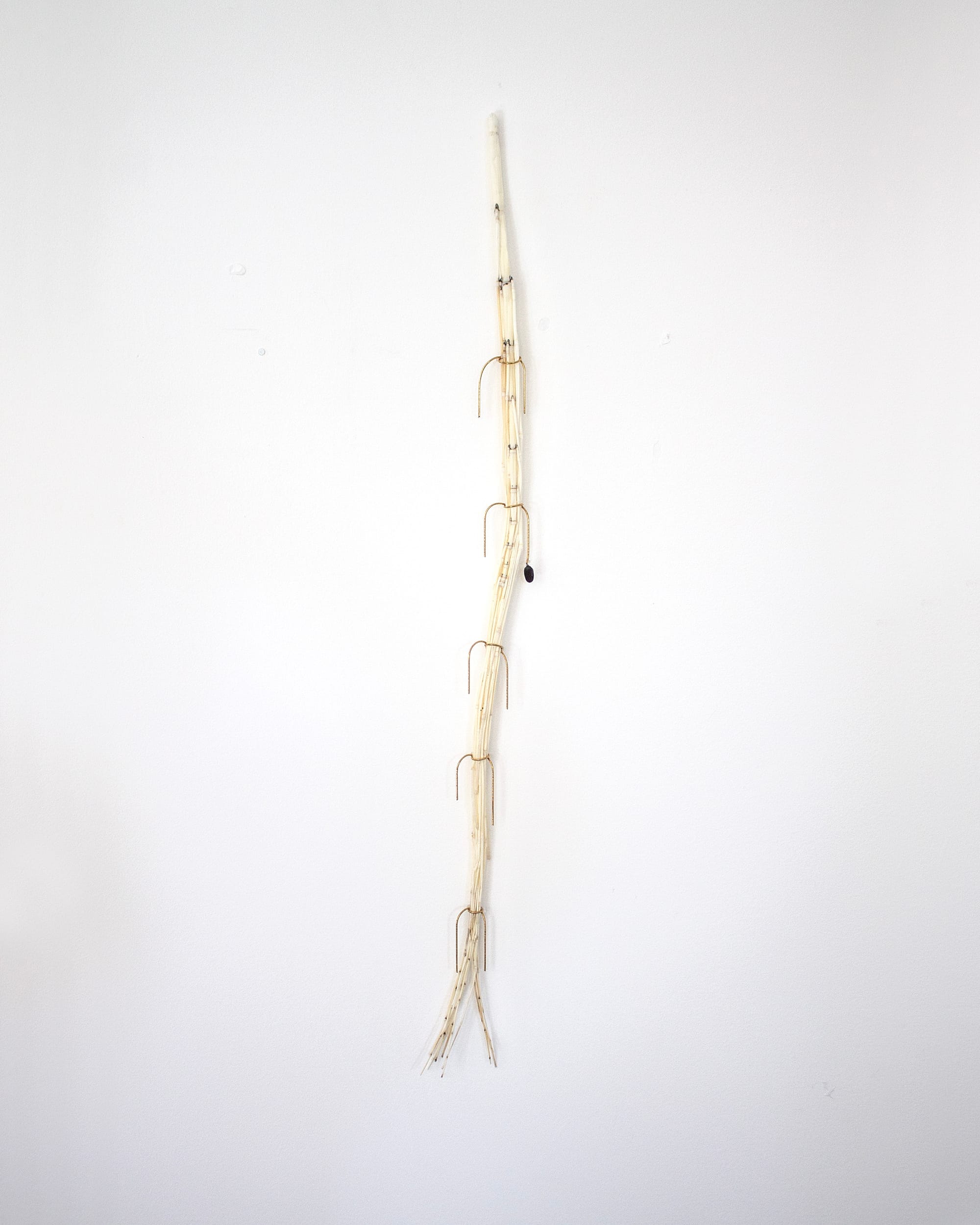
Hybrid plant-technology compositions are formed by looking for relationships between materials’s texture, shapes, and weight to arouse a sense of support,protection but also tension or hiding. Consciously working with both bigger and smaller sculptures within these environments I try to bring attention to the physical and temporal scales that we often don’t notice but are always surrounded and composed by.
I am particularly interested in exploring the blurring of boundaries between what we think of as natural or artificial, living or inanimate. I’m fascinated by how fluid these distinctions actually are, and I’m more interested in how processes of transformation can reveal relations and entanglements.
The same applies to artistic languages themselves. Each artistic language became part of my work through experimentation. When working and transforming materials, a medium such as sculpture can shift into something closer to painting, and a small organic element might develop into something more architectural.The media I incorporate into my work emerge in a fluid way, without being fully planned in advance.
What inspires you the most: people, landscapes, science or unexpected moments?
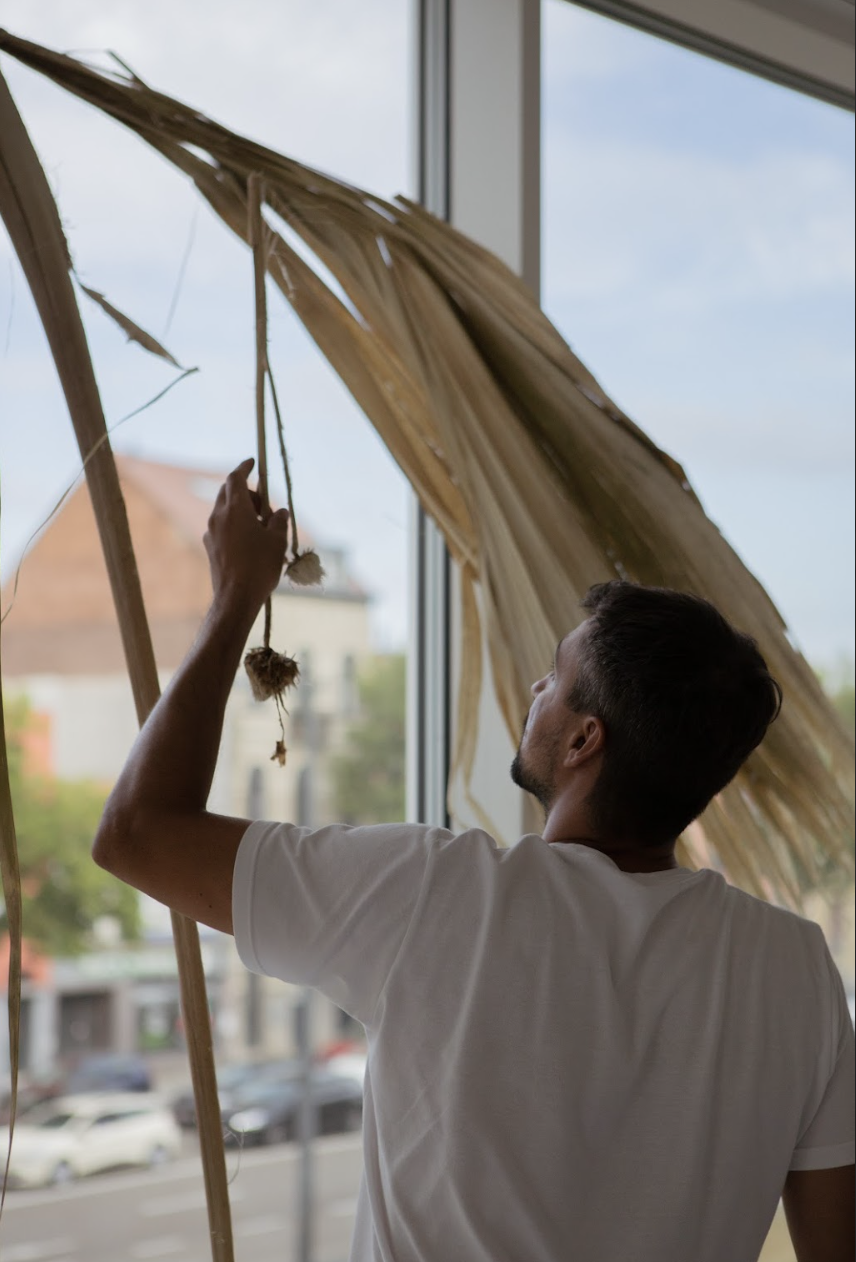
In my current research, I am particularly interested in processes of noticing, and in developing an embodied, sensorial relationship to matter. I try to understand how we, as humans, relate to materials, and how matter, in turn, responds, shifts, or resists us. This line of inquiry touches on questions of care and ethics.
It asks what it means to be attentive, to stay with a material or a situation long enough for something to emerge. Sometimes, immersing in a detail can generate a subtle atmosphere, something felt rather than articulated, that speaks of vitality and vibrancy beyond language. These moments of what one might call “enchantment” with matter are a significant source of inspiration for me.
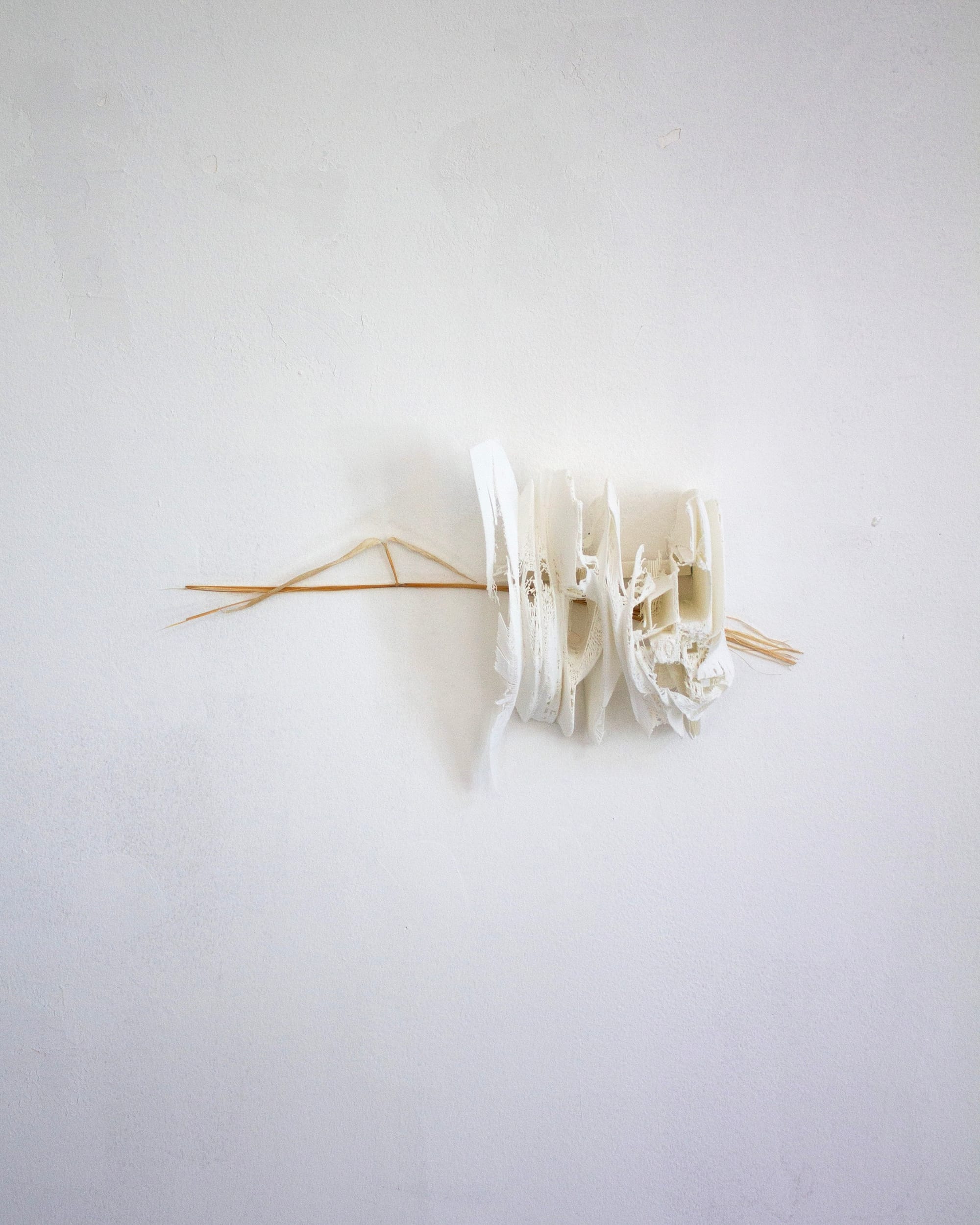
Alongside my sculptural and material practice, I also write short poetic fragments I think of as sketches. Through writing, I try to gently unpack what I experience, and what is unfolding materially around me.
It becomes another way of staying close to these encounters, of giving form to something that is often fleeting, but nonetheless meaningful.
Has any of your works started almost by accident and then turned into something important?
Yes, I would say that many of my works emerge from unexpected encounters in the studio rather than from a fixed idea or plan. My way of working is quite open-ended. I spend a lot of time tinkering, exploring, and allowing things to develop slowly over time. I often leave something aside and return to it later, letting the process unfold at its own pace.
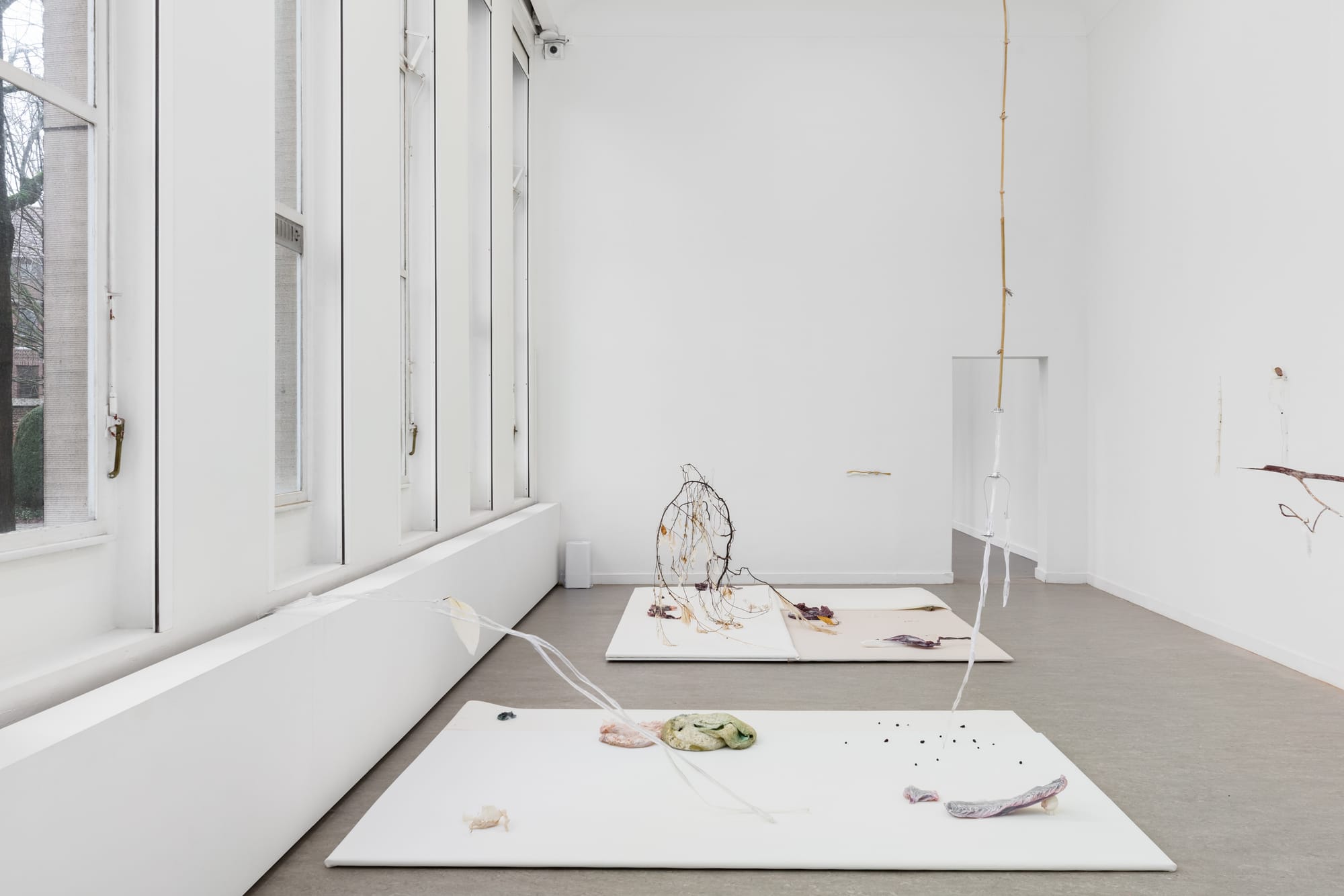
In that sense, these moments of “accident” are not really accidental, but part of a way of staying attentive and receptive. Materials behave in ways I cannot predict, and sometimes it is precisely in those moments, when something shifts, resists, or reveals itself differently, that a work begins to take shape.
What eventually becomes a piece is often something that, at a certain moment, starts to speak to me more clearly. It holds a presence or a tension that feels worth following. I try to remain humble in that process, allowing the work to emerge through dialogue rather than control.
When you create, do you follow a plan or do you prefer to experiment and see where the idea takes you?
The work usually starts by following an intuition or a wish. In that sense, my work is rarely fully planned. I tend to experiment, to see where a material, a gesture, or a situation might lead. In these process atmopehseres are evoked, and these brign focus on certain asepcts of the process.It is a way of staying open to what emerges, rather than imposing a predefined outcome.
Often, the most meaningful aspects of the work come from this process of discovery through small shifts, repetitions, or and moments of uncertainty. I think of it less
as executing an idea and more as entering into a dialogue, where intuition guides the beginning, but the work itself gradually shapes its own direction.
What was it like exhibiting at Z33 House for Contemporary Art, Design & Architecture? Was it a special experience for you?
It was indeed a great experience to exhibit at Z33. The building itself has a remarkable presence, with a beautiful and thoughtful architecture that deeply influences how the work is encountered.
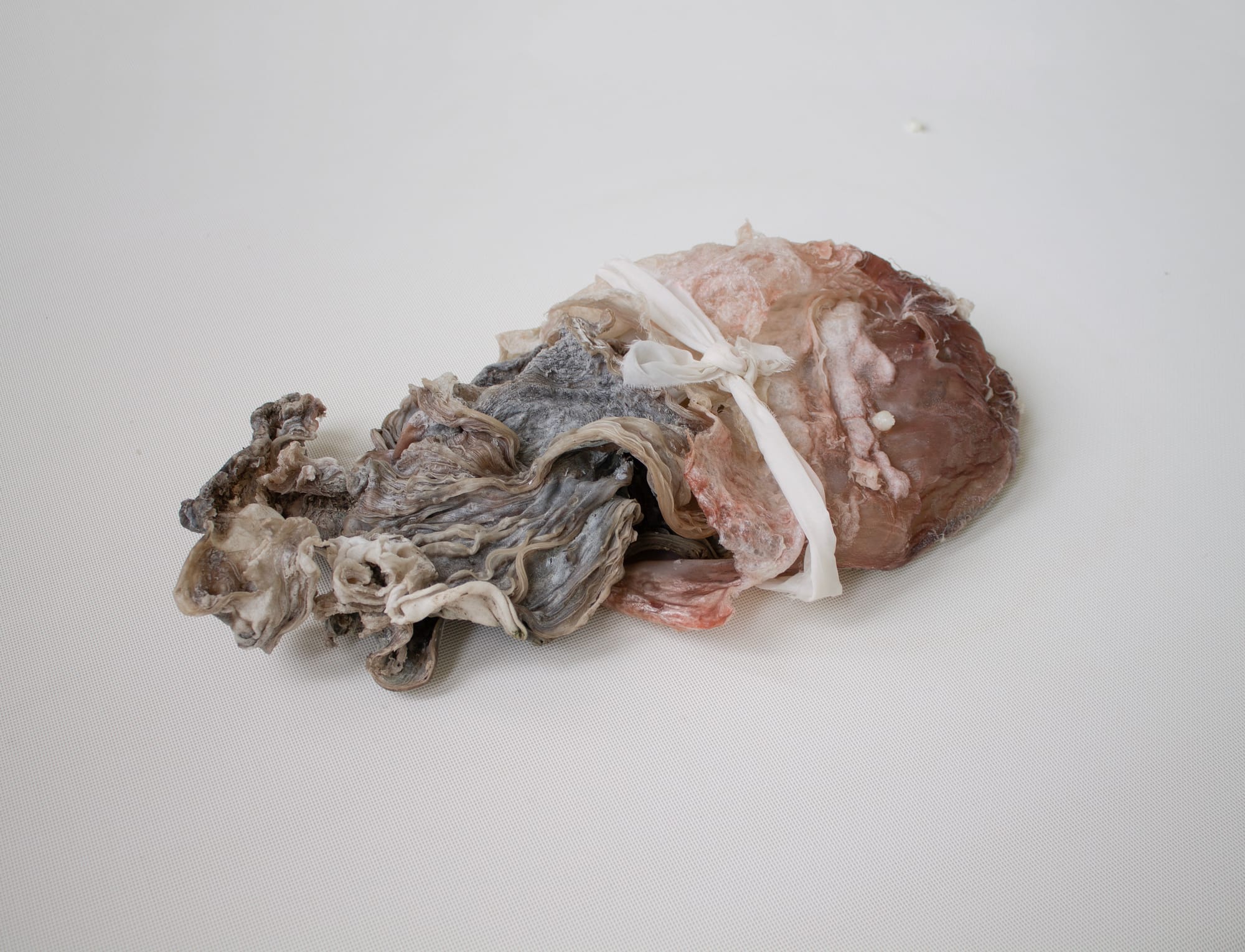
The exhibition took place in the older wing, a space that was originally designed to house religious objects and ornaments. That history still seems to linger in the atmosphere. There is a certain aura you can feel shaped by the high, narrow proportions of the rooms and the large glass façade. It evokes, in some way, the nave of a cathedral, though on a more intimate and contemplative scale.
For me, this became an important starting point in thinking about the exhibition. Rather than simply placing the work within the space, I approached it as a response to it, trying to attune to its rhythm, its light, and its sense of presence. The context invited a slower, more attentive engagement, which resonated closely with my practice.
What do you hope people feel when they enter one of your installations or see your work?
I often think about how the body of the viewer is engaged, how it moves, adjusts, and responds within the space, and how this, in turn, can generate a certain atmosphere or sensation. I’m interested in how encountering the work is not only visual, but also physical and affective.
For example, in the exhibition at Z33, the first room brought attention to very detailed works placed mostly at floor level. It subtly invited the viewer to bend down, to come closer, almost even to lie on the floor alongside the work. It created a more intimate, grounded way of engaging.
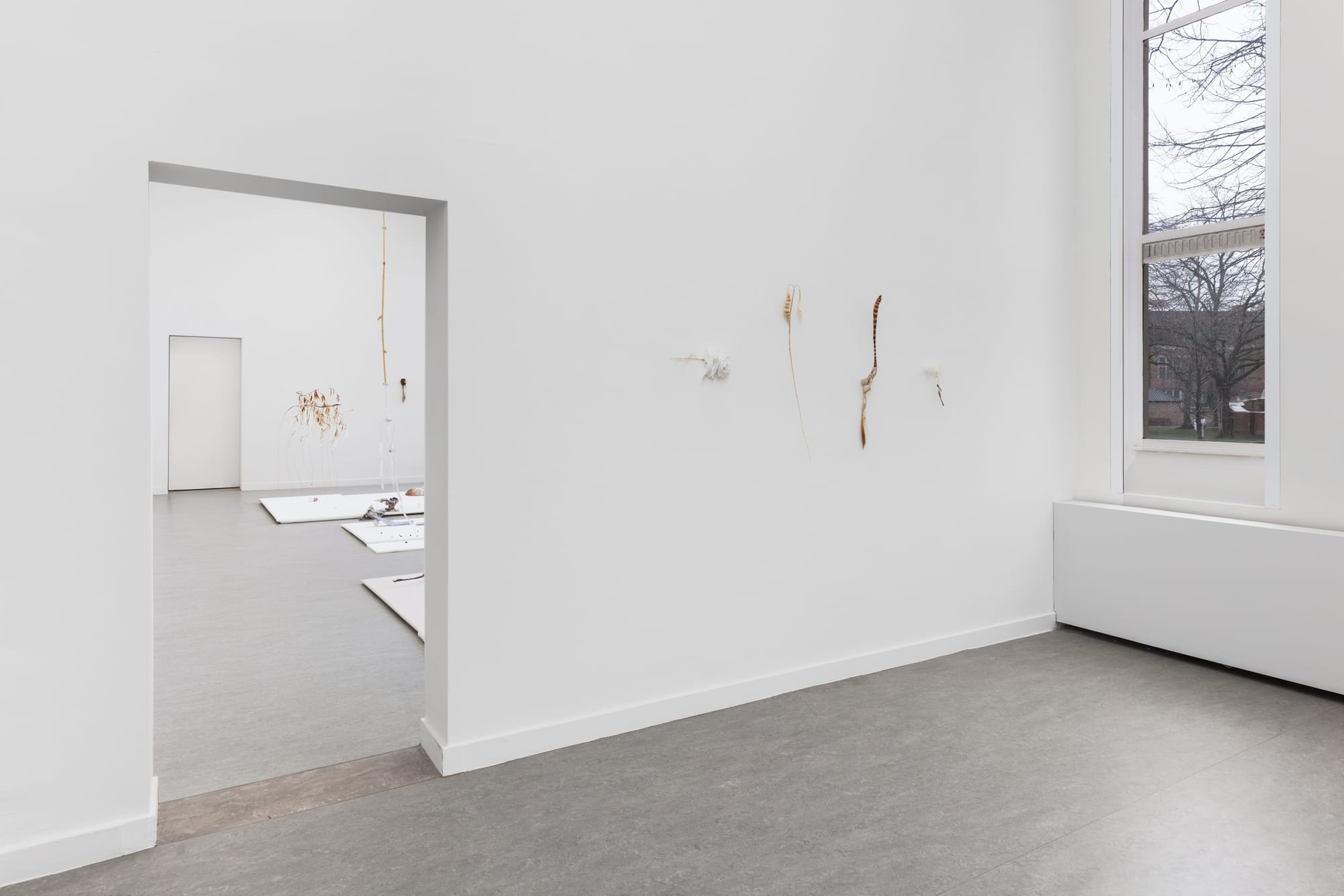
In contrast, entering the second room shifted this experience quite significantly. There, a stronger sense of verticality and bodily immersion emerged. The body is drawn upward, held differently in relation to the space and the materials.
Through these kinds of spatial and material relationships, I hope to evoke different sensations and states of attention, of noticing. Rather than guiding the viewer toward a fixed interpretation, I am interested in how these encounters might open up a more embodied and sensorial way of relating.
Has anyone ever interpreted one of your works in a way that was completely different from what you expected?
I’m very interested in the kinds of atmospheres a work can create, and how these are felt on an embodied, affective level. This doesn’t necessarily require something overtly immersive, it can also emerge through the discovery of a small detail, a quiet moment of attention. I think these atmospheres can open up space for reflection, offering new ways of reflecting on certain questions.
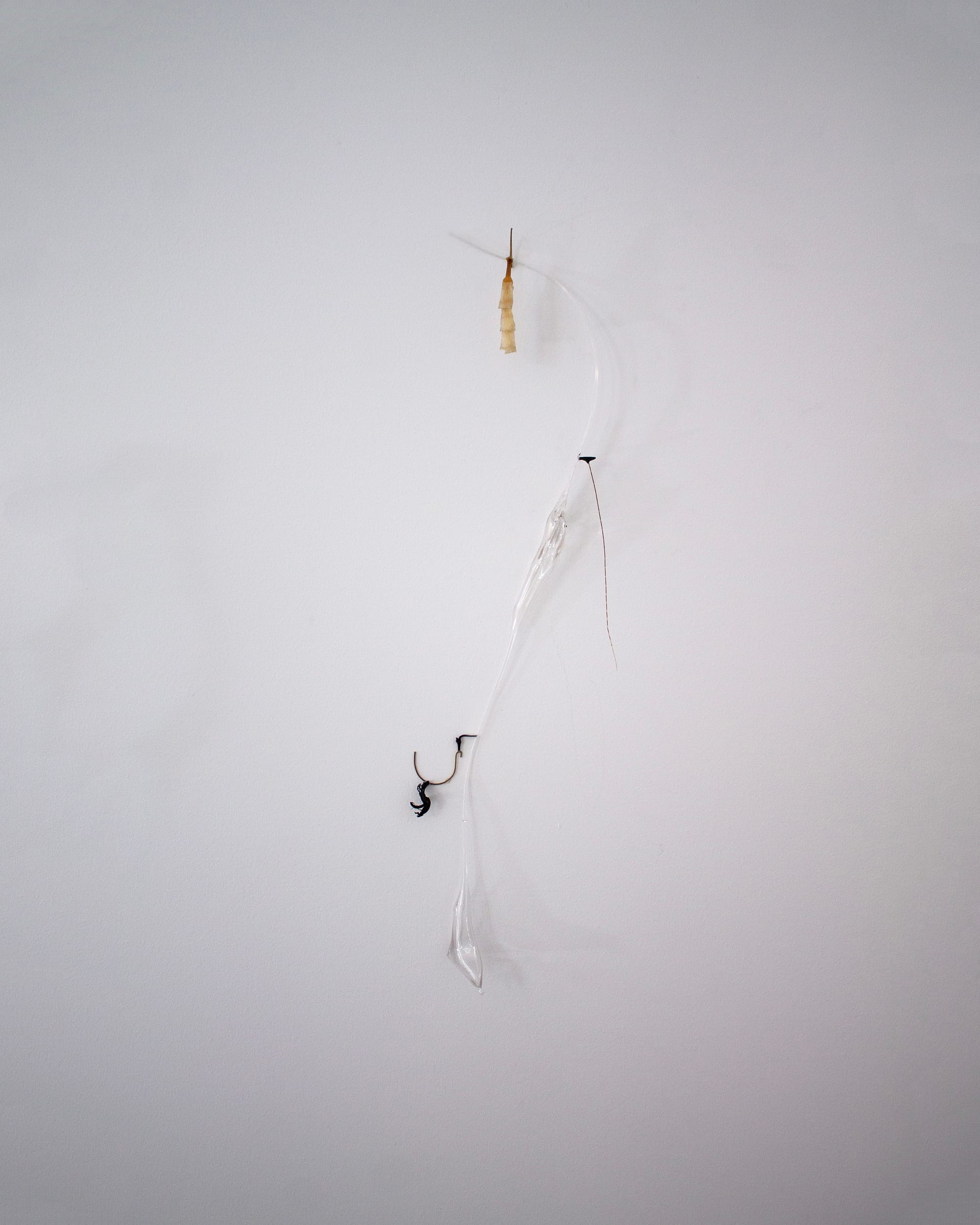
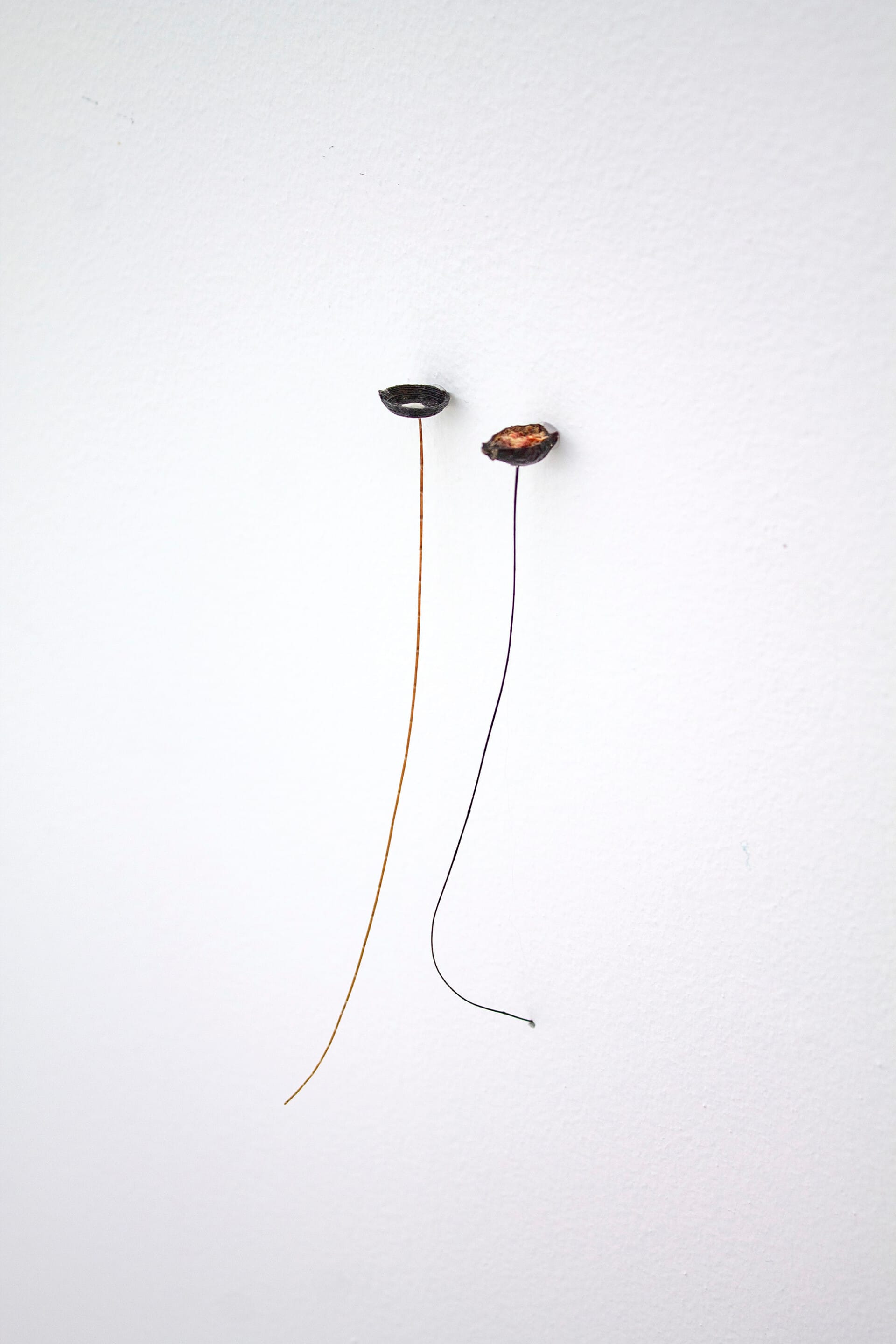
In that sense, I don’t expect or seek a single, fixed interpretation.Often, there is a shared sense of vulnerability or intimacy that comes through, but beyond that, I hope the work can speak in many different ways.
I hope for the work remains open, capable of unfolding through each encounter, and of resonating with different perspectives and experiences.
If you weren’t an artist, what do you think you would be doing today?
A gardener.
Is there any artist or artistic movement that strongly influenced your work?
More broadly, I feel connected to practices that approach making as a form of relation, where working with materials becomes a way of listening, responding, and negotiating rather than directing. This also touches on questions of care and responsibility: how we engage with matter, how we remain attentive to its behavior, and how this attentiveness might shift our understanding of authorship and control.
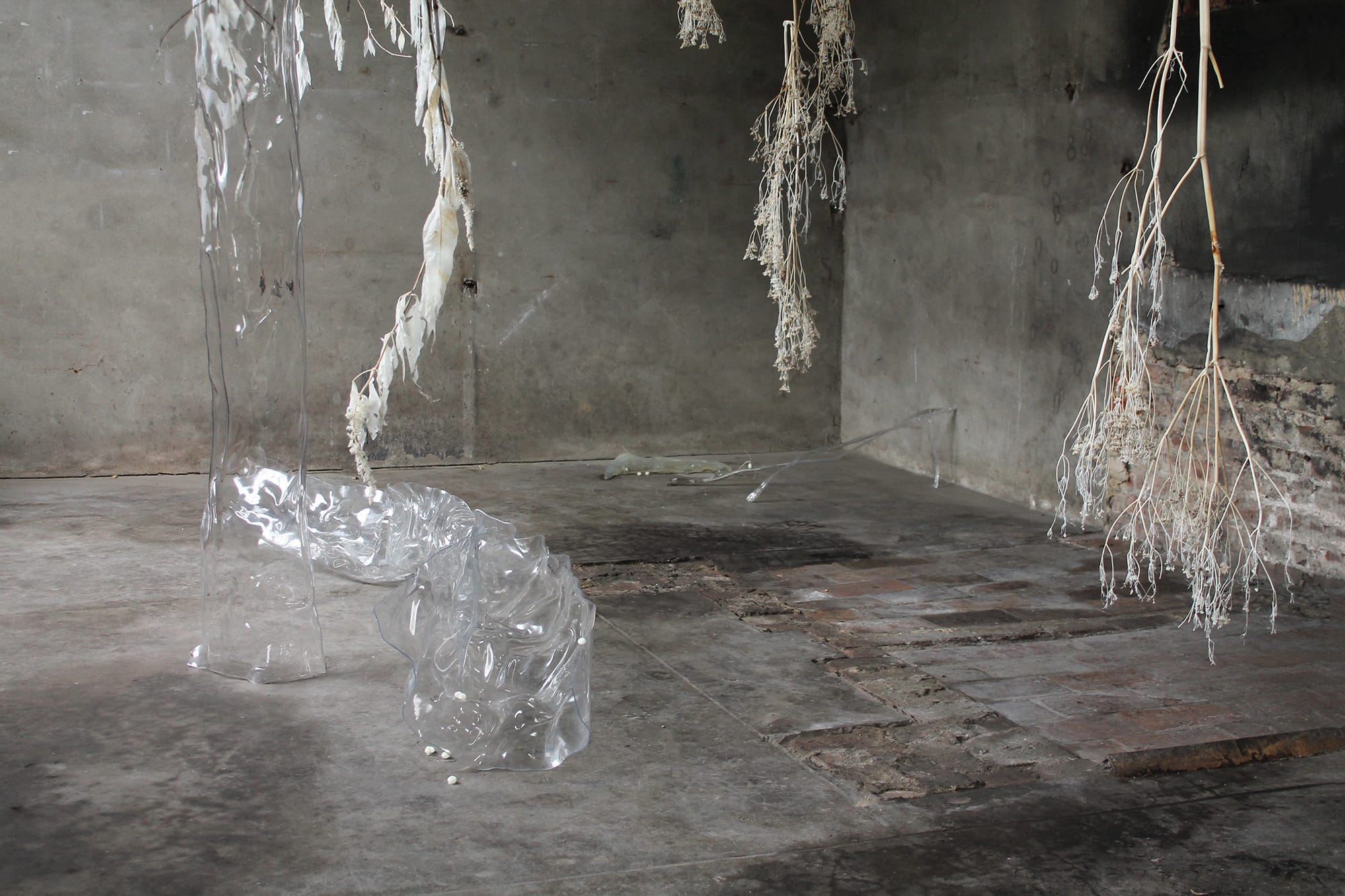
I began studying art in Bologna, and during that time I was influenced by Arte Povera. What continues to resonate with me in that movement is the way it foregrounds the vitality of matter, how materials are not treated as passive elements, but as active participants within the work.
This sensitivity to material presence has remained an important reference point in my own practice. At the same time, I am very interested in certain strategies from science fiction literature, such the idea of cognitive estrangement.
This concept refers to the way familiar realities are made slightly unfamiliar or displaced, allowing us to perceive them differently. By introducing a subtle sense of distance, it opens up space for reflection and for imagining alternative ways of relating to the world.
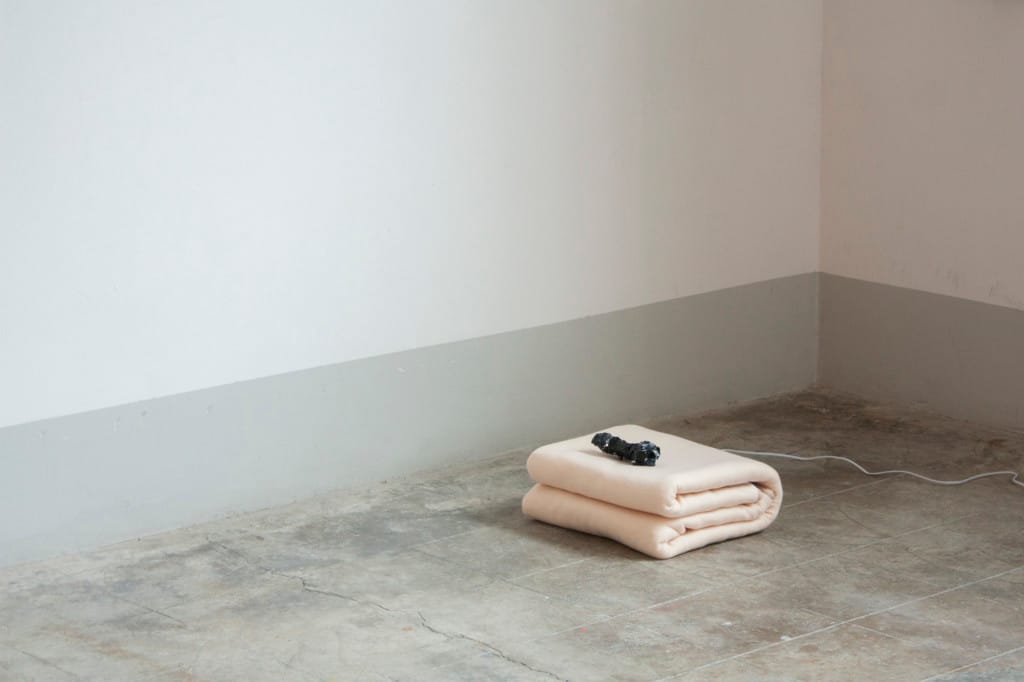
Rather than being shaped by a single influence, my work has developed through a
constellation of references, experiences, and encounters, across literature, material experimentation, and different contexts of making.
What ties them together is perhaps a shared sensitivity to the subtle, the affective, and the not immediately visible: those moments where something begins to resonate before it can fully be named. They inform a way of working that is less about producing fixed outcomes and more about creating conditions for something to emerge.
What is it like living and working artistically in Brussels? Does the city inspire you?
What I really enjoy about Brussels is its multilayered and, at the same time, somewhat understated character. It’s a place where different backgrounds, practices, and ways of working coexist without needing to resolve into a single narrative. It holds together as a kind of constellation of communities, each with its own rhythm and atmosphere.
Moving through the city, you sense how these different layers overlap. There is a quiet proximity between differences, where things don’t necessarily merge but remain in relation.
I find myself very at ease within this. Perhaps it also resonates with my own mixed background, this sense of being shaped through multiple contexts at once. In that way, the city feels familiar—not because it is uniform, but because it allows for complexity, for coexistence, and for things to remain slightly open.
What is your creative process like: total silence, music, or creative chaos?
At times, I work with immersive music, focusing in a more meditative way, often on the floor, engaging closely with small, detailed pieces. In those moments, the process feels quiet and attentive, almost slowed down, where concentration comes through repetition and proximity.
At other times, especially when producing larger works through more technical processes, the process becomes much more physical and demanding. It can be labour-intensive, messy, and quite active, requiring a different kind of energy and focus.
So rather than following a single mode, my process moves between these states. It oscillates between moments of stillness and immersion, and others that are more intense and material-driven, depending on what the work requires.
What kinds of projects or artistic experiments would you like to explore in the future?
I’m currently very interested in exploring sound, and in understanding how it might enter into relation with the other elements in my installations.
I’m curious about how sound could extend the work, how it might shape atmosphere, affect perception, or subtly influence how a space is inhabited.Rather than approaching sound as something separate, I would like to think of it as another material. It opens up questions about how different sensory layers can coexist and inform one another.
Speaking with Luca Vanello, one gets the sense that for him, art is less about arrival than about remaining staying close to a material, a question, a place long enough for something unexpected to surface.
As he continues to expand his practice into sound and new speculative environments, that quality of attentiveness only seems to deepen. It's a reminder that in a world that moves fast, some of the most vital work happens in the pause.
Instagram Luca Vanelle
DiFranco Instagram
About Catapult
This is an artist interview published by Catapult — an independent editorial platform for contemporary art, based in Vienna. We publish exhibition reviews, artist features, interviews, and critical context, with a focus on emerging and mid-career practices from Europe and beyond.
catapult.art
Want to be featured? Submit your work →
Related Readings
Nadine Karl: Installations Where Time, Memory, and Space Fall Out of Sync
Read MoreNo spam, no sharing to third party. Only you and me.