Steel Carries What Clay Remembers
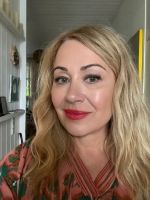
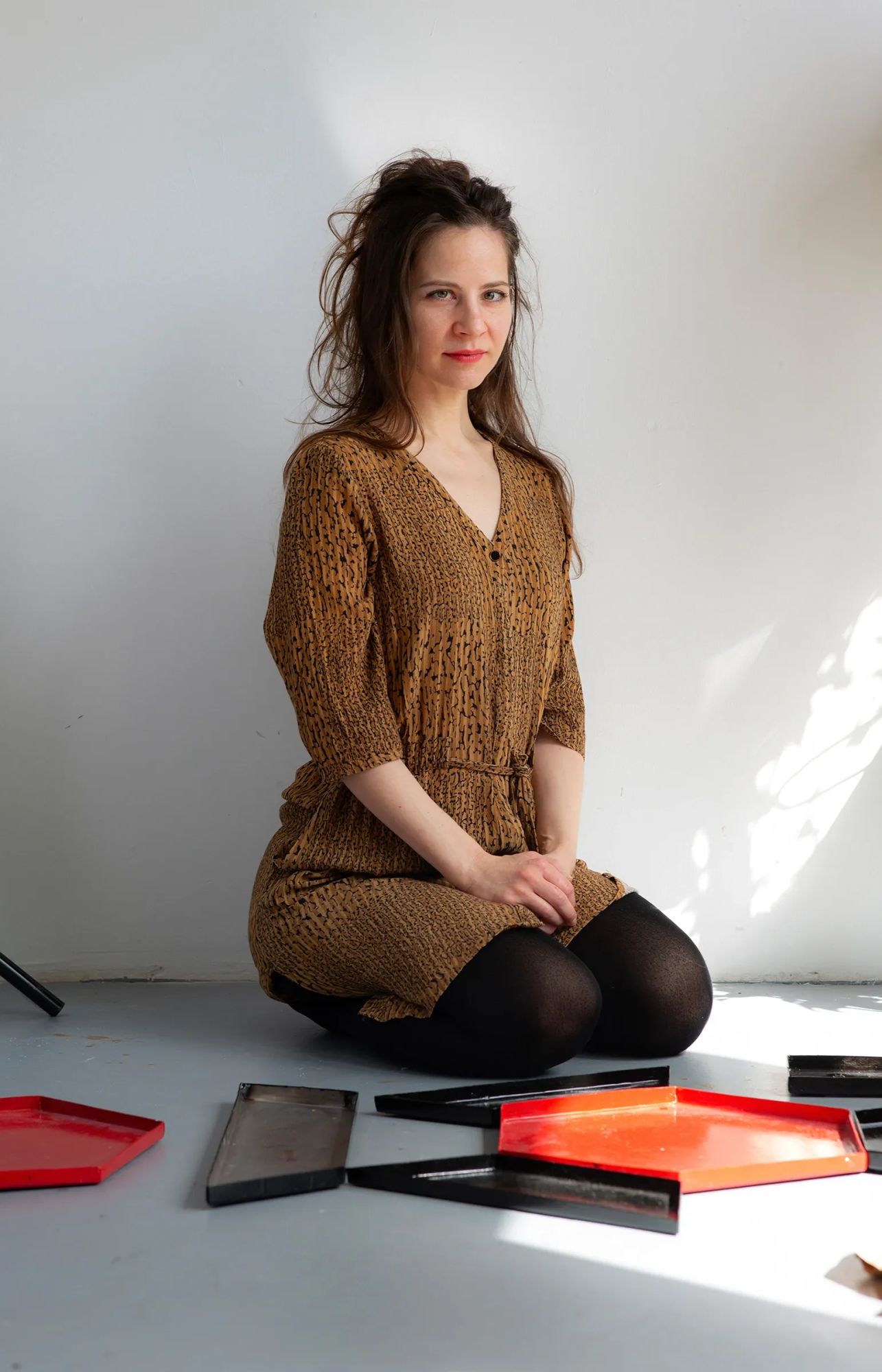
lives and works in Vienna, Austria
Sculpture, Installation; Steel, Ceramics, Water
Spiritual Warfare, ADA artistic dynamic association, 2025
celinestruger.com
@celinestruger
Kathrin Hanga, Tom Biela, Sofiia Yesakova, Robert Gruber
Courtesy the Artist
Céline Struger - Artist in Focus
Ceramic heads, archaic in form, some braided, some rough as worked stone, are mounted on industrial steel. Water runs through the pipes that hold them or pools below in flat trays. The material logic is deliberate: Céline Struger places the oldest human gesture in form-making onto contemporary infrastructure, and lets water decide what comes next.
The sculptures don't stage a conflict between past and present. What holds them is more slippery. She seems to work from the idea that a site's spirit does not dissipate when a building changes use or falls into disrepair, that it migrates instead into the objects left behind, into whatever material is willing to absorb it.
Water inscribes time into matter without being asked. The pipe and the ceramic face are both, in that sense, archives.
The argument runs across multiple series. EQUALIZER I holds a ceramic face at eye level: braided hair, open mouth, the surface texture of something excavated rather than made.
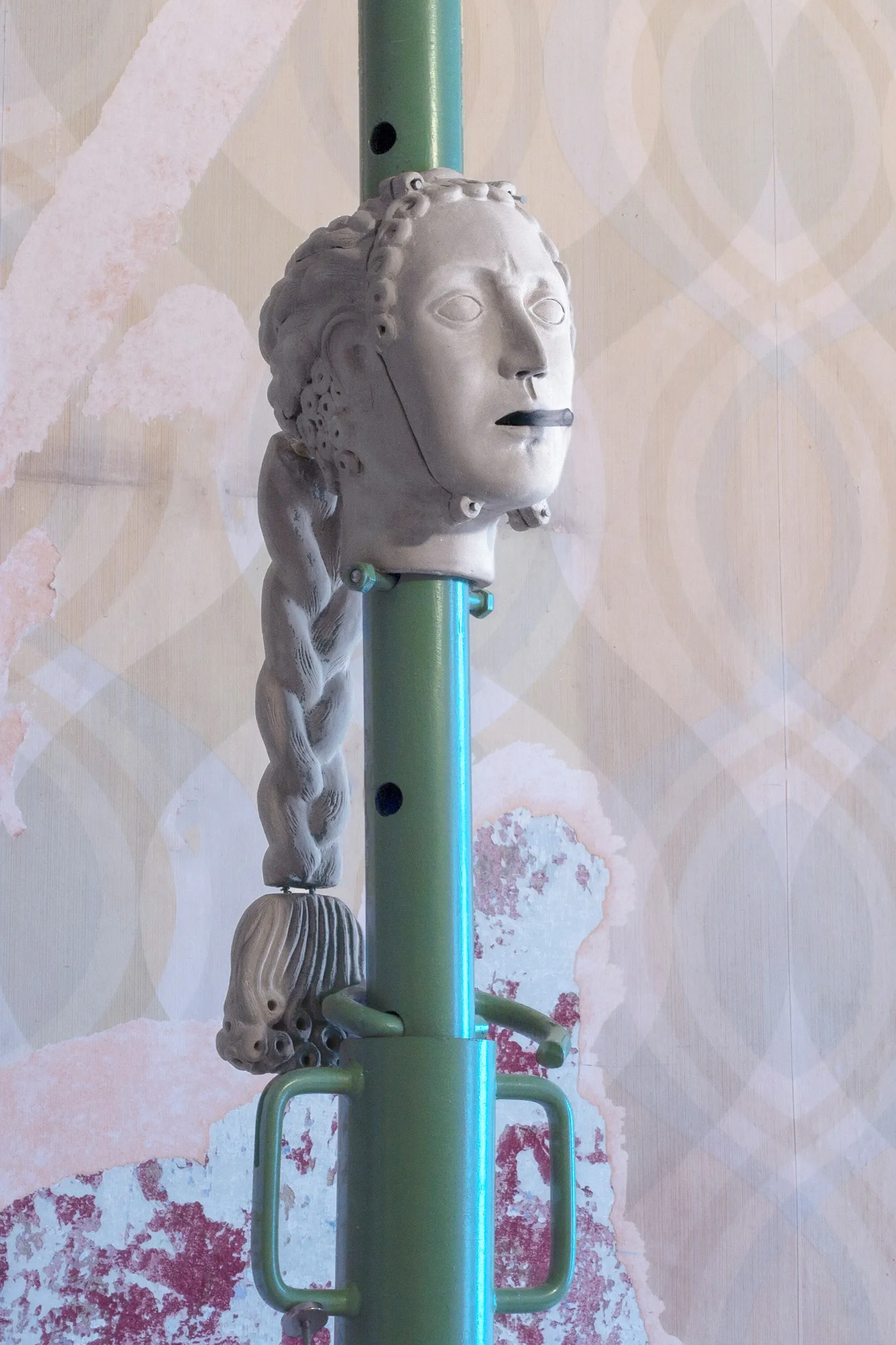
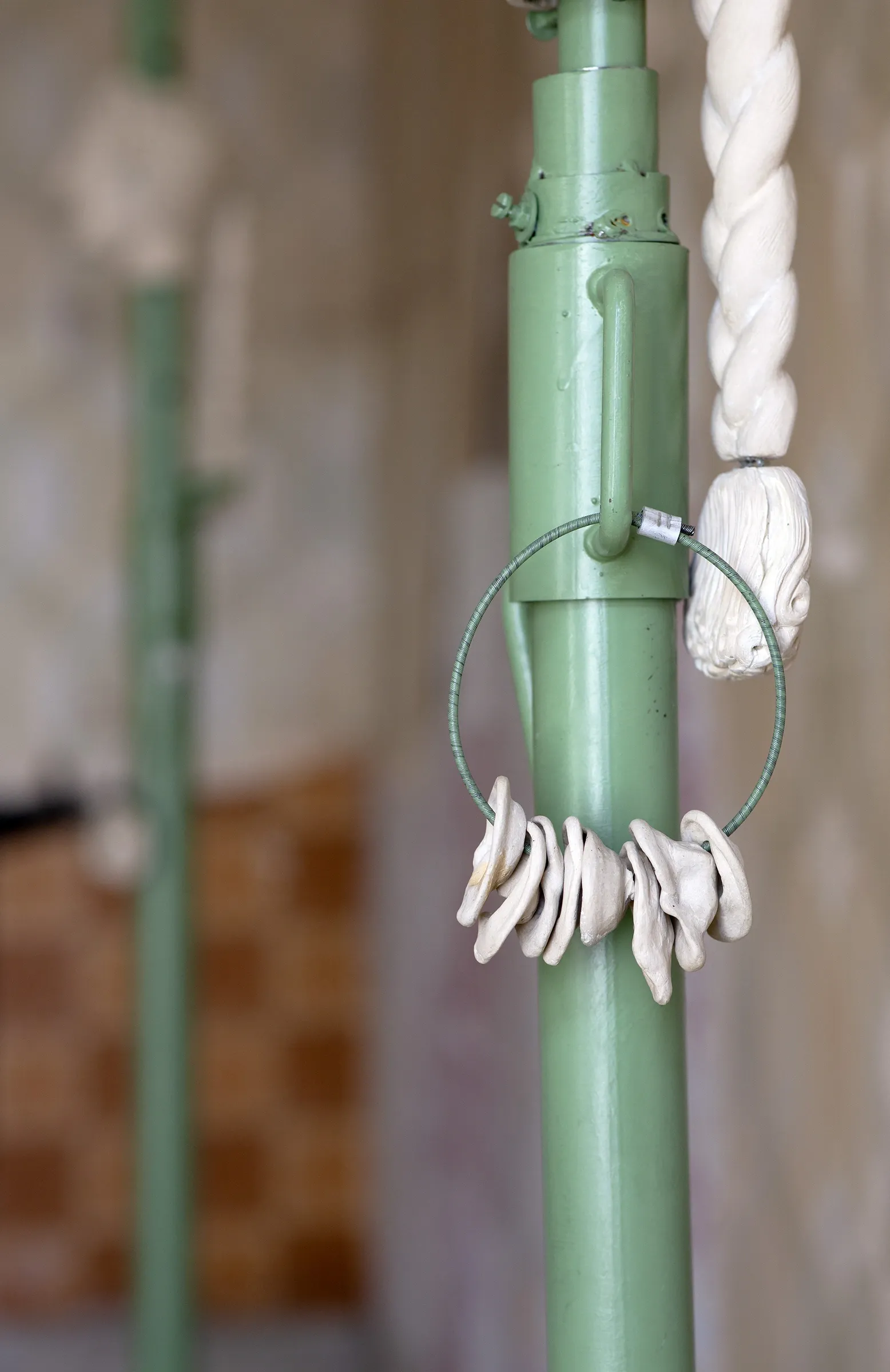
Céline Struger, EQUALIZER II, detail, steel, water, ceramics. Photo by Kathrin Hanga.
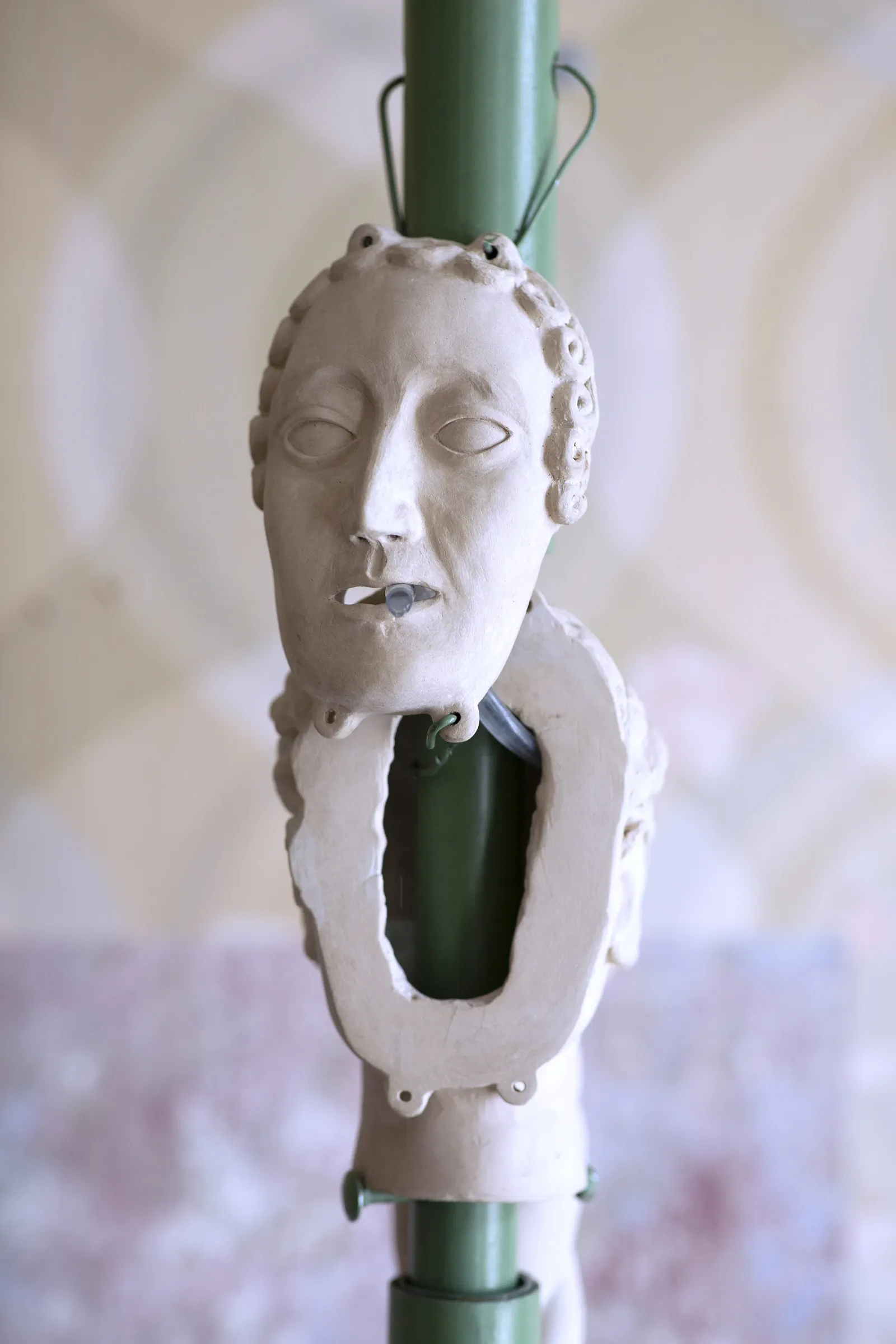
It sits on a green steel tube held by fixtures rather than adhesive, as if the assembly could be reversed but hasn't been. The face carries the weight of a votive object, or an architectural one, something that belongs to a building that no longer exists. On the pipe it neither insists on this history nor abandons it.
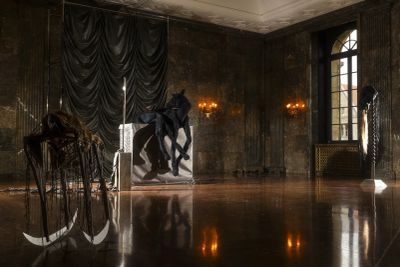
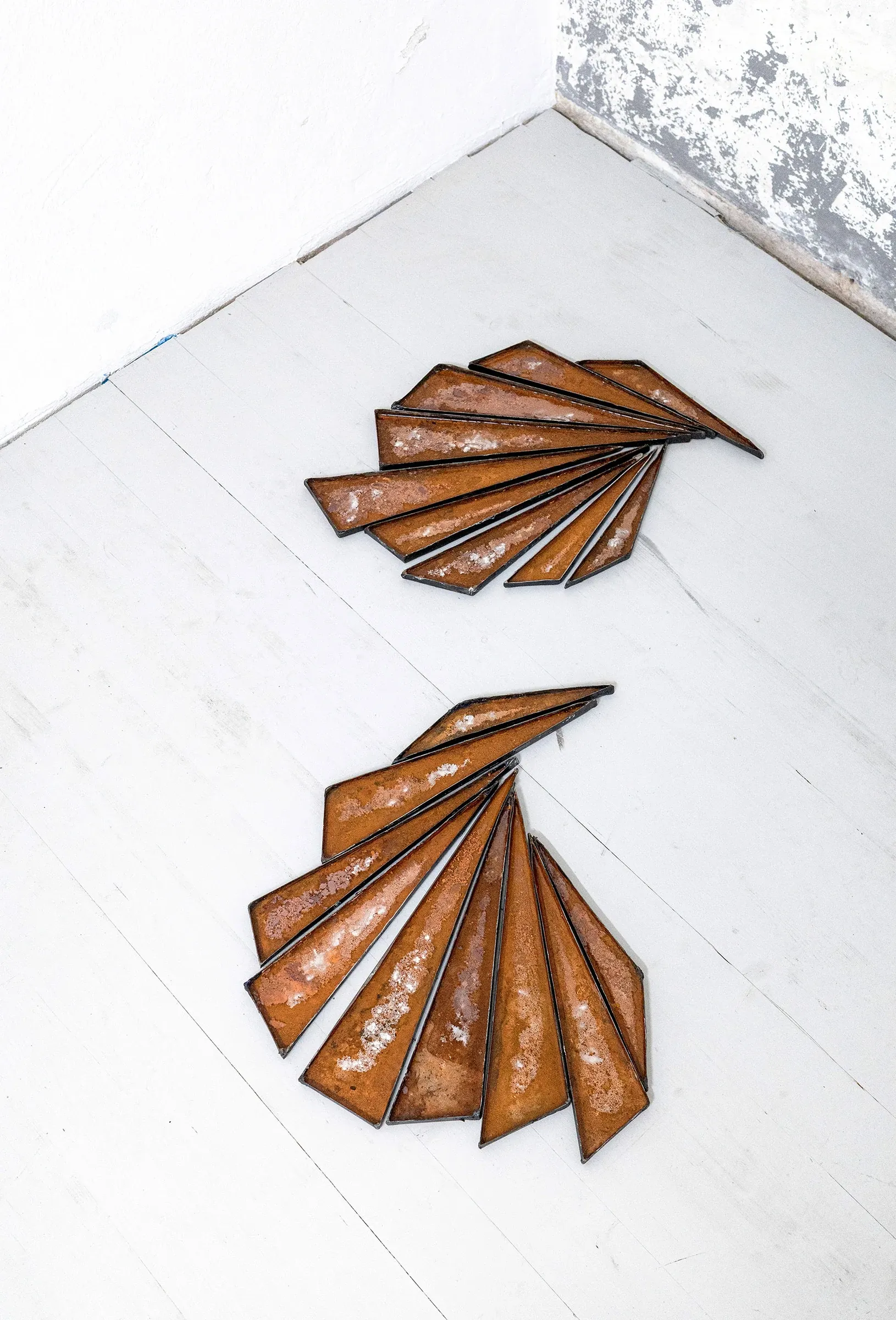
TROSTBLUMEN / Solace Flowers lies on the floor: fan-shaped panels of steel rusting in place, the material corroding under a layer of phosphorescent pigment. They glow in the dark without anyone present to witness it. The title is bilingual, German "Trostblumen," English "Solace Flowers," two words for the same comfort that neither language handles well alone.
Other works carry the same structural commitments: TRANSVERSE ORIENTATION runs a line of water-filled trays across a floor threshold from one room to the next.
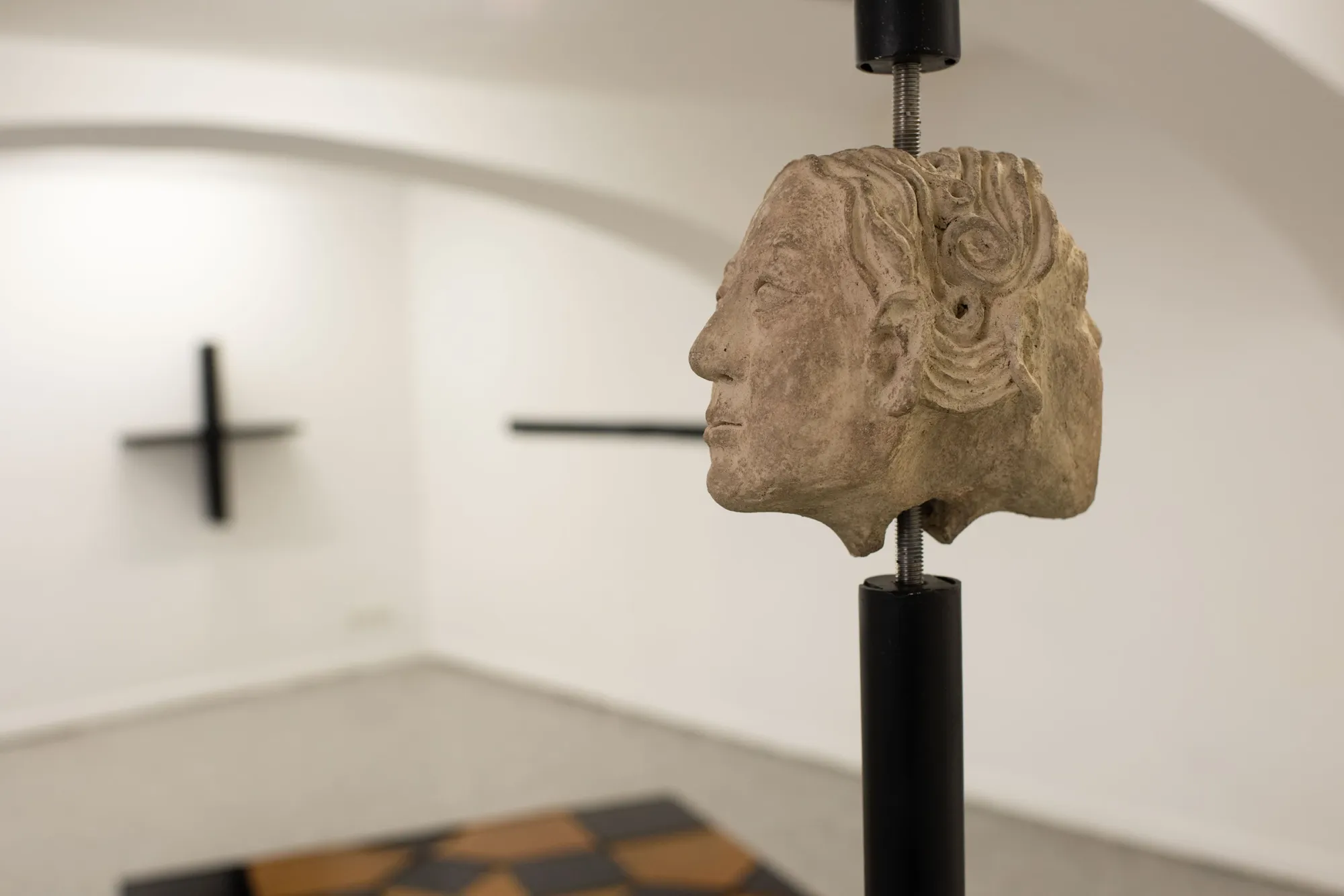
MOTH AS IN MOTHER II holds a rough stoneware profile on a black steel rod in a vaulted white room. DIE VERHEISSUNG / The Foreboding sits flat. Each piece asks what the material already knows before the artist arrives.
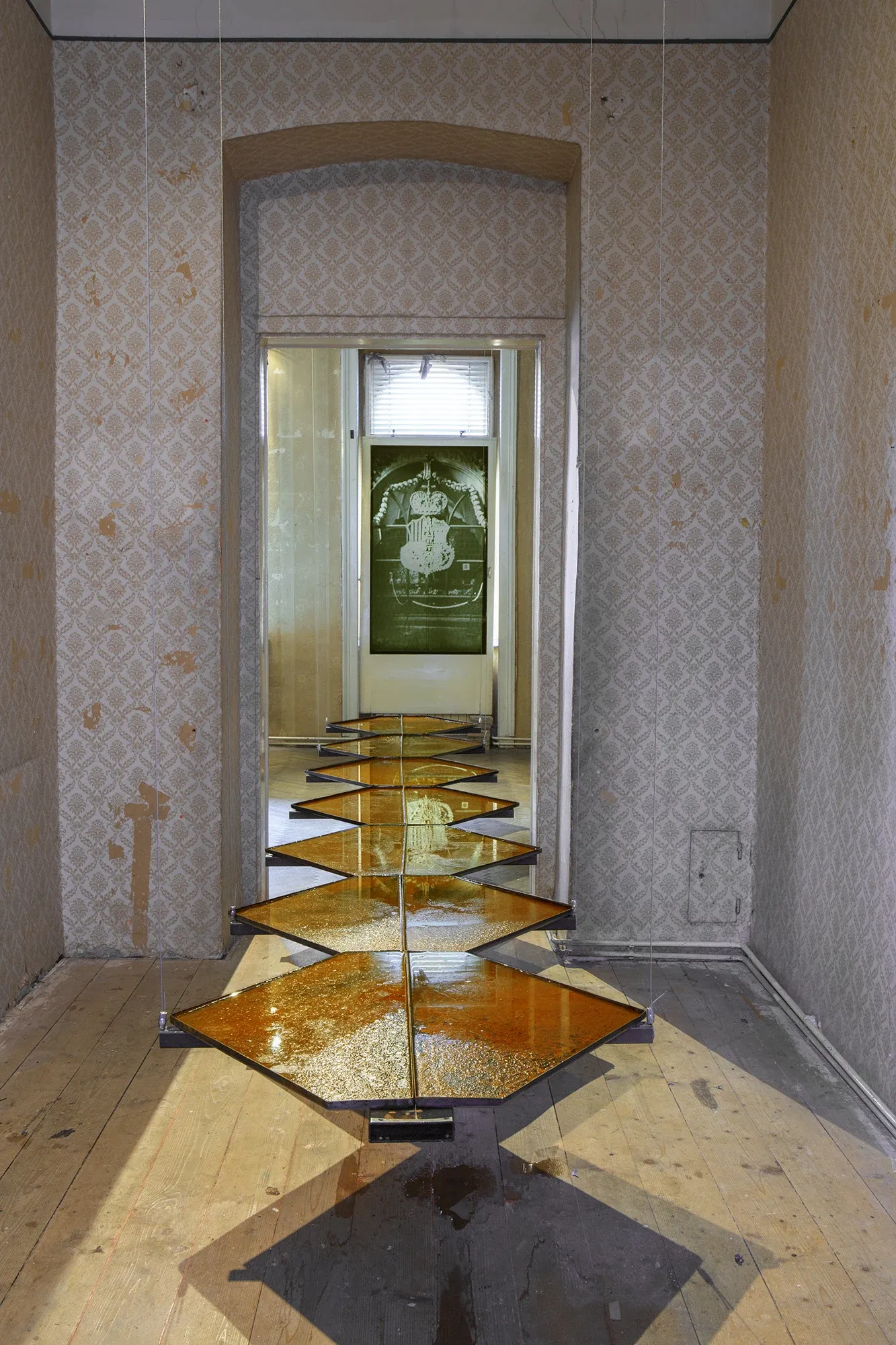
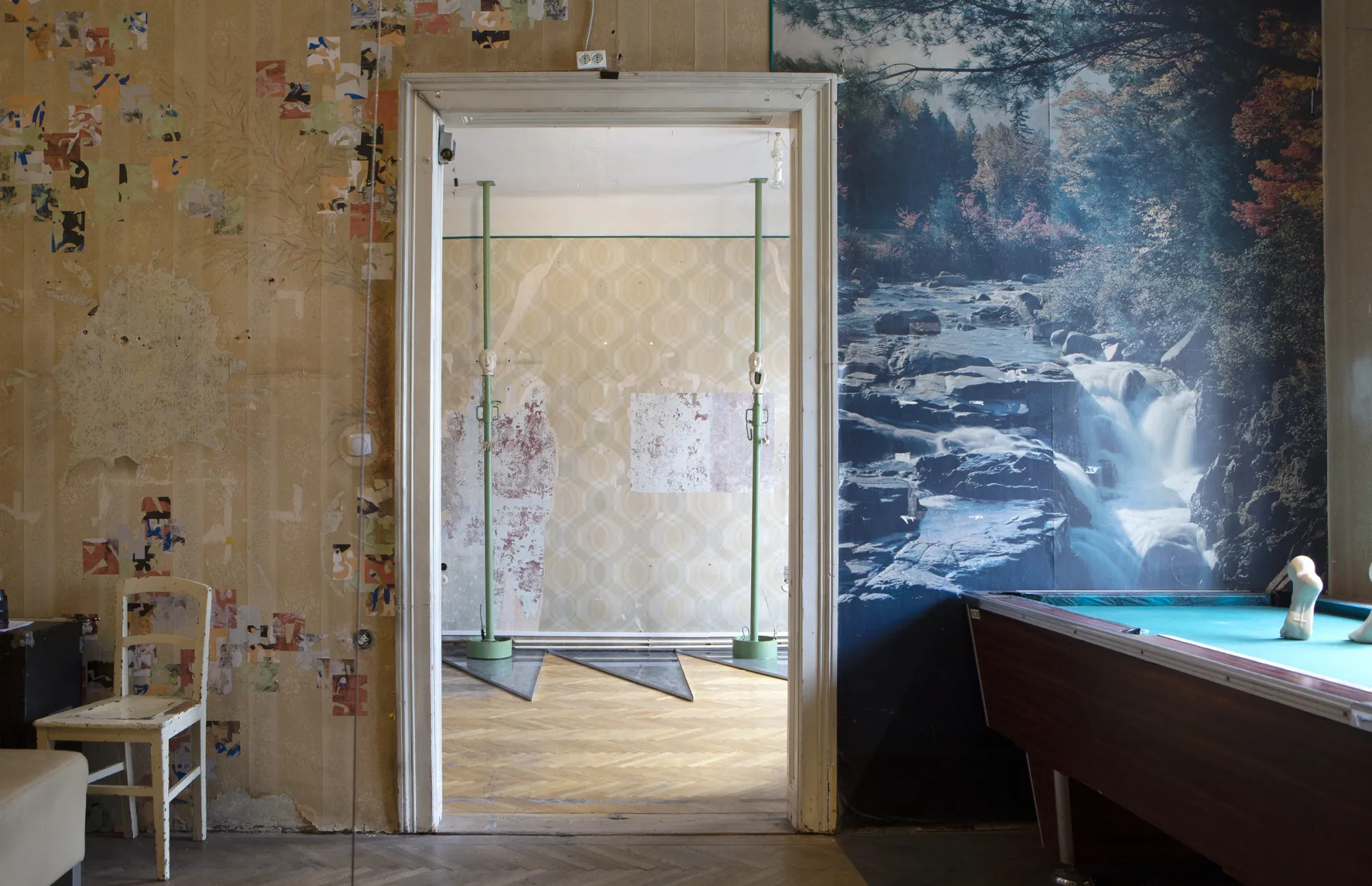
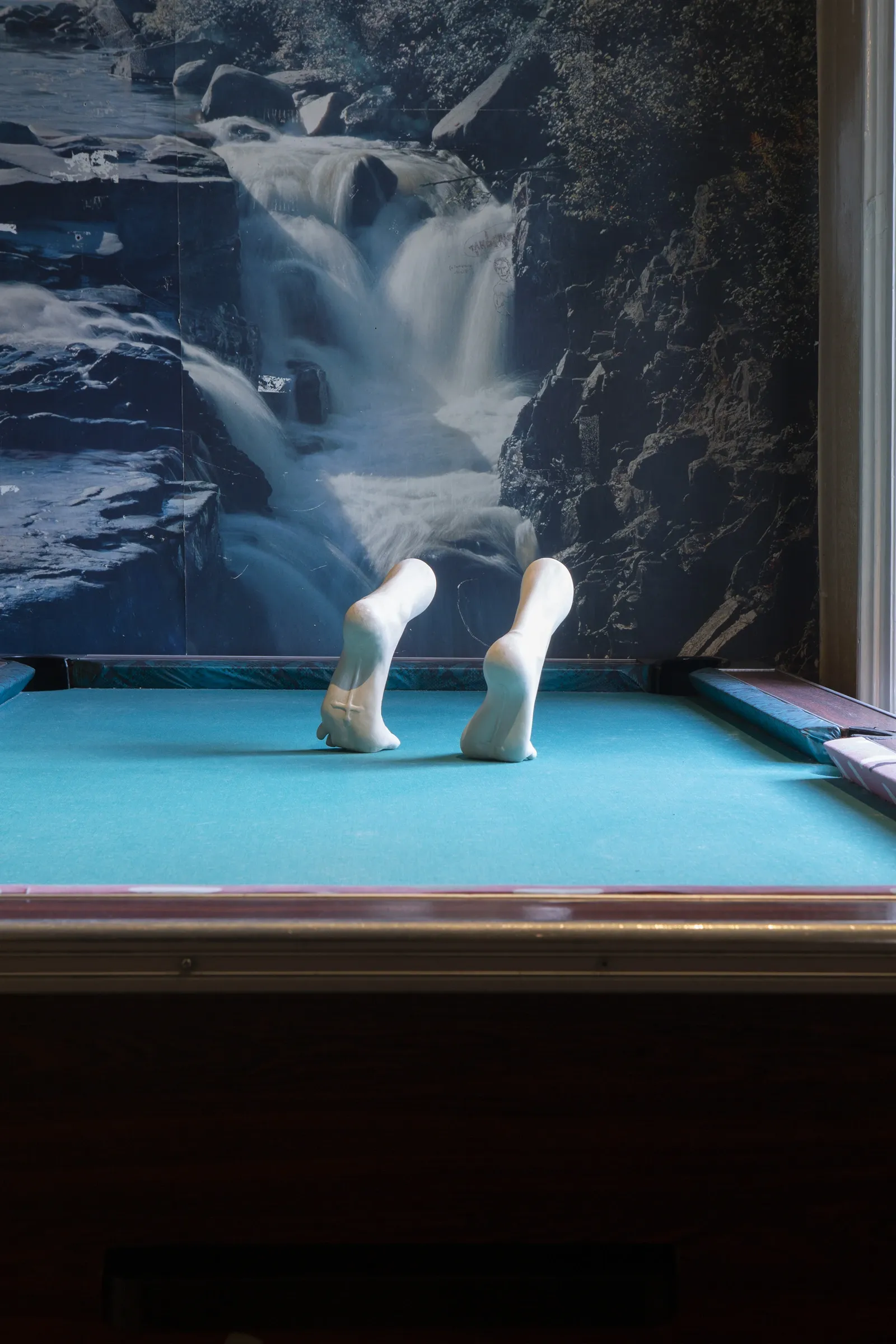
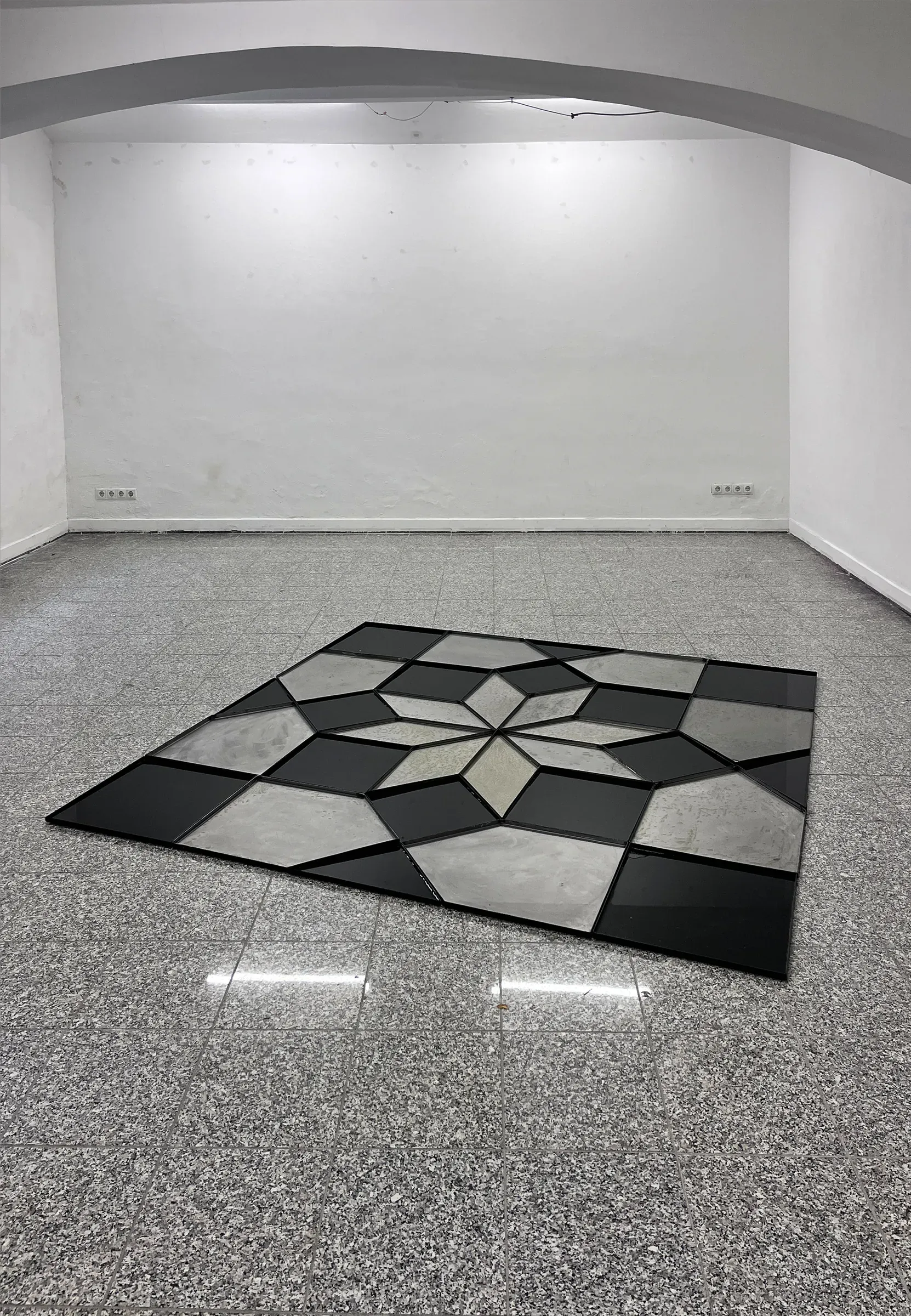
What connects them is not a theme so much as a method. Rust, ceramic, and steel each carry information Struger has not added, and the work seems interested in that surplus, the histories stored in material behavior, the agency of objects when no one is watching.
Struger's stated concerns, post-capitalism, mythology, collective consciousness, stay grounded here because they arrive through specific material decisions rather than through stated positions. A rusting steel flower is a historical claim, not a metaphor. An archaic face on a pipe is a structural argument, not a quotation.
What she seems to be building across these works is a case for non-human agency: buildings, deserted sites, water, rust. The argument does not require a human witness to sustain itself.