Archive of Contact

Asztrid Csatlós, Eszter Metzing
Archive of Contact
Liget Gallery
Budapest, Hungary
—
H-1146 Budapest, Ajtósi Dürer sor 5.
Bettina Bence
Bettina Bence
Barnabás Neogrády-Kiss
Courtesy Liget Gallery
Liget Gallery Presents Archive of Contact in Budapest
Archive of Contact by Bettina Bence
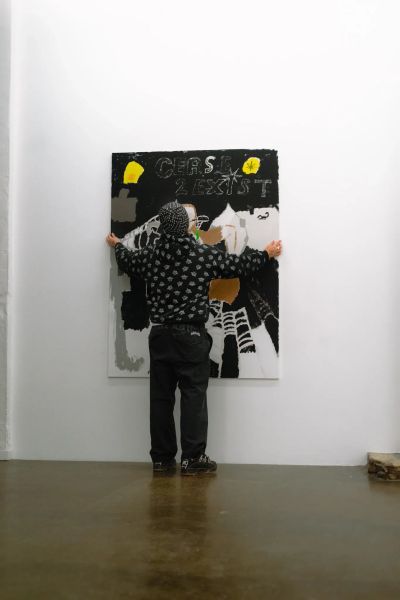
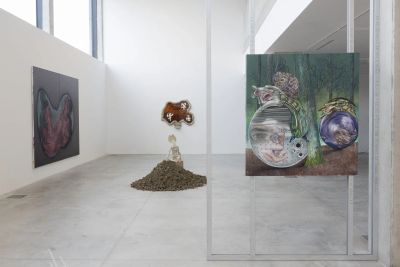
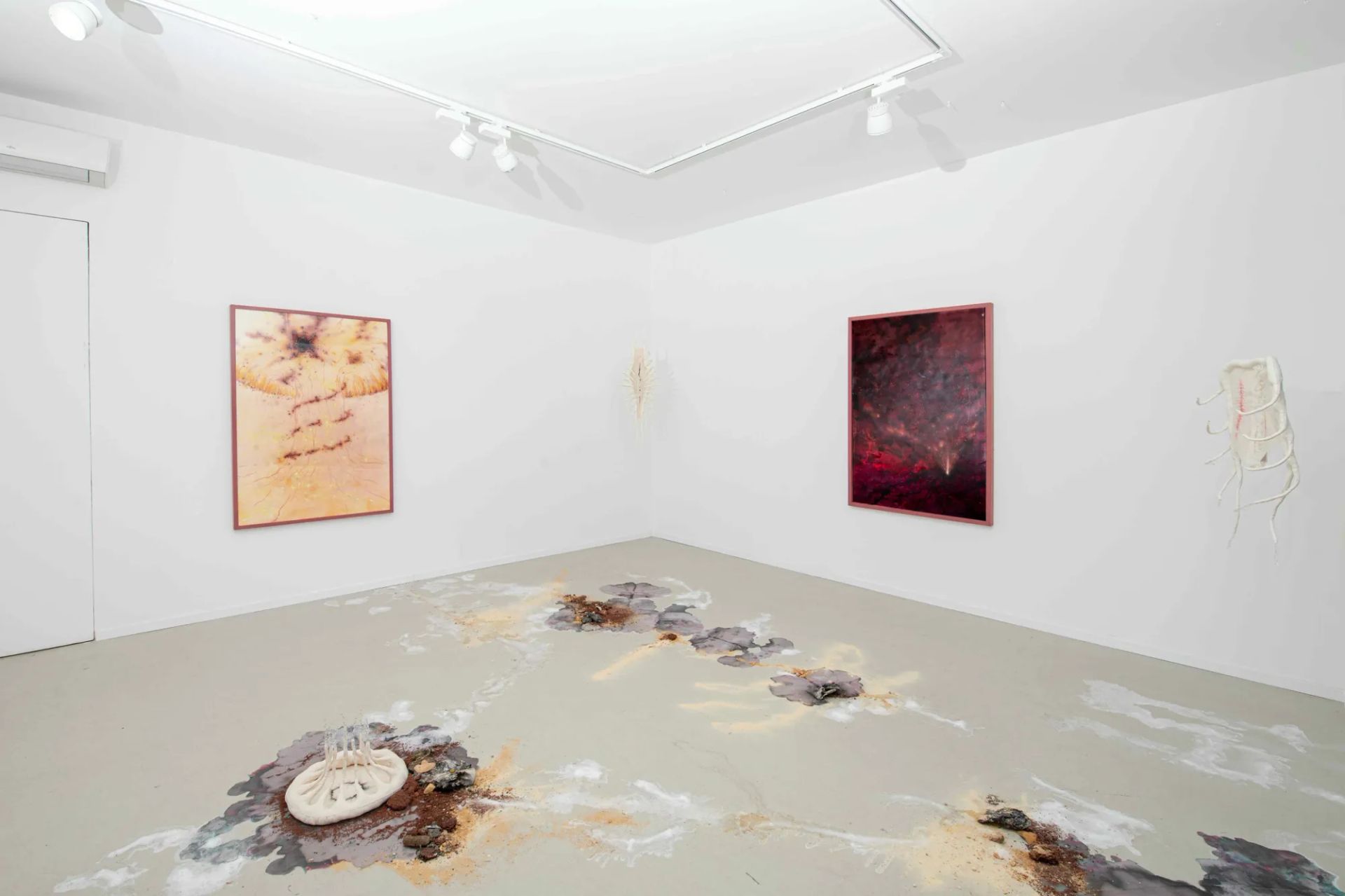
The exhibition investigates the trace-making processes of human presence, with particular attention to the material, sensory, and spatial relationships in which presence emerges not as a fixed imprint but as an ongoing, relational phenomenon.
In this context, the “trace” is not a residue or evidence but rather an event: a dynamic interplay between bodies, materials, environmental systems, and temporal layers.
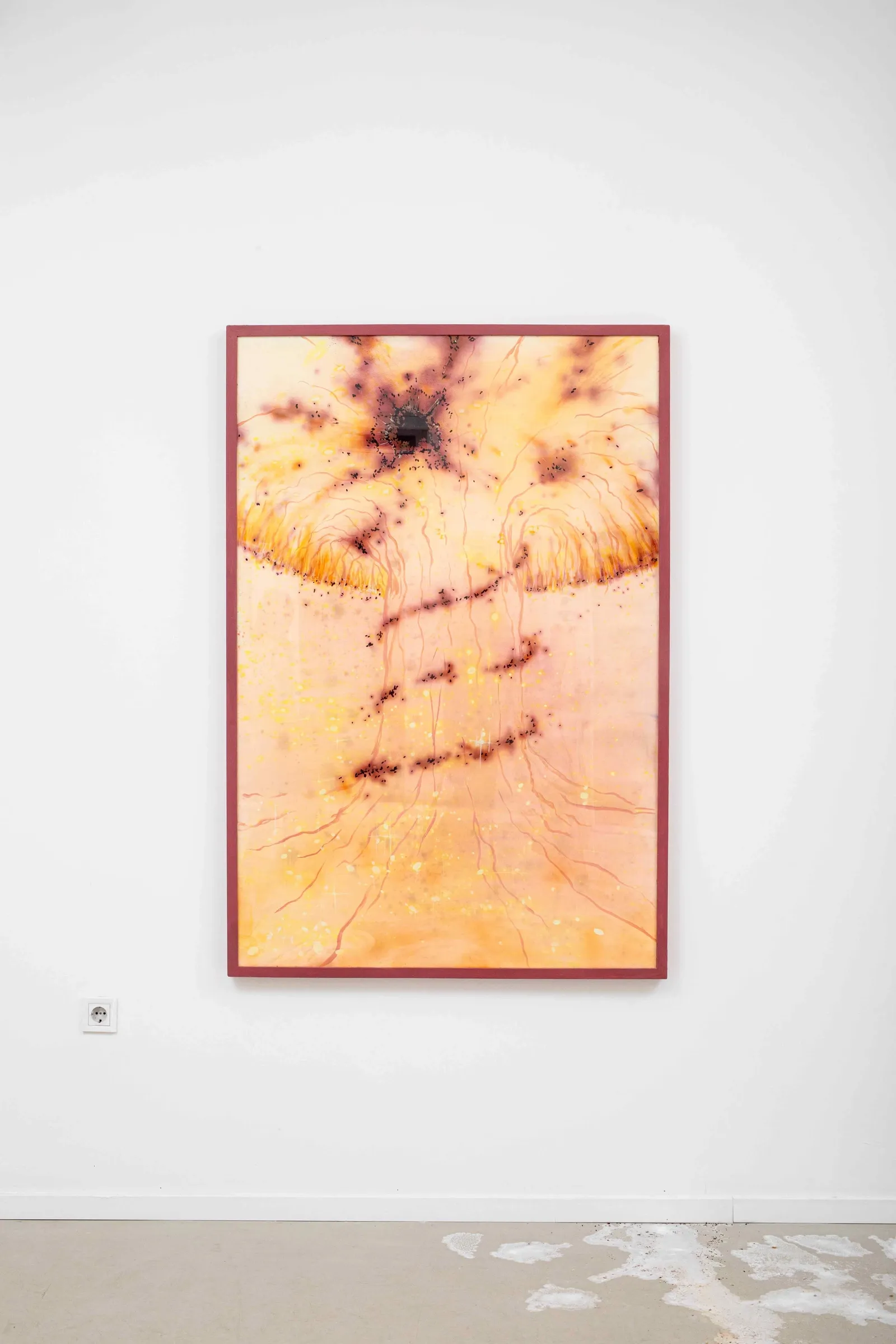
The concept shifts away from narratives of representation and anthropocentric control, reinterpreting trace-making through the lenses of vulnerability, attention, and care.
Human presence appears not as a dominating intervention but as an interaction that both shapes and is shaped by its environment. The trace is not a closed state but an ongoing process, in which presence and absence, the visible and the invisible, are in constant negotiation.
The exhibition features Csatlós Asztrid and Metzing Eszter, who approach the subject from unique yet complementary perspectives. Both practices are material-centered and research-driven, treating materials not as mere carrier but as active agent in meaning-making. Their works question the relational structures between materials and media, as well as conventional notions of formal stability and closure.
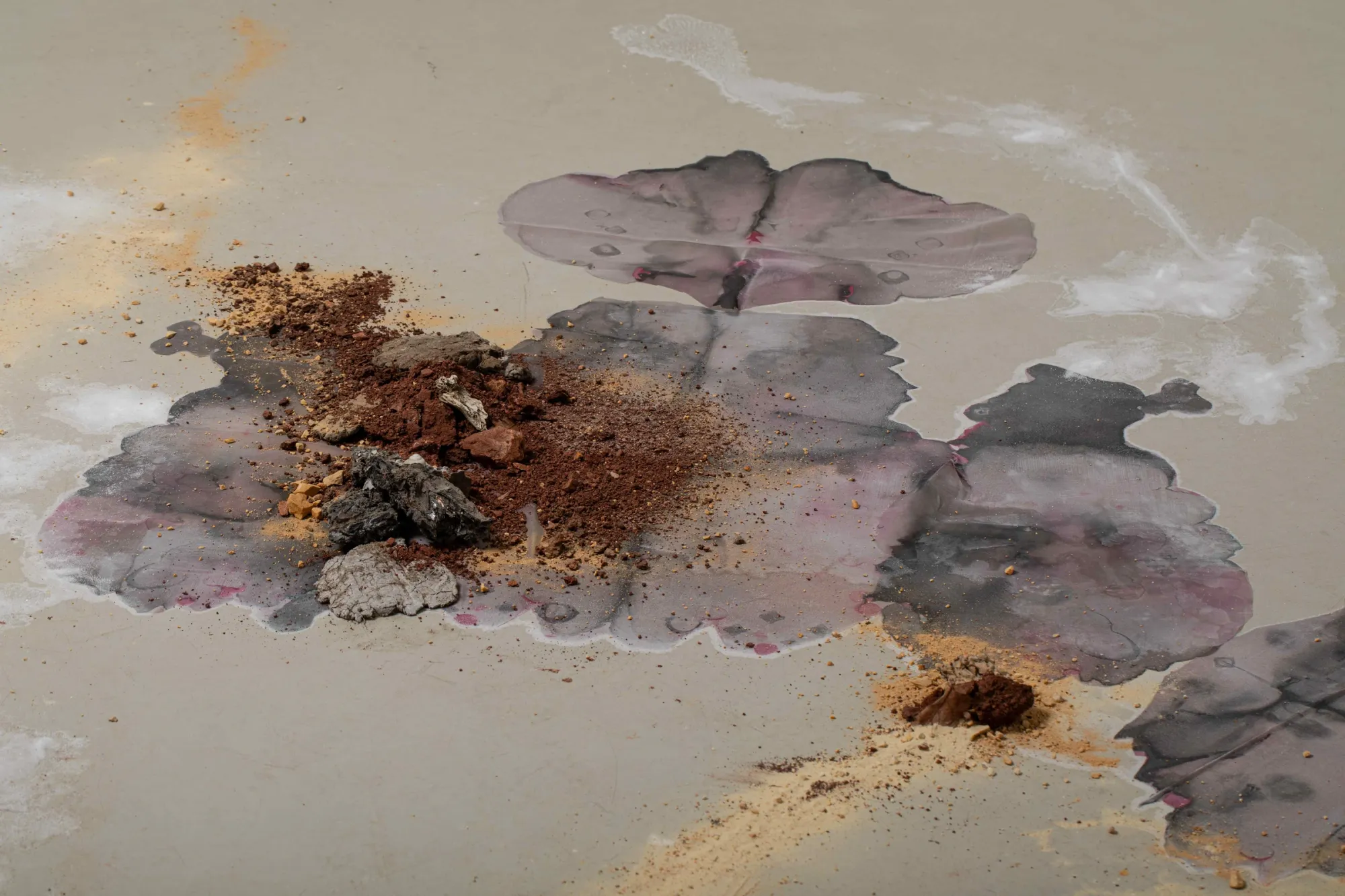
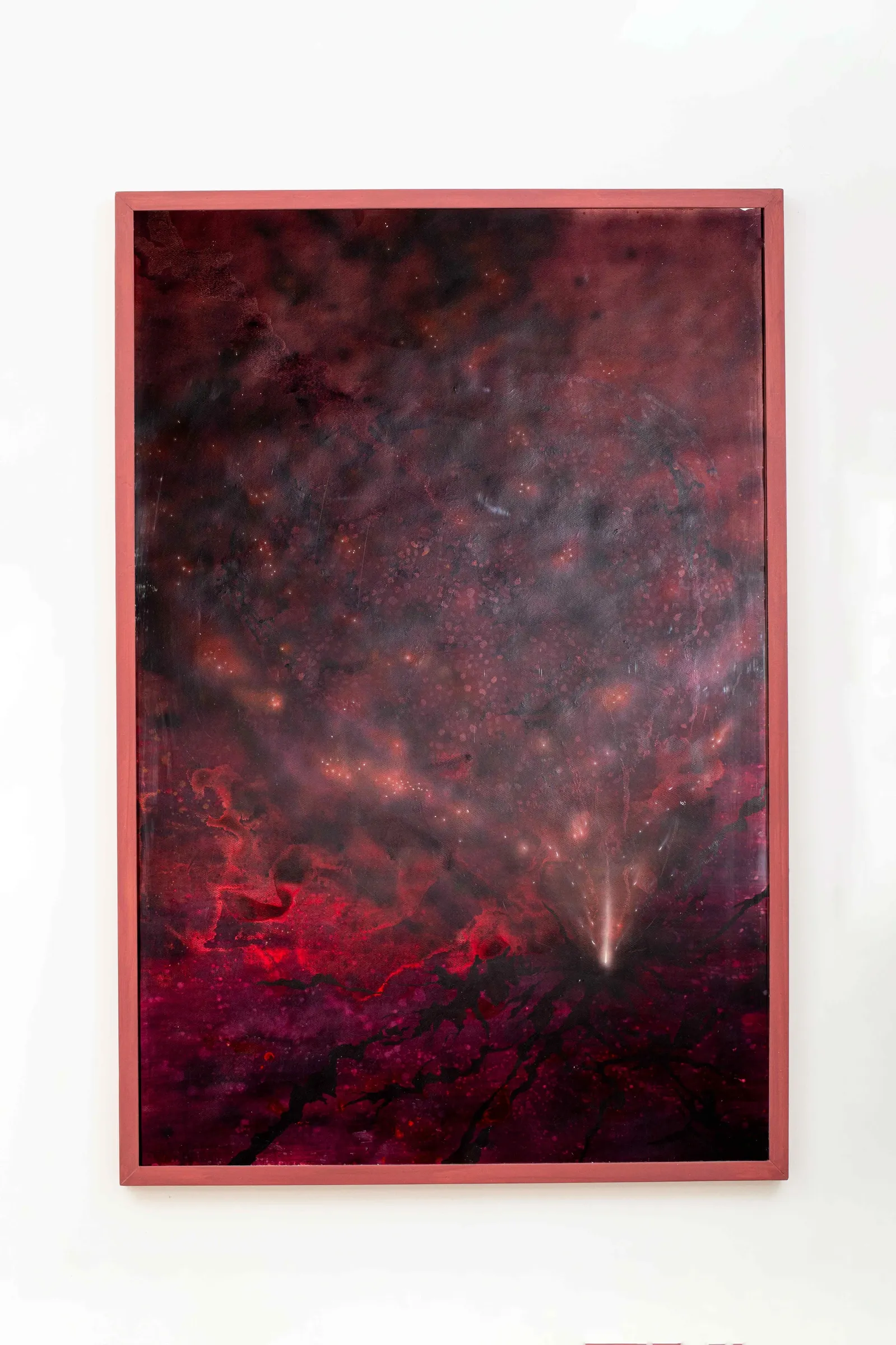
Csatlós Asztrid’s installations function as visual and spatial systems that explore questions of autonomy, transformation, and temporality. Integrating painterly elements, layered object formations, and audio-visual components, she creates complex environments situated at the threshold of fiction, speculative thought, and physical experience.
Her use of materials, particularly biodegradable and recycled elements, is incorporated structurally rather than illustratively, emphasizing the mutual processes of transformation between humans and their environment.
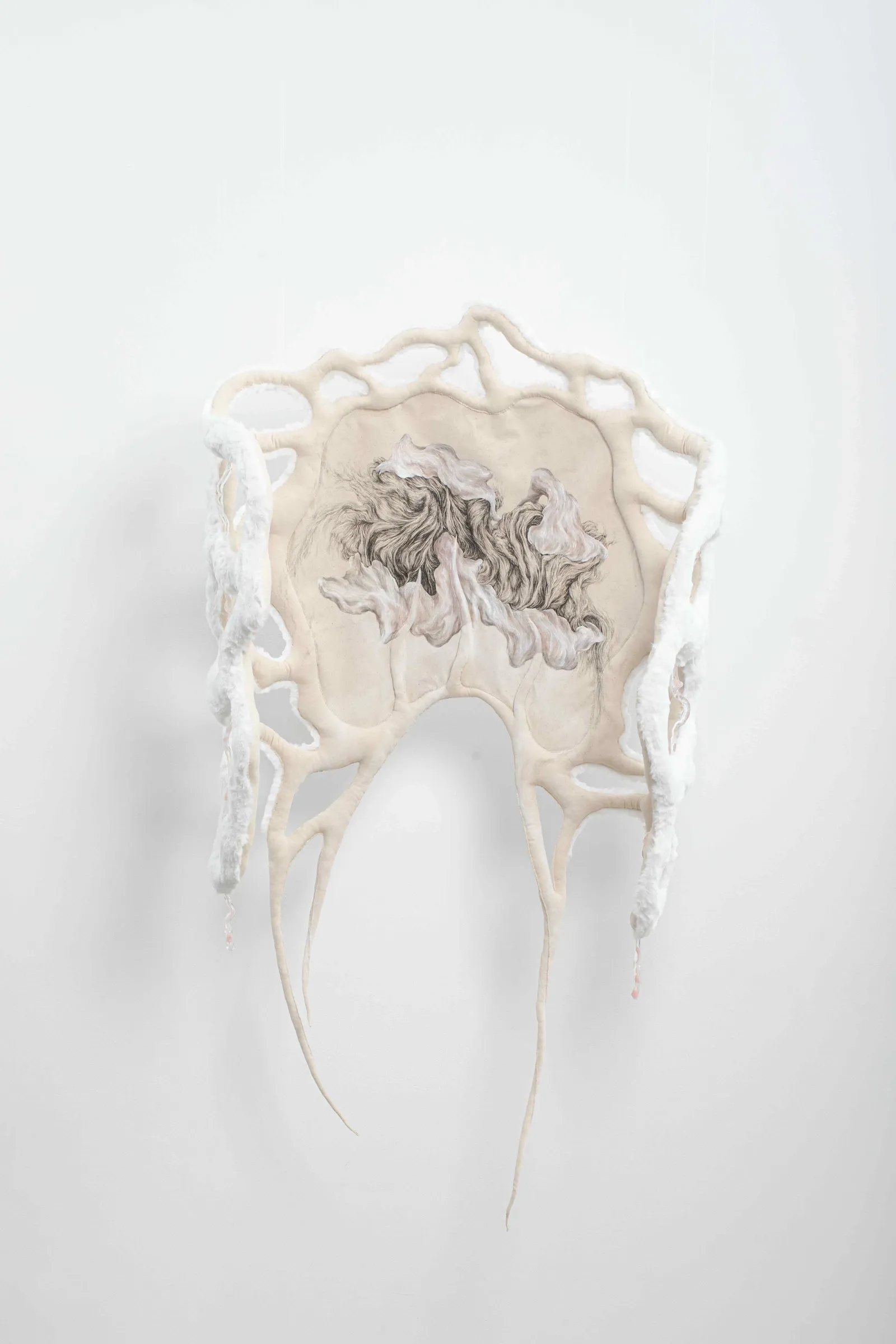
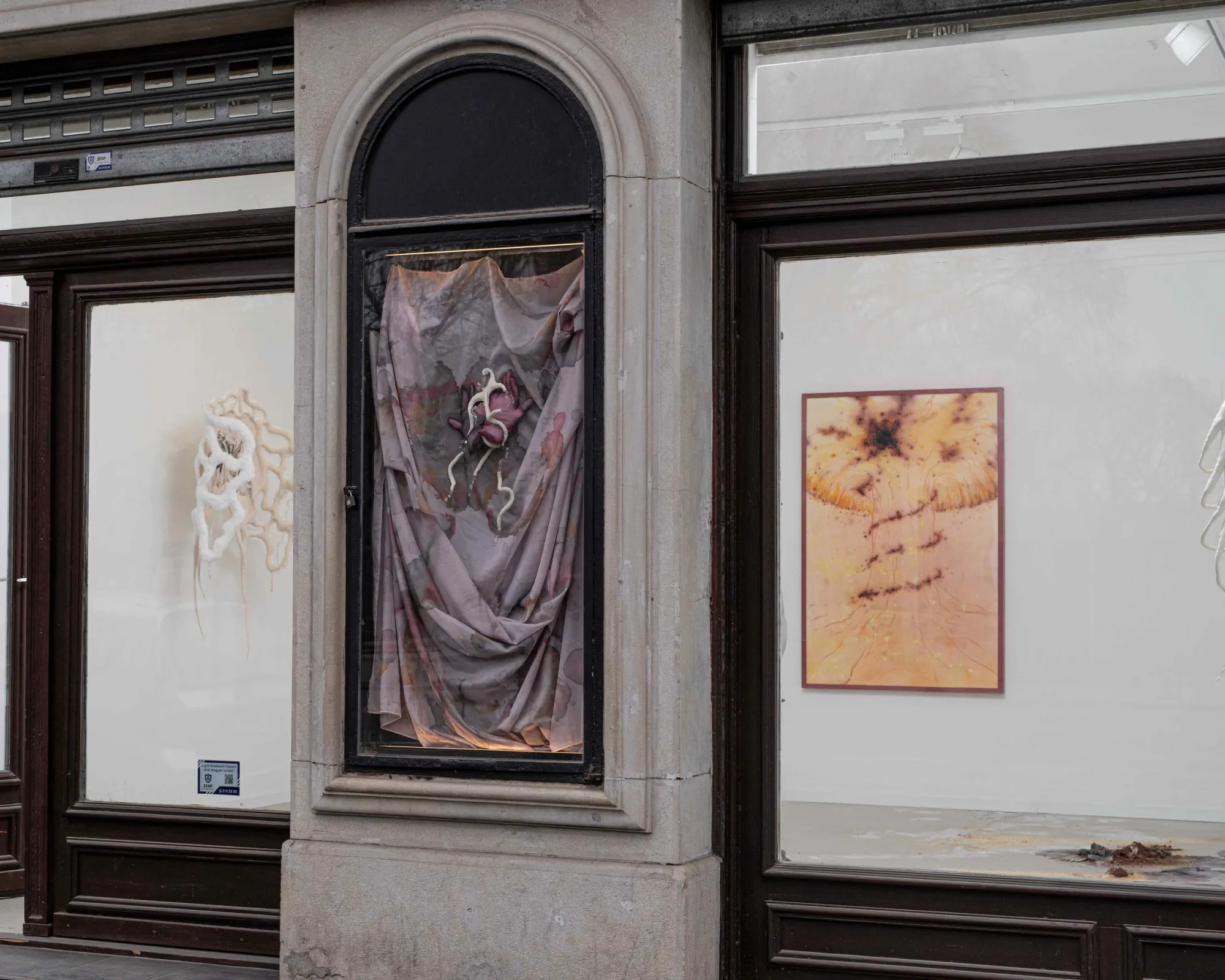
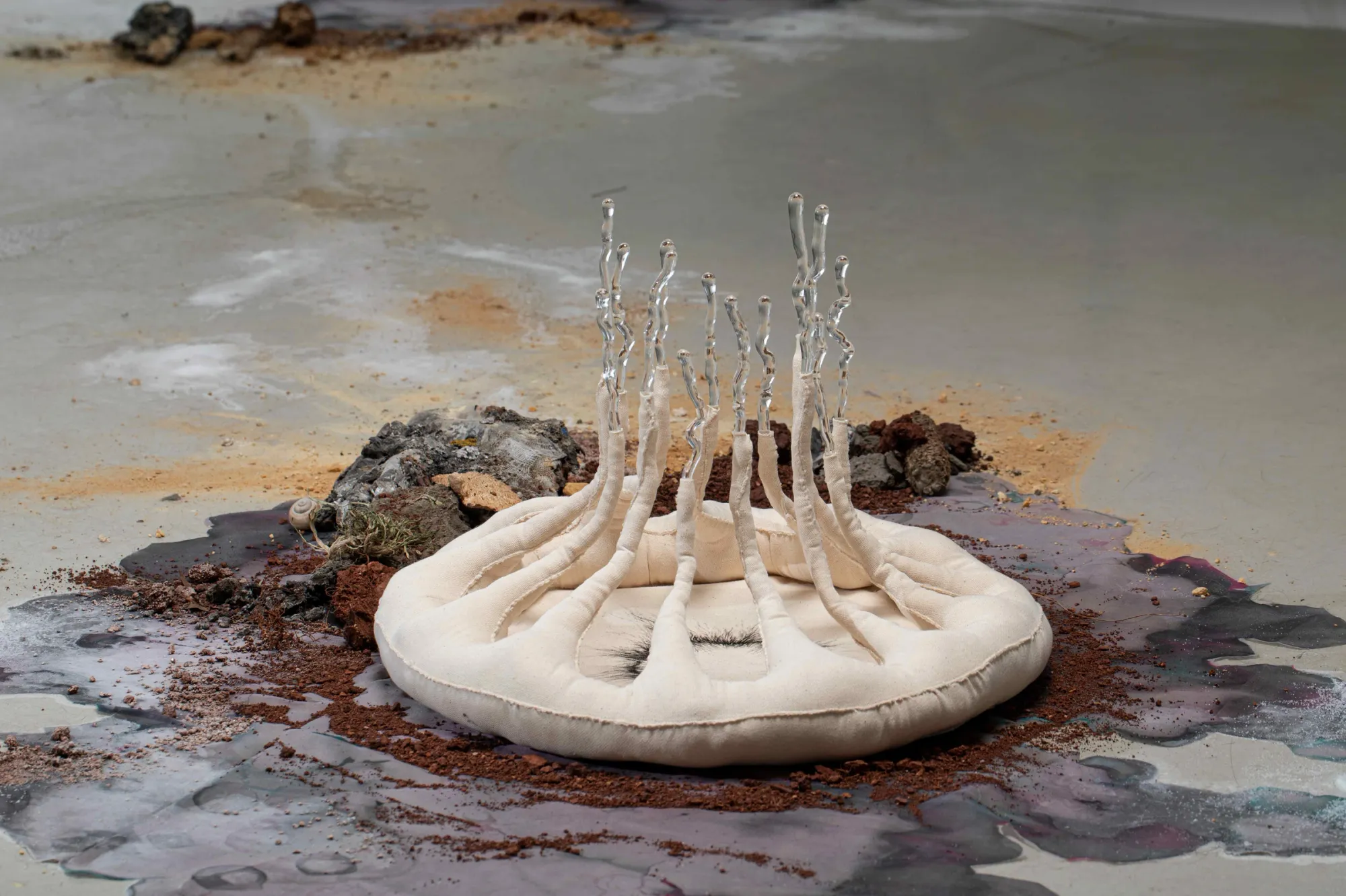
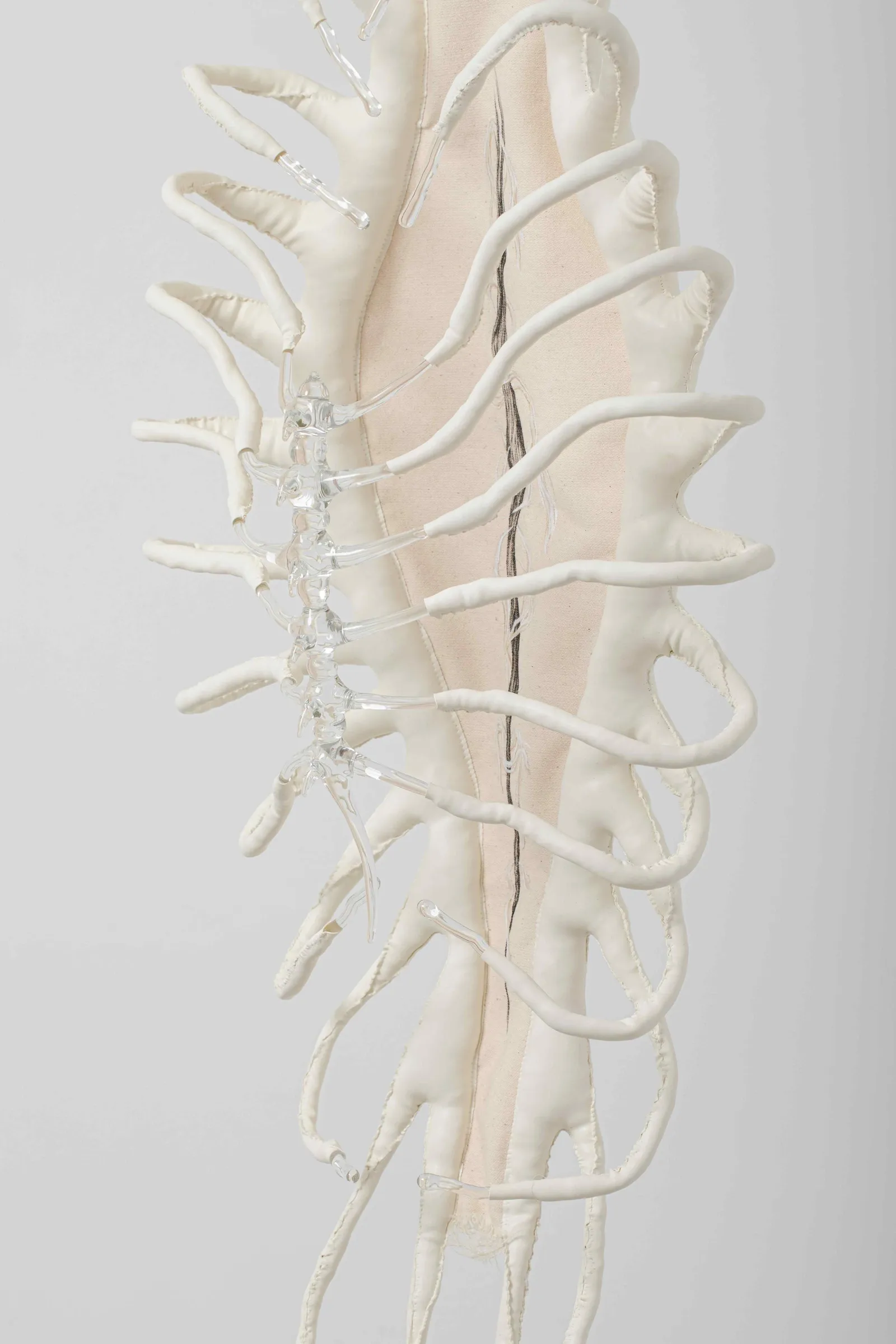
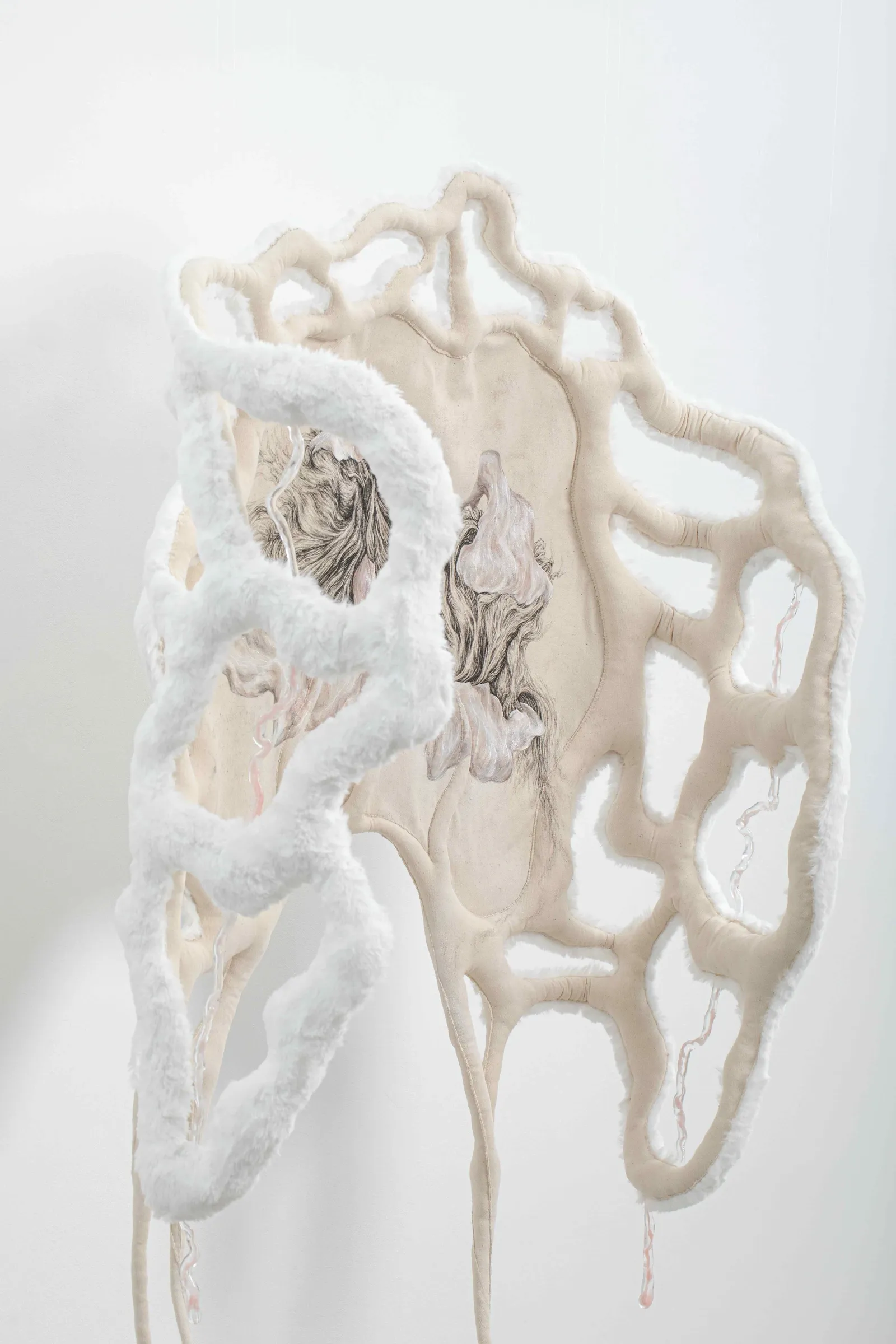
Metzing Eszter’s work examines perception, memory, and corporeality through intimate and sensitive material relations. Employing textiles, latex, and glass, she constructs fragile, layered structures that become sites for exploring psychological states, bodily experience, and the instability of identity. Her practice places strong emphasis on tradition of craft and generational memory, not as nostalgic reference but as ongoing reconfigurations of remembrance and selfhood.
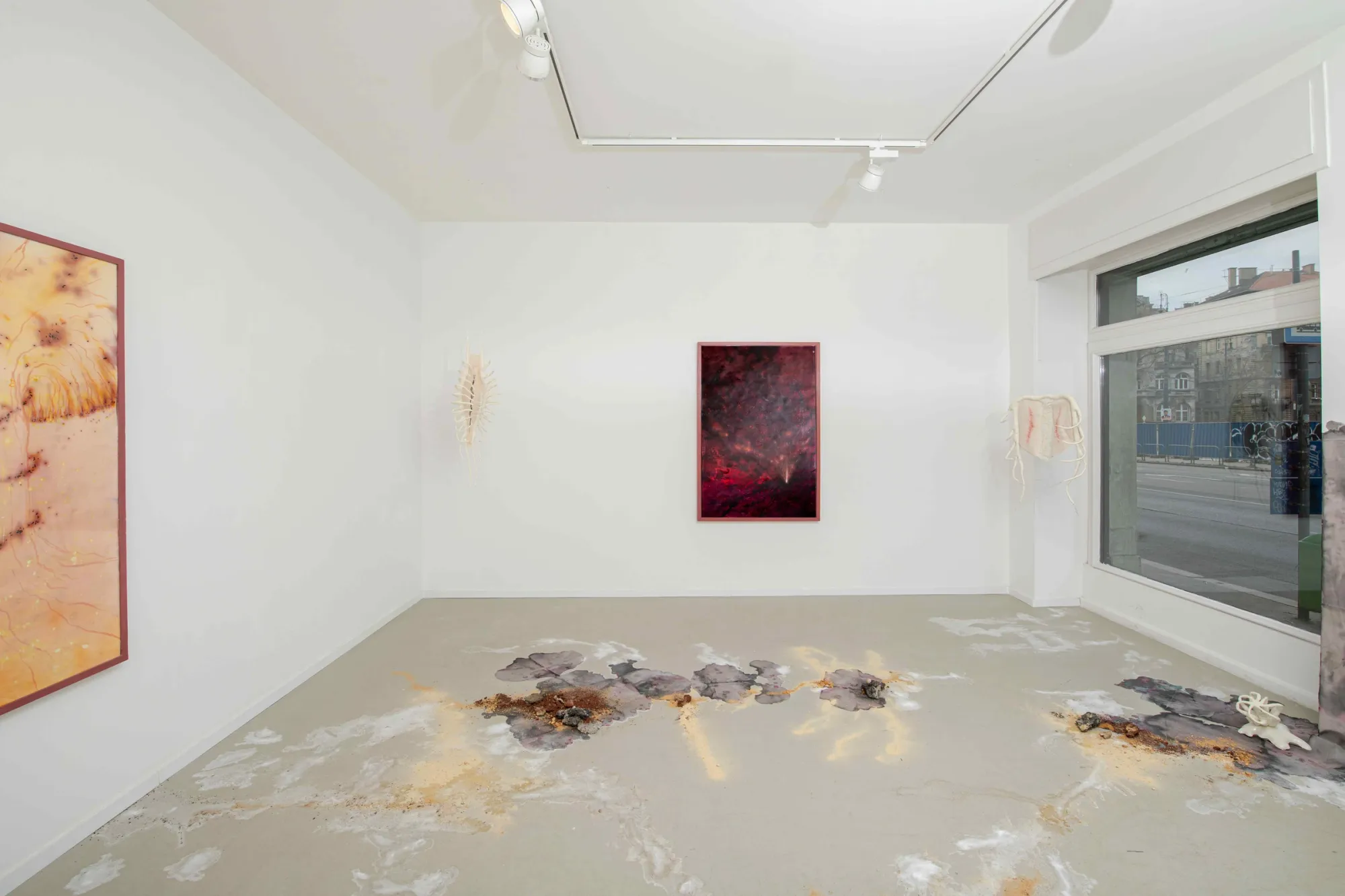
The spatial dramaturgy of the exhibition is structured around a dialogue between the two artistic approaches. Csatlós’s systemic, speculative thinking is juxtaposed with Metzing’s intimate, embodied, and fragmented perspective. This juxtaposition does not aim for synthesis but generates a productive tension in which the concept of the trace can be experienced across multiple scales and sensory registers.
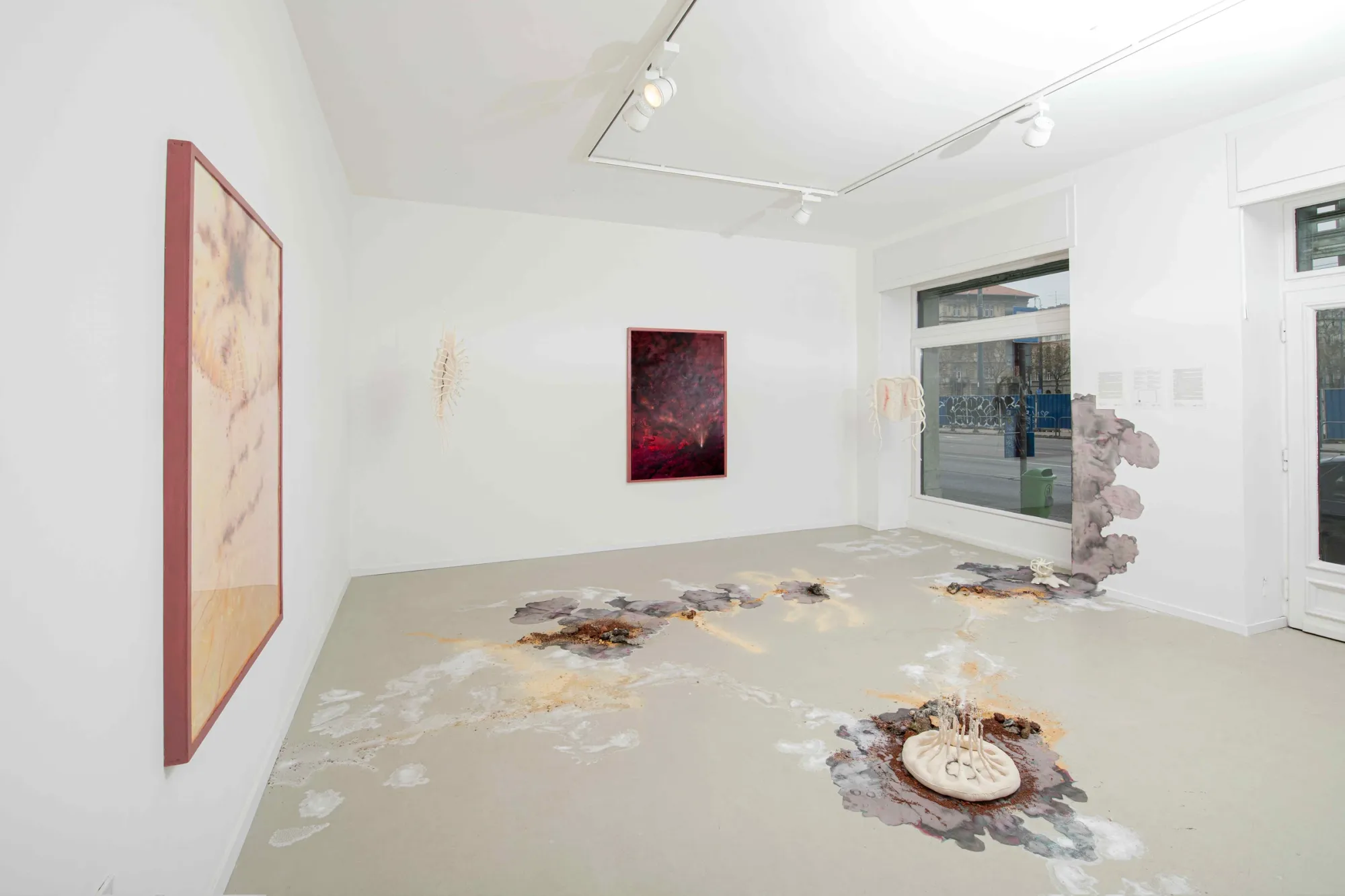
The exhibition creates a space of encounter in which trace-making is reinterpreted not as a gesture of domination or control but as an ethical and material responsibility.
The focus is not on narrative closure but on processes, transitions, and resonances, offering viewers the opportunity to experience presence as a continuously evolving relational condition.
Bettina Bence
Instagram Liget Gallery
Asztrid Csatlos on Instagram
Eszter Metzing on Instagram
About Catapult
This is a exhibition review published by Catapult — an independent editorial platform for contemporary art, based in Vienna. We publish exhibition reviews, artist features, interviews, and critical context, with a focus on emerging and mid-career practices from Europe and beyond.
catapult.art
Want to be featured? Submit your work →