Can Art Stop a Mine? - Andreas R. Andersson Interview
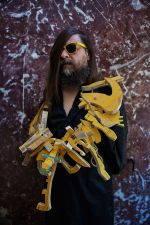
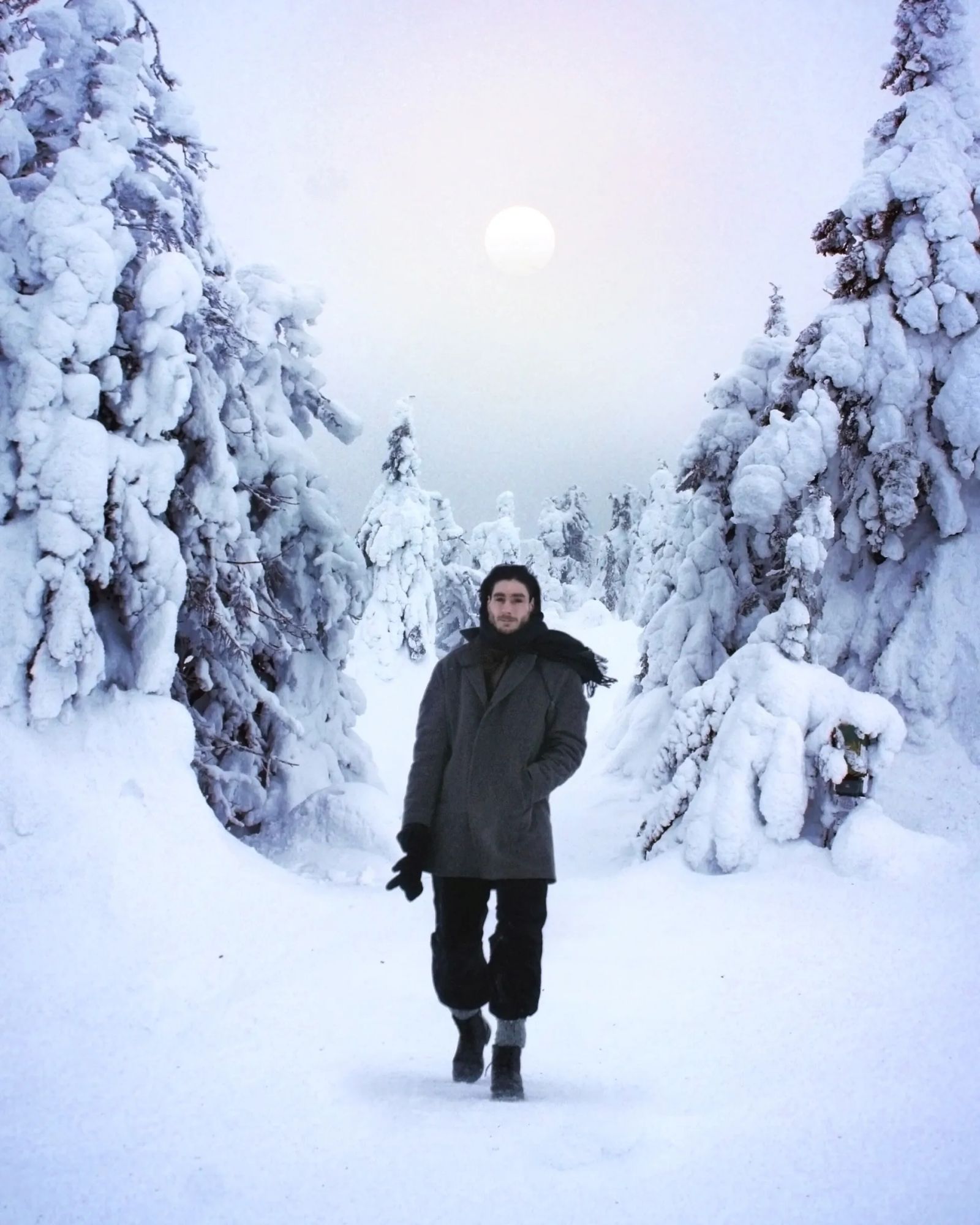
Arvidsjaur, Sápmi, Sweden
1982
Installation, Sculpture, Site-Specific Practice
Royal Academy of Fine Arts, Stockholm; Valand Academy, Gothenburg; Konstfack, Stockholm
Symptoms of a Blown Head Gasket, International Gallery of Contemporary Art, Anchorage, US
On Fresh Soil, W139, Amsterdam
The choreography of change, Konstmuseet i Norr, Kiruna
Courtesy the Artist
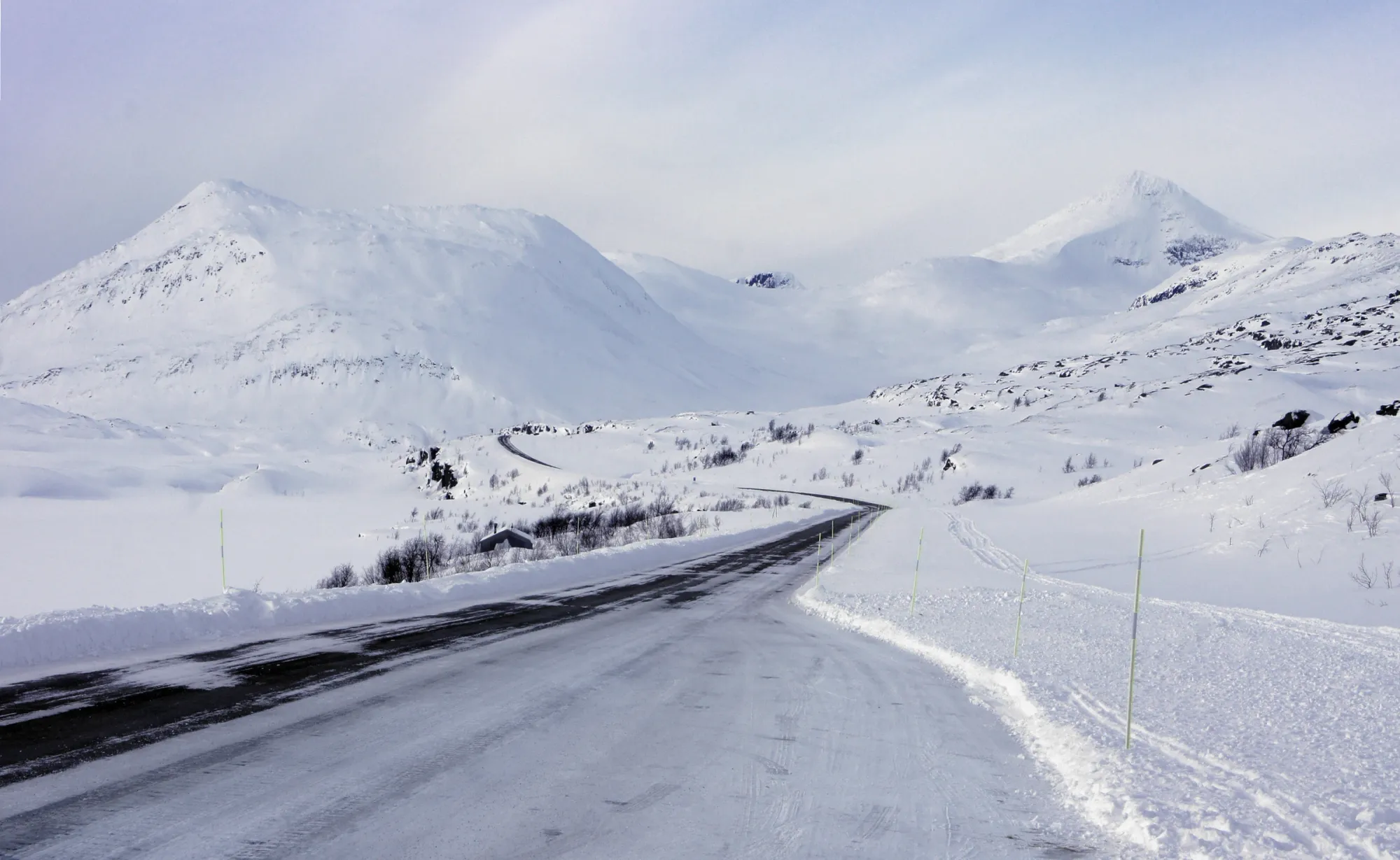
Andreas R Andersson, Arvidsjaur, Installation and Site-Specific Practice
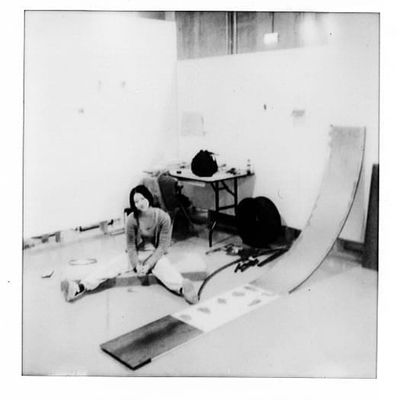
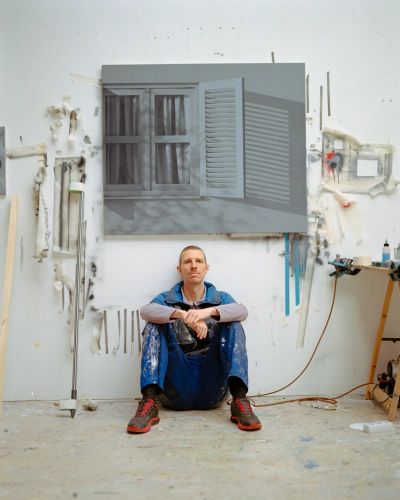
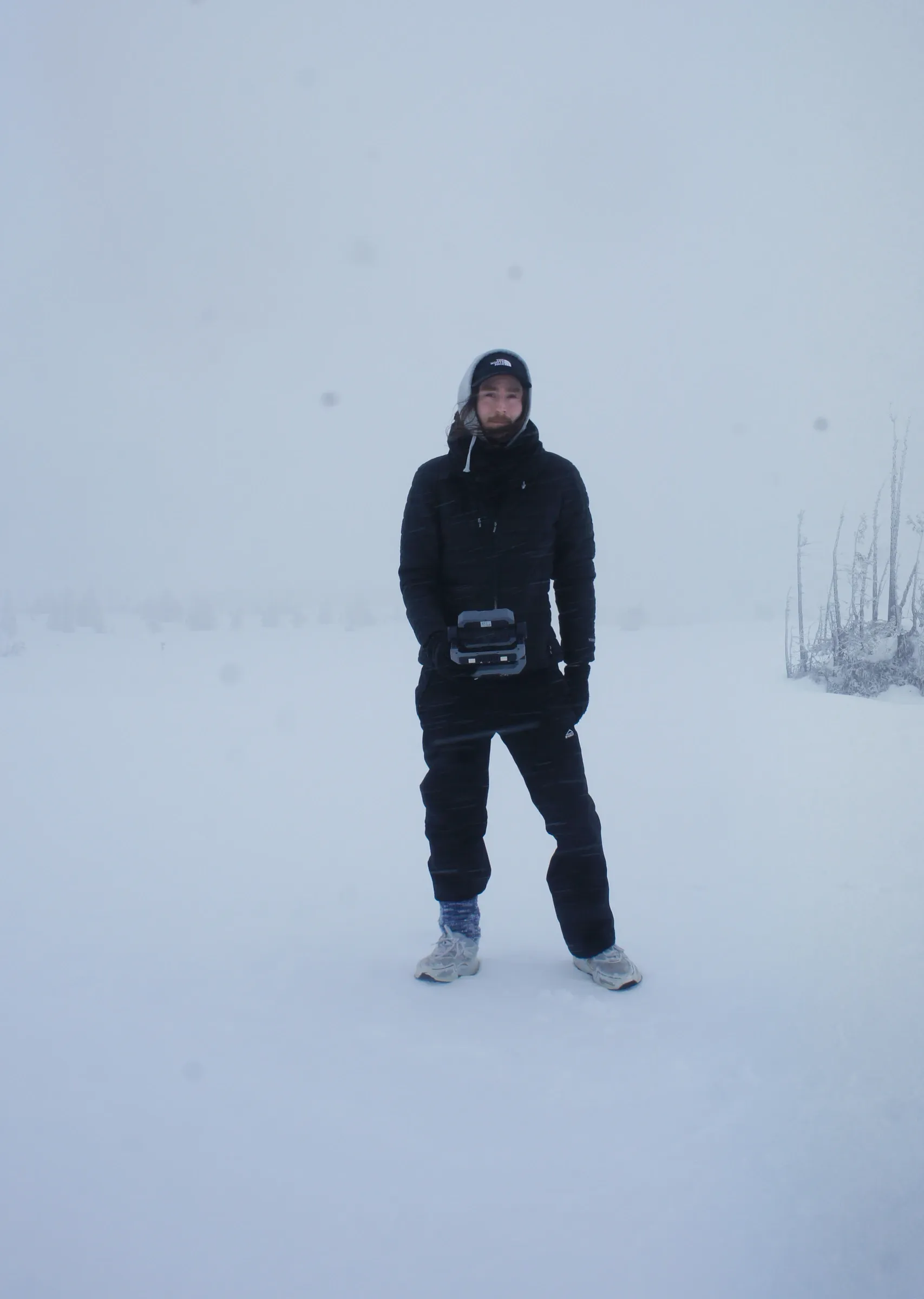
The studio does not exist. Or rather, it exists wherever Andersson happens to be working, a deep forest, a mountain summit, under the northern lights.
Based in Arvidsjaur, a village inside the Arctic Circle in Sápmi, Sweden, Andreas R Andersson builds large-scale installations assembled from materials found in remote environments: spent industrial objects, natural remnants, handcraft placed in deliberate tension with mass production.
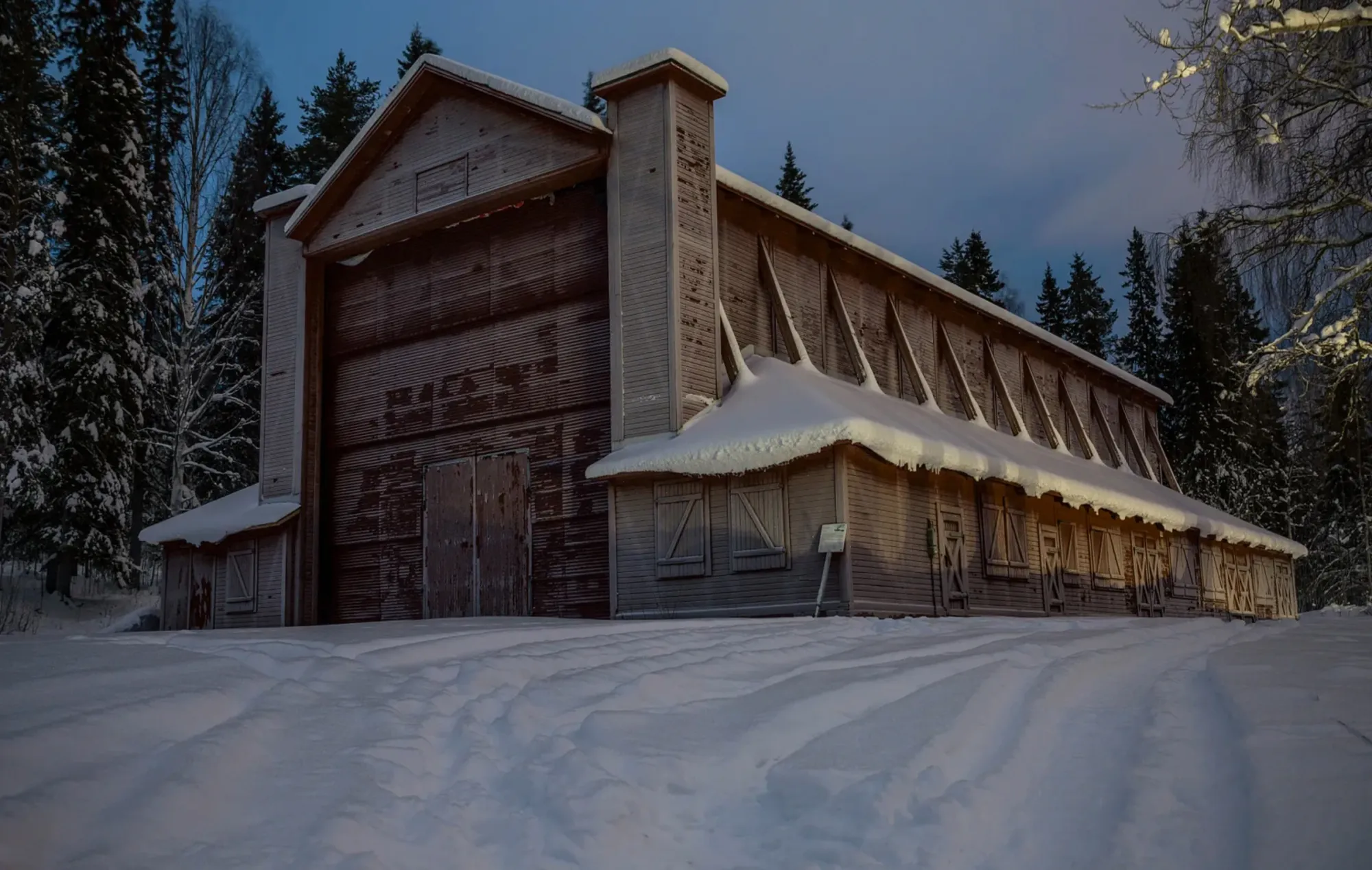
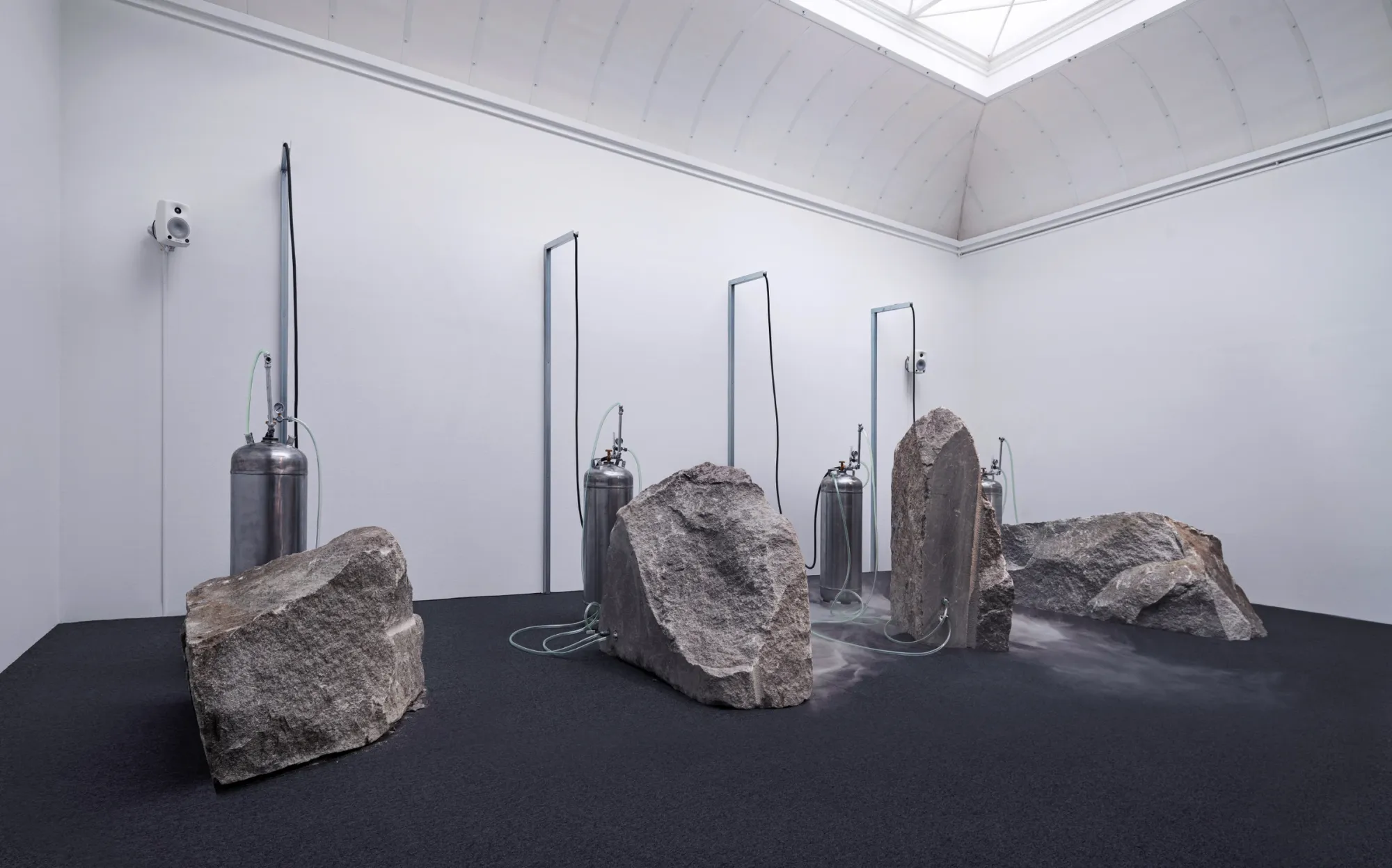
His practice has taken him from Johannesburg to Anchorage to Amsterdam, yet the work stays rooted in the specifics of the North, its militarization, the slow ruin of its landscapes, the political and existential weight of Sápmi.
"Of course, I doubt everything, my art, myself, and the world around me. But I've come to see that doubt isn't something that weakens the work; it's what keeps it alive.
If art only aimed to provide clear answers, it might stop asking questions and for me, that's where its power lies!" - Andreas R Andersson
He has been here for almost ten years. The stillness, he says, carries a force that is difficult to find elsewhere.
Interview with Andreas R Andersson
1.You live in Arvidsjaur, close to the Arctic Circle. Is that a political decision, a practical one, or both?
I’ve moved around most of my life, and after many years in larger cities and working abroad, I felt a need to step away.
I was offered a place to stay in Arvidsjaur and thought it would be a temporary break.
Almost ten years later, I’m still here and I can’t imagine myself living anywhere else. It’s an incredible place to work as an artist. The landscape, the people, and the stillness carry a force that is difficult to find elsewhere.
2.What do you see from your studio, and what of that enters the work without you planning it?
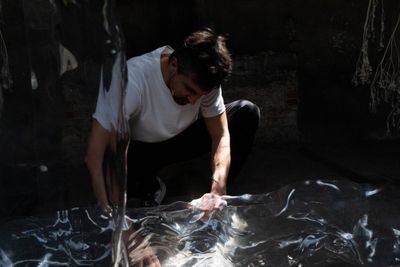
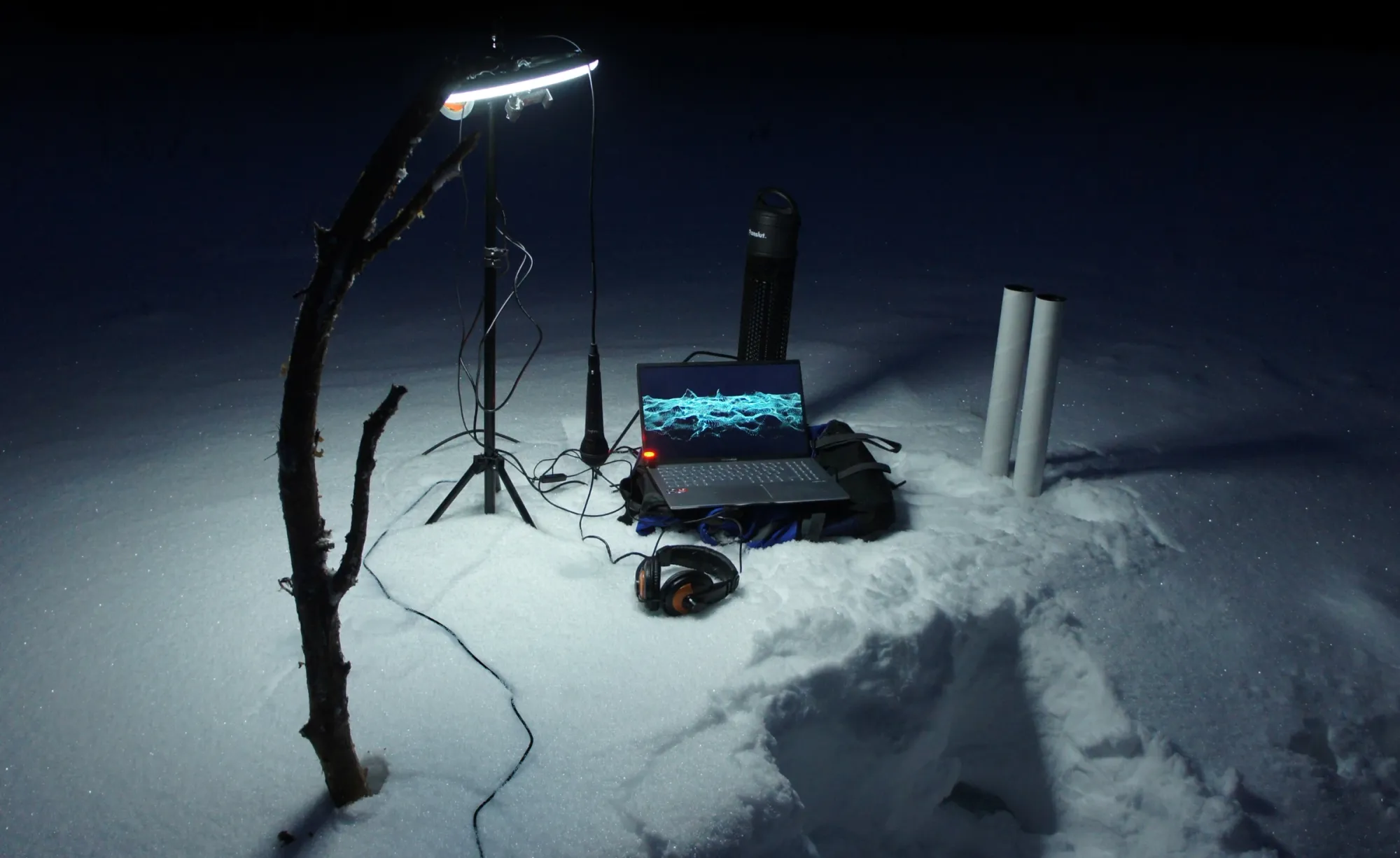
I live in a small one-room apartment and I don’t have access to a studio, so most of my work happens outside. So what I see varies a lot, it can be a deep forest, a mountain top, or under the stars and the northern lights.
These conditions shape both how I work and what the work becomes. The environment affects the pace, the decisions, and what is even possible to do.
It sets limits, but it also opens things up. It makes me slower, more attentive, and that becomes a big part of the process.
3.Your materials often come from somewhere found, used, spent. What does found material carry into your work that something new cannot?
The material comes with a history of use, of time, of having been part of something else. Even when that history isn’t visible, it’s still there. Working in the north, that becomes even more apparent.
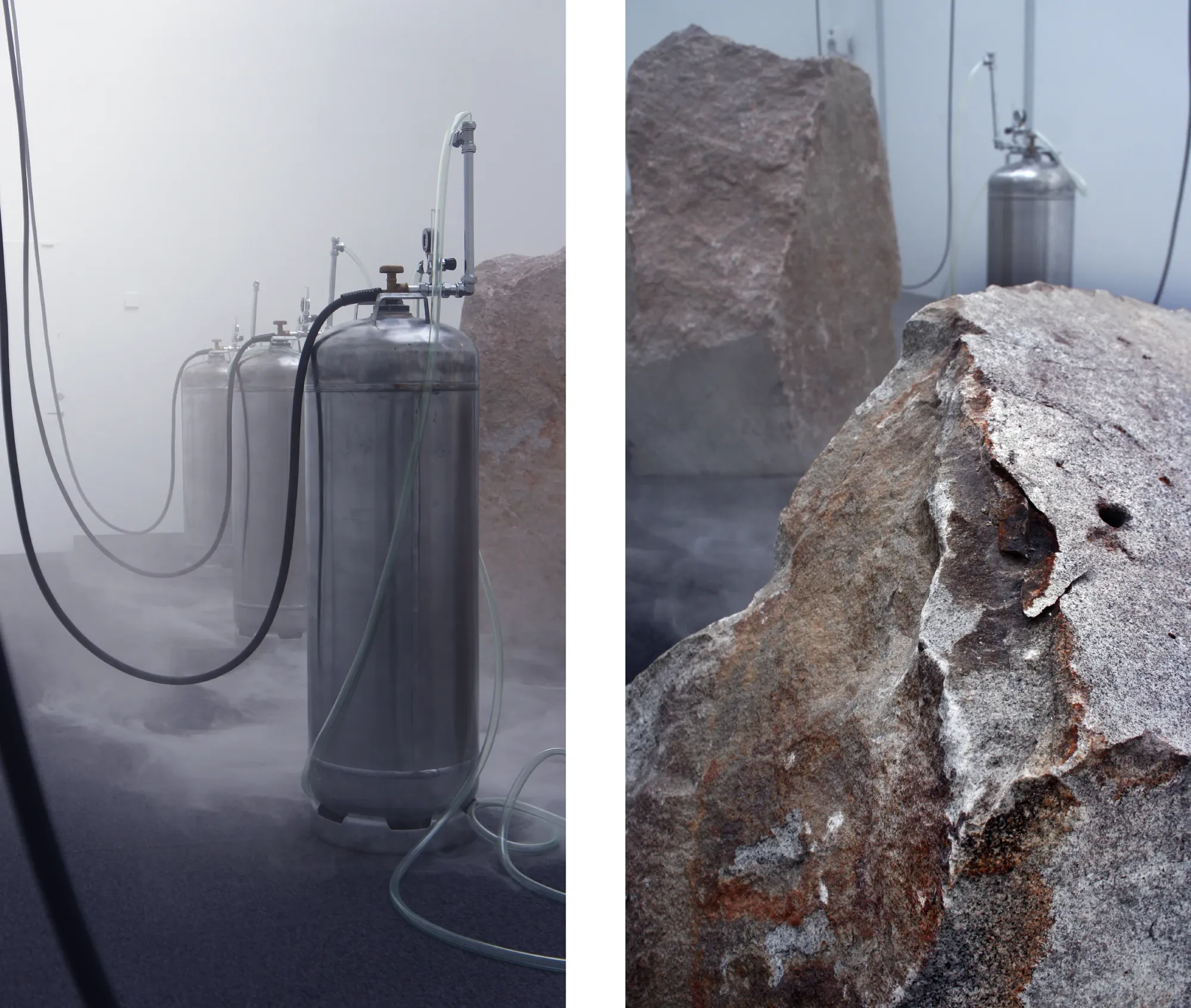
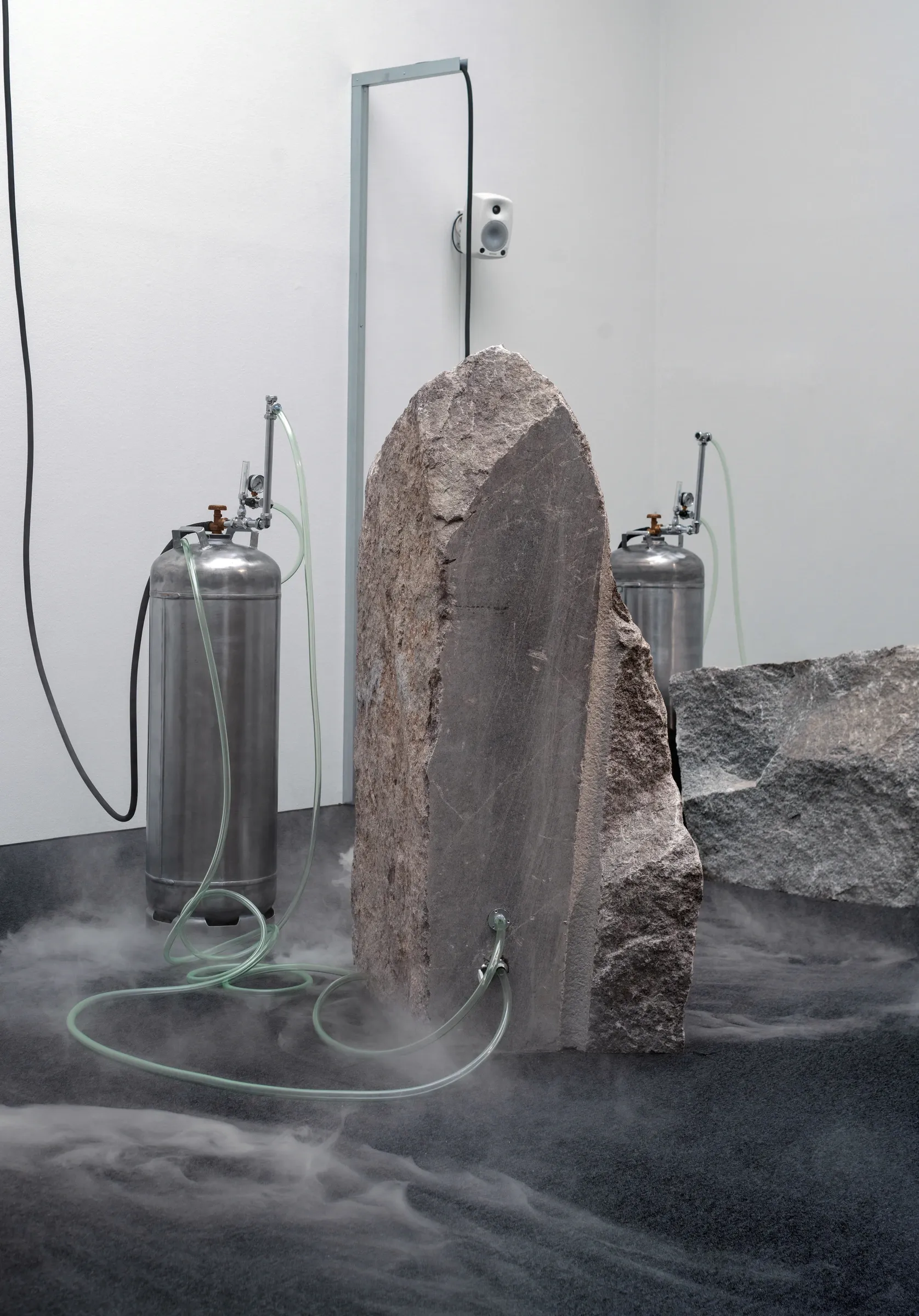
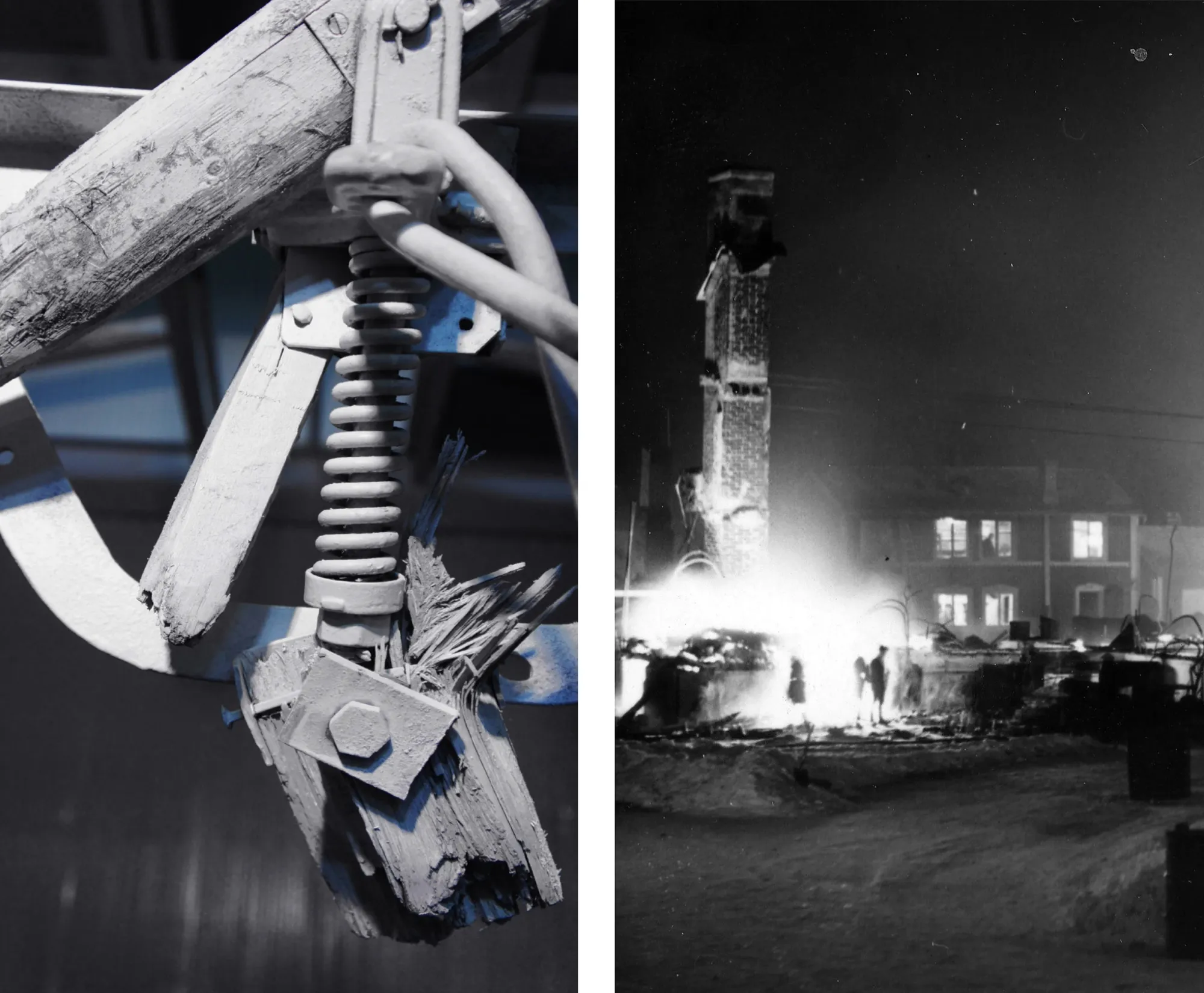
The conditions shape what is left behind. The cold slows things down, but it also breaks things apart. So when I work I’m not starting from a blank surface.
I’m entering into something that already has its own history, its own life. It brings something into the work, a story that existed before me, and continues beyond me.
4."Violent sterile" is how your aesthetic is described. Burnt out colors, handcraft next to mass production. When is a work visually finished for you?
If something looks resolved too quickly, I start to distrust it. The surface can come together, but that doesn’t mean the work is done. For me, it’s more about when it stops asking for more, when adding or removing something would only make it quieter, or less precise.
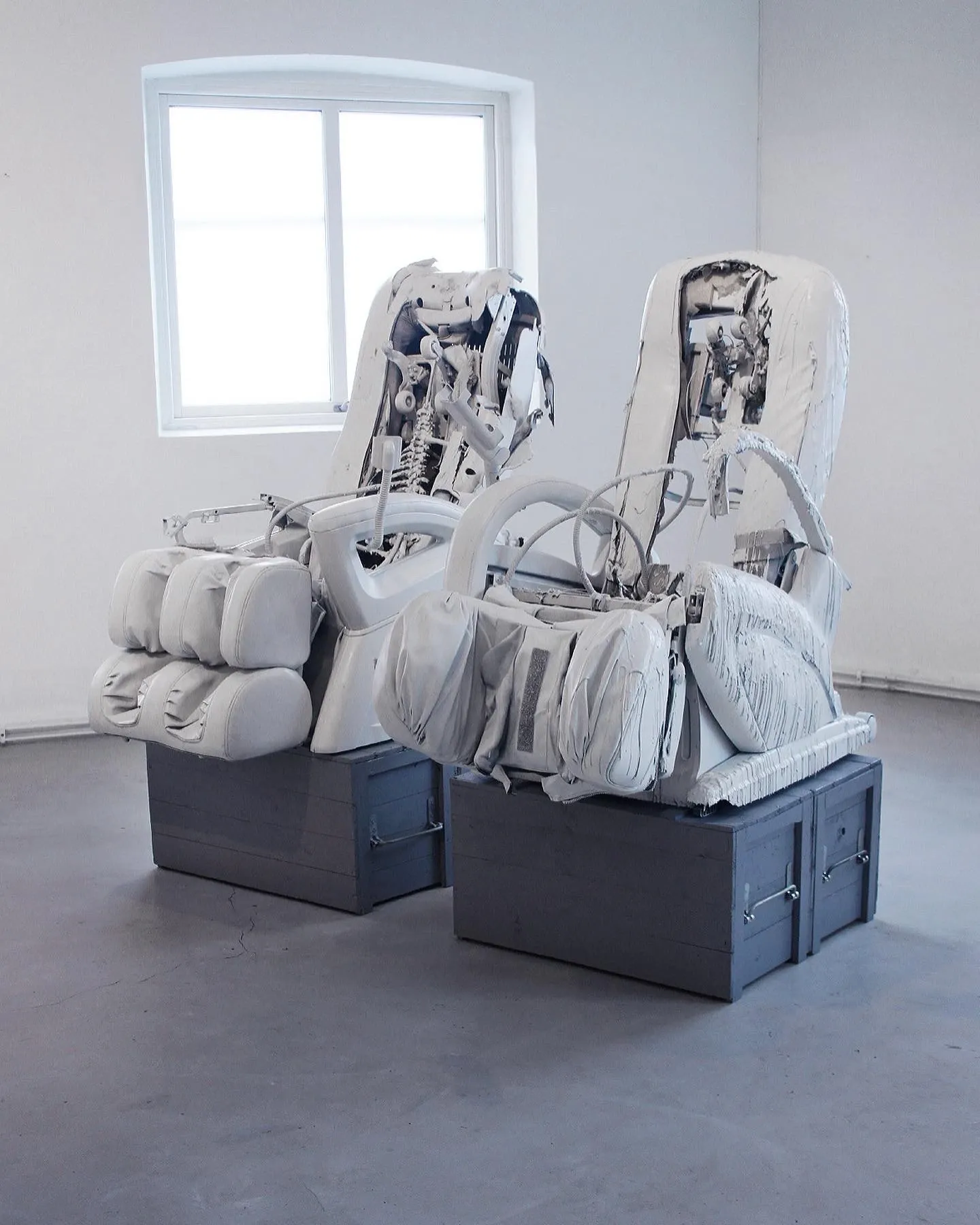
The contrast between the sterile and the violent, the handmade and the mass-produced is not something I try to balance perfectly.
It’s more about holding a tension. Often that point is hard to define. It’s less a decision and more a recognition. The work reaches a state where it can stand on its own, without me adjusting it further.
5. Indigenous rights, militarization, resource extraction. That sounds like activism. But you make art. Where is the boundary, and do you cross it deliberately?
My work doesn’t try to be a direct form of activism or advocacy. It moves through something more existential and personal.
It can hold uncertainty, discomfort, and complexity without resolving it.
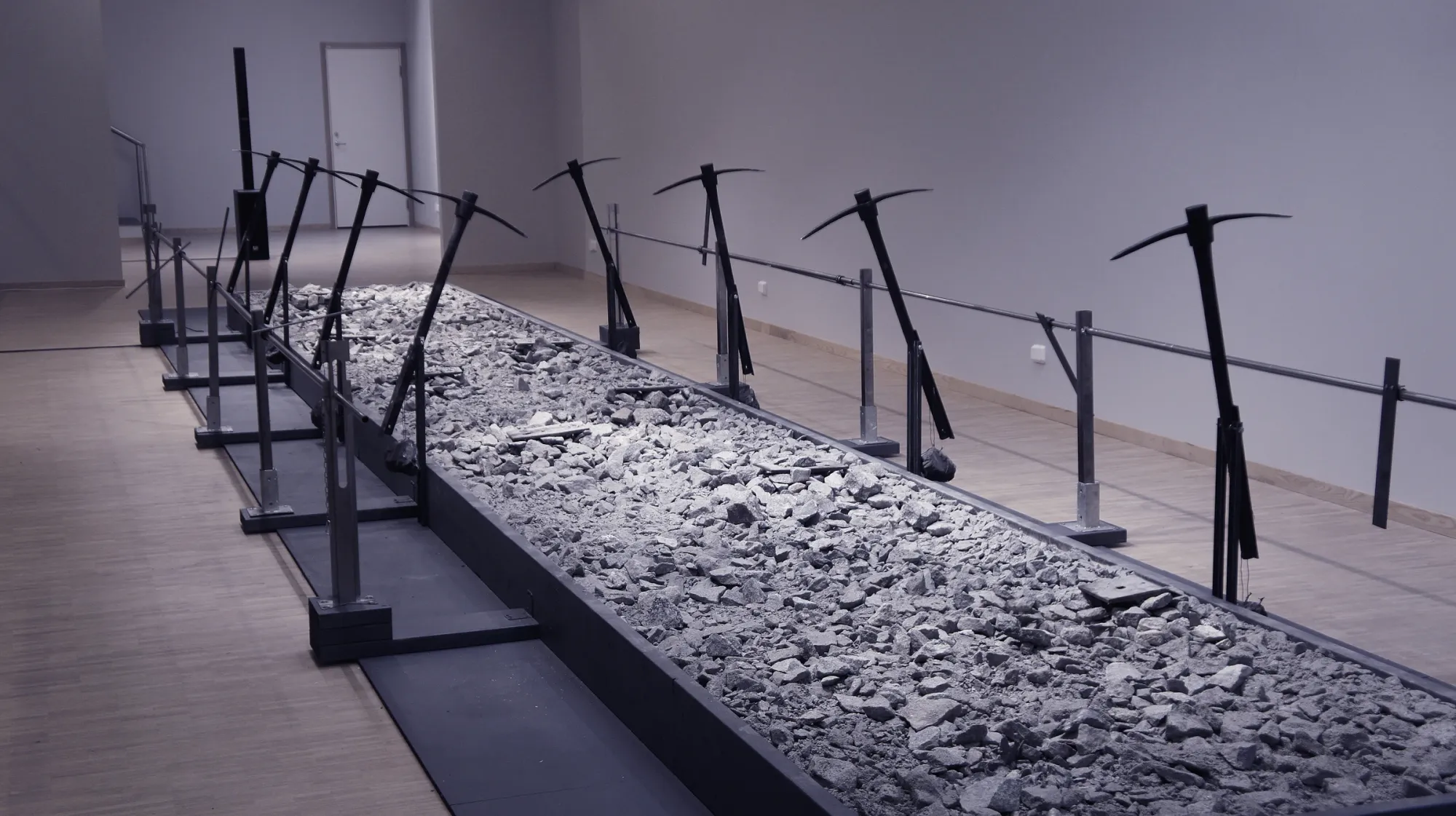
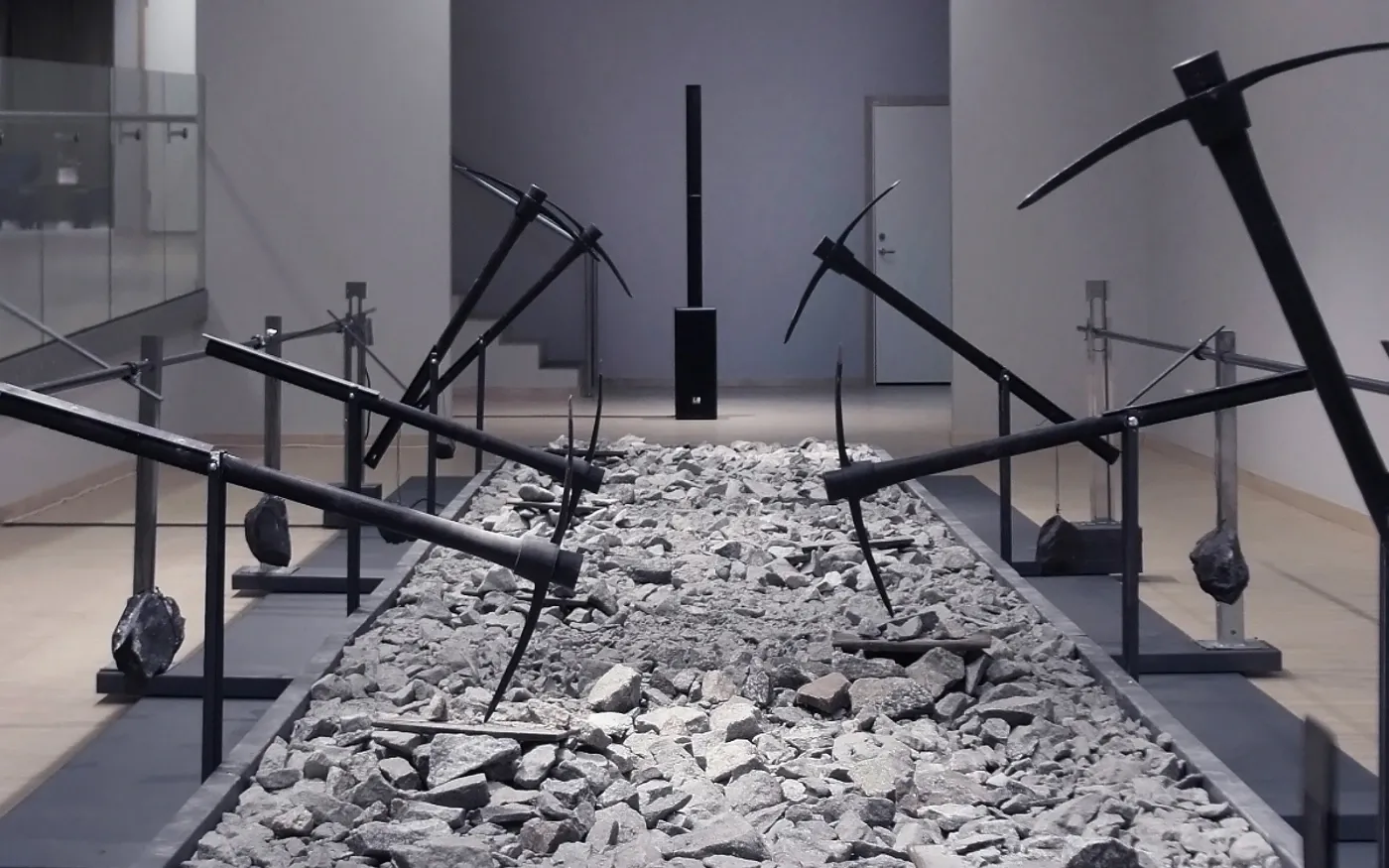
It doesn’t have to argue or convince, it can make something felt, even when it’s difficult to articulate.
For me, that’s important. Because these questions are not only political, they are also existential. They shape how we relate to the world, to each other, and to ourselves
6. How does Arctic light or darkness change the way you see a work while you are building it?
The Arctic light and darkness don’t just affect how I see the work, they become part of it because most of my work happens outside.
During the long dark winters, I work closer, more intuitively.
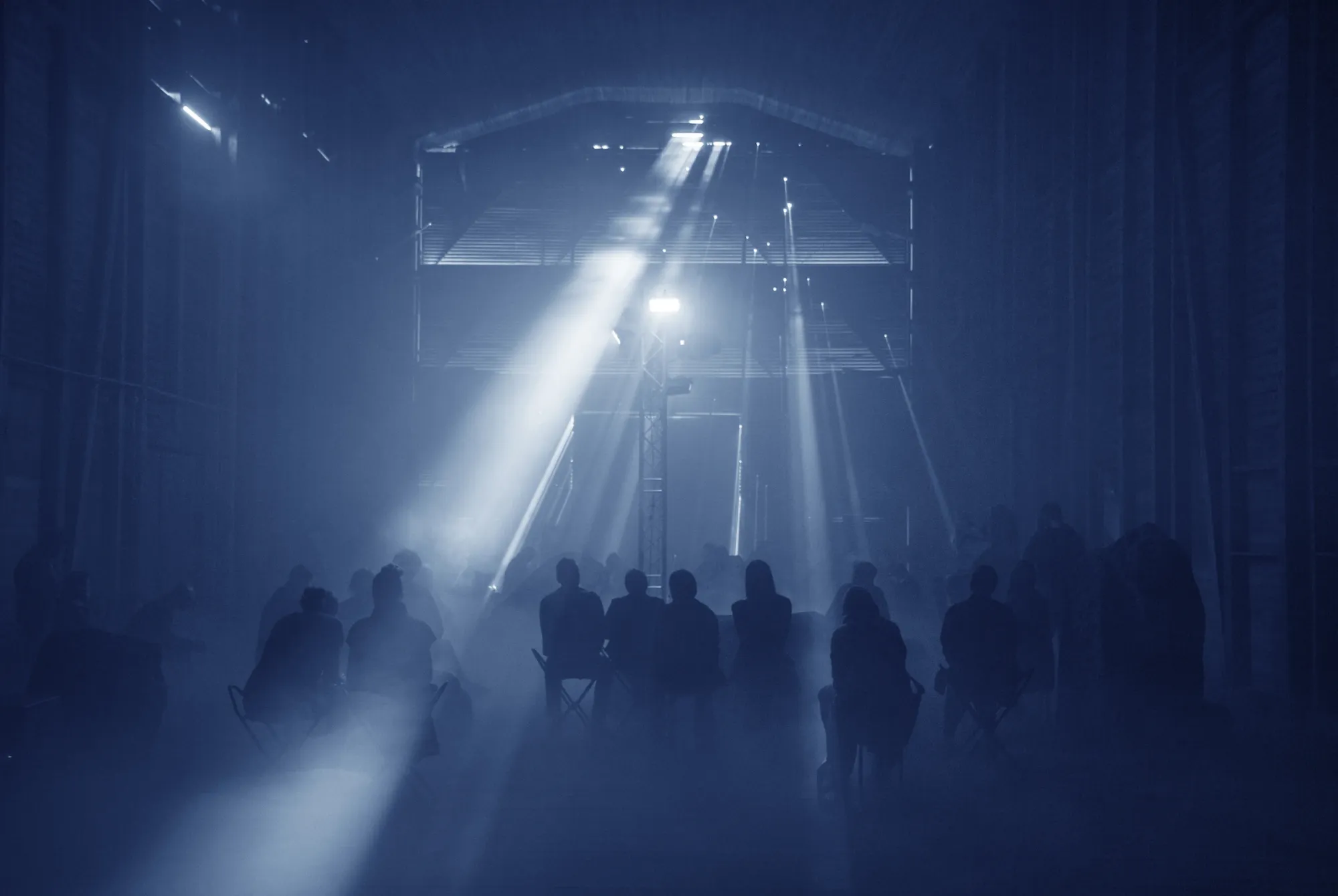
I can’t rely on a full overview, so the process becomes more about trust and a focus on details.
On the other hand, in the constant summer light, everything is exposed. Nothing disappears and that's when I usually finish my projects.
7. You work site specifically, but you show in Kunming, Vienna, Alaska. What happens to a work when the place it was made for does not travel with it?
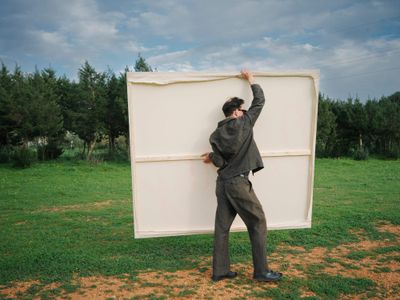
That is an important question. I see my work as something temporary. If it’s made with materials from the local environment, I return them and restore the site.
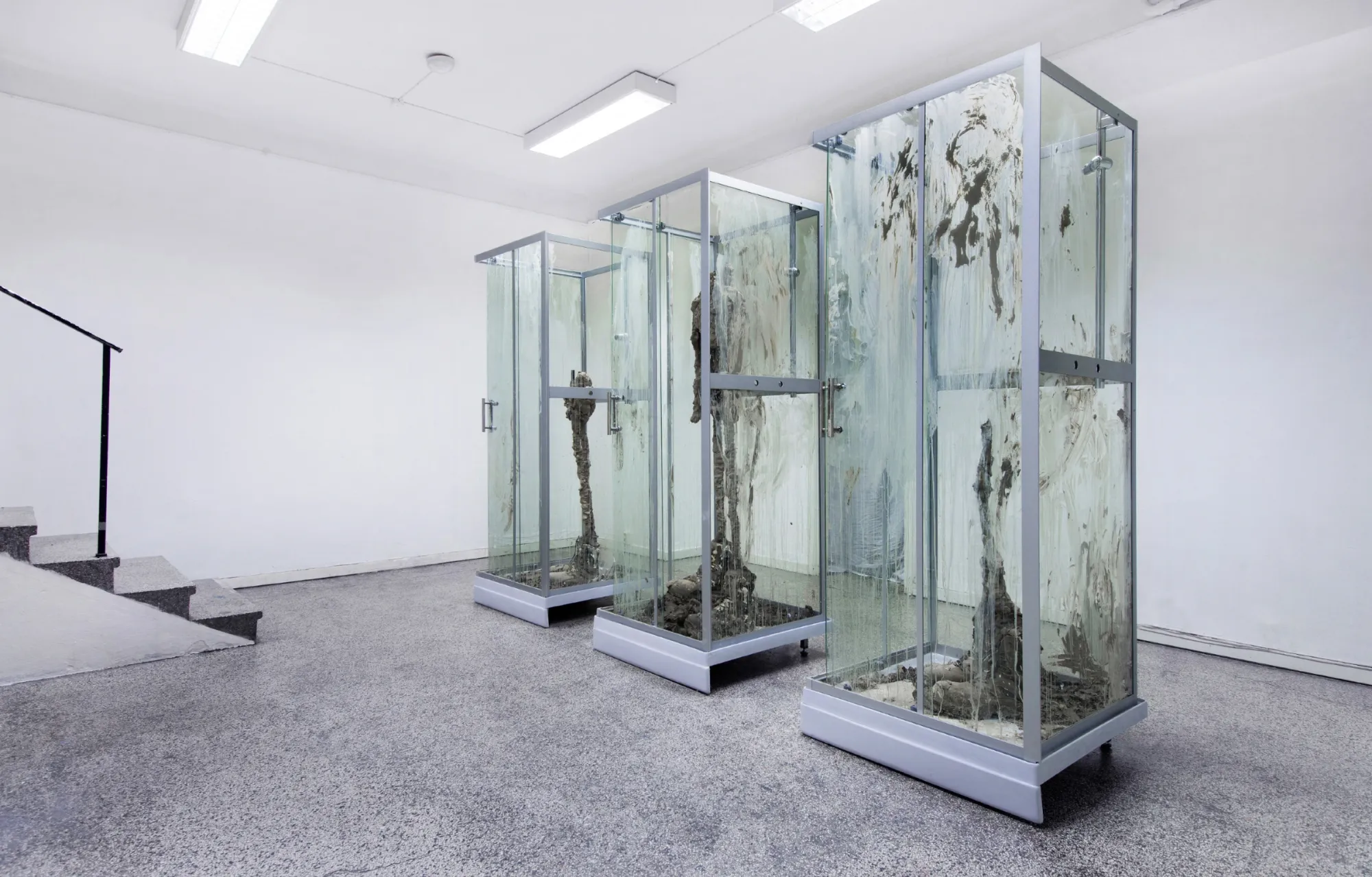
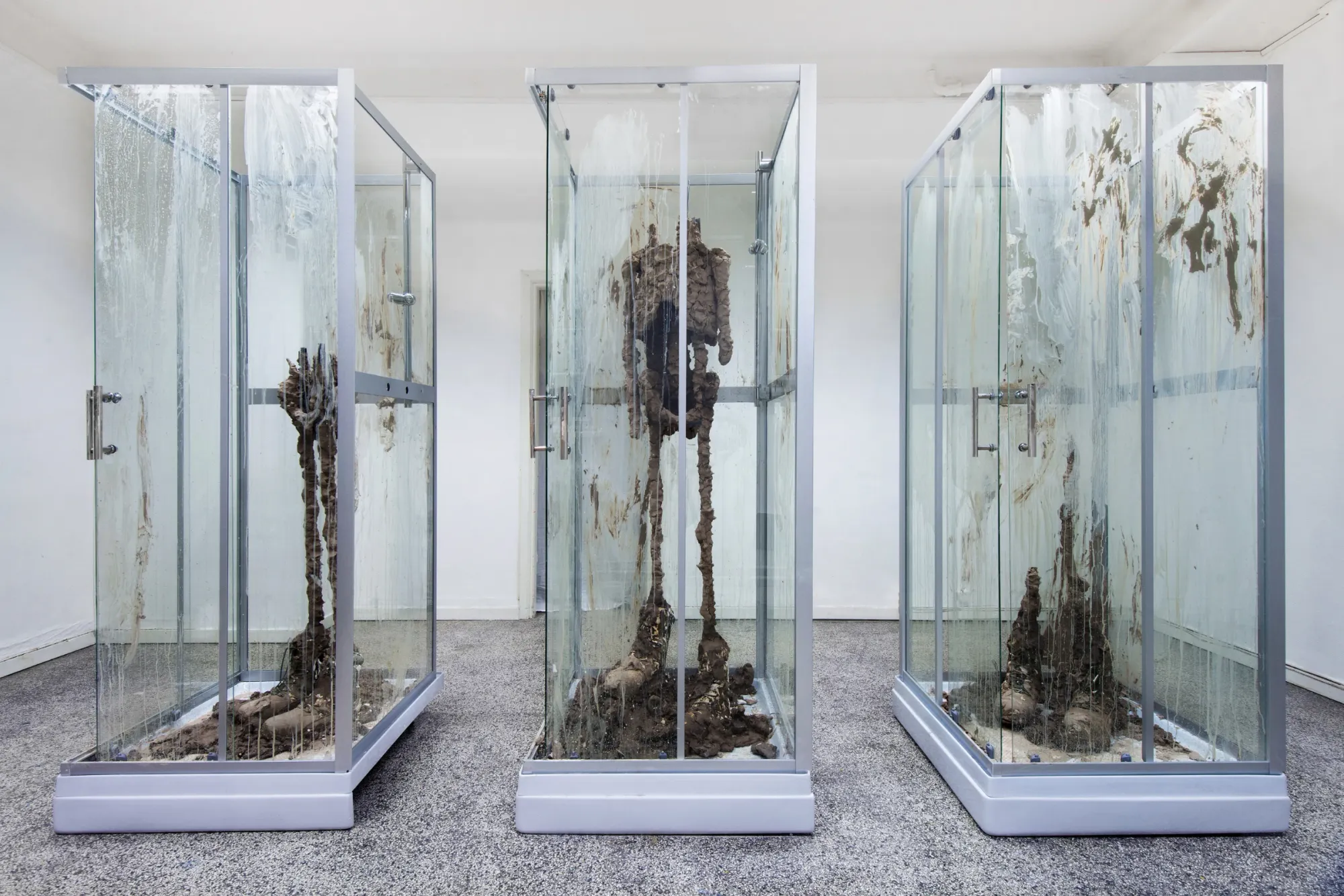
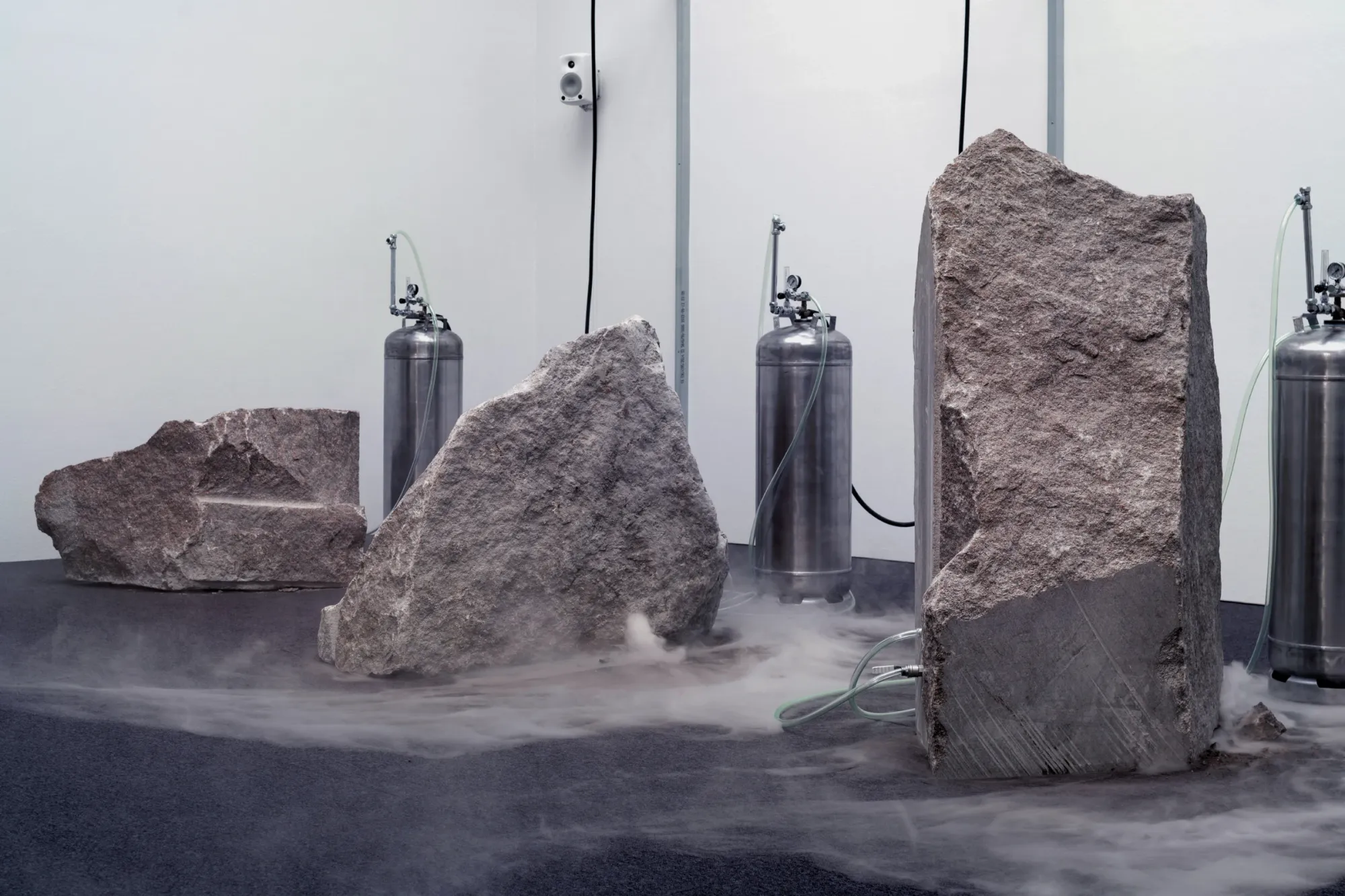
If it involves more industrial or hazardous materials, I recycle or reuse them. So the work is always part of a cycle, rather than something fixed or final.
8. Your works combine handcrafted objects with mass produced everyday things. Where exactly is the seam between those two worlds, and why does it matter?
I’m not sure there is a clear seam between those two worlds. The handcrafted and the mass-produced are often treated as opposites, but in my work they start to overlap. Sometimes it’s hard to tell where one ends and the other begins, and that tension is where interesting things happen. It matters because it reflects how we live.
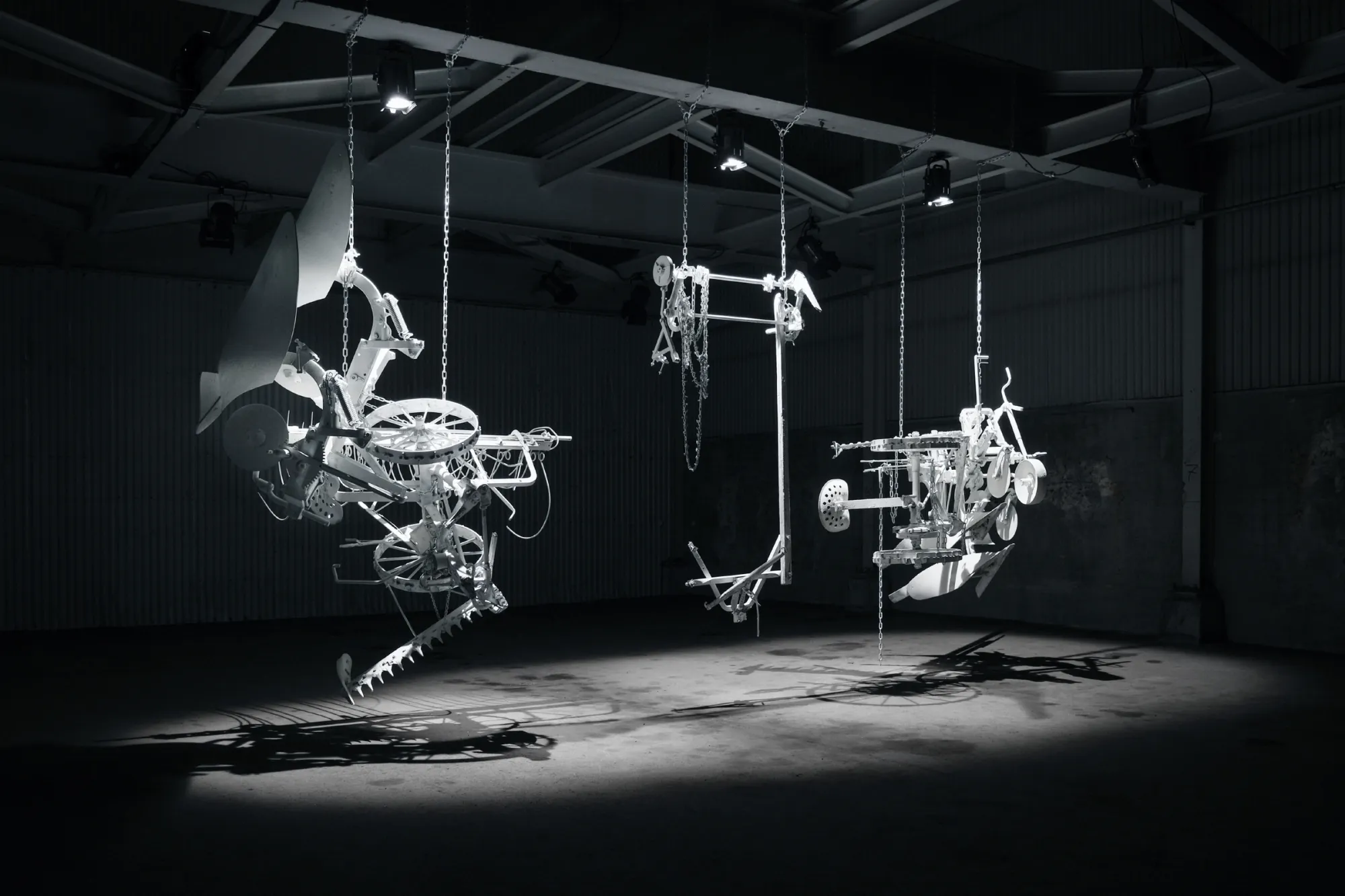
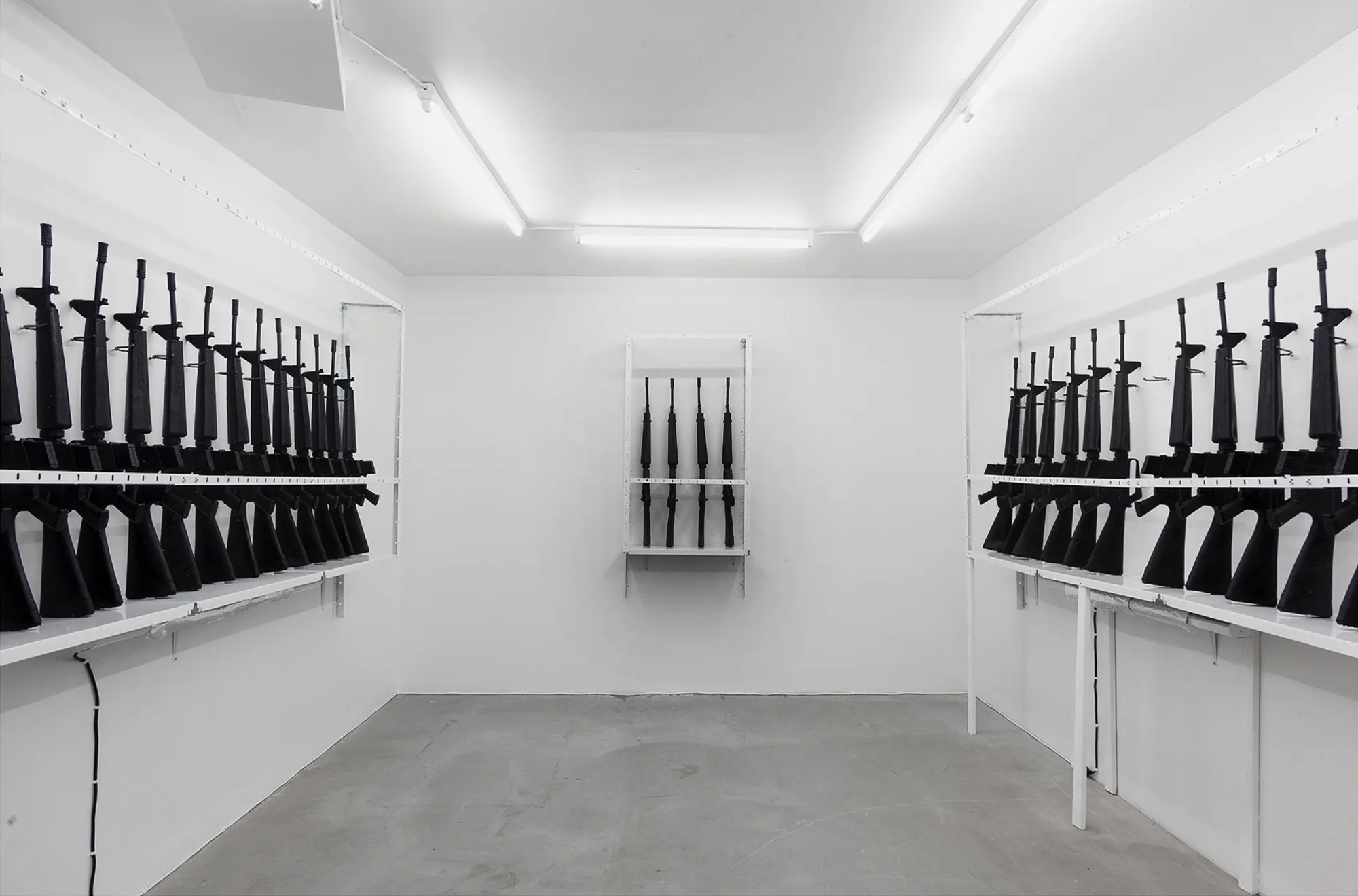
We move constantly between these worlds, often without noticing. The work doesn’t try to separate them, but to hold them together long enough for that relationship to become visible.
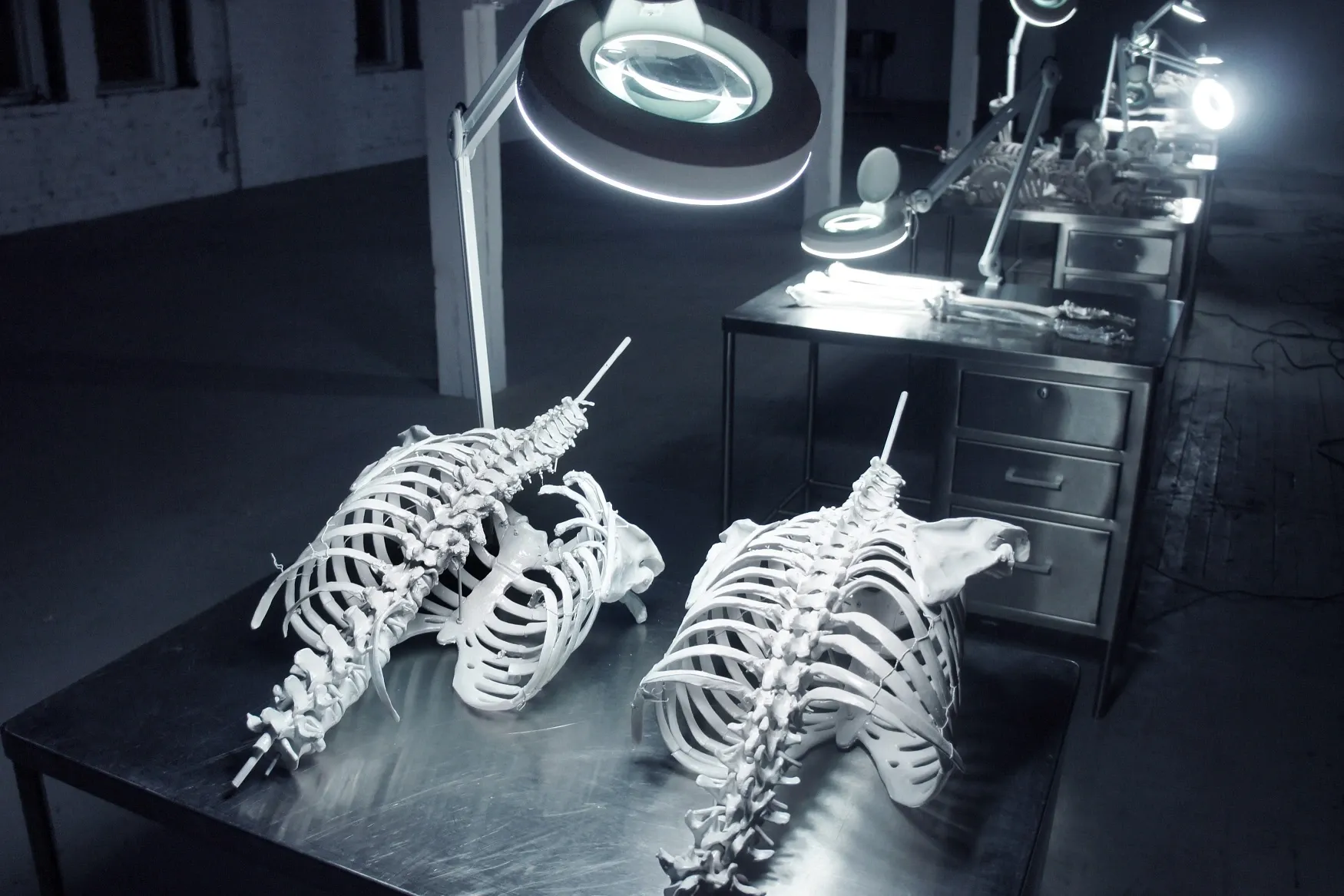
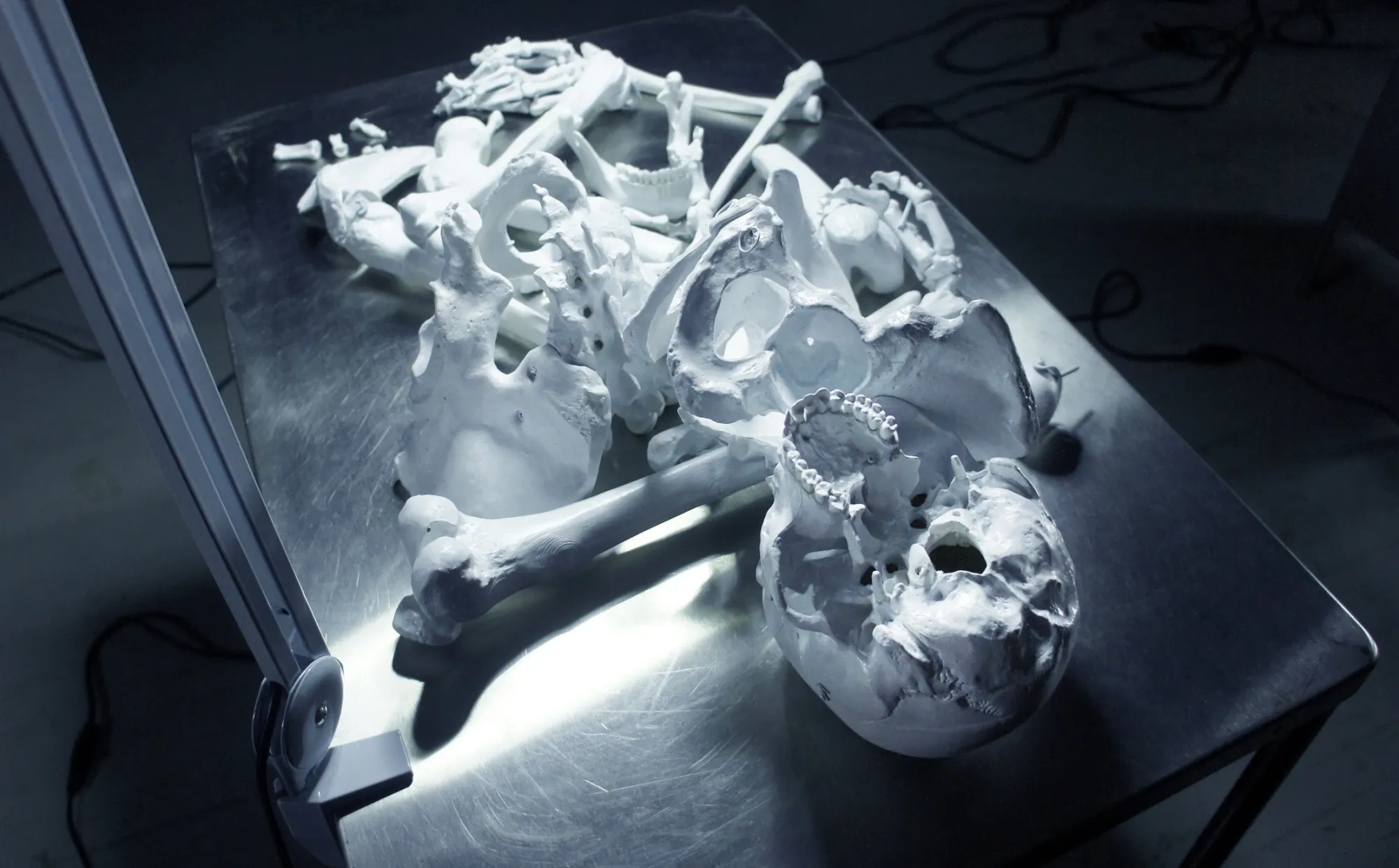
9. If in twenty years everything your work warns against has come to pass, what emotion should the work produce then?
I’ve never really thought of my work as a warning. If anything, it’s closer to a form of attention to something overlooked, ignored or pushed aside. Instead, it might shift in the eyes of the viewer.
What was once distant might feel closer. What once was abstract might become clearer and harder to ignore.
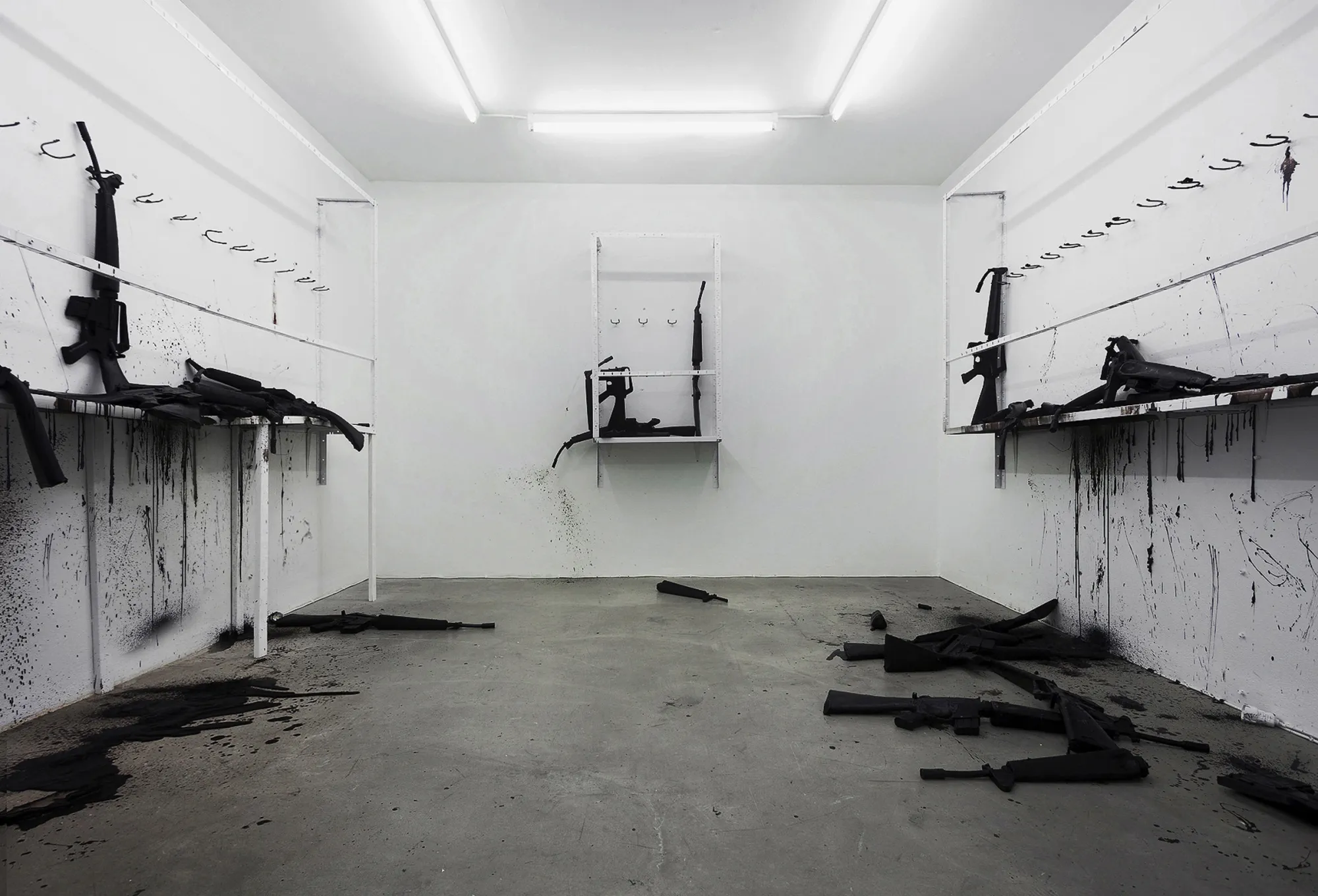
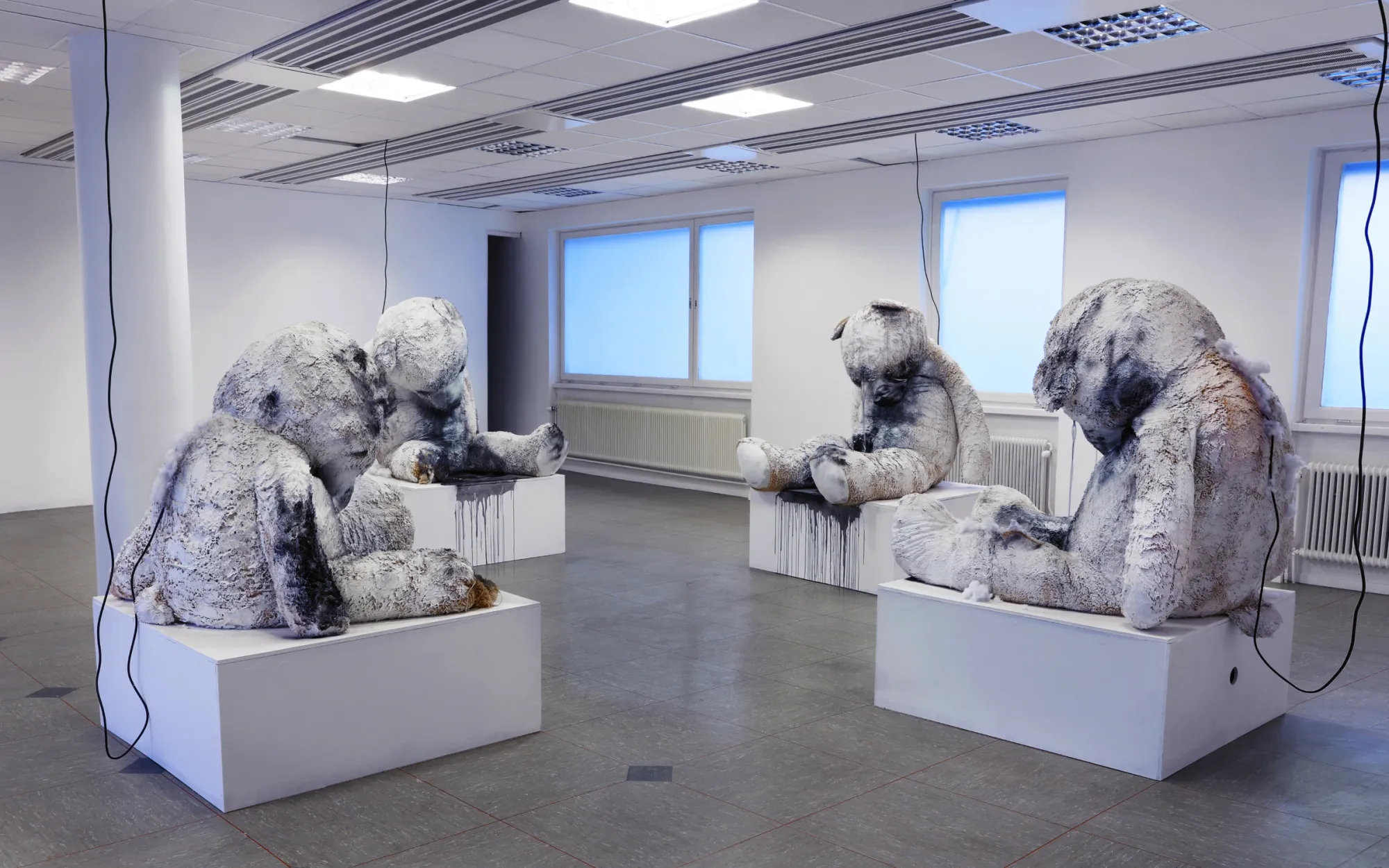
10. Have you ever doubted whether art that refuses to provide answers can actually change anything?
Of course, I doubt everything, my art, myself, and the world around me.
But I’ve come to see that doubt isn’t something that weakens the work; it’s what keeps it alive. If art only aimed to provide clear answers, it might stop asking questions and for me, that’s where its power lies!
Andersson's work exists in conditions that most contemporary art avoids: remote, slow, temporary, returned to the land when it is done.
What a viewer encounters, whether in Anchorage or Amsterdam or Kiruna, is always the record of something that happened elsewhere, with different light and a different cold.
The work does not try to bridge that distance. It holds it open, as a question that no image can quite close.
Instagram Andreas R Andersson
About the Artist
Andreas R Andersson (b. 1982, Sweden) is an artist based in Arvidsjaur, Sápmi, whose practice moves between installation, sculpture, and site-specific work.
His work engages the extractive and military histories of Arctic landscapes, their slow ruin, their political weight, the tension between what industry leaves behind and what the land holds.
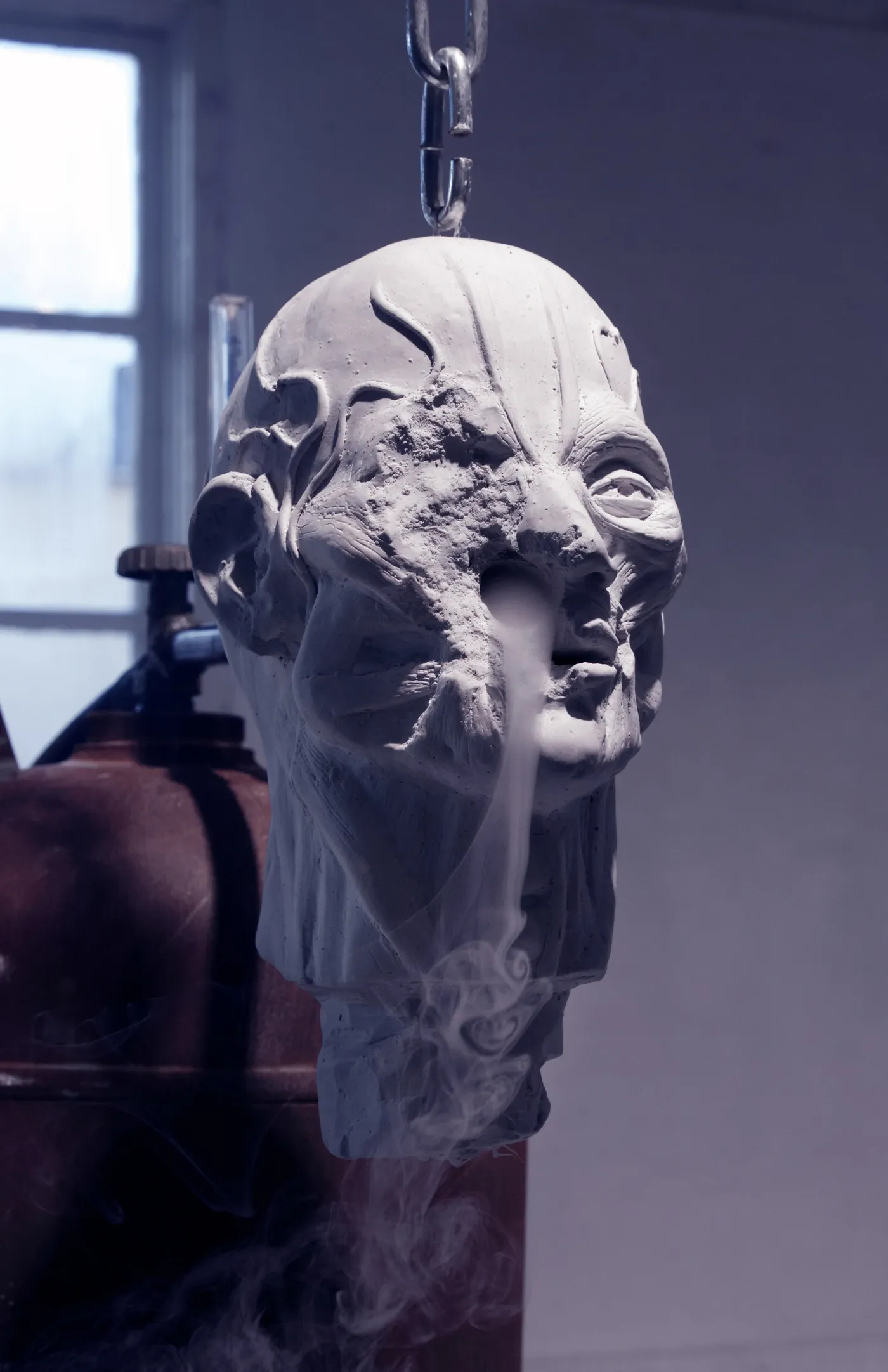
Andersson studied at the Royal Academy of Fine Arts, Stockholm; Valand Academy, Gothenburg; and Konstfack, Stockholm. He has been in residence at Pikene på Broen, Kirkenes; Bag Factory, Johannesburg; Swedish Lapland AIR, Kiruna; and the Bemis Center for Contemporary Arts, Omaha.
His work has been shown internationally, including Symptoms of a Blown Head Gasket, International Gallery of Contemporary Art, Anchorage; On Fresh Soil, W139, Amsterdam; The Choreography of Change, Konstmuseet i Norr, Kiruna; Invisible, Nordica Studios, Kunming; Mayro Clinic, Utica, New York; Riots for Nothing, ONO Gallery, Oslo; Walkers, Supermarket Art Fair, Stockholm; and As the Breeze Moved On They Came to a Halt, Göteborgs Konsthall, Gothenburg
About Catapult
This is an artist interview published by Catapult — an independent editorial platform for contemporary art, based in Vienna. We publish exhibition reviews, artist features, interviews, and critical context, with a focus on emerging and mid-career practices from Europe and beyond.
catapult.art
Want to be featured? Submit your work →