When Does Fragility Become a Form of Power?

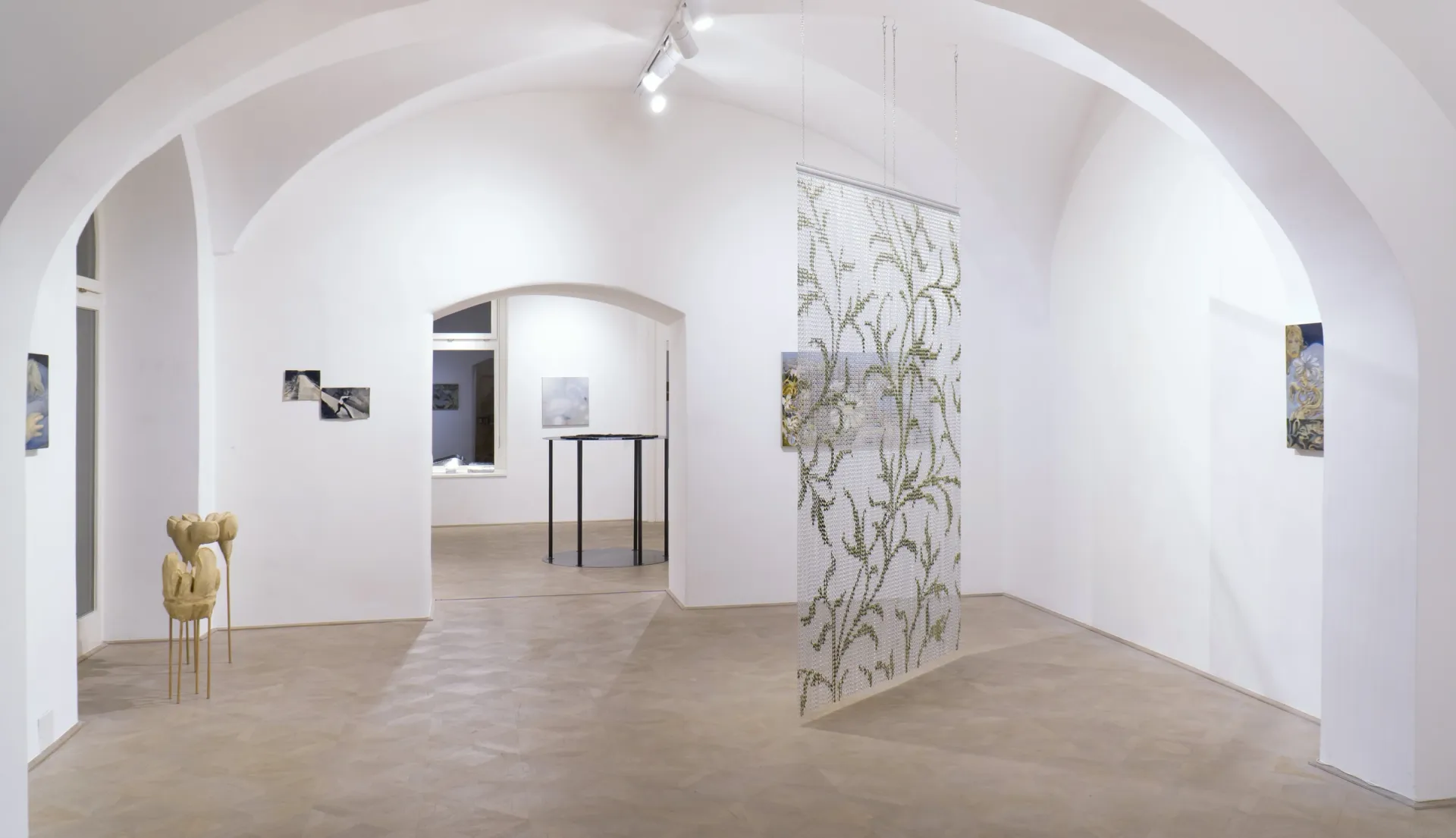
Julia Åberg, Maria Belova, Ester Gašparová, Maks Rz, Anna Taganzeva, Julia Woronowicz, Lorenzo Zerbini
Will-o'-the-Wisp
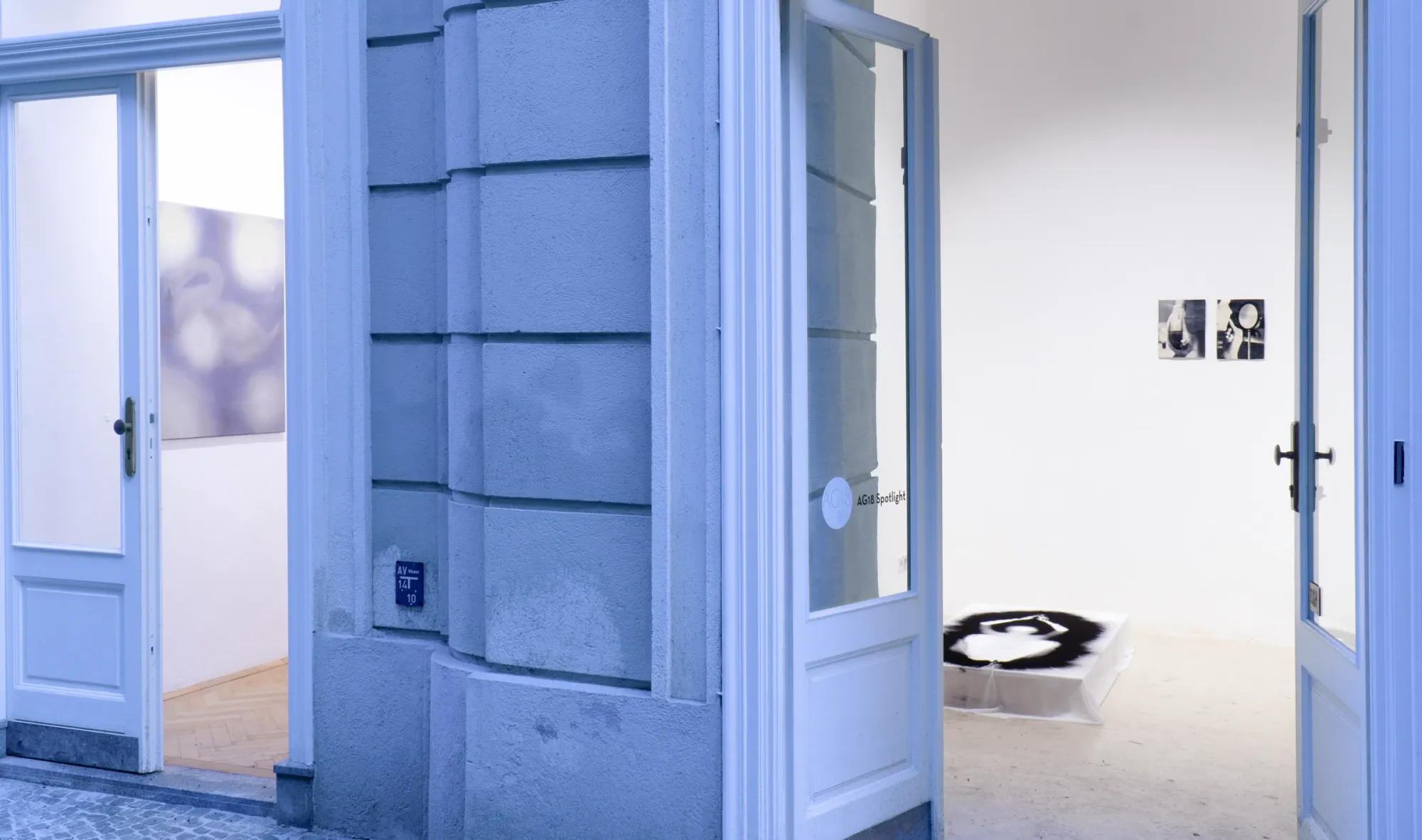
AG18 Gallery
Vienna, Austria
—
Annagasse 18, 1010 Vienna, Austria
Julia Harrauer
Daniel Prenleloup, Julia Harrauer, Lorenzo Zerbini, Maria Belova
Courtesy AG18 Gallery
office@ag18gallery.com
AG18 Gallery Presents Will-o'-the-Wisp at Annagasse 18, Vienna
Curatorial Text:
Will-o’-the-wisp refers to a soft, flickering light appearing in swamps or wetlands, historically interpreted as an illusion, omen, or wonder. Something not graspable, a brief moment, a light in the dark.
The phenomenon is commonly explained by the escape of swamp gases such as methane or phosphine, which occur only under highly specific conditions. Although science has replaced many mythical readings, the unsettled feeling and fascination associated with the unknown persist.
Swamps and wetlands themselves embody this tension. Often framed as hostile or uninhabitable, a space of danger and disorientation, they shelter a complex and flourishing life that emerges at night. As one of the most thriving and important ecosystems, it serves a key role by filtering pollutants and toxins, regulating water levels.
Within the exhibition, the will-o’-the-wisp becomes a metaphor for this concealed vitality, unfolding below the surface, pointing to hidden ecosystems that are usually overlooked.
This creates an ambivalence between threat and shelter, fragility and resilience. In this context, nature and the environment emerge as a central symbolic field, seen both as a force that resists control and as something vulnerable that requires protection. Looking at what connects and distinguishes the artistic views, references extend across the framework, transgress boundaries, genres, and materials.
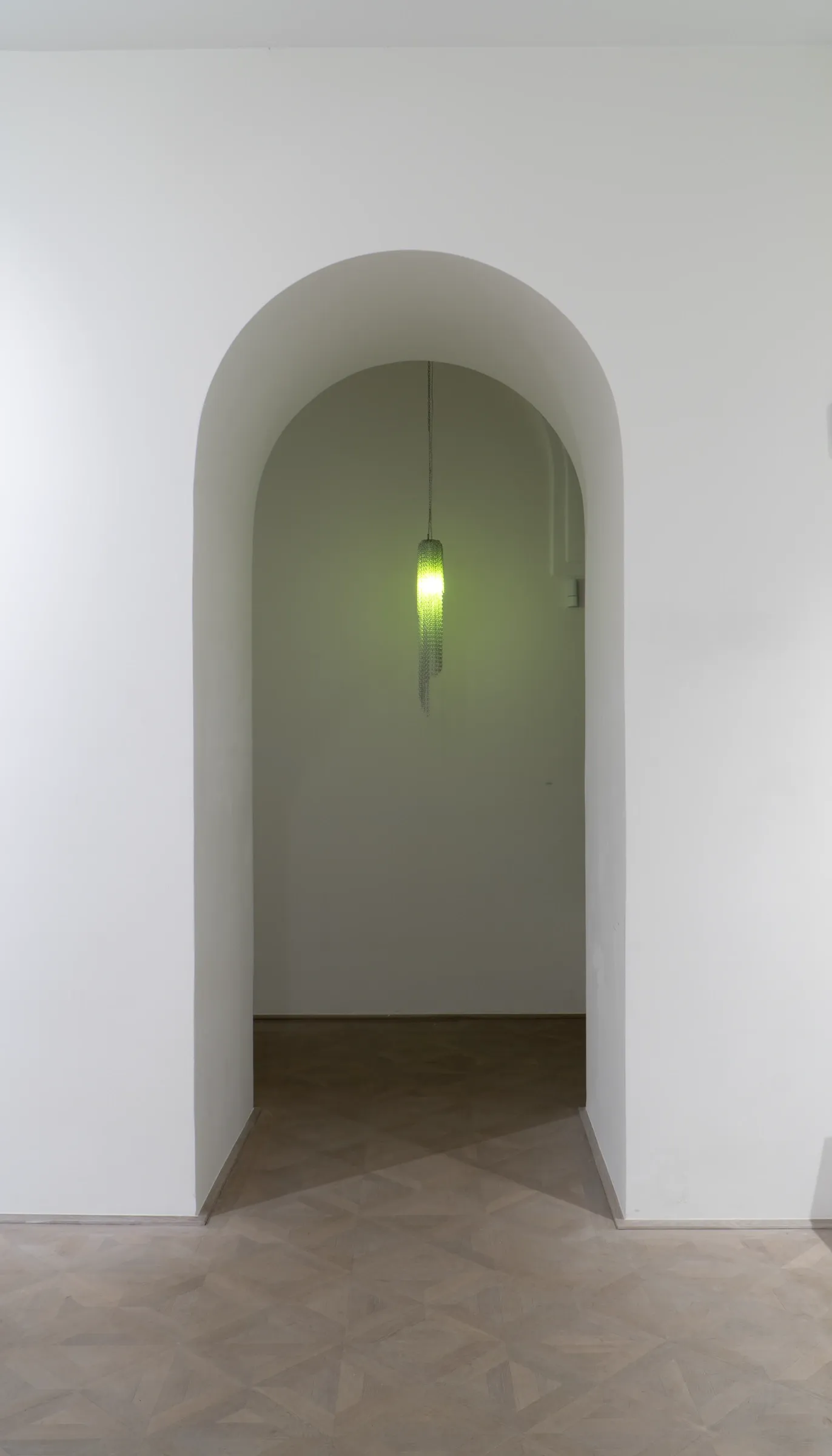
While Ernst Cassirer describes a universal “symbolic universe,” Judith Butler understands symbolic reality as power-laden and produced through bodily practices. Meaning emerges through repetition, not essence, exposing how systems stabilize dominance. Read alongside Maureen Murdock’s inner journey, this shift enables a deconstruction of symbolic authority and its claim to universality.
Through various artistic media such as painting, sculpture, collage, and installation, the participating artists examine how ideas of fragility and strength are culturally and historically produced through these symbolic forces. What counts as weak or strong, and how is this ambiguity grounded in our society? Symbols represent something else, explaining a person, object, or event used to define a quality or idea.
Therefore, it is explored how fragility and strength do not stand in opposition but emerge as entangled conditions.7
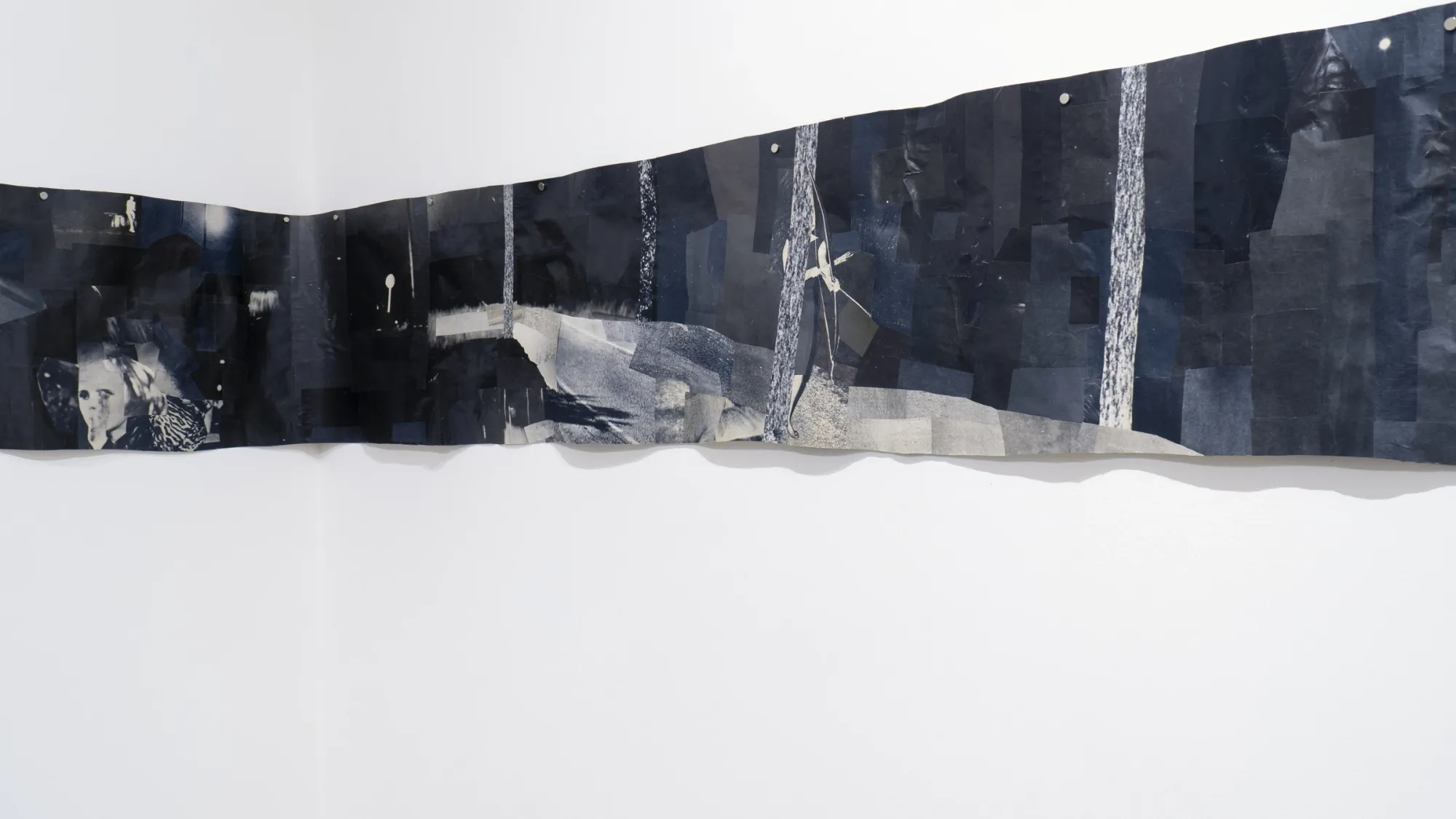
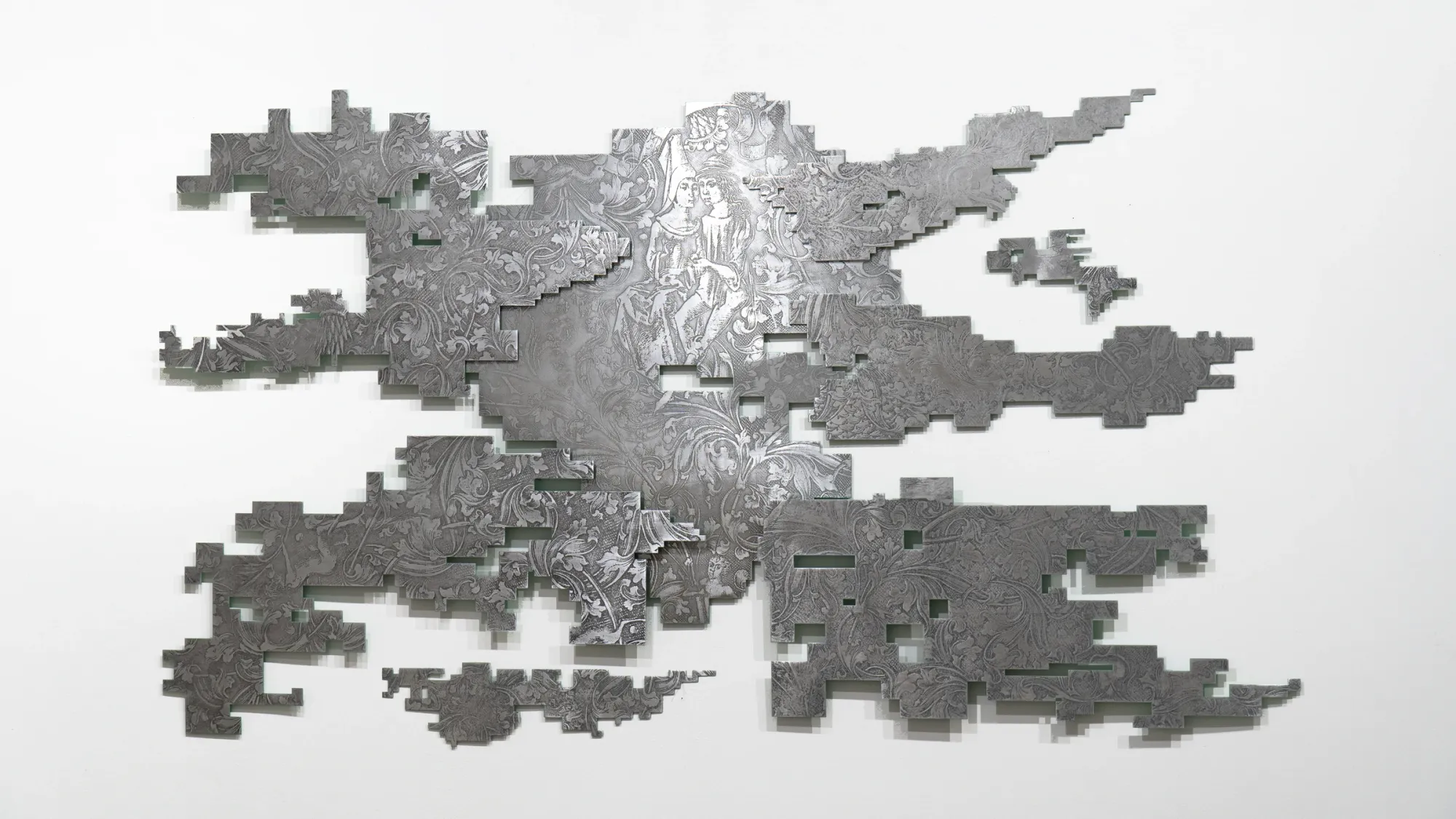
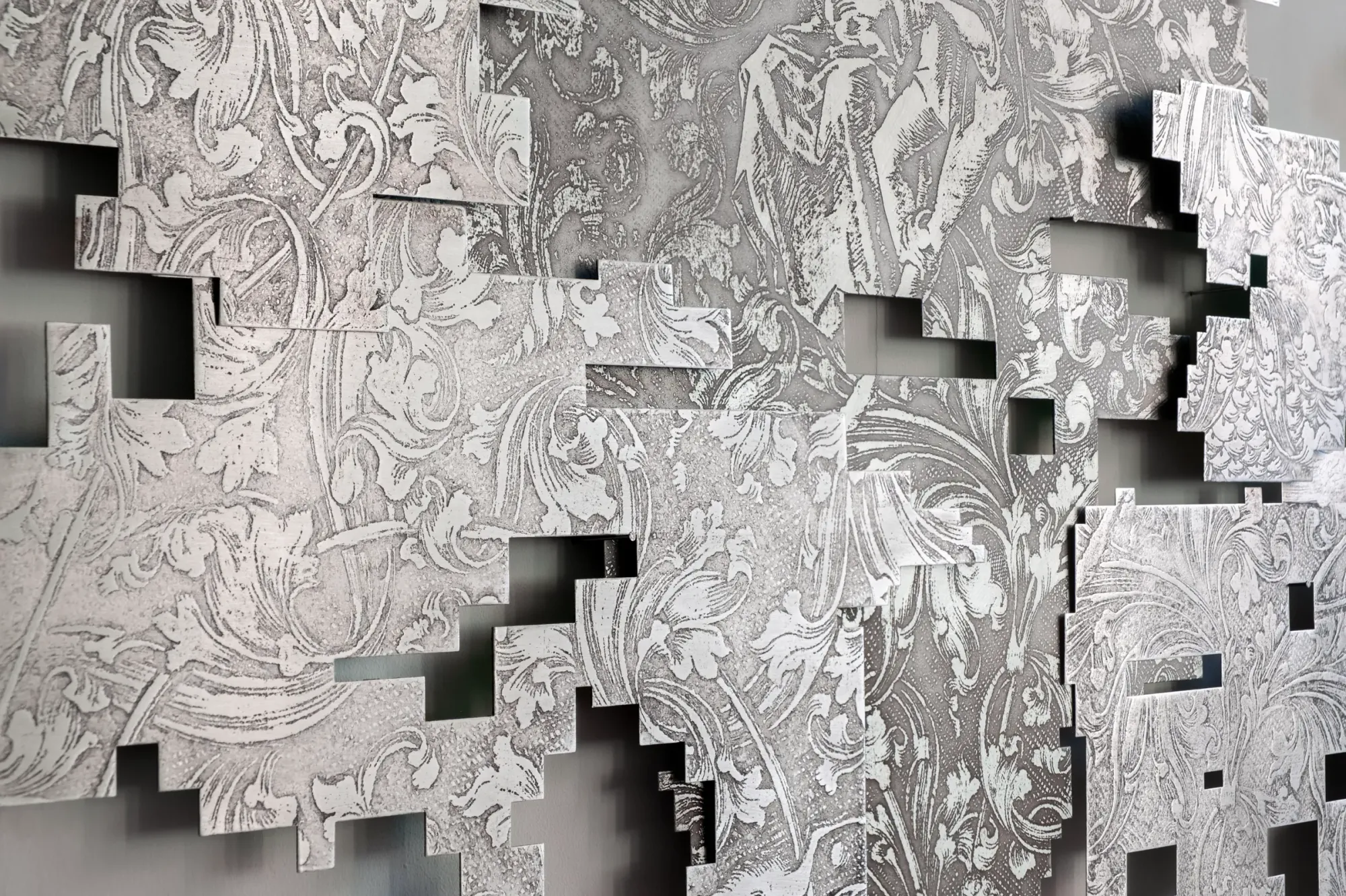
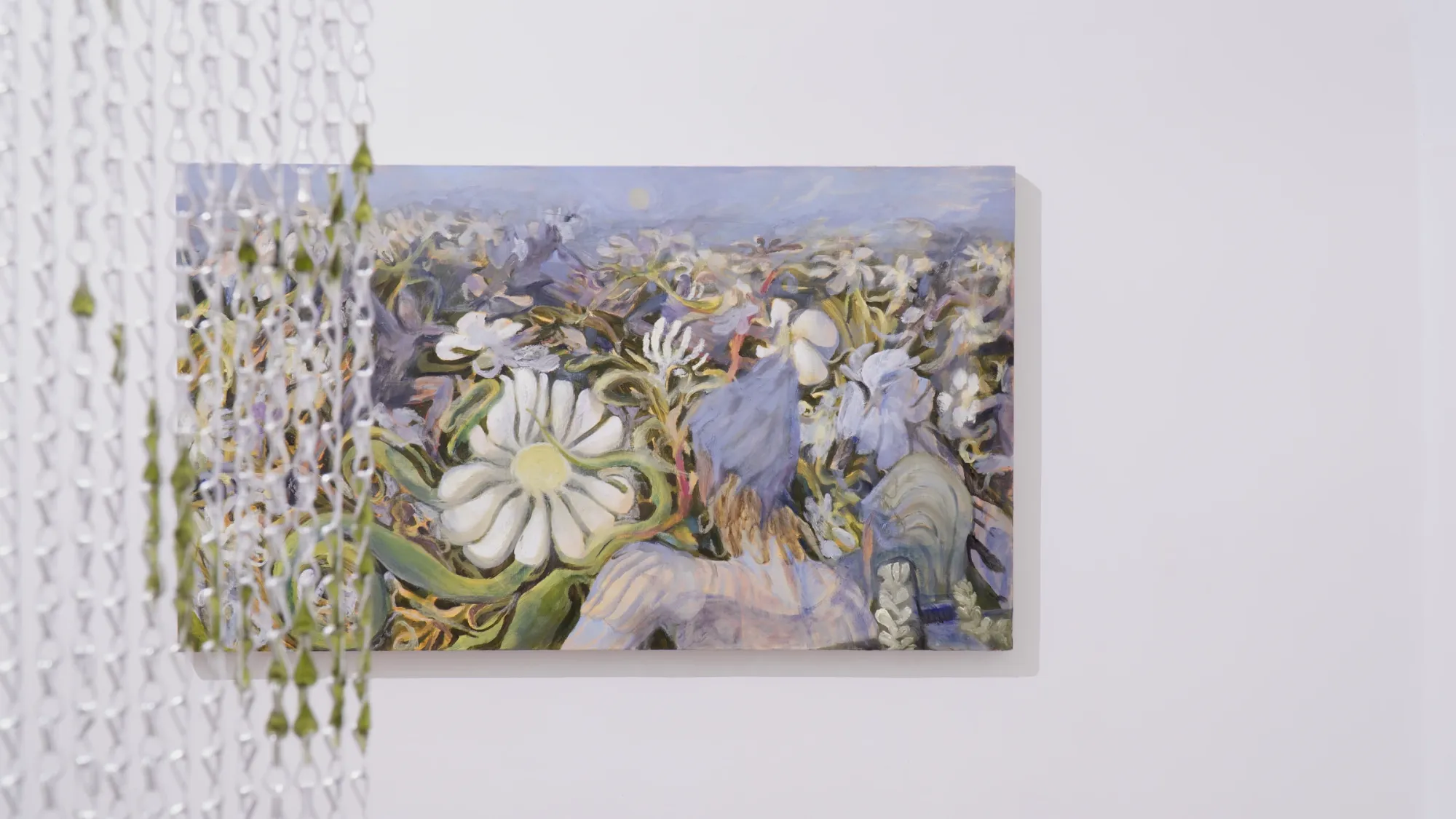
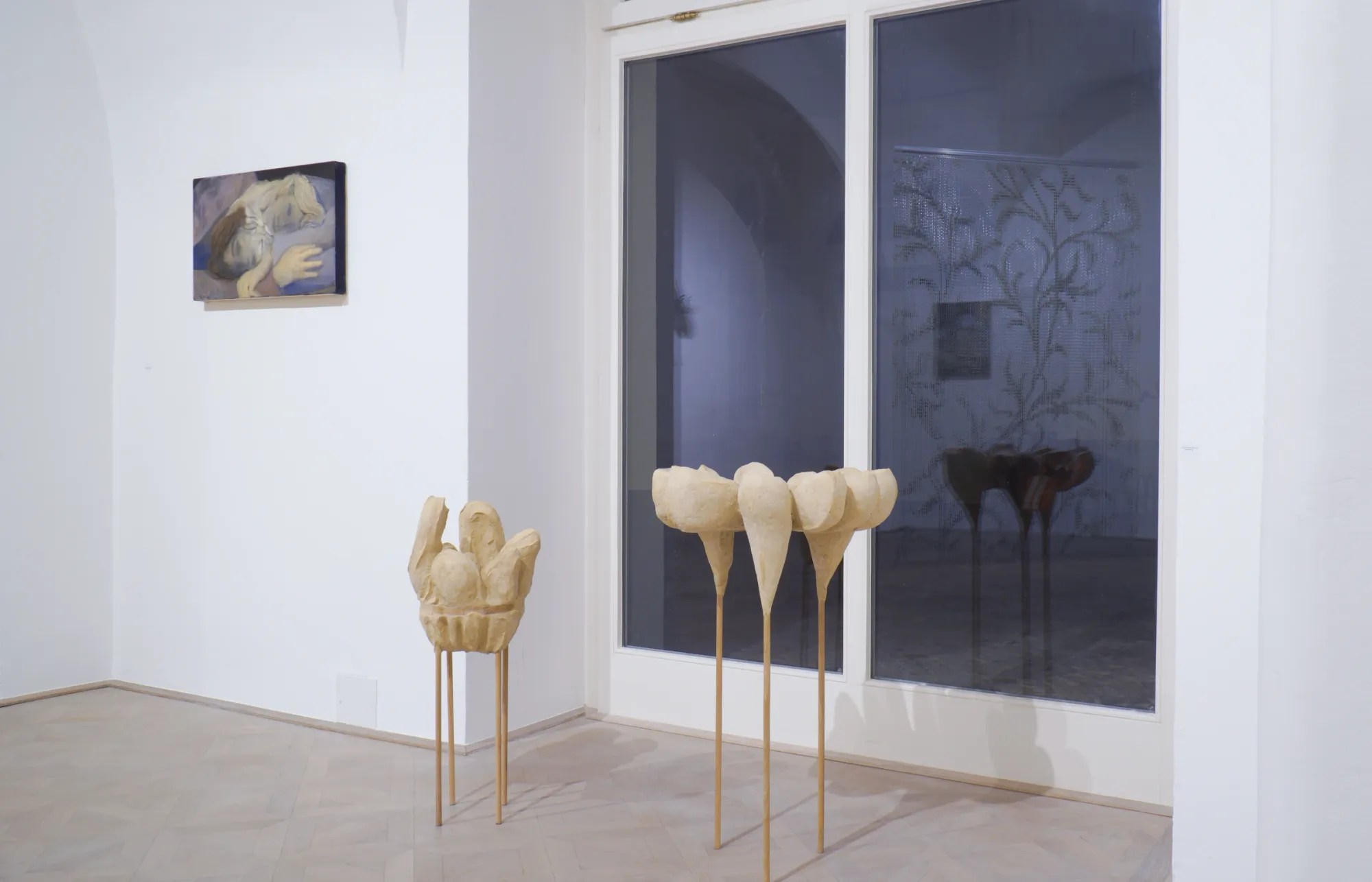
Clear lines are often associated with stability and power, while dense, organic, or ornamental forms are coded as decorative. In the exhibition, floral forms are released from their decorative function and become visible as carriers of complex meanings.
Nature is not understood as a romanticized backdrop but as a charged space where power and resilience can be expressed. Strength does not always appear as visible dominance but can be something quiet and concealed, perceptible only at second glance, comparable to the will-o’-the-wisp itself.
Notable Artworks and Installation views
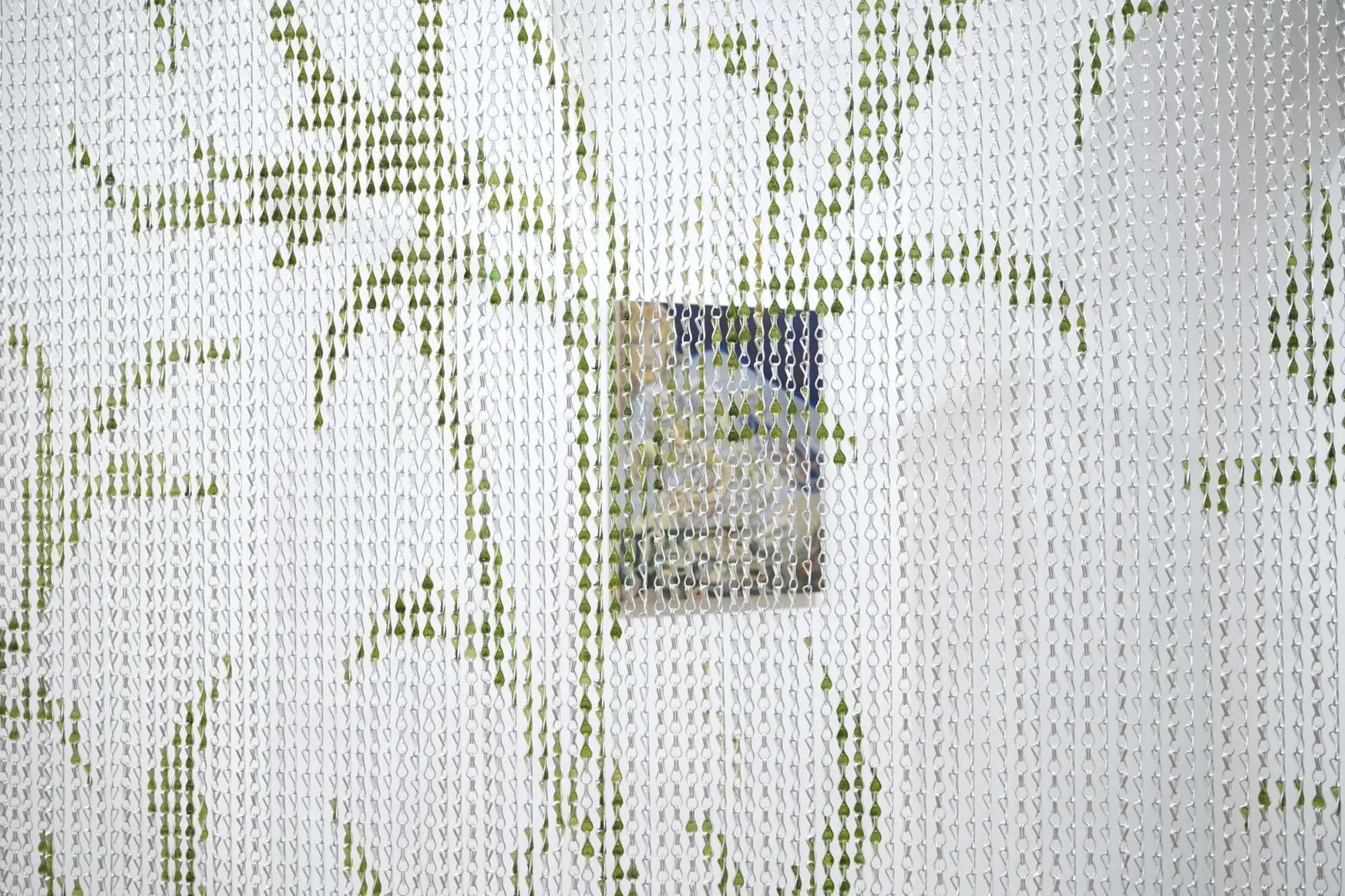
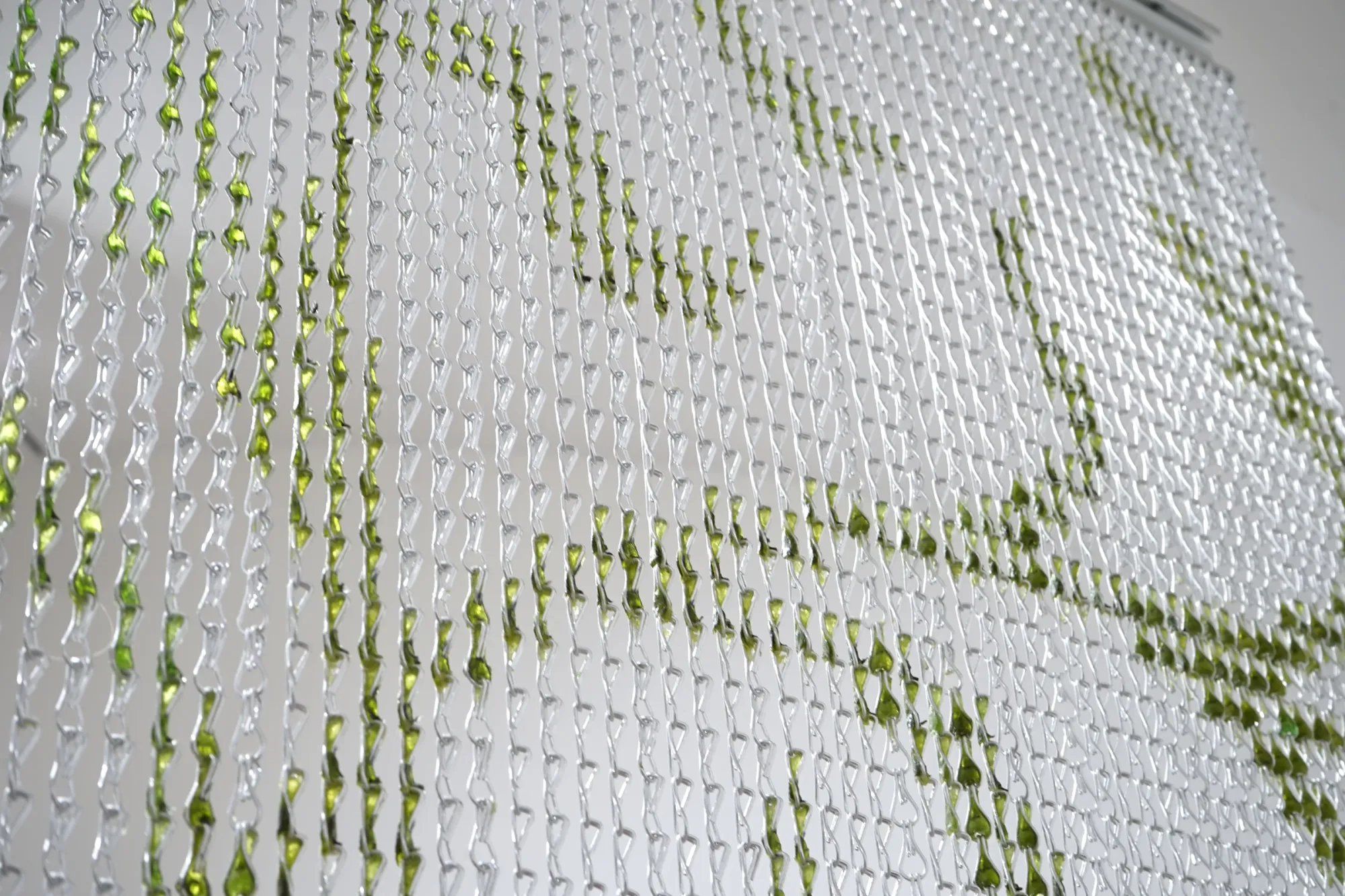
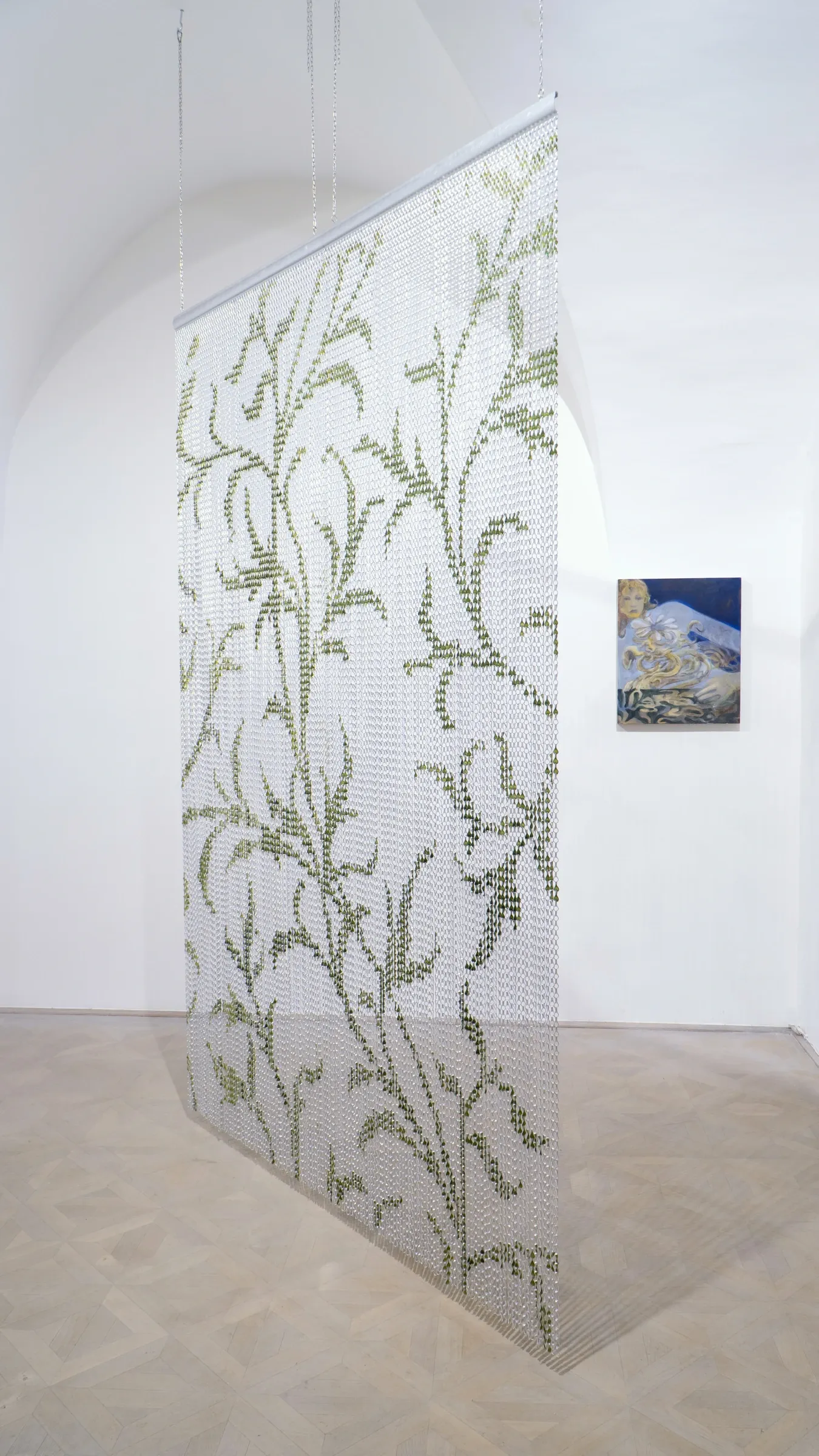
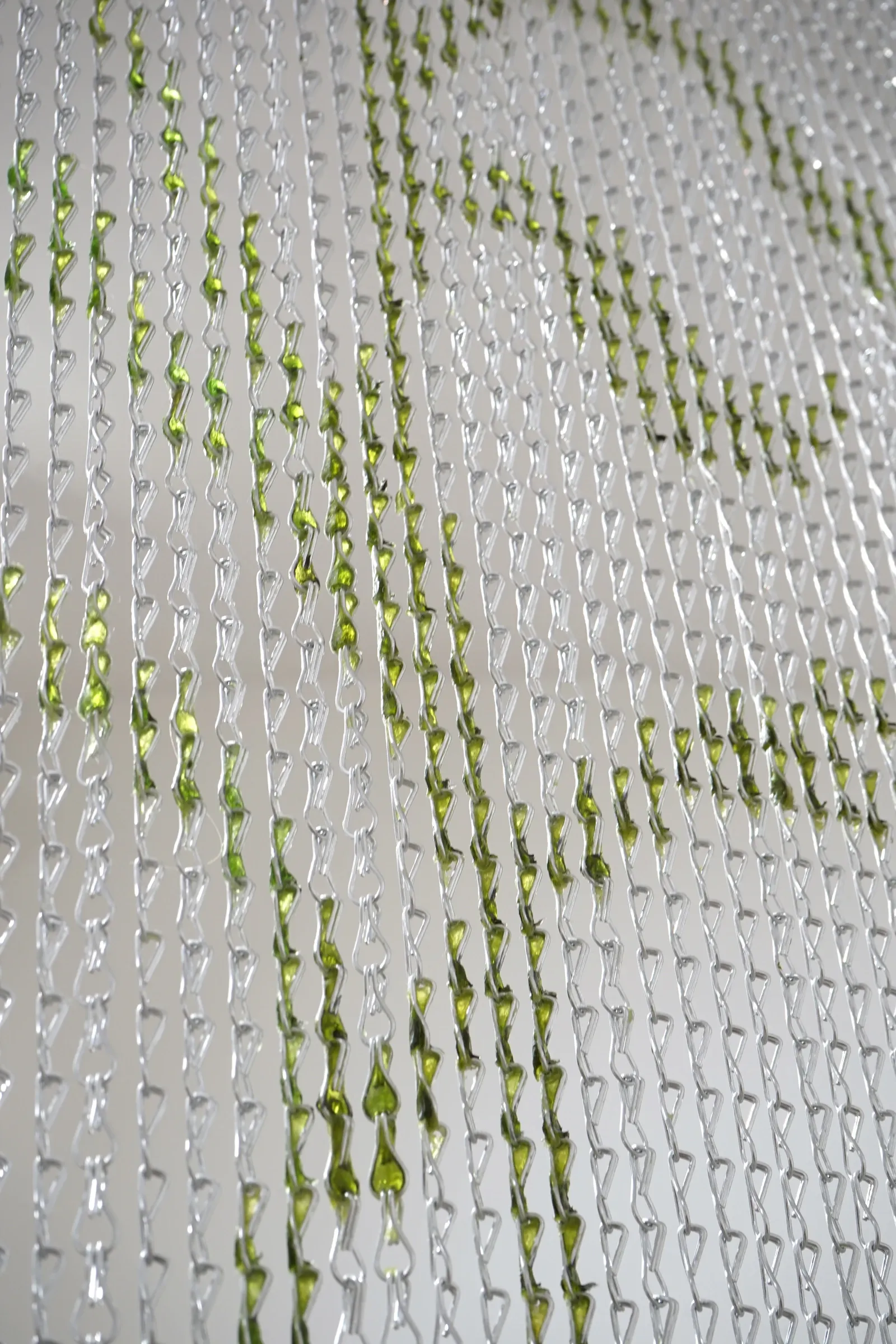
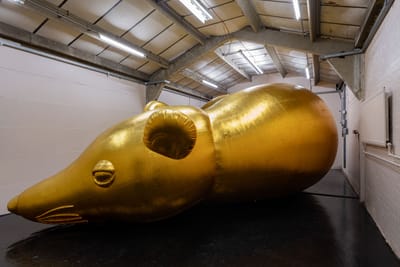
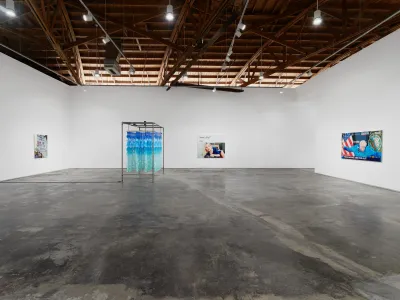
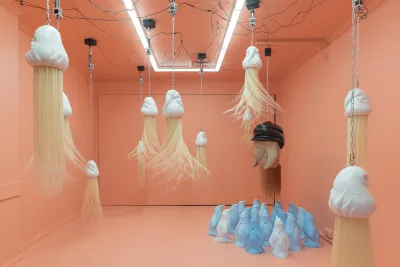
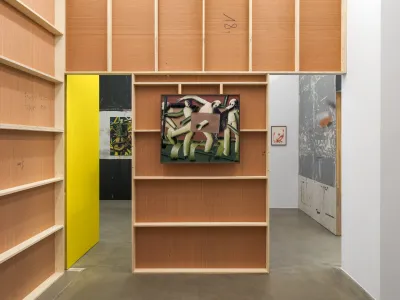
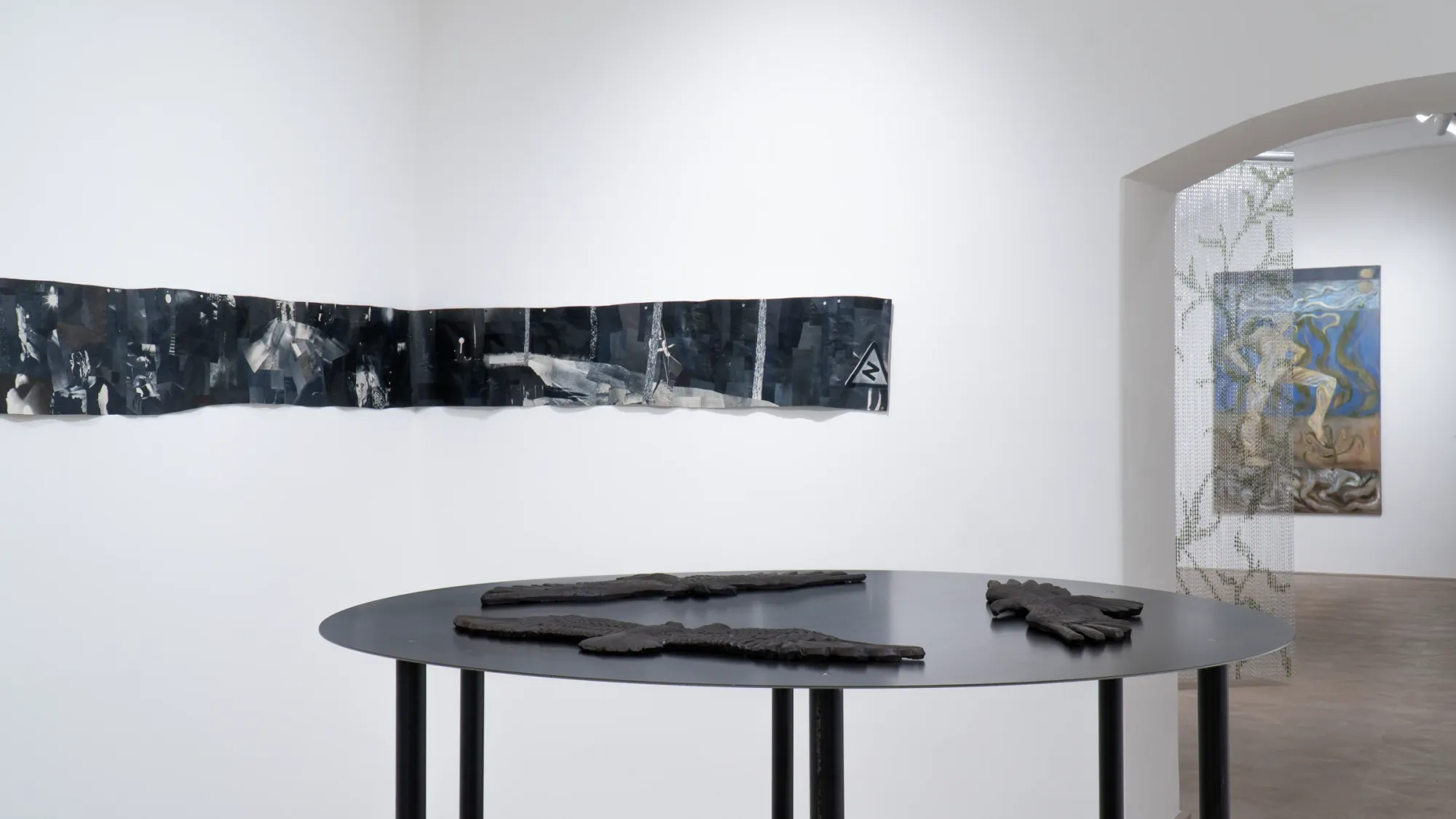
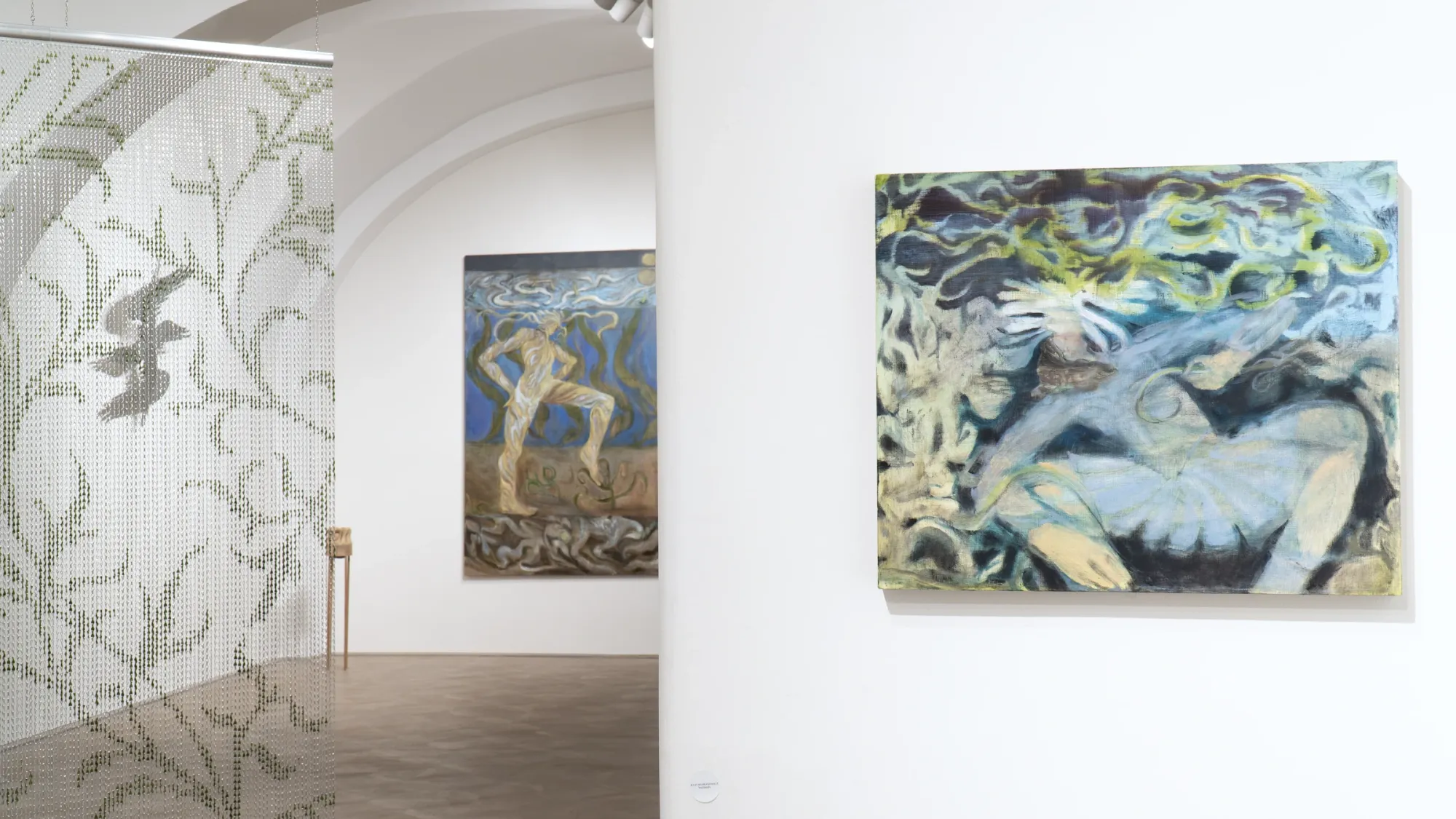
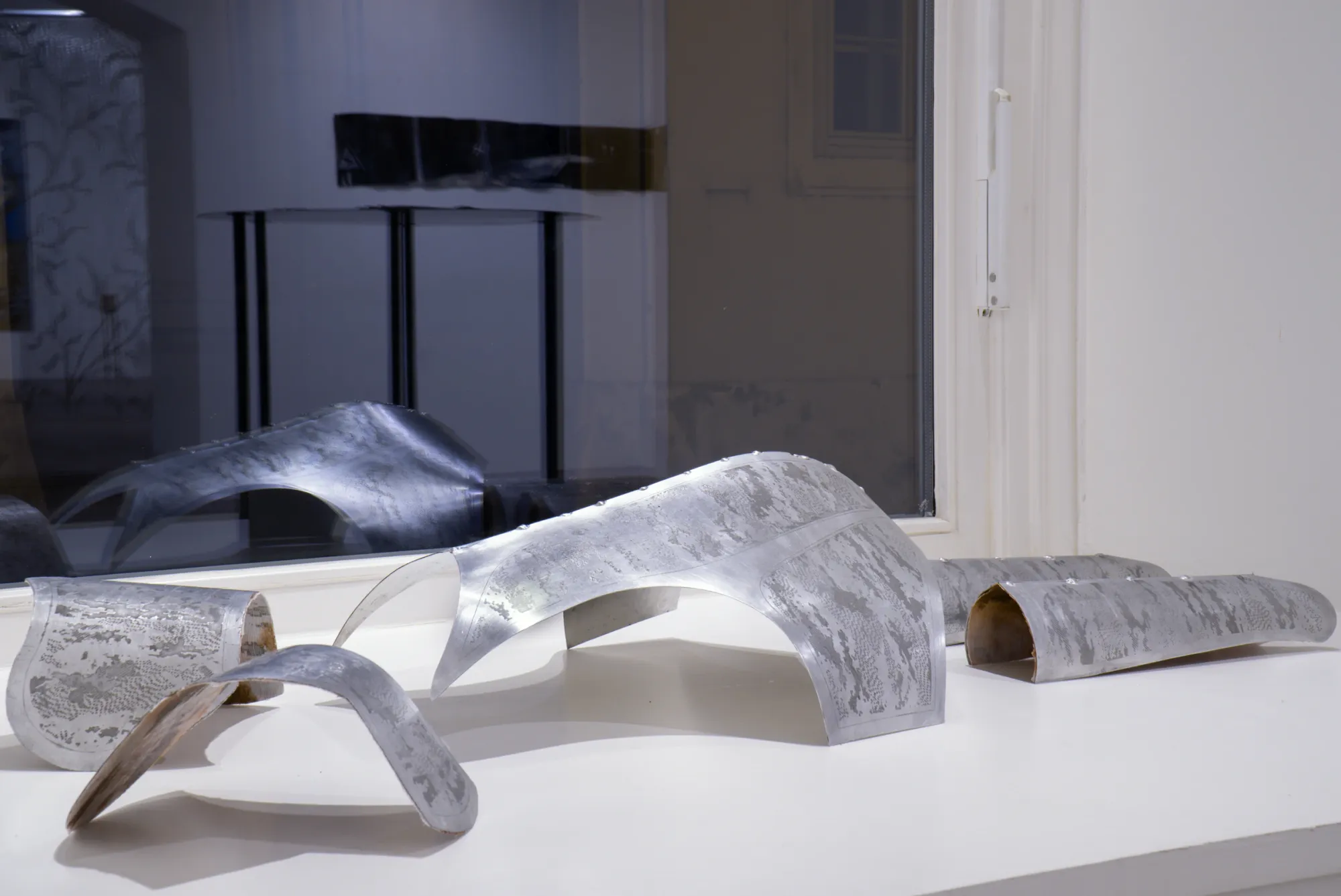
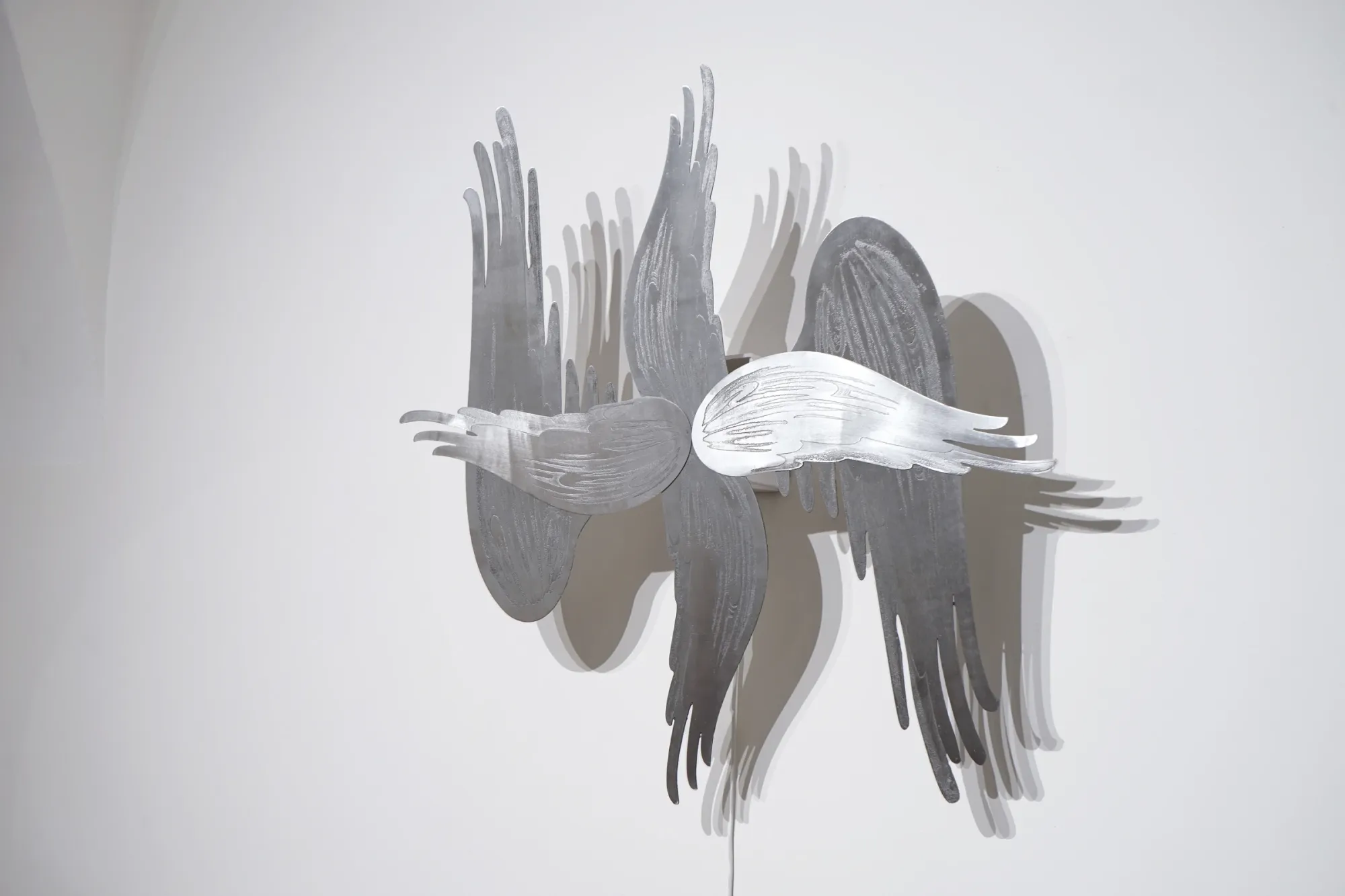
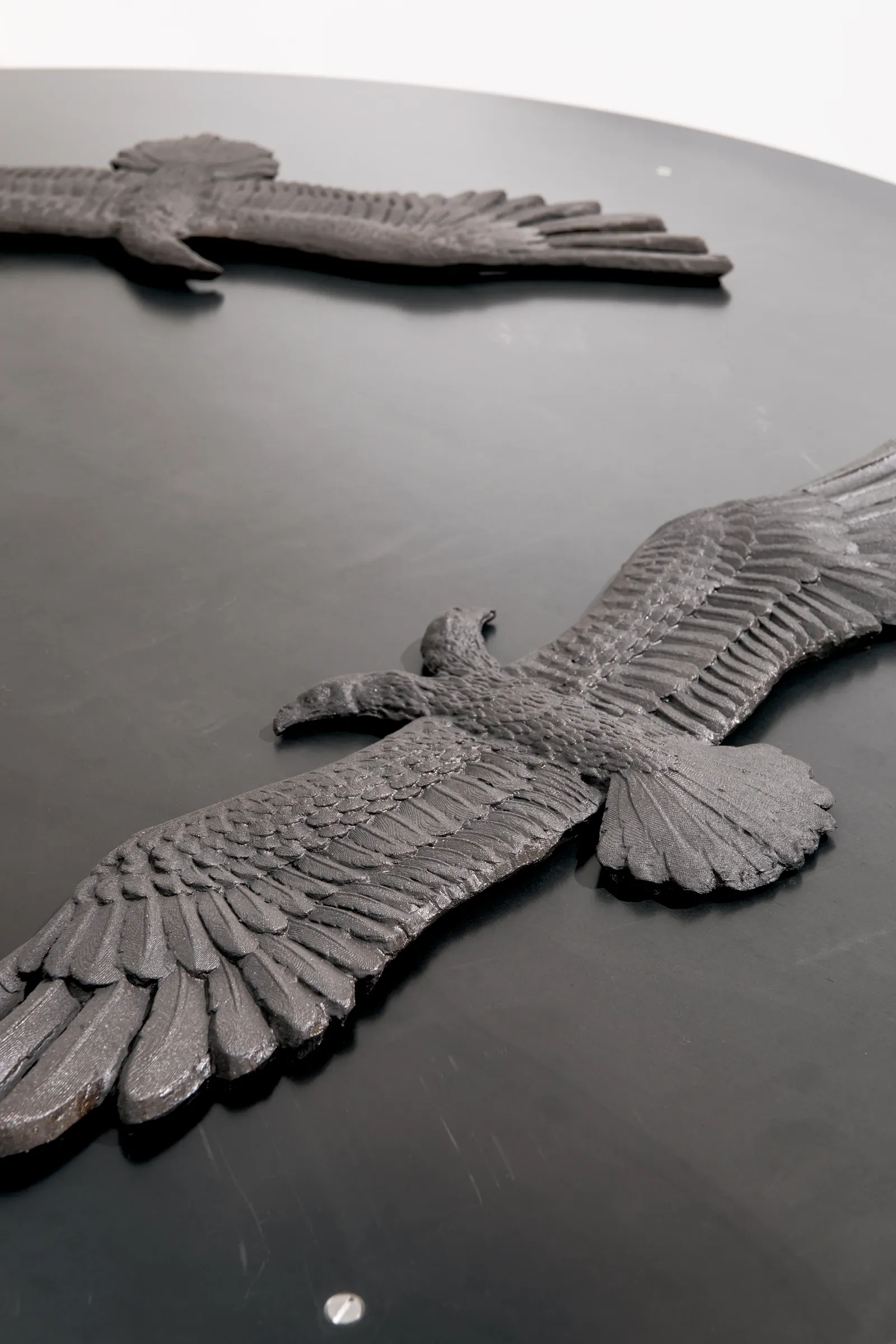
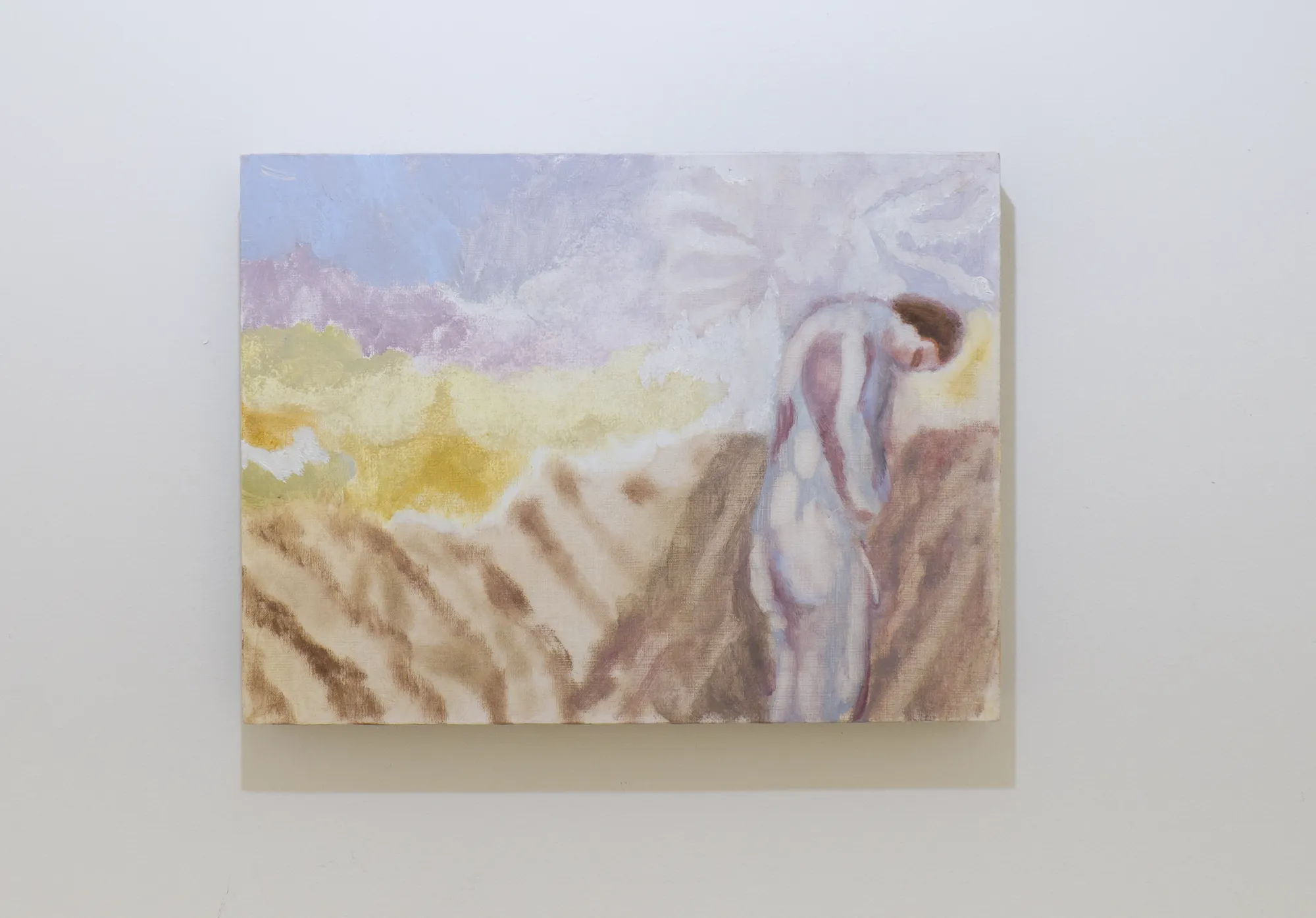
AG18 Gallery, Vienna - Will-o’-the-Wisp - Lorenzo Zerbini, We meet at nightfall, Lamp metal skeleton, 2025 / Julia Woronowicz, Daisy with a Girl, Oil on canvas, 2026 - Image courtesy of the gallery Photography: Daniel Prenleloup
No spam, no sharing to third party. Only you and me.